Русский
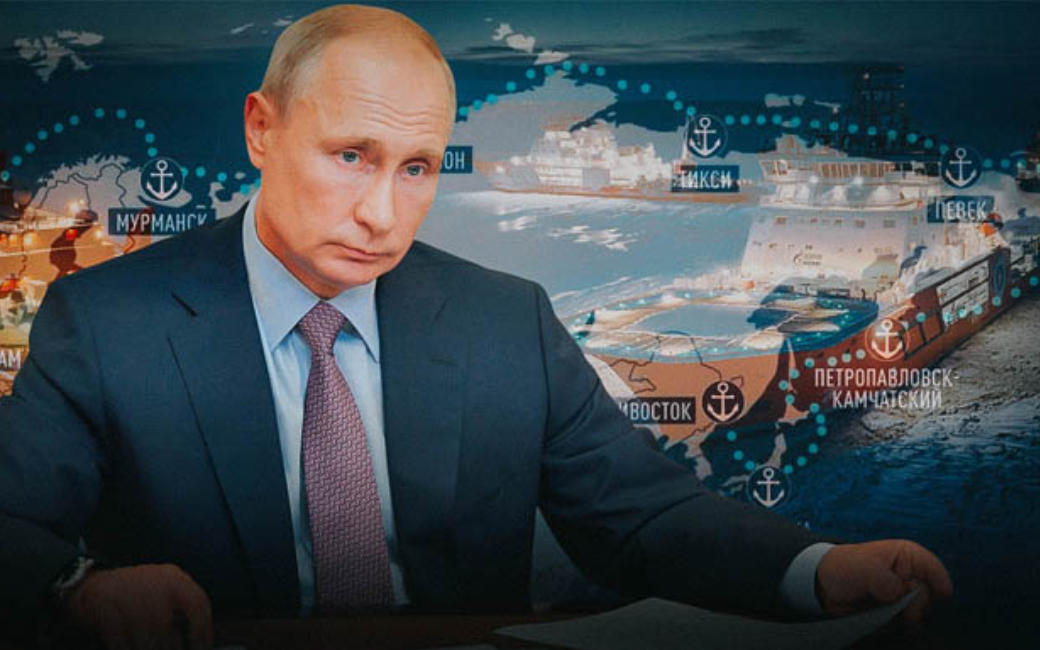

The head of the Russian cabinet, Mikhail Mishustin, has signed off the approval for the Northern Sea Route development plan, to be completed by 2035. It is one of Russia’s largest development projects and will be financed to almost 2 trillion rubles (US$22 billion)
A National Transport Artery
The NSR development plan includes more than one hundred projects, distributed across five areas. These include the creation of new, and the reconstruction of the old transport infrastructure, development of a cargo base, the improvement of the cargo fleet and the development of the fleet of icebreakers, ensuring safe navigation. This will mean the NSR will become the main state transport artery for the transport of goods between the western and eastern parts of Russia. Conditions will be created for delivery to Arctic ports from these regions.
The construction of new Arctic ports and freight terminals will be built, with three complexes already under construction.
Expanding and Deepening Existing Infrastructure
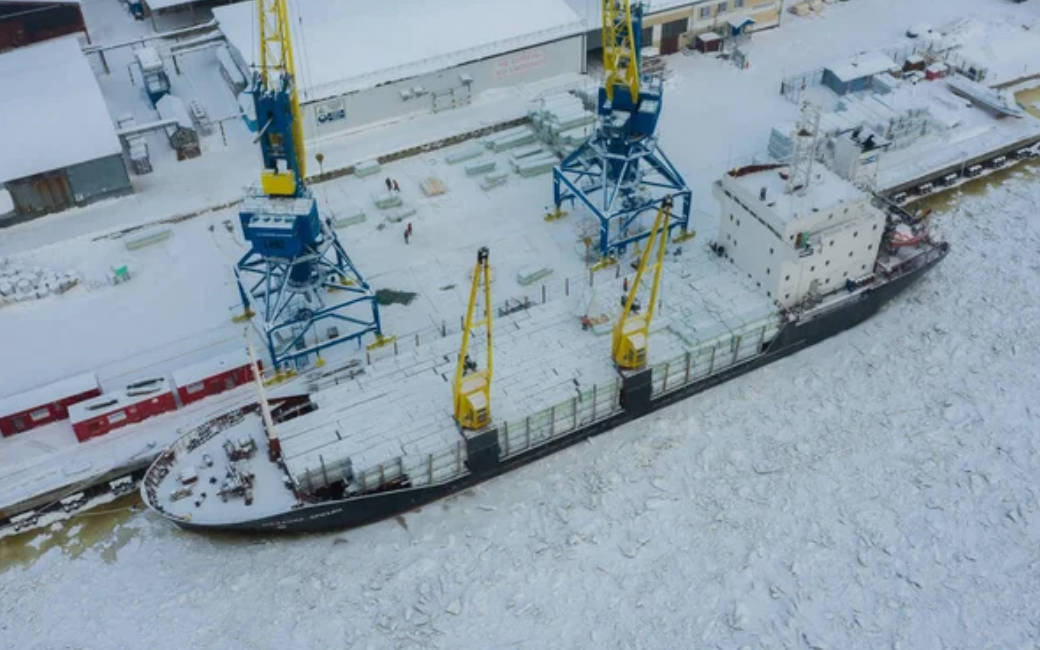
Two specific items in terms of the development of the NSR are the Murmansk and Arkhangelsk transport hubs. Murmansk especially requires modernization, which will include a modern marine complex for transshipment of liquefied natural gas and a bulk cargo terminal. For comfortable logistics, transport hubs will be created. A large-scale reconstruction of a third cargo area will also take place in Murmansk port.
Another LNG offshore complex will be built on Kamchatka, with western and eastern transit port hubs to be created. To cater for the approach of heavy container ships to Arctic ports, specialists will deepen rivers and seas, while the infrastructure of Arctic berths will be expanded.
In addition to the construction and modernization of new Arctic ports and terminals, Sevmorput, Russia’s nuclear cargo shipping operator, will also provide rail links, while Russian Railways will coordinate with both new railway lines and highways in Yakutia.

Arctic Navigation
In order for NSR navigation to be continuous, new icebreakers will come into service. The LK-60Ya class of vessels are the largest icebreakers in the world. The regular Arctic fleet will include three of the latest nuclear icebreakers, and an additional four biofuel icebreakers will be launched. These will be built on Russian shipyards, and will supply other Arctic fleet and container ships.
Marine traffic safety will be provided by more than 40 of the latest rescue vessels of the Arctic class, while the Russian Ministry of Emergencies will construct 4 emergency rescue centers. IT and digital services in the Arctic will be launched to manage and develop shipping. It is planned to commence year-round navigation on the Northern Sea Route from 2024, meaning that shipping is expected to continue along the NSR during this years winter months.
Millions of Tons of Freight
The NSR is already at current overcapacity for the transportation of goods. In 2021, 35 million tons of freight passed through the route, 2 million tons more than expected. 2023 traffic growth is already up by 5%, while transit has increased by 3 times. By end 2025, it is anticipated that traffic volumes can reach 80 million tons, and by 2030, 200 million tons of freight are expected to use this route.