News

Russia and India Look To Enhance Mutual Agricultural Trade

Published on October 2, 2025

A large Russian business delegation to India has been attended by more than 30 Russian companies exporting agricultural products as well as representatives of more than 40 Indian companies, industry associations, and government authorities. The mission was organized by Agroexport and the Russian Agriculture Ministry as part of the World Food India 2025 exhibition.

India, which is increasing purchases of pulses from Russia, also sees prospects for supplies of niche grain crops, particularly buckwheat, while there is also demand for medicinal plants, according to  Baskar Reddy, the agriculture advisor of the Federation of Indian Chambers of Commerce & Industry.

He stated, “There are opportunities to expand trade in peas and chickpeas, as well as niche grain crops that India does not produce due to climatic conditions, such as buckwheat. Significant potential also exists for supplying medicinal plants, which are in high demand in India.”

That is a reference to India’s huge ayurvedic industry, which uses medicinal plants as healing potions in a wellness culture that dates back over 5,000 years.

Speaking at the event, the following Russian executives had this to say:

Kseniya Bolomatova, the executive director of the Russian Union of Grain Exporters, stated that Russia supplied almost 900,000 tonnes of peas to India in 2024, becoming the second-largest exporter of the crop to the Indian market. She added, “Russian farmers are extremely interested in increasing shipments to India and are ready to make products according to the requirements and wishes of the Indian side regarding size, variety, and other characteristics. Chickpeas and lentils also have great export potential.”
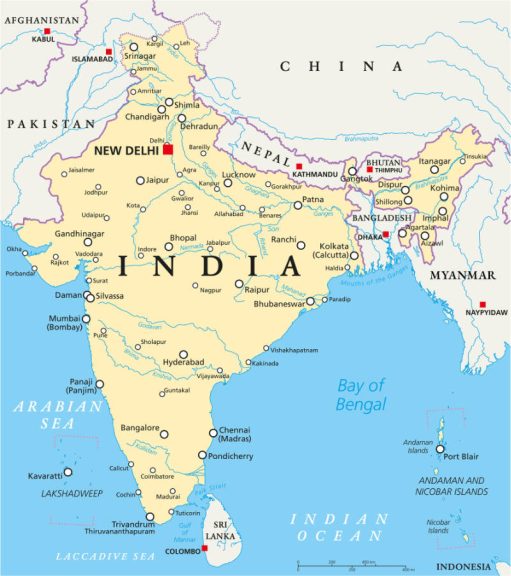
India Map

India has already entered the top ten largest buyers of Russian agricultural products, according to Ilya Ilyushin, the head of Agroexport. Exports doubled last year, reaching US$2.6 billion. Ilyushin said, “We see significant potential for expanding supplies. By 2030, this could reach US$2.8 billion through shipments of vegetable oils and pulses, as well as a significant increase in exports of value-added products, in particular meat, beverages, and finished products.”

Roman Miloradov, Deputy Head of the Rosselkhoznadzor, spoke about efforts to expand access of Russian agricultural products to the Indian market. Thus, as a result of the cooperation between the two countries in 2023-2024, certificates for the export of fish and fish products, feed, leather raw materials, sheep wool, and goat down from Russia to India were agreed upon. “I would like to note with special gratitude the agreement reached in 2023 with the Ministry of Fisheries, Livestock, and Dairy of India on the possibility of supplying pork, poultry meat, and hard cheeses under one-time permits. Based on the results of the examination of the questionnaires, 23 Russian enterprises for the production of meat, dairy, and egg products have now been approved,” Roman Miloradov said.

Roman Babushkin, the minister-counsellor at Russia’s embassy in India, said there is every reason to expect that agriculture will become one of the leading areas contributing to the growth of bilateral trade to US$100 billion by 2030, saying, “This task was set by the countries’ leaders.”

Russia and India may establish joint cultivation of some types of pulse crops, for which demand on the Indian market is high.

“India is one of the world’s largest consumers and producers of legumes. Despite the Indian government’s measures aimed at developing the production of leguminous crops, the country has not achieved full self-sufficiency in this category of products and is forced to import significant amounts.

During the negotiations with Indian companies, the Union confirmed its readiness to become a reliable partner in ensuring stable supplies of Russian leguminous crops and proposed launching a joint program to grow certain species of particular interest to Indian consumers,” United Grain Company (UGC) said in a press release.

Further Reading

Russia Becomes Top Five Source Of Agricultural Products To India

Russian Tourist Visits To Vietnam Double

Published on October 2, 2025

Russian tourist arrivals in Vietnam doubled last year, according to Vyacheslav Volodin, the Russian State Duma speaker of the house. Volodin is paying an official visit to Vietnam as the head of a State Duma delegation and stated, “We can see the interest of Russian citizens in Vietnam growing. The number of tourists doubled last year.”

He was speaking at the fourth meeting of the Commission for Inter-Parliamentary Cooperation between the State Duma and the Russian National Assembly.

However, he made some observations: “A legal foundation needs to be laid for a more dynamic development of this destination, which citizens of both countries will gain. This requires that parliament members do a more effective job so that people who choose to spend their vacations in Vietnam or Russia lack for nothing.”

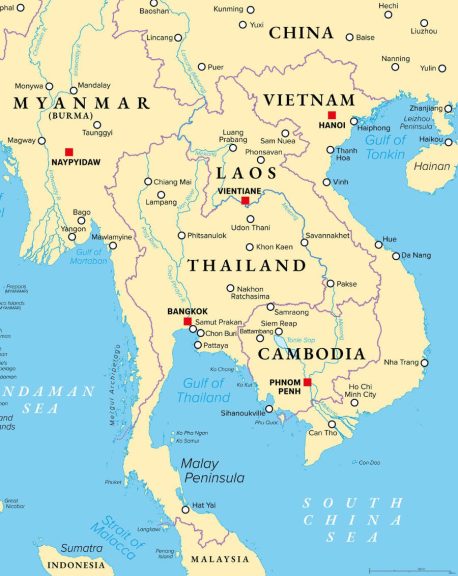
Vietnam Map

Demand for learning the Russian and Vietnamese languages has also grown, Volodin said. “A lot is being done in this area. We believe it would be right to expand humanitarian cooperation, including that in education, culture, and tourism. This is particularly important as 2026 has been declared a year of Russian-Vietnamese cooperation in science and education.”

Further Reading

Russian Tourists and Digital Nomads Favouring Vietnam

Russia Targets Dairy Export Increases To Africa, the Middle East & Asia

Published on October 2, 2025

Russia intends to strengthen the presence of its dairy products in the markets of Africa, the Middle East, and Southeast Asia, according to Ruslan Alisultanov, the head of the export committee of the National Union of Milk Producers (Soyuzmoloko) and chairman of the board of directors of Health & Nutrition.

Alisultanov said, “I see the task of the export committee as building closer interaction with government bodies, public organizations, and exporters in order to strengthen the presence of Russian products in the markets of Africa, the Middle East, and Southeast Asia; removing regulatory barriers between partner countries; and increasing the share of dairy products in Russian exports.”

According to Agroexport center data, Russian dairy product exports increased 18% in monetary terms in 2024 and rose 16% between the beginning of 2025 and mid-August. In addition, supplies of some product types have increased several times over.

Soyuzmoloko General Director Artem Belov added, “The development of dairy product exports remains one of the strategic directions in the broader context of the dairy industry’s development. For this, developing proposals to improve the system of state export support, promoting dairy products in foreign markets, and reducing trade barriers seem very important. It is these tasks that the newly formed export committee within the union’s structure will deal with.”

There are significant opportunities. Dairy consumption in Africa is significantly lower than the global average, with consumption around 37 liters per capita annually, though it is increasing due to urbanization, population growth, and rising income levels. While there is high demand, local production struggles to keep up, leading to significant imports of processed and imported milk to meet consumer needs.

Dairy consumption in the Middle East is steadily increasing, driven by a growing population, rising urbanization, increased health consciousness, and a burgeoning middle class seeking healthier food options. Whole fresh milk is the dominant category, but there’s also a growing demand for value-added products like yogurt and cheese. Major markets include Turkey, Iran, and Egypt, with Saudi Arabia and the UAE also showing significant growth and focusing on local production and import of high-quality dairy.

Dairy consumption in Southeast Asia is characterized by low per capita intake but significant growth potential driven by economic development, rising disposable incomes, and the adoption of Westernized diets, particularly in countries like Vietnam and the Philippines. However, domestic production often lags behind demand, leading to a heavy reliance on imports to meet consumer needs.

Further Reading

Russia Begins First Dairy Exports To Malaysia

Taiwan Becomes Largest Importer Of Russian Naphtha For Semiconductor Manufacturing

Published on October 2, 2025

Taiwan has become the world’s biggest importer of Russian naphtha, a petroleum derivative used to make chemicals needed for the semiconductor industry, although it has joined other sanctions against Russia and considers itself an ally of Ukraine. The findings come from a report published by the Centre for Research on Energy and Clean Air, a Finnish think tank.

Naphtha is a crude oil product that is used to make chemicals required for manufacturing semiconductors, electronic components that are the backbone of Taiwan’s economy and which are vital for global industry.

In the first half of 2025, Taiwan imported US$1.3 billion worth of Russian naphtha, and average monthly imports reached a level nearly six times higher than the 2022 average. Compared to the first half of 2024, Taiwan’s naphtha imports this year increased by 44%. Taiwan imports about 97% of its energy.

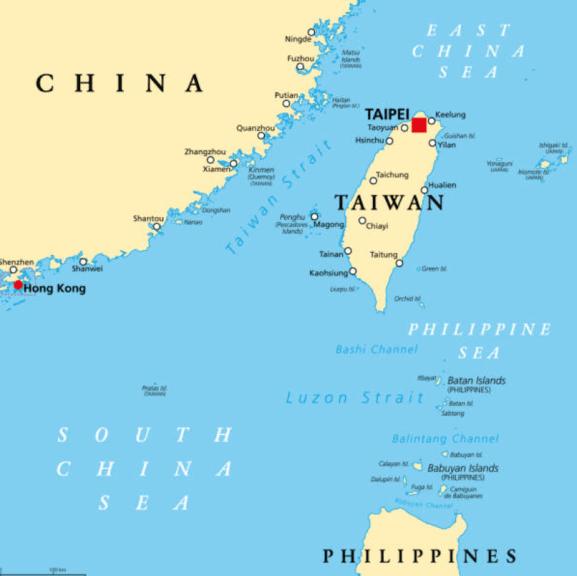
Tiwan Map

After the Russian special military operation began in 2022, Taiwan joined international sanctions against Moscow. It has also imposed export controls to prevent the island’s hi-tech equipment from being used by Russia’s military.

However, since February 2022, Taiwan has imported 6.8 million tonnes of Russian naphtha, worth US$4.9 billion, equal to 20% of Russia’s total exports of the product.

Despite joining other sanctions against Russia, Taiwan, which is overwhelmingly reliant on imports for its energy needs, has not imposed restrictions on purchases of Russian fossil fuels.

Analysts said that Taiwan’s purchases of Russian oil should not be over-interpreted. John Lough, the head of foreign policy at the New Eurasian Strategies Centre, said that “This looks like opportunism by Taiwan’s petrochemical industry.” The situation underscores inherent problems with imposing sanctions. Firstly, they often reveal unthought-out additional problems within global manufacturing structures—if Taiwan were to sanction naphtha, the global electronics sector would be badly hit. Secondly, other countries will always seek to take advantage of sanctions policies for their own use by simply substituting alternatives.

Russia, Venezuela Bilateral Relations: 2025 Update As United States Continues To Threaten Caracas

Published on October 1, 2025

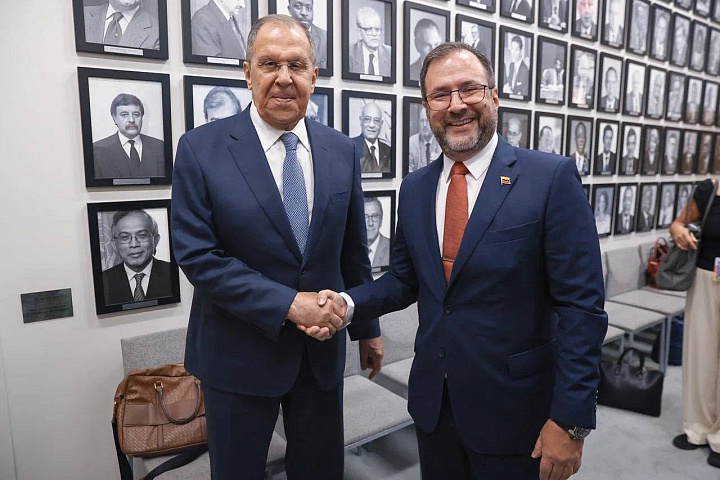
The Russian Foreign Minister, Sergey Lavrov, has met with Yván Gil, the Foreign Affairs Minister of Venezuela on the sidelines of the 80th Session of the UN General Assembly in New York.

During the discussions, the parties acknowledged the convergence of Russian and Venezuelan perspectives on the majority of issues concerning the contemporary global agenda. Further measures to enhance foreign policy coordination across multilateral platforms, particularly within the Group of Friends in Defence of the Charter of the United Nations were also discussed.

Lavrov underscored the categorical unacceptability of coercive measures against sovereign states as a means of foreign policy. He expressed solidarity with the Venezuelan leadership amidst escalating external threats and attempts at interference in internal affairs, reaffirming Russia’s unwavering support for Caracas’ endeavors to uphold national sovereignty.

Venezuela is currently being threatened by the United States, under the remit of suppressing its drug trade, but widely considered to be moves to dethrone the current Venezuelan President Maduro and the existing government. It is possible that the United States could invade, although both Russia and China have said they would help defend Venezuelan territory if necessary. Russia is believed to have sent fighter jets and pilots to Venezuela. The Venezuelan President Nicolas Maduro has said he is preparing to declare a state of emergency to protect his country in the event of an attack by the United States. US warships are currently stationed off the Venezuelan coast. Venezuela possesses the world’s largest oil reserves, estimated at 303 billion barrels as of 2024, about five times more than the United States and about 18% of the global total.

Sergey Lavov with Yván Gil

In trade, the ministers noted the dynamic progress in strategic partnership relations between Moscow and Caracas, agreeing to persist in fostering their comprehensive strengthening with a focus on deepening political dialogue and expanding trade, economic, investment, scientific, and technological ties, as well as broadening cultural, humanitarian, and educational exchanges.

Russia and Venezuela signed a strategic partnership agreement in May this year to expand cooperation across key economic sectors.

The document outlines cooperation on global and regional security, counterterrorism, and sets a long-term course for deeper ties in areas including the economy, energy, investment, mineral extraction, transport, telecommunications, healthcare, and culture.

The Kremlin stated at the time that the agreement “involves the entire agenda. Venezuela is our partner, and that is why there is cooperation in a number of areas. Specific cases were discussed: energy, oil affairs, projects related to various aspects of energy interaction, projects related to the establishment of production, the activity of Russian companies in the Venezuelan market, and the interest of Russian companies in investments in Venezuela.”

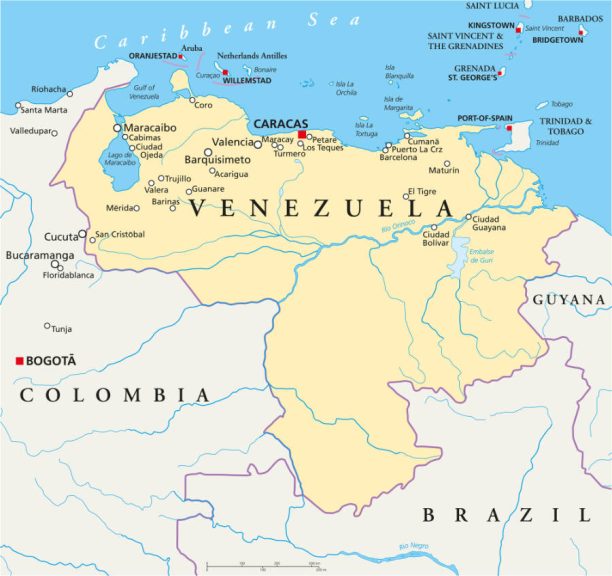
Venezuela Map

Russia and Venezuela are also supporting Venezuela’s electric power industry to retrofit and enhance power-generating capacities and the electricity transmission and distribution infrastructure.

To evade sanctions restrictions, they are also examining an alternative system of oil transportation insurance and international recognition of insurance services, an issue that may have major repercussions for the maritime insurance and reinsurance industries. Other targeted players may join in such a scheme.

Additional specific industry and infrastructure sectors were also mentioned, including telecommunications, railway infrastructure, pharmaceuticals, and epidemiology, by supplying professional equipment, introducing advanced developments, technology transfer, and the provision of related services. Russia has significant investment plans for Venezuela.

Russia is also establishing its Glosnass satellite system in Venezuela. GLONASS will simplify navigation of land, sea, and air transport; determine the location of vehicles in emergency situations; and increase flight safety at Caracas International Airport, as well as at mountainous and remote unpaved airports in the country.

Bilateral trade between Venezuela and Russia has been increasing and reached about US$270 million in 2024, a 70% increase over the previous year.

Russia has also diversified its range of exports to Venezuela by supplying high-tech goods (machine tools and equipment) and mineral products. The share of shipments of agricultural goods to the country also increased significantly. Venezuela was the third largest importer of Russian wheat in Latin America last year.

A protocol on cooperation within the framework of the EAEU tariff preferences system was also signed. This will simplify customs procedures for the importation of Venezuelan goods to Russia that fall under the preferential regime of the EAEU (importation at 25% reduced customs duties), which will drive further growth of bilateral trade.

The main question now is the potential for US military intervention in the country, which would elicit a response from Russia and probably China as well. The situation remains tense and is illustrative of the geopolitical and military battles going on concerning global resources.

Further Reading

Post not found.

Russia, Nicaragua Bilateral Relations: October 2025 Update

Published on October 1, 2025

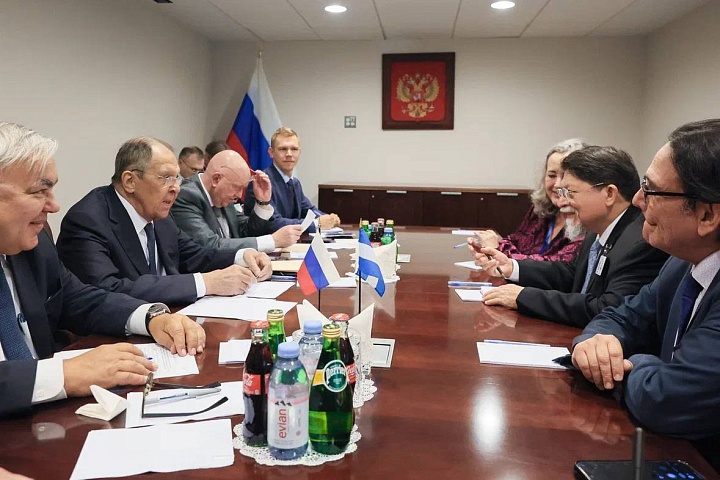
The Russian Foreign Minister, Sergey Lavrov has met with Denis Moncada, the Foreign Minister of Nicaragua on the sidelines of the 80th Session of the United Nations General Assembly in New York. 

They praised the dynamic of the mutual political dialogue and the allied nature of their interaction in the international arena to protect the principles of international law, national sovereignty and non-interference in the internal affairs of states.

They also noted their readiness to further increase the entire range of bilateral relations in their strategic partnership.

The Russian and Nicaraguan delegations

Nicaragua plays a significant role in Central America’s economic landscape, and is a member of the Central America-Dominican Republic Free Trade Agreement (CAFTA-DR) provides preferential access to the U.S. market, benefiting exports like textiles, coffee, and beef. As a member of the Central American Economic Integration System (SIECA), Nicaragua enjoys free movement of goods, services, and capital within the region, fostering greater economic cooperation. The Nicaragua-Mexico Free Trade Agreement facilitates access to the Mexican market, particularly for agricultural products and textiles. Through the EU-Central America Association of Countries FTA, Nicaragua benefits from tariff reductions and expanded access to European markets, especially in agriculture and manufacturing. Nicaragua is also part of ALADI, which promotes regional economic integration in Latin America, and the China-Nicaragua Free Trade Agreement. Nicaragua is politically supportive of Russia.

Agriculture remains a fundamental pillar of the country’s economy, with a substantial portion of the population employed in this sector. Major agricultural exports include high-quality Arabica coffee, beef, sugar, peanuts, shrimp and lobster, tobacco, cigars, and textiles, which are primarily exported to markets in the United States, Mexico, and China. The manufacturing sector, which constitutes approximately 37% of Nicaragua’s GDP, is diverse and expanding. Key industries within manufacturing include textiles and apparel, food processing, chemicals, machinery and metal products, petroleum refining and distribution, beverages, footwear, wood products, and electric wire harness manufacturing. The textile sector, in particular, benefits from preferential access to international markets through trade agreements, contributing significantly to Nicaragua’s export revenues. The services sector, with a strong emphasis on trade, transportation, and telecommunications, plays a critical role in reinforcing Nicaragua’s export-oriented economy. Trade activities represent 90% of the country’s economic output, making Nicaragua one of the most trade-dependent nations in the region. In addition, the mining sector, which has a long history in Nicaragua, continues to expand, especially in the Northern and Southern Caribbean Coast Autonomous Regions, where both metallic and non-metallic mining activities are gaining momentum.

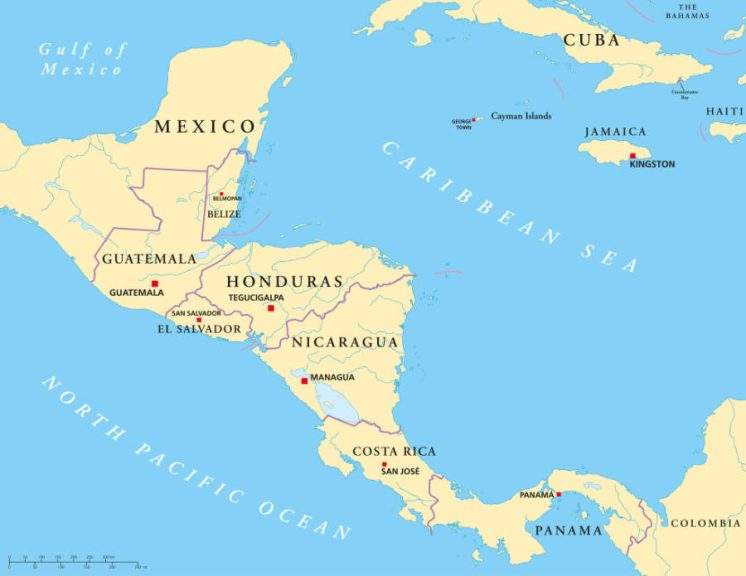
Nicaragua Map

With a population of approximately 6.4 million, Nicaragua has a GDP (PPP) of US$57 billion and a GDP per capita (PPP) of US$8,500. The expected 2025 GDP growth rate is 4%, indicating positive economic trends, driven by its key agricultural and manufacturing sectors.

Russia’s bilateral trade with Nicaragua is about US$120 million, with the bulk of this being Russian exports of nitrogenous fertilizers and vaccines, while Nicaragua exports primarily ground nuts and coffee to Russia.

Nicaragua formally recognised the new Russian regions of the Donetsk People’s Republic, the Lugansk People’s Republic, the Zaporozhye and Kherson regions, and the City of Sevastopol in late September and stated its intention to cooperate with them.

Previously, Nicaragua’s special representative for developing relations with Russia, Laureano Ortega Murillo, stated that Nicaragua plans to expand its ATM network to accept cards from Russia’s national Mir payment system, and may also begin issuing Mir cards in the future. These would dispense both Nicaraguan Cordoba and US dollar bills.

Other recent developments have included the surveying of Caribbean waters by a Russian maritime research vessel, with data on marine stocks being shared with Nicaragua and Venezuela amongst other regional nations. That can be expected to result in future fishing and port development collaborations.  

Further Reading

Post not found.

Russia, Brazil, Bilateral Relations: October 2025 Update

Published on October 1, 2025

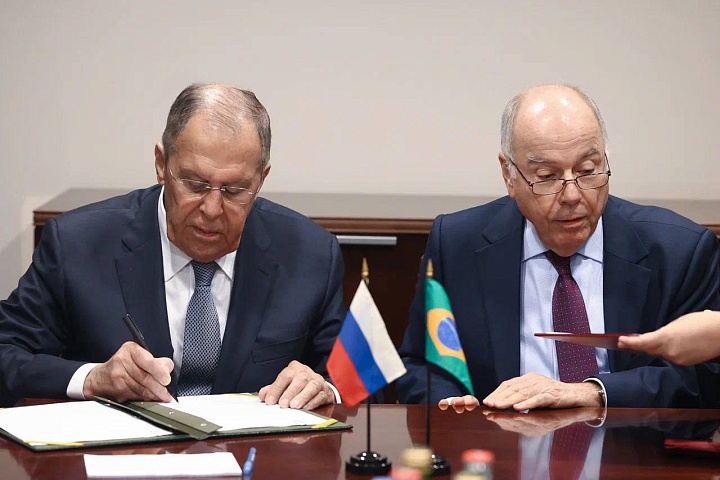
The Russian Foreign Minister, Sergey Lavrov, has met with Mauro Vieira, the Foreign Minister of Brazil, on the sidelines of the 80th Session of the UN General Assembly in New York.

They addressed the current issues pertaining to the deepening of the Russian-Brazilian strategic partnership, alongside the implementation of a schedule for bilateral contacts at various levels.

As concerns the international agenda, the ministers explored avenues for fostering their cooperation within multilateral platforms, notably within the UN and BRICS—where Brazil holds the chairmanship this year—as well as in the G20.

During the meeting, a schedule of political consultations between the Ministry of Foreign Affairs of the Russian Federation and the Ministry of Foreign Affairs of the Federative Republic of Brazil for 2026–2029 was signed.

Sergey Lavrov and Mauro Vieira

Brazil is the largest country and economy in South America and is a key player in the global economy and a regional leader in trade and investment. It is a founding member of the BRICS bloc and currently holds the 2025 BRICS Presidency. 

Agriculture and agribusiness are crucial in Brazil’s economy, making Brazil a leading global exporter of soybeans, coffee, sugarcane, and beef. In 2023, the agribusiness sector grew by 15.1%, compensating for a decline in manufacturing output. The mining sector is equally vital, with Brazil being one of the largest producers of iron ore, copper, gold, and other minerals.

The energy sector is powered by abundant resources, including oil, natural gas, and renewable energy, with hydroelectricity and ethanol being central to its energy matrix. The Itaipu Dam, one of the largest hydroelectric plants globally, highlights Brazil’s renewable energy dominance. Manufacturing also plays a significant role, encompassing industries like textiles, food processing, and cement production. Investments in transport infrastructure have fueled growth in the construction industry. The automotive industry remains pivotal, with vehicle production having increased by 7.9% in 2024. Additionally, the technology and electronics sector is expanding, supported by advancements in aeronautics, pharmaceuticals, and steel production.

As a founding member of the South American Common Market (MERCOSUR), Brazil participates in free trade with Argentina, Paraguay, and Uruguay, as well as with MERCOSUR associate members Bolivia, Chile, Colombia, Peru, and Ecuador. MERCOSUR acts as a free trade zone with elements of the customs union: a single external customs tariff on imports has been established, covering 85% of the commodity items of the customs nomenclature. In early December 2024, the European Union and the four founding countries of MERCOSUR announced the conclusion of a free trade agreement, which, once fully ratified, will create one of the largest free trade zones in the world. Besides MERCOSUR, Brazil has bilateral agreements with India, Israel, and Egypt and is an active member of the World Trade Organization (WTO) and the Latin American Integration Association (LAIA).

Regionally, Brazil has strengthened partnerships across South America, Africa, and the Middle East, particularly in agriculture and energy.

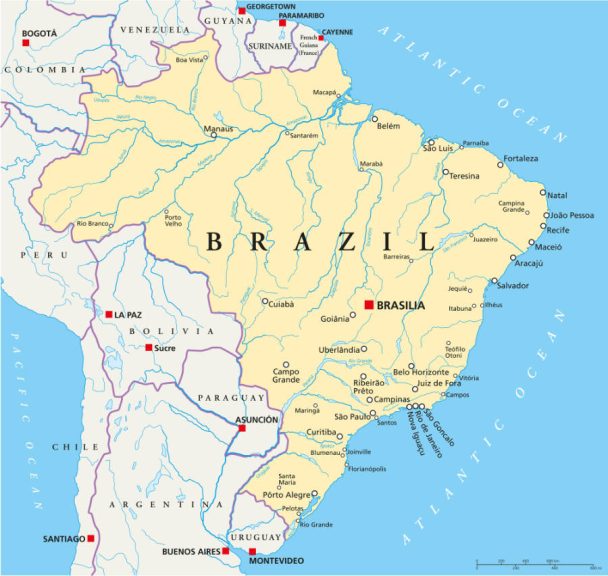
Brazil Map

With a population of approximately 206 million, Brazil’s GDP (PPP) stands at US$4.9 trillion, with a GDP per capita (PPP) of US$23,000. The economy is projected to grow by 3% in 2025.

Brazil and Russia have a rapidly growing trade relationship, with Russia also investing heavily in significant industrial sectors such as nuclear energy and uranium processing. Russian energy, agriculture, and fertilizer exports have also boomed in recent years. New Brazilian consumer products are also finding their way into Russian supermarkets, including coffee, sugar, fruits, and some dairy products, along with wines and spirits.  

The BRICS Heads of State summit that took place in Rio de Janeiro earlier in the year resulted in some typically negative reactions from the United States and Europe, with President Trump issuing 50% tariffs against Brazilian exports to the US for ‘promoting BRICS trade over the United States.’ The result has been outrage amongst ordinary Brazilians at perceived US ‘bullying.’ The Brazilian President Lula da Silva condemned the tariffs and stated that Brazil would not compromise. As a result, Brazilian coffee producers, for example, had their planned investments into Russia and China markets accelerated and sold most of their outstanding crops to BRICS markets instead. The price of coffee in the United States, meanwhile, has doubled. 

Brazil has also been taking additional steps to decrease its exposure to US trade. With the European Union taking steps to decrease its imports of Russian oil, the US stepped in to fill the supply gap but did so partially by reducing its exports to Brazil. That resulted in Brasilia buying diesel oil from Russia – a new policy that has also resulted in increased   Russian oil supplies.

In other energy sectors, bilateral cooperation has also been growing. Rosatom won a contract to process Brazilian raw uranium earlier this year, and has also tendered for the construction of a variety of NPP, including floating plants, in Brazil.    

In 2024, Brazil and Russia saw a significant 20% year-on-year increase in bilateral trade, reaching a record US$13 billion. With increasing Russian investment in key sectors, in addition to the expansion of shipping routes to Brazil, bilateral trade can be expected to remain a high-growth sector. This is illustrated by an increasing divergency in trade and investment. As examples, Russia is exporting gluten to Brazil, has won the rights to export fish to Brazil, and are investing in the local software sector. Bilateral trade growth remains positive.  

Related Reading

Post not found.

Russia, Bolivia Bilateral Relations: October 2025 Update

Published on October 1, 2025

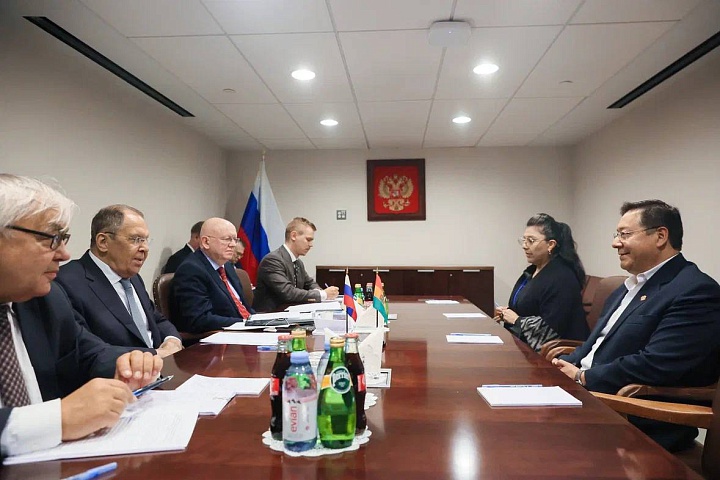
Russia’s Foreign Minister, Sergey Lavrov, has met with Luis Alberto Arce Catacora, the President of Bolivia, on the sidelines of the UN General Assembly in New York.  

The parties discussed the current state of bilateral cooperation in various areas, including trade, the economy, and the implementation of investment projects, as well as current issues on the global and regional agendas.

They confirmed their interest in further strengthening coordination between Russia and Bolivia at the UN and other international venues.

The Russian and Bolivian delegations 

Bolivia’s economy is diverse, with mining playing a pivotal role. The country is a significant global producer of tin, silver, zinc, and lead and is investing heavily in lithium extraction, given its vast reserves in the Salar de Uyuni.

Agriculture and agribusiness also contribute substantially to Bolivia’s economy, with soybeans and quinoa being key exports. However, the sector has faced challenges due to fuel shortages and rising food prices. The energy sector, based on natural gas reserves, provides both domestic needs and regional exports. However, economic instability has a negative impact on it, as the Bolivian economy is heavily dependent on natural gas exports, especially to Brazil and Argentina. Lower energy prices, lower demand, and the development of alternative energy sources are putting the country’s income at risk. The development of shale gas in Argentina (the Vaca Muerta project) makes Bolivia less competitive. Manufacturing, including textiles and food processing, is another vital industry, despite facing hurdles such as limited foreign investment.

Bolivia actively engages in regional and global trade agreements. As a member of the Andean Community (CAN), it benefits from free trade with Colombia, Ecuador, and Peru. As an associate member of MERCOSUR, Bolivia has preferential trade arrangements with Argentina, Brazil, Paraguay, and Uruguay. The country is also part of the WTO, adhering to global trade practices, and participates in ALBA-TCP and LAIA, which promote regional economic cooperation. Bolivia has signed preferential trade agreements with Chile and Mexico and is deepening trade ties with China, focusing on natural resource exports and infrastructure development through initiatives such as the Belt and Road Initiative. Bolivia became a BRICS Partner in 2024.

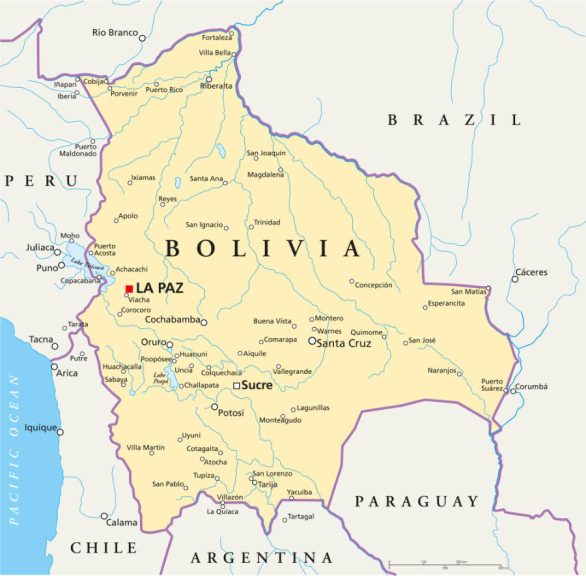
Bolivia Map

With a population of approximately 12.3 million, Bolivia has a GDP (PPP) of US$125 billion and a GDP per capita (PPP) of US$10,340. Economic growth for 2025 is projected at 2.2%.

Bilateral trade with Russia has experienced notable variations and is currently running at about US$100 million; however, Bolivia’s participation in BRICS is expected to positively influence trade relations. The main products that Russia currently exports to Bolivia are vaccines, blood, antisera, toxins and cultures, medicines, and refined petroleum. The main products that Bolivia traditionally exports to Russia are carbonates, inorganic salts, coconuts, and other nuts. This can be expected to change quickly with an increasing trade in Bolivian minerals, and especially in lithium mining and extraction. 

This is the subject of ongoing political debate, as it concerns the huge lithium deposits in Bolivia, which are being developed by both Russian and Chinese investors. Russia’s Uranium One Group, a division of the state atomic energy company Rosatom, has signed an agreement with Bolivia’s Yacimientos de Litio Bolivianos (YLB) to build an industrial complex for the production of lithium carbonate in the Uyuni salt marsh in Potosi. It is based on the Russian technology of direct lithium extraction (DLE), which is an automated process without the use of evaporation ponds and allows for the production of up to 14,000 metric tons of lithium carbonate per year. The $970 million project is part of Rosatom’s broader strategy to create a vertical supply chain of components for electric vehicles, from the extraction of raw materials and the production of key components of electric vehicles to the creation of charging infrastructure and recycling of spent batteries.

Earlier, Rosatom stated that the project would be launched in the second half of 2025, but for this the contract between the parties must be approved in the Legislative Assembly of Bolivia, and difficulties arose at this stage. The agreement has faced significant political obstacles, and the country’s parliament cannot reach an agreement on approving the contract between the companies. Opposition-minded politicians insist that residents of the Potosi department, where one of the lithium salt marshes is located, are against the project and that its discussion should be conducted specifically in the region.

Lithium has become strategically vital for building electric vehicle batteries, and Bolivia’s vast reserves have attracted significant interest from global powers seeking to secure their own lithium supply chains.

This project aligns with Rosatom’s strategy to build a complete supply chain for energy storage, encompassing metals, processing, and the production of batteries and energy storage systems, and supports Russia’s goal of developing a mass production of electric transport, including the necessary infrastructure and components like storage batteries and motors.

The deals with both Russian and Chinese companies are facing US-led scrutiny regarding transparency and the long-term benefits for Bolivia, as well as questions about the environmental impact and operational responsibilities. Bolivia’s admission to the BRICS trade bloc has fuelled interest in its lithium reserves from other BRICS members, raising questions about the geopolitical implications of these resource partnerships with Bolivia caught in a struggle between Western powers and emerging economies over who gets access. 

Rosatom is working in Bolivia to build a nuclear research and technology center in El Alto. This includes a research reactor, a preclinical cyclotron-radio-pharmacological complex, and a multipurpose irradiation facility. The research reactor is a pool-type, 200 kW pressurized water reactor developed by Russia’s Research Institute of Atomic Reactors. It is designed to operate at an altitude of over 4,000 meters, making it the world’s highest nuclear facility.

Further Reading

Post not found.

Russia, St.Vincent & Grenadines Bilateral Relations: October 2025 Update

Published on October 1, 2025

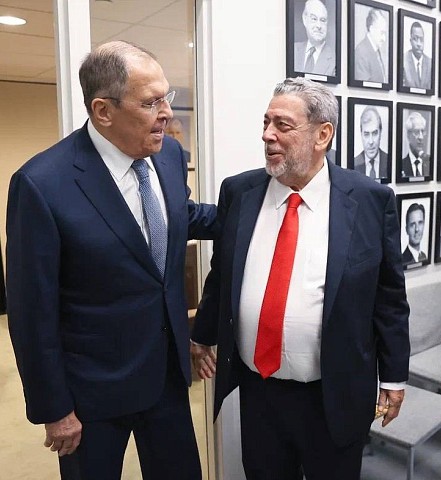
The Russian Foreign Minister, Sergey Lavrov, met with Ralph Goncalves, the Prime Minister of Saint Vincent and the Grenadines on the sidelines of the 80th session of the UN General Assembly in New York.

The ministers had a candid and constructive exchange of views on key international issues, including the current situation in Latin America, as well as ways to develop bilateral cooperation in the political, trade, economic, cultural, and humanitarian spheres, and aspects of interaction within the UN and its specialised agencies.

Sergey Lavrov and Ralph Goncalves

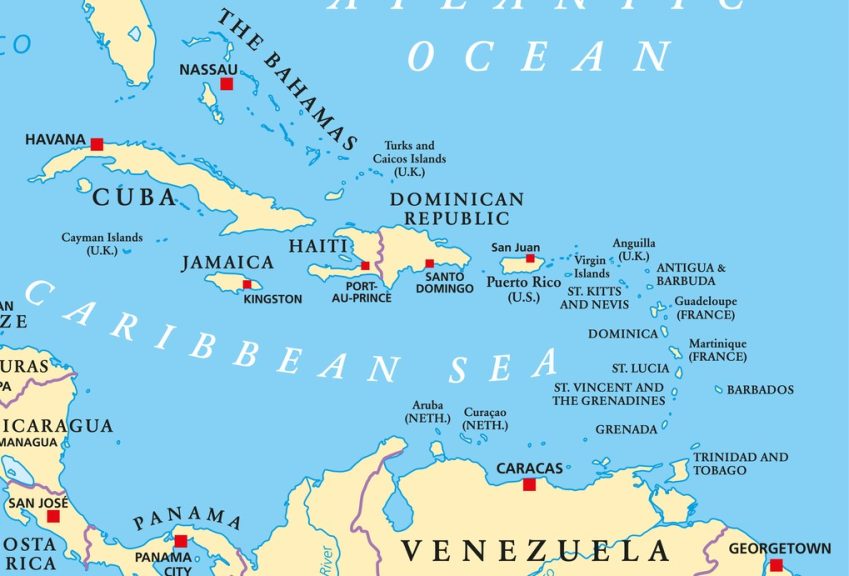
St. Vincent and the Grenadines is an island country in the eastern Caribbean. It is located in the southeast Windward Islands of the Lesser Antilles, which lie in the West Indies, at the southern end of the eastern border between the Caribbean Sea and the Atlantic Ocean.

It has a population of around 110,872. The majority of its people are descendants of enslaved Africans brought by France and then later Great Britain, which contested the islands during the 18th century. The islands were a British colony from 1783 until 1979, when it gained independence. It is part of the Commonwealth of Nations and is a Commonwealth realm, with King Charles III as its official head of state and the ultimate legal authority in London.

St Vincent Map

Saint Vincent and the Grenadines is a member of the Organisation of Eastern Caribbean States, CARICOM, the Bolivarian Alliance for the Americas, and the Community of Latin American and Caribbean States (CELAC).

Russia’s interest lies in its overall diplomatic strategy and reciprocal support at the international level, while Russian ships have also been surveying the Caribbean seas to assess fish stocks. That data is being shared with local island nations and may result in potential bilateral agreements concerning fishing rights and exports to Russia.

Local agriculture is dominated by banana production, and the most important sector of St. Vincent’s lower-middle-income economy. The services sector, based mostly on a growing tourist industry, is also important. There may be later developments in Russian fertilizer exports, banana imports and within the tourism sector.

Further Reading

Post not found.

Russia-India Bilateral Relations: September 2025 Update

Published on September 30, 2025

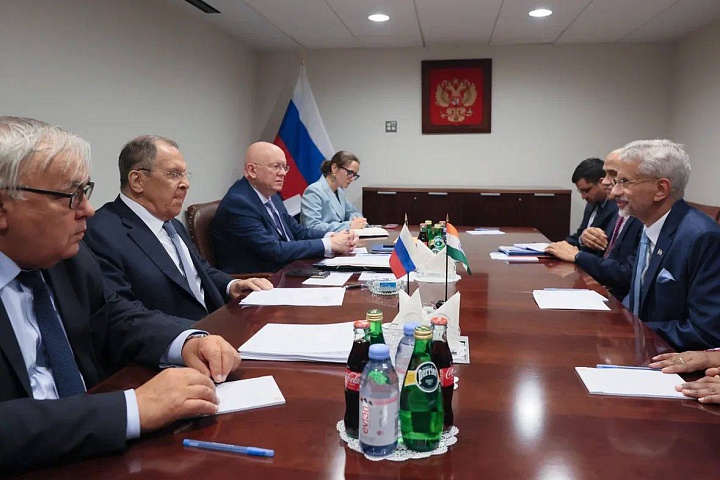
The Russian Foreign Minister, Sergey Lavrov, has met with Subrahmanyam Jaishankar, the Indian Minister of External Affairs, on the sidelines of the 80th Session of the UN General Assembly in New York.

They discussed pivotal issues concerning bilateral collaboration, including preparations for the forthcoming Russia–India summit, to be held at this year’s end. They also scrutinised pressing topics on the international and regional agenda, notably the situation surrounding Ukraine and developments in the Palestinian–Israeli conflict, in addition to the US secondary tariffs against India and EU sanctions threats.

The parties concurred in their commitment to further fortify their specially privileged strategic partnership and to augment cooperation within multilateral platforms, particularly in the G20, BRICS, and the Shanghai Cooperation Organisation. In terms of energy, Russia and India signed a ten year contract nine months ago year for Indian refiners to process Russian oil. That product is then sold onto international markets—including the EU.

The Russian and Indian delegations

Russia-India trade and diplomatic ties have grown exponentially since 2021, with bilateral trade hitting record highs, and mutual cooperation on a global scale also influencing international affairs. At the UN, Russia is pushing for India to be a member of the UN Security Council, while India has also resisted Western calls for it to cease buying Russian oil. The Indian economy is booming, with both the Asian Development Bank and the Organization for Economic Co-operation and Development projecting a 2025 GDP growth rate of about 6.7%, a huge global economic driver for a country with a population of 1.5 billion. India is also in the process of negotiating a Free Trade Agreement with the Eurasian Economic Union. 

While much of India’s bilateral trade with Russia has been focused on oil imports, there are strong efforts to diversify and these appear to be having significant effects. Russia cooperates with India in the production of  military aircraft and naval vessels to India, while cooperation is also taking place in Indian shipbuilding

Trade diversification is manifesting itself in other ways, especially as Indian oil purchases are leaving Russia with huge volumes of Rupees, which it has found difficult to offload given the smaller volume of Indian exports to Russia. However, Russia has instead been buying into the Indian industrial sector, one example being Rusal’s acquisition of 26% of India’s Pioneer Industries for US$243.75 million earlier this year. That has allowed Russia’s aluminum industry access to guaranteed supplies.

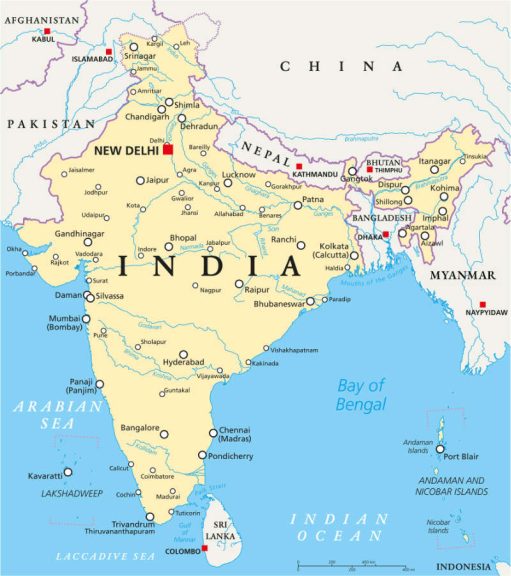
India Map

Bilateral trade is also growing in other sectors. Russia became one of India’s top five global suppliers in agricultural produce earlier this year, while India has begun exporting record volumes of meat to Russia.

In addition, Russian exports of fertilizers and mineral waters to the Indian market have also shown substantial growth. 

This trend will likely continue as infrastructure connectivity is also improving, with new routes such as FESCO’s shipping lines between Novorossiysk and Mumbai showing annual increases of 30% in trade volumes. Russian railways is also involved in railway infrastructure development in India. Financial connectivity to support trade development is also happening, with Sberbank  recently being given an Indian operating license.  

In 2024, Russia and India achieved a record bilateral trade turnover of US$70.6 billion, marking a 9.2% increase compared to 2023. Russian exports to India reached US$65.7 billion, while Indian exports to Russia were US$4.9 billion. This surge in trade is partly attributed to the International North-South Transport Corridor (INSTC) and a strategic partnership, and can be expected to continue.

Further Reading

International Commodity & Futures Exchange Combining Russia, Kazakhstan, Uzbekistan, India, Iran & China Launched

Russia, Thailand Bilateral Relations: September 2025 Update

Published on September 30, 2025

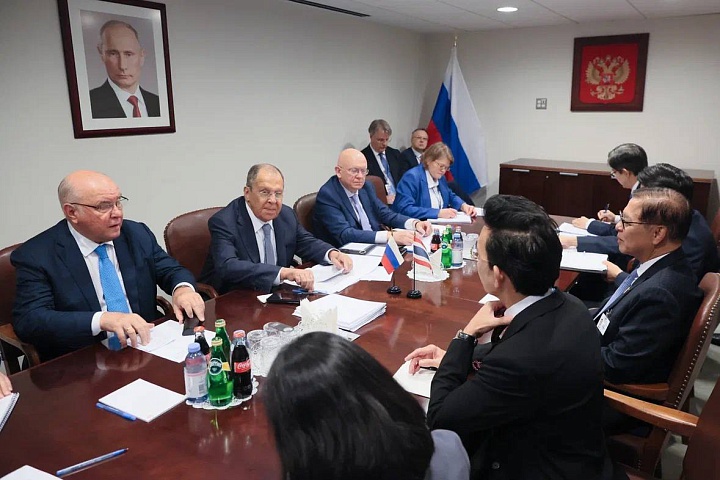
Russia’s Foreign Minister, Sergey Lavrov, met with Sihasak Phuangketkeow, the Minister of Foreign Affairs of the Kingdom of Thailand, on the sidelines of the 80th session of the UN General Assembly in New York.

During the conversation the parties discussed the prospects for developing Russian-Thai cooperation in priority areas, including the advancement of political dialogue, promotion of trade and economic ties and humanitarian exchanges, as well as coordination of efforts at international platforms. The ministers also exchanged views on the current issues on the global and regional agendas.

The Russian and Thai delegations

Thailand is one of the major ASEAN economies and has recently become a BRICS Partner Nation. Bilateral trade with Russia has been growing, particularly in the agricultural sector.

Thailand has a diverse economy with key industries that drive its growth. Agriculture remains important, with Thailand being one of the world’s top exporters of rice, rubber, seafood, and tropical fruits. The manufacturing sector is also strong, particularly in electronics, automotive, and textiles. Thailand is a major producer of electrical appliances, computer components, and vehicles, especially commercial ones. Tourism is another significant part of the economy, attracting millions of visitors each year, which supports hotels, restaurants, and other service industries. In energy, Thailand mainly relies on natural gas for electricity but is working on increasing renewable energy sources. Looking to the future, Thailand is focusing on industries like next-gen cars, smart electronics, medical services, and biotechnology, with plans like the Eastern Economic Corridor (EEC) driving growth in these areas.

Thailand is also a member of the Regional Comprehensive Economic Partnership (RCEP), which went into effect in early 2022 and is the most recent of Thailand’s 14 free trade agreements with 18 nations. Thailand is also negotiating FTAs with the Bay of Bengal Initiative for Multi-Sectoral Technical and Economic Cooperation (BIMSTEC) Free Trade Area, the Thailand-European Union Free Trade Agreement, the Thailand-Pakistan Free Trade Agreement, and the Thailand-Turkiye Free Trade Agreement. From January 1st, 2025, it became a BRICS partner nation.

Thailand has an area of 513,120 sq km and a population of 65.9 million. It has a GDP (PPP) of US$1.857 trillion, a GDP (PPP) per capita of US$26,416, and a projected 2025 GDP growth from the Asian Development Bank of 2.8%.

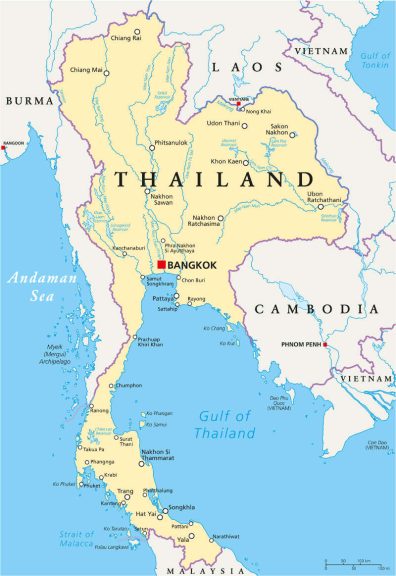
Thailand Map

Thailand holds a strategic position in Southeast Asia for Russia, acting as a gateway to the broader ASEAN region and notable for being the region’s second-largest economic power. Recognizing this, Russia inaugurated a consulate in Phuket in July 2023, underscoring its keen interest in bolstering trade relations with the country, which is also popular with Russian tourists, some of whom establish small businesses.

Thailand, along with numerous other Southeast Asian nations, has refrained from imposing sanctions on Russia, acknowledging its role as a crucial trade partner. Furthermore, Russia plays a central role in Thailand’s foreign policy, which is increasingly focused on diversifying its international relationships. However, despite these dynamics, the bilateral trade between Russia and Thailand has experienced a substantial decline, which has not been caused solely by the conflict in Ukraine but rather illustrates the overall challenges—distance and the lack of viable trade routes—that Russia is facing in redirecting its trade focus towards Asia.

Russia typically traded with Thailand via the Suez Canal, but military activities in the Red Sea have made this route unworkable for the time being. Instead, Russia is looking to expand its Eastern Maritime Corridor via Vladivostok to India and Southeast Asia to include Thailand’s ports. New shipping lines have also been introduced between Novorossiysk and Bangkok.

This illustrates the mutual desire to improve trade, with Russia’s Agroexport Centre suggesting that Russian agricultural exports have the potential to increase by a multiple of five times. Similarly, Thai products such as canned coconut milk and other condiments, as well as seafood such as prawns, are now finding their way into Russian supermarkets.        

Illustrating this, Russian exports of agricultural products to Thailand doubled in 2024. Russian exports of wheat flour and frozen fish saw the strongest growth, increasing by 100% and almost 80%, respectively. Russia has also begin exporting mineral waters to the Thai market.

Trade with Russia in 2021 stood at US$2.3 billion but declined to around US$1.5 billion in 2024. That suggests a recent negative trend; however, a desire by both sides to correct this should result in improvements, with the BRICS potential actively looking to expedite bilateral trade growth.

Further Reading

Post not found.