News

Russia, Singapore Bilateral Relations: September 2025 Update

Published on September 30, 2025

The Russian Foreign Minister, Sergey Lavrov, has met with Vivian Balakrishnan, the Minister for Foreign Affairs of the Republic of Singapore, on the sidelines of the 80th Session of the UN General Assembly in New York.

The parties discussed the state of and prospects for bilateral relations against the backdrop of the prevailing international and regional situation. Key priorities for advancing Russia’s engagement with ASEAN were also reviewed.
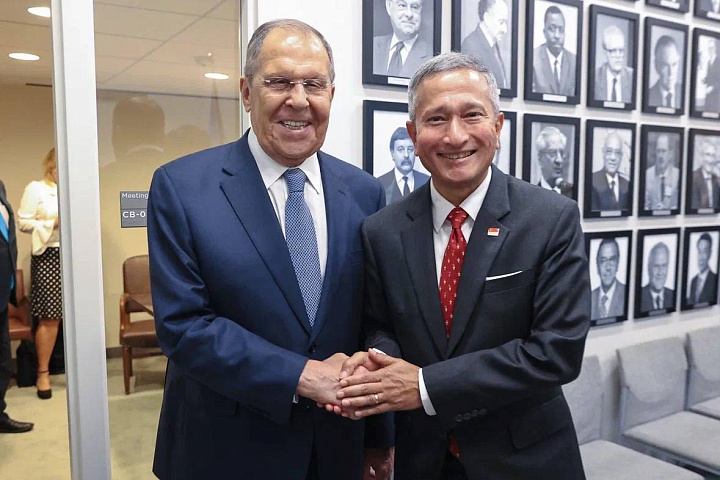
Sergey Lavrov and Vivian Balakrishnan

Singapore is the de facto financial and services hub for the ASEAN region and has been following Western sanctions against Russia, although there are signs this is now fading out. The two sides discussing normalising their bilateral trade relations earlier in the year. While Singapore is the wealthiest member of the ASEAN bloc, its own market economy is small at about 6 million, and its manufacturing sector needs to expand overseas to continue to grow.

Singapore had in 2019 been discussing a Free Trade Agreement with the Eurasian Economic Union and a Framework Agreement on Comprehensive Trade and Economic Cooperation. In 2022, all domestic procedures necessary for the entry into force of these agreements were terminated, but there is hope that they will resume.
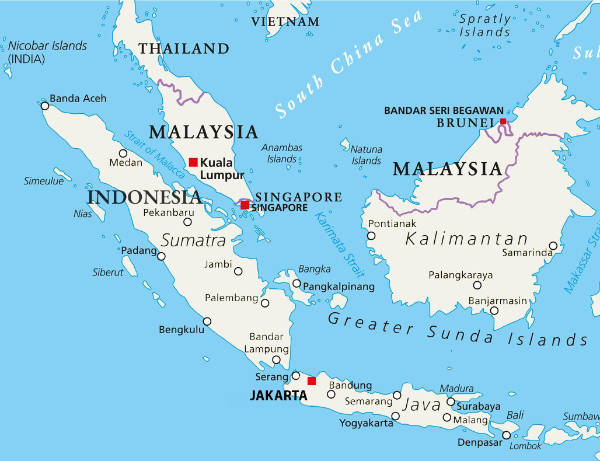
Singapore Map

Singapore’s main exports include electronics, chemicals, and services. Key exports include electronics, chemicals, and services, and Singapore is also a regional hub for wealth management and banking. Water is scarce in Singapore, and a sizeable percentage of water is imported from Malaysia; therefore, it is defined as a precious resource. Given its small domestic market, Singapore depends on imports for food, energy, and industrial raw materials.

Singapore places the highest priority on the multilateral trading system embodied by the World Trade Organization (WTO). The country, Singapore, also promotes trade initiatives in regional frameworks like the Association of Southeast Asian Nations (ASEAN), Asia Pacific Economic Cooperation (APEC), and Asia-Europe Meeting (ASEM), as well as bilateral Free Trade Agreements (FTAs), in order to boost the multilateral trading system and quicken the pace of trade liberalization. With commercial partners, it has aggressively sought a few legally binding agreements. Recognizing that regional economic integration is a dynamic and continuous process, the ASEAN Economic Community (AEC) has launched the AEC Blueprint 2025, which lays out the strategic measures pertaining to partnership arrangements with the private sector and industry associations. The AEC’s goal is to create a single expanded market of 600 million people.

Agricultural and farming trade with Russia has been improving this year, with Russian exports of poultry meat, and sunflower oil all increasing. Singapore shipping lines have been inserting themselves into the Russia-China-Asia supply chains along the Northern Sea route.   

Singapore is perceived as a ‘city-state’ due to its small area of 734.3 sq km holding a population of 6 million. It has a GDP (PPP) of US$890 billion and a GDP (PPP) per capita of US$89,000, while 2025 GDP growth has been projected to be about 2.4%.

In 2021 Singapore’s trade with Russia stood at US$2.47 billion; however, despite Singaporean sanctions and the official alignment with the West, this has increased to about US$4.18 billion in 2024. Reports indicate that Russia’s refined oil product exports to Singapore reached record levels in May 2024.

There are also signs that the sanctions postponed the Singapore-Eurasian Economic Union Free Trade Agreement, which was suspended in 2022, and may be in the process of being reactivated—the Kazakhstan senate ratified the agreement in December 2024, which they would not have done if it was not considered viable. Singapore, with its small landmass and wealthy population, also needs to diversify its economy beyond ASEAN—developing relations with the EAEU had previously been seen as potentially highly positive for its high-end exporters.       

While Singapore’s economic ties with Russia are limited, the imposition of sanctions and export controls has failed to fully influence bilateral trade flows, and the overall trend appears cautiously optimistic.

Further Reading

Post not found.
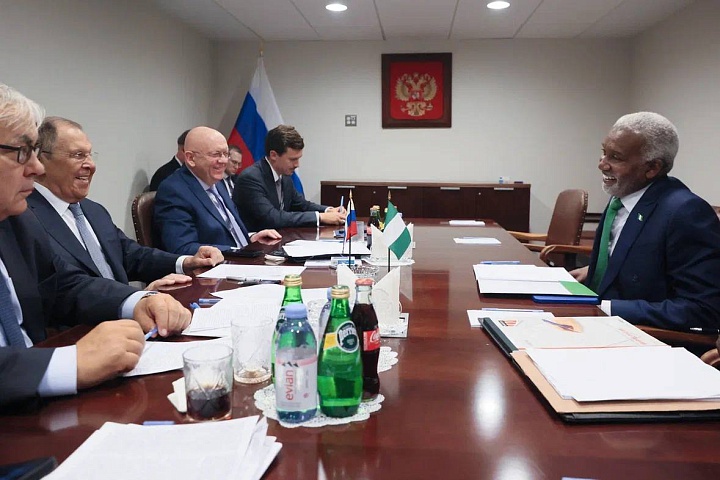
Russia, Nigeria Bilateral Relations: September 2025 Update

Published on September 30, 2025

The Russian Foreign Minister, Sergey Lavrov, has met with Yusuf Maitama Tuggar, the Foreign Minister of Nigeria on the sidelines of the 80th Session of the UN General Assembly in New York.

The discussion focused on pressing matters concerning the continued progressive development of Russian–Nigerian relations including the maintenance of an active political dialogue and the expansion of cooperation in trade, economic, investment, cultural, and other areas.

Particular emphasis was placed on Russia and Nigeria’s cooperation within the Gas Exporting Countries Forum, as well as preparations for participation in the organisation’s 27th Ministerial Meeting on October 23, 2025, in Doha.

The Russian and Nigerian Foreign Ministers

Nigeria is a key member of the African Continental Free Trade Area (AfCFTA), which is fostering intra-African trade and economic integration. As a founding member of the Economic Community of West African States (ECOWAS), the country benefits from regional trade facilitation and cooperation. Global trade agreements like the World Trade Organization (WTO), the African Growth and Opportunity Act (AGOA) with the United States, and bilateral agreements with countries such as China and India bolster Nigeria’s international trade and investment ties. Nigeria became a BRICS partner nation in January 2025.

Nigeria’s economy is diverse, with significant contributions from key industries. The oil and gas industry, Africa’s largest, contributes 7.24% to GDP and over 90% of export revenues through crude oil, LNG, and refined products. Agriculture employs 35% of the workforce and contributes 23.3% to GDP, producing cassava, yams, cocoa, and palm oil, with efforts to modernize and add value. Telecommunications and technology account for 15.5% of GDP, featuring one of Africa’s fastest-growing telecom markets and a thriving tech hub, especially in fintech. Manufacturing, at 11% of GDP, spans cement, food processing, and steel, supported by “Made in Nigeria” initiatives. Trade and services, 16.5% of GDP, include retail, finance, and real estate, while Nollywood, the second-largest film industry globally, boosts the entertainment sector. The government is prioritizing economic diversification, focusing on solid minerals, renewable energy, and infrastructure to reduce oil dependency. Urbanization and population growth are fuelling demand in construction, housing, and real estate.

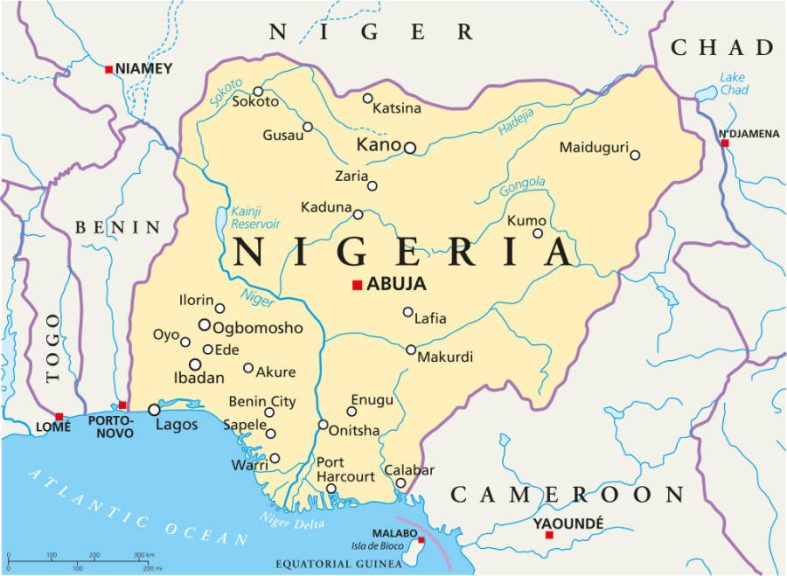
Nigeria Map

With a population of approximately 232.7 million, Nigeria has a GDP (PPP) of US$1.116 trillion and a GDP (PPP) per capita of US$5,063. GDP growth for 2025 is projected at 3.3%.

Russian companies are showing increased interest in Nigeria, for example in reviving its largest steel plant. There is also interest in investing in Nigeria’s energy sector, while Avtovaz are entering the Nigerian auto market. 

Russia’s exports to Nigeria amount to about US$1.51 billion, mainly consisting of refined petroleum, wheat, and malt, while Nigeria exports a small amount to Russia, primarily cut flowers, other oily seeds, and nuts. However, given Nigeria’s move to embrace the BRICS, bilateral trade with Russia and the other BRICS nations can be expected to grow.  

Further Reading

Post not found.
Russia, Sudan 2025 Bilateral Relations: Significant Economic Cooperation Memorandums Signed

Published on September 30, 2025

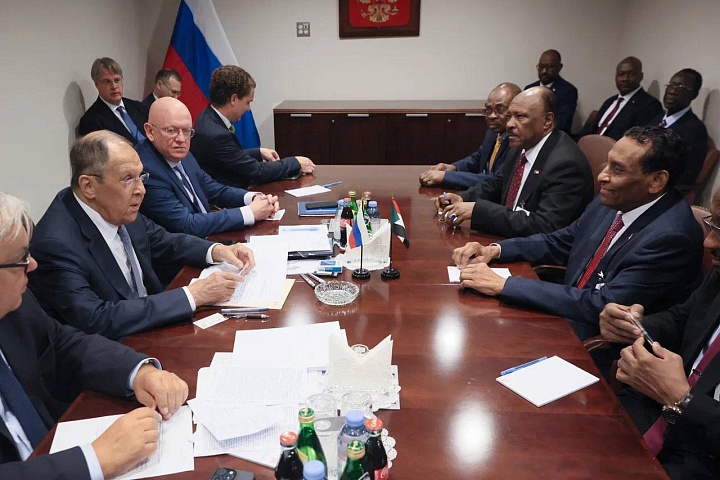
Russia’s Foreign Minister, Sergey Lavrov, met with Kamil Idris, the Prime Minister of the Republic of Sudan, on the sidelines of the 80th Session of the UN General Assembly in New York.

The discussions focused primarily on the situation in Sudan amid the ongoing military-political crisis that has persisted since April 2023. The Russian side underscored the urgent need to halt armed hostilities and initiate a post-conflict recovery process, paving the way for nationwide reconciliation.

Part of the Sudanese conflict revolves around decisions as to whether Sudan should be a secular or an Islamic state. The current ruling government, represented by Idris, favors the secular nature of government and prefers freedom of choice in matters of religion in the country.   

Various aspects of further strengthening Russian-Sudanese relations were discussed, with particular emphasis on enhancing trade and economic cooperation. Both parties reaffirmed their mutual interest in maintaining active foreign policy coordination within the UN and other international platforms.

On September 24, at a meeting of the intergovernmental commission on trade and economic cooperation, Russia and Sudan signed a memorandum on joint work in the transport sector, which involves the development of measures to modernize and re-equip railway systems, seaports, and airports and ensure the safety of civil aviation and ship navigation. The central banks of both countries have also agreed to cooperate in the field of training banking specialists.

The agreements come at a critical time for Sudan, currently grappling with the impact of protracted conflict between rival military factions. The fighting has devastated infrastructure, displaced millions of people, and pushed the economy into crisis. However, officials are confident that Russian support could help rebuild essential sectors and restore trade routes disrupted by fighting. The government has also pointed to the deal as a step towards reviving civil aviation and re-establishing Sudan as a regional transport hub.

 “Sudan highly appreciates the Russian support. Despite the difficulties the country is currently facing, the political will to further strengthen Russian-Sudanese relations remains unchanged. “We confirm comprehensive cooperation,” said the Minister of Mineral Resources of the Republic of Sudan, Noureddaim Taha.

The Russian and Sudanese delegations

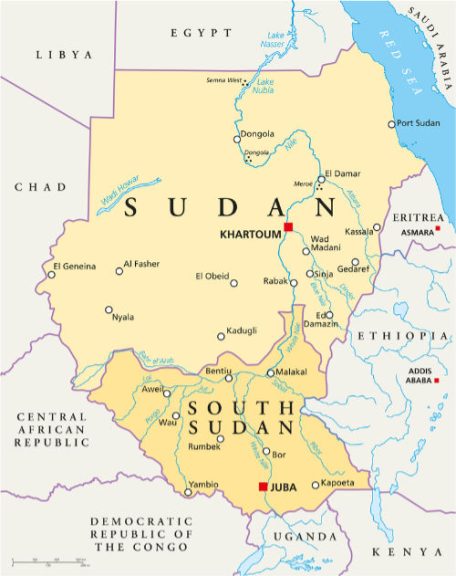
Sudan has a population of 50 million people with 1,886,068 km2, making it Africa’s third-largest country. It has a GDP (PPP) of US$178 billion and a 2025 forecast growth rate of minus 12%.

Russia and Sudan have been increasing their mutual cooperation in recent years, with Sudan offering Russia the use of its Port Sudan Naval Base on the Red Sea. That agreement is beneficial in several ways for Russia and Sudan, as it provides Russia with a foothold on the Red Sea, obtaining access to the Indian Ocean; it enhances logistical support for various Russian military units in the region; it helps mitigate threats to Russian tankers and vessels in the Red Sea and the Suez Canal zones; and it enhances Russia’s capabilities on the African continent, while elevating Sudan’s standing among neighboring countries and solidifying cooperation with Russia. The port will be used as a naval logistical support center, rather than a full military base on the Red Sea, which is politically less of a problem for Saudi Arabia.

Sudan Map

That said, as the port is also used to facilitate energy agreements between Sudanese oil companies and Russia, it has been subjected to drone attacks this year by pro-Ukrainian forces, a warning of wider involvement should Western actors wish to expand the conflict. 

In the energy sector, Russia and Sudan cooperate in the hydropower sector. In December last year, it was reported that Sudan was planning to sign several oil exploration and development agreements with Russian companies. In April of this year, the Russian companies Al Rassi International Services and Zarubezhneft signed a memorandum of understanding and cooperation with the Sudanese company Bashayer Oil Pipelines Company (BAPCO) in the field of oilfield services, the Ministry of Energy and Petroleum of Sudan reported.

The new infrastructure agreements reflect Moscow’s wider ambitions on the African continent as it continues to increase its presence in Africa through energy projects, mining concessions, arms cooperation, and financial partnerships, often positioning itself as an alternative to Western powers.

With these new agreements, Russia is expanding its footprint in Sudan and is looking for both economic opportunities and strategic access in the Horn of Africa, a region of growing geopolitical importance. Against that backdrop, Russia’s engagement with Sudan underscores how global powers are competing for influence in Africa through bilateral deals and infrastructure commitments.

Sudanese representatives welcomed the cooperation with Russia, stressing that the partnership could strengthen national development efforts and ease recovery from the current crisis. Russian officials described the agreement as part of a broader push to deepen Africa–Russia relations at a time of shifting international alignments. 

In terms of current bilateral trade, the World Bank has not released specific bilateral trade data for Sudan in 2025; however, a World Bank report from late 2024 indicates a widening trade deficit and high import requirements in 2024-2026, driven by ongoing conflict, with a potential gradual recovery in exports and domestic demand from 2025 onwards if the conflict subsides and reconstruction efforts begin. The World Bank also established a transitional office in Addis Ababa in September 2024 to manage engagements in Sudan following the closure of its Khartoum office

Further Reading

Russia, South Sudan Bilateral Relations: 2025 Update

Russia-Algeria Bilateral Relations: September 2025 Update

Published on September 30, 2025

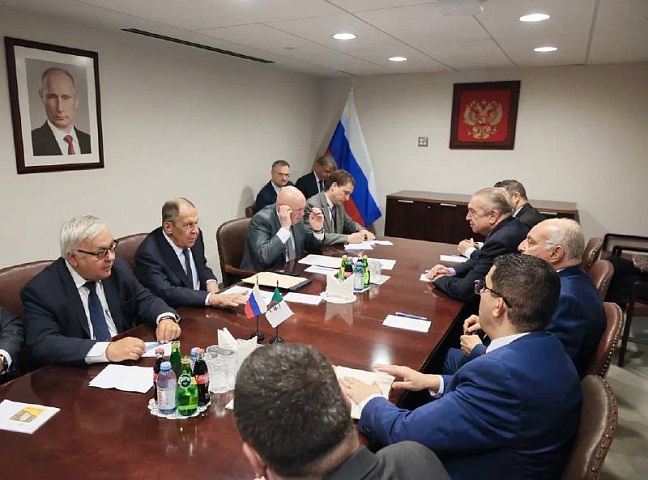
The Russian Foreign Minister, Sergey Lavrov, met with Mohamed Attaf, the Minister of Foreign Affairs of Algeria, on the sidelines of the 80th Session of the UN General Assembly in New York.

During the conversation, the parties considered the priority tasks of further strengthening relations of the enhanced strategic partnership between Russia and Algeria, expressing satisfaction with the high level of the trust-based political dialogue and established interaction in different multilateral formats, including at the UN Security Council and General Assembly platforms.

They exchanged opinions on the current issues on the global and regional agendas with an emphasis on the situation in the Middle East and the Sahara-Sahel region and underscored their readiness to continue close foreign policy coordination.

The Russian and Algerian delegations

Algeria is considered a gateway to the MENA region by Russia, as it is a member of the African Continental Free Trade Agreement as well as the Greater Arab Free Trade Area. It is also a BRICS partner nation and holds equity in the New Development Bank.

Algeria has a population of 46.81 million, a GDP (PPP) of US$826.14 billion, and a GDP (PPP) per capita of approximately US$17,770. Economic growth is projected at 4.5% for 2025.

The Algerian government has been bolstering ties with Moscow in recent years as part of efforts to diversify its economy amid deteriorating relations with France. In August last year, Algiers barred French companies from competing for a wheat import contract last October and warned participants not to supply grain produced in France. At the time, the state-owned Algerian Inter-professional Office of Cereals reportedly tendered a purchase contract for over 500,000 tons of wheat and turned to Russia as its main supplier.

In mid-January this year, French officials said that Algeria is adopting a policy that aims to significantly reduce French economic presence in the country. Trade between Algeria and France, its largest trade partner, has fallen by 30% since 2024.

Russian trade is increasing in its place, with Russian agro-industrial product exports to Algeria increasing to US$850 million in 2024. The two countries signed a trade and security agreement last year, with Algeria also applying to join the Shanghai Cooperation Organisation. Algeria is a member of OPEC, while Russia is a member of OPEC+.

The respective Chambers of Commerce and Industry of the two countries signed a cooperation agreement earlier this year providing for the exchange of economic information and data on foreign trade, as well as on the rules of doing business in each state. In addition, agreements were concluded between individual companies and associations.

Algeria Map

In the energy sector, Russia’s Gazprom has been developing the El Assel project since 2008. In 2021–22, a development plan for the Rhourde Sayah and Rhourde Sayah Nord fields was approved by the Algerian national hydrocarbons agency ALNAFT.

Algeria has invited Russian companies to bid in new tenders to develop oil and gas fields, as well as build power plants and grid infrastructure. The two sides also agreed to begin joint projects in other African countries, including electricity generation and networks, and discussed collaboration in which Russia’s energy companies could work with banking institutions in Africa.

Algeria is a major weapons buyer from Russia, as well as grains and fertilizers, with an increasing amount of investment by Russian companies in Algeria’s energy sector. 

In total, Russia-Algeria bilateral trade volumes doubled in 2024, reaching about US$2 billion. However, both sides see the potential to increase this to US$10 billion by 2030.

Further Reading

Post not found.
Russia, Chad Bilateral Relations: September 2025 Update

Published on September 30, 2025

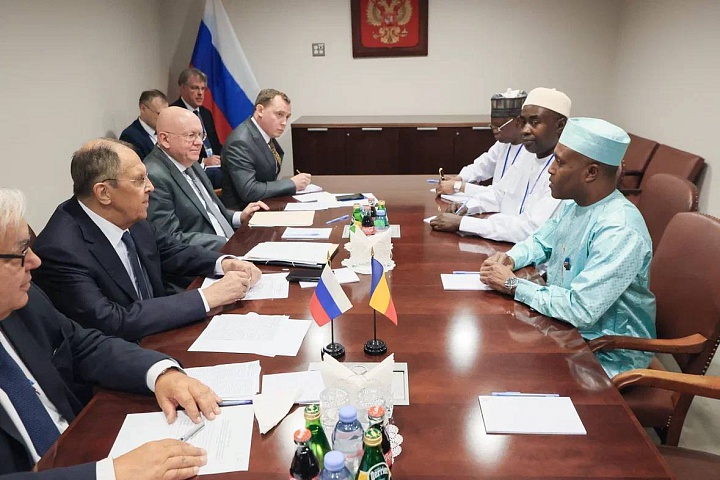
The Russian Foreign Minister, Sergey Lavrov, met with Abdoulaye Sabre Fadoul, the Foreign Minister of Chad, on the sidelines of the 80th Session of the UN General Assembly in New York.

They discussed topical issues of further developing the friendly relations between Russia and Chad with an emphasis on expanding trade, economic, scientific, technologic and humanitarian ties. They also reaffirmed the intention of Moscow and N’Djamena to invigorate their political dialogue and enhance coordination of their efforts in the world arena.

The Russian and Chad delegations

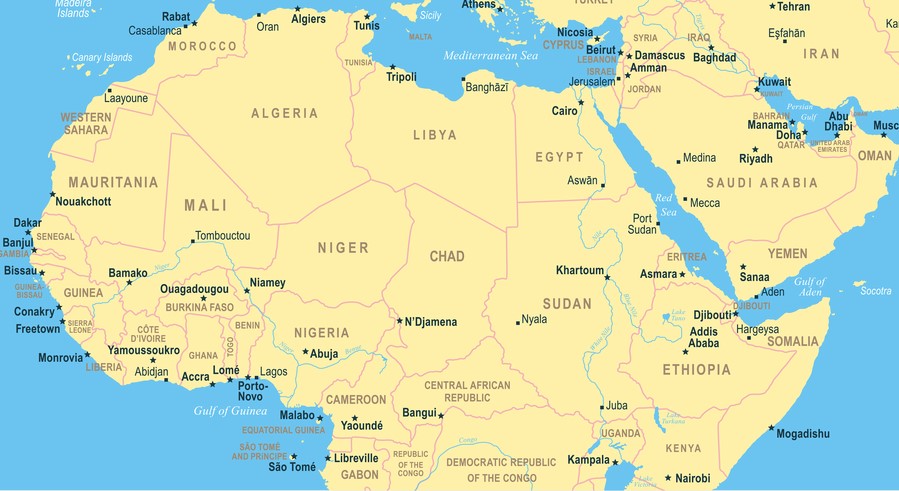
Chad sits at the crossroads of North and Central Africa, and is a landlocked country bordered by Libya to the north, with Sudan to the east, the Central African Republic to the south, Cameroon to the southwest, Nigeria to the southwest (at Lake Chad), and Niger to the west. Chad is a former French colony and has undergone problems with terrorism in its recent past, including Muslim insurgency under the Boko Haram militants. Russia is discussing military and security support, with Chad and several other African states as Russia inherits a region now distrustful of its previous colonial masters.

Chad Map

Chad is a member of the African Union, the Bank of Central African States, the Customs and Economic Union of Central Africa (UDEAC) and the Organization for the Harmonization of Business Law in Africa (OHADA).

Chad has a population of 16 million, of which 1.6 million live in the capital and largest city of N’Djamena. With a total area of around 1,284,000 km2, Chad is the fifth-largest country in Africa and the twentieth largest nation by area in the world.

With Chad being landlocked, Russia is looking for opportunities not just in security and military support, but also to look at reviving Chad’s oil industry, with its proven reserves of 1.5 billion barrels. That energy and potential income will be needed to develop Chad’s agricultural industry, which has been decimated by poor management, war, and desertification. Russian fertilizer and grain exports were also discussed.

Chad also has a significant cotton industry although again this will need infrastructural development. Cattle farming and gum arabic production are also significant industries. Mobile phone and internet usage are also well below normal African penetration rates and there are likely to be opportunities in communications infrastructure. However – getting much needed development into the country is highly dependent on maintaining domestic security. Russia’s current foreign trade with Chad is small at about US$3 million. However, both sides are looking how to provide security and stability and ways to improve this. 

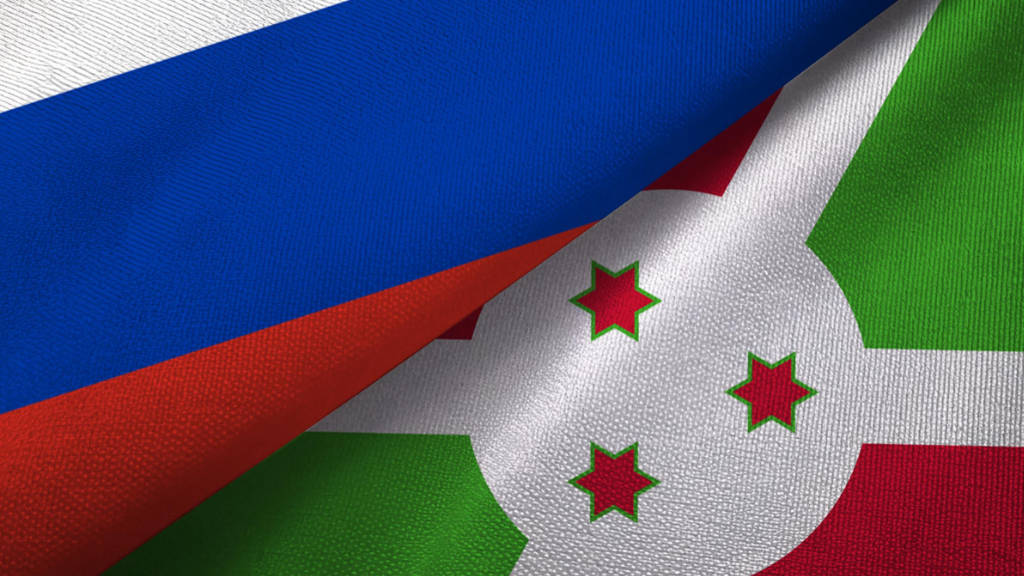
Russia-Burundi Bilateral Relations: September 2025 Update

Published on September 30, 2025

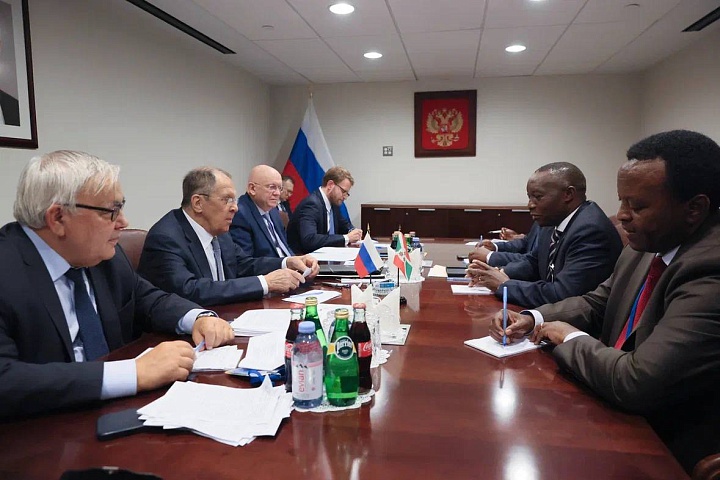
The Russian Foreign Minister, Sergey Lavrov, has met with Edouard Bizimana, the Minister of Foreign Affairs of Burundi, in New York on the sidelines of the 80th session of the UN General Assembly.

During the discussions, the ministers deliberated on pivotal issues pertaining to the further strengthening of the traditionally amicable Russian-Burundian relations. Both parties reaffirmed their mutual commitment to intensifying political dialogue and broadening mutually advantageous cooperation in trade, economic, cultural, and other areas.

The ministers had a substantive and trust-based exchange of views on matters of mutual interest concerning the international and regional agenda. They confirmed their readiness to augment foreign policy coordination within the UN—including its Security Council—and other multilateral platforms.

The Russian and Burundian delegations

Burundi is a landlocked country in the Great Rift Valley at the junction between the African Great Lakes region and Southeast Africa. It is a resource-poor country with an underdeveloped manufacturing sector, meaning the economy is predominantly agriculture-based, accounting for about 50% of GDP, while employing more than 90% of the population. Subsistence agriculture accounts for 90% of agriculture. Burundi’s primary exports are coffee and tea, which account for 90% of foreign exchange earnings, though exports are a relatively small share of GDP. Other agricultural products include cotton, tea, maize, sorghum, sweet potatoes, bananas, manioc (tapioca), beef, milk, and cowhides.

Burundi is one of the world’s poorest nations, owing in part to its landlocked geography, a lack of education, and the proliferation of HIV/AIDS. Approximately 80% of Burundi’s population lives in poverty. Famines and food shortages have occurred throughout Burundi, most notably in the 20th century, and according to the World Food Programme, 56.8% of children under age five suffer from chronic malnutrition. Burundi’s export earnings—and its ability to pay for imports—rest primarily on weather conditions and international coffee and tea prices. Apart from agriculture, other industries include the assembly of imported components; public works construction; food processing; and light consumer goods such as blankets, shoes, and soap.

Burundi does have some natural resources, however, although investment will be needed to extract these. They include uranium, nickel, cobalt, copper, and platinum.

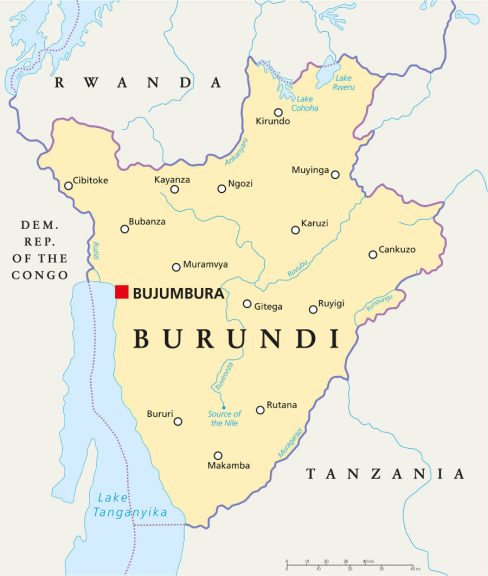
Burundi Map

Burundi joined the East African Community (EAC) in 2009 and is also a member of the African Continental Free Trade Agreement (AfCFTA).  

With a mainly Christian population of just over 14 million and covering an area of 27,834 km², Burundi’s 2024 GDP (PPP) is estimated to be around US$13 billion, with a GDP per capita (PPP) of just US$980. Burundi’s economic growth for 2025 is projected to have a mixed outlook, with forecasts varying by institution. The African Development Bank (AfDB) forecasts a strong 5.9% growth, driven by mining, public investment, and improved food supplies.

In May 2023, Russian Foreign Minister Sergei Lavrov announced that an intergovernmental agreement on peaceful nuclear energy was being discussed. However, currently the volume of bilateral trade is small and in 2024 amounted to about $5 million.

The development of regional onshore supply chains to neighboring countries may provide an opportunity for the development of Burundi as an assembly production center for exporting products to the EAC member countries, due to lower wages and a central-eastern location.

Further Reading

Post not found.
Russia Announces Closed Energy Cycle Nuclear Power Breakthrough

Published on September 30, 2025

The Russian President, Vladimir Putin, has announced a global game-changing nuclear power breakthrough, a closed fuel cycle power system to tackle global uranium shortages. This system allows for virtually no nuclear waste. A conventional Nuclear Power Plant uses 0.7% of uranium, leaving 99.3% waste. Russia’s new closed cycle reactor reuses the waste, making uranium fuel last for thousands of years.

Rosatom’s fast reactor BREST-OD-300 will run on uranium-238 and convert it into reusable plutonium-239. It is the world’s only сlosed-cycle nuclear system entering production and able to be used as an industrial energy resource.

Alexander Uvarov, a director of Russia’s AtomInfo-Center said that “President Putin has set 2030 as the launch date for the system, but think it will be put into operation even earlier.”

Alexey Anpilogov, a political scientist and an expert in nuclear energy, explained how the closed system works by saying “If you load 1 kg of uranium into such a reactor, you’ll not only get electricity and heat, but also produce more than 1 kg of new plutonium.”

Russia’s system will also burn highly radioactive elements, such as cesium and strontium — known for causing severe radioactive contamination. These particles are what caused the most radiation damage after the Chernobyl and Fukushima disasters.

Additionally, it has a lead coolant, which makes it safer than other reactors as it is more radiation-resistant, has a high boiling point and is inert to water and air.

Anpilogov says that Russia does not have competition in this field at present. “The United States, Japan, and France have tried closed fuel cycles and built sodium-cooled reactors, but none have achieved a reliable, sustainable design like Russia’s.”

The new design will be useful for Russia but also for export, especially to emerging countries that require energy to realise their potential. This includes the BRICS countries. Russia’s state-owned nuclear power operator for example, actively cooperates with India and China, both of which have huge plans for nuclear energy.

For further news on Russia’s global nuclear energy sector, please click here for a breakdown of existing and pending projects.   

Further Reading

Rosatom’s Global Nuclear Power Project Reach

Russia, Jordan Bilateral Relations: September 2025 Update

Published on September 29, 2025

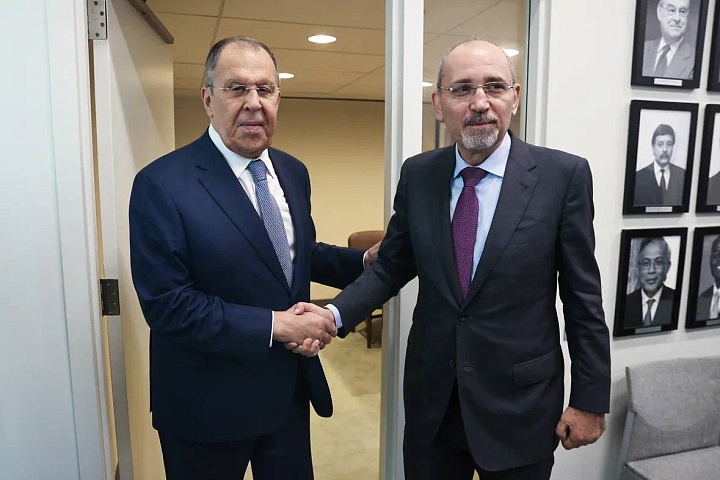
Russia’s Foreign Minister, Sergey Lavrov, met with Ayman Safadi, the Deputy Prime Minister and Minister of Foreign Affairs of Jordan on the sidelines of the 80th session of the UN General Assembly in New York.

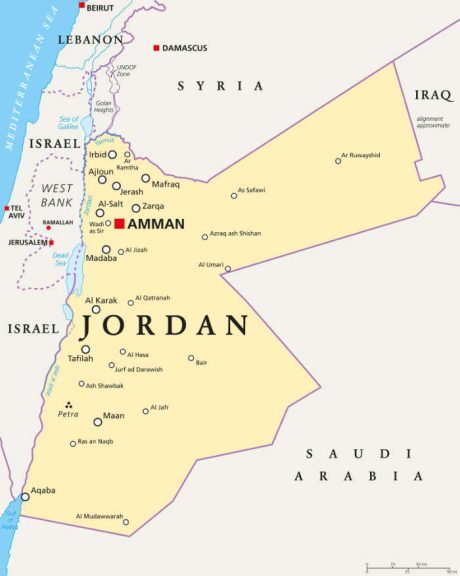
The foreign ministers held an in-depth exchange of insights on key Middle Eastern issues with a focus on the Palestinian-Israeli conflict and Syria. They confirmed the importance of stepping up international efforts to promote an early ceasefire in the Gaza Strip, to release hostages and detainees, to provide humanitarian access, and, more broadly, to re-launch the peace process in accordance with the widely known resolutions adopted by the UN Security Council and the General Assembly. Jordan is deeply impacted by the situation in Palestine as it shares a border with the West Bank. 

Sergey Lavrov and Ayman Safidi

Priority goals, including the continued expansion of Russian-Jordanian relations were also discussed. These include strengthening the political dialogue, increasing bilateral trade, and maintaining the positive dynamics of practical cooperation.

Russia and Jordan have had positive ties stretching back to the Soviet times. Investment and trade relations, however, have been limited. It is only in recent years that concrete steps have been taken to enhance and develop these.  In 2017 a memorandum of cooperation between the Eurasian Economic Commission (EEC) and Jordan was signed to increase trade turnover with the Eurasian Economic Union (EAEU) by launching new joint projects.

JOrdan Map

Jordan has a population of 11.5 million, a GDP (PPP) of US$132 billion, and a GDP (PPP) per capita income of US$12,900. Economic growth is forecast at 2% for 2025 and is supressed due to regional uncertainties.

In 2023 Jordan and Russia signed a bilateral cooperation programme, and discussed plans for Jordanian-Russian Trade, Economic, Scientific and Technical Cooperation. Negotiations are also being held to ensure entry into the Russian market for Jordanian agricultural products. Numerous official trade visits to Russia have been undertaken, during which issues such as the transportation of goods and customs duties introduced by Russia were discussed, with the process still ongoing.

Russia’s 2024 trade turnover with Jordan amounted to about US$250 million and has been depressed due to problems with the Israel-Palestine war. Russian exports typically consist of food products and agricultural raw materials, metals, wood and pulp and paper products, chemical products, mineral products, and various machinery. An important area of cooperation between Russia and Jordan is agriculture, with Russian barley being a primary commodity and both sides wanting to increase Russian exports. Due to the regional situation, the immediate development of trade development ties remains uncertain, with the onus on security concerns at the present time.

Further Reading

Post not found.
Russia, Yemen Bilateral Relations: September 2025 Update

Published on September 28, 2025

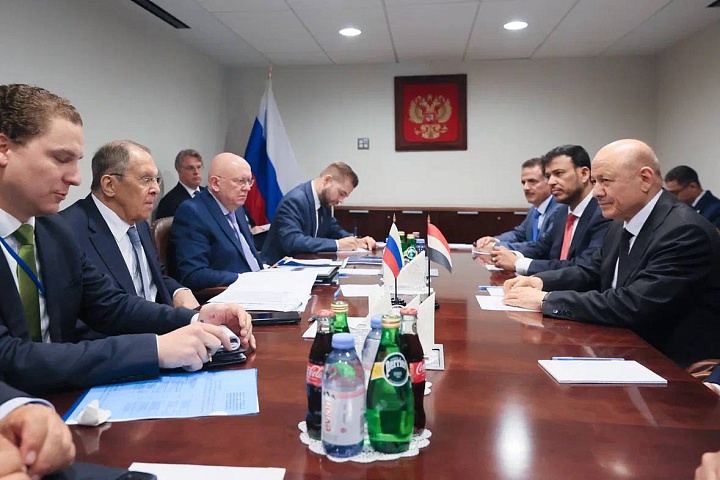
The Russian Foreign Minister, Sergey Lavrov, met with Rashad Al-Alimi, President of Yemen, on the sidelines of the 80th session of the UN General Assembly in New York.

They discussed issues relating to Russian-Yemeni relations and emphasised their commitment to maintaining regular political dialogue and continuing close coordination at the United Nations and other international platforms.

Significant emphasis was placed on the military and political developments in Yemen and adjacent regions, as well as in the Palestinian-Israeli conflict zone. The Russian side reiterated its principled position in favour of a comprehensive political resolution of the Yemeni crisis by way of promptly launching a broad-based nationwide dialogue under the UN’s auspices in order to develop mutually acceptable compromise solutions to existing issues and to bring the positions of the opposing sides closer.

The Russian and Yemeni delegations

The Yemeni President also recently met with Russian President Putin, in Moscow, in May.

Putin said at that time that “In terms of the development of our trade and economic ties, these are developing well with Yemen. Overall, we are satisfied with the volume of our trade, which stands at about US$400 million. There are several promising spheres, in particular, agriculture, fishing, mining, and energy. In other words, there are enough topics for discussion. We have high hopes for the early resumption of the work of Intergovernmental Commission on trade, economic, and scientific and technical cooperation.

The training of personnel is another important sphere of our cooperation. Approximately 1,500 Yemenis are studying in Russia; 400 of them are receiving budget-supported education. We regard this cooperation as very important not only because of its clearly humanitarian nature or that it helps train personnel, but also because this is creating conditions for communication between our people, which is extremely important for our interaction in all the other spheres I have mentioned.”

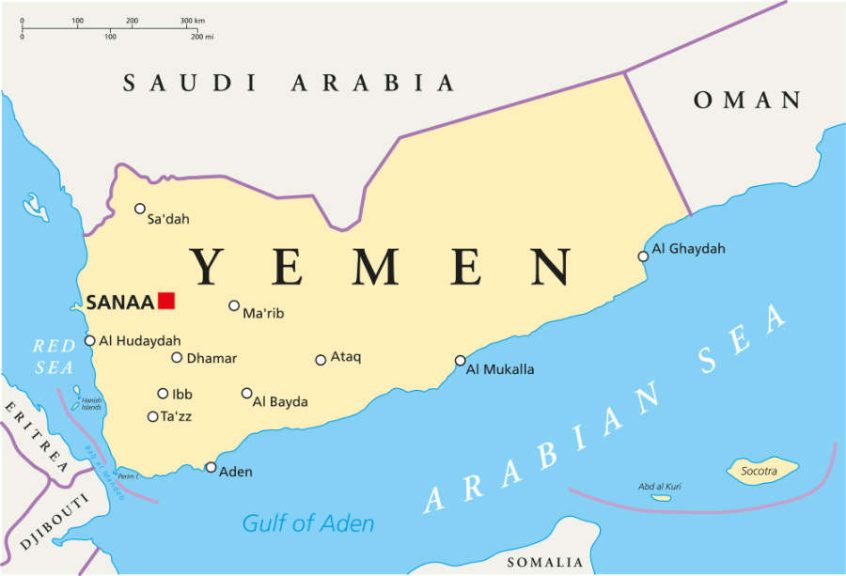
Yemen Map

Yemen is on the southern tip of the Arabian Peninsula, along important trade routes between the Red Sea and the Gulf of Aden.

Despite facing challenges due to ongoing conflicts, Yemen’s economy continues to be driven by key sectors that provide both employment and government revenue. The economy remains heavily reliant on its primary industries. The oil and gas sector remains the cornerstone of the economy, contributing approximately 30-40% of GDP and accounting for over 70% of government revenues.

The Hadhramaut region, which produces around 260,000 barrels of oil per day, continues to be a key source of output, with productive fields like Al Maseelah. Agriculture is another significant sector, providing employment for about 54% of the labor force. Key agricultural products include wheat, barley, fruits, and vegetables, although the sector struggles due to water scarcity and ongoing conflict.

Yemen’s fishing industry also plays a crucial role, particularly in terms of domestic consumption and exports. There are efforts to enhance market access and boost the growth of the fisheries sector. Yemen’s manufacturing industry, though smaller, includes food processing, cement production, and textiles, with food processing being the most important contributor, followed by construction.

Yemen is also part of the Greater Arab Free Trade Area (GAFTA), which seeks to reduce tariffs and trade barriers among member states. With a population of around 41 million, Yemen’s GDP (PPP) stands at approximately US$2.1 billion, with a GDP per capita (PPP) of US$2,095. The economy is projected to contract by 1.5% in 2025.

Yemen’s imports from Russia are dominated by cereals, accounting for about 2/3 of the total US$400 million in bilateral trade. Other imports included mineral fuels, paper, and pharmaceutical products. Yemen’s primary export to Russia is coffee.

Further Reading

Post not found.
Russia, Cambodia Bilateral Relations: September 2025 Update 

Published on September 28, 2025

The Russian Foreign Minister, Sergey Lavrov, met with Prak Sokhonn, the Deputy Prime Minister and Minister of Foreign Affairs of Cambodia on the sidelines of the 80thsession of the UN General Assembly in New York.

The parties discussed pressing international and regional issues and the current state and prospects for Russia-Cambodia relations.

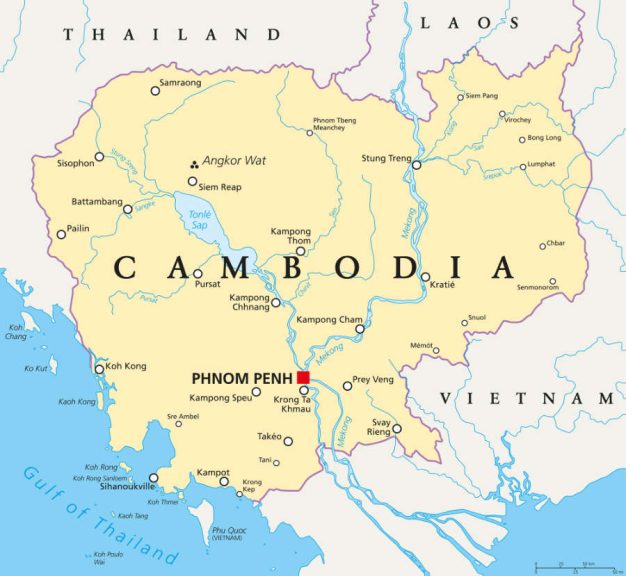
Cambodia has a population of around 17 million people and an area of 181,025 km². Cambodia’s GDP (PPP) is $142.39 billion, and its GDP per capita (PPP) is $8,290. In its June report, the World Bank forecast Cambodia’s GDP growth in 2025 to be about 4% for the year.

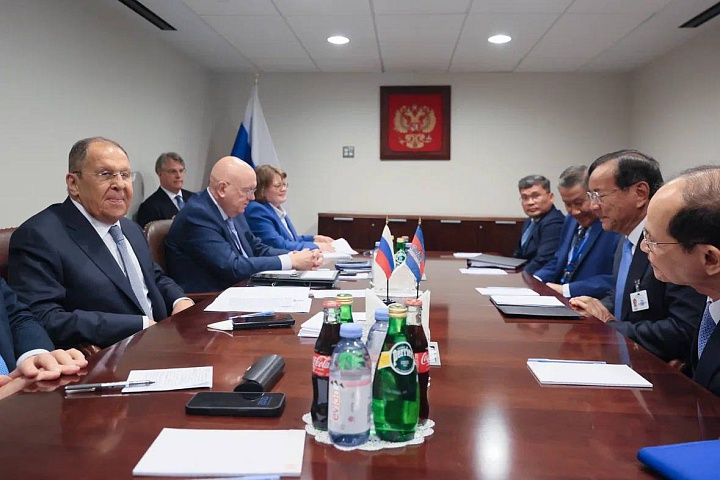
The Russian and Cambodian delegations

Cambodia is a member of ASEAN and is in the process of becoming industrialized. That is mainly represented by garment factories, most of which are located in special economic zones. These products are almost entirely exported (80% of total exports) to the European Union and the United States.

There has also been an increase in the production of building materials, electronics, machinery, engines, and chemical products, however due to a limited base, poor degree of technological sophistication, low value segmentation, and concentration in a small number of sectors, Cambodian industries continue to be relatively unsophisticated, although spillover from an increasingly expensive China manufacturing is occurring. Investors will need to balance lower operational costs against lower productivity ratios.

40% of the working population is employed in agriculture. The main food crop is rice, and the main industrial crop is rubber. Corn, sweet potatoes, soybeans, peanuts, oil palms, and spices are also grown. The main focus of livestock farming is cattle and pig breeding. Fishing also plays an important role.

Tourism is also taking off, with Cambodia welcoming 6.4 million foreign tourists in 2024, 22.2% more than in the same period last year. The country’s Ministry of Tourism expects to attract 7 million foreign visitors during 2025.

Cambodia also wishes to develop electricity generating hydropower resources, and will be looking at the Laos experience with Russian technology and investment as regards decisions in this sector.

Cambodia is also in the process of negotiating a Free Trade Agreement with the Eurasian Economic Union (EAEU), which includes Russia, along with Armenia, Belarus, Kazakhstan, and Kyrgyzstan. Fellow ASEAN member Vietnam, a neighbouring country, already has a successful FTA with the bloc.

Cambodia Map

Russia and Cambodia signed a plan of cooperation agreements between for the two-year period 2025−2027 earlier this year and are preparing to sign a protocol between the customs services of the two countries. This protocol, initiated by the Russian side, focuses on cooperation in customs administration, information exchange, and mutual assistance and is expected to boost bilateral cooperation under the Eurasian Economic Union’s preferential tariff system.

Bilateral trade between Russia and Cambodia has dropped in recent years, from US$239.4 million in 2021 to an estimated US$55 million in 2024. The reasons for this decline are not immediately political, although sanctions against Russia have impeded trade. Cambodian markets are somewhat difficult to reach from Russia, with most trade having to pass via China, and Russian businesses concentrating on developing both the Chinese and Vietnamese markets, leaving Cambodia somewhat neglected. However, customs unity and a Free Trade Agreement should help pave the way for increased trade and investment volumes.

Further Reading

Post not found.
Russia, South Korea Bilateral Relations: September 2025 Update

Published on September 28, 2025

The Russian Foreign Minister, Sergey Lavrov, met with Cho Hyun, the Foreign Minister of South Korea on the sidelines of the 80th session of the UN General Assembly in New York.

In the context of the developments on the Korean Peninsula, the Russian side noted the provocative nature of the United States and its Asian allies’ military activities aimed against North Korea, as well as their policy of increasing sanctions and military pressure on Pyongyang. Special emphasis was placed on a return to a mutually respectful dialogue based on the current realities on the peninsula in the interest of building a reliable mechanism for ensuring long-term peace and stability in Northeast Asia. With Russia and North Korea now at the strategic partner level, Russia’s unofficial trade with the North is now probably higher than its official trade with South Korea.

Korea Map

South Korea has taken part in Western sanctions against Russia, with bilateral trade at US$11.9 billion in 2024, dropping steadily for the past three years.

However, there are signs that this stance is now weakening. Illustrating this are LG’s recent trial run of restarting its factory operations in Moscow, FESCO’s increase of shipping capacity from Vladivostok to South Korea’s Gwangyang Port, and Ssangyong auto’s planned return to the Russian market.

Other Russian exports to South Korea are also on the rise, with Kamchatka crab, Siberian wood pellets other sea food and aluminium also being sent to the country.

Further Reading

Russia-North Korea Bilateral Relations: September 2025 Update