News

Russian President Putin Meets With Acting President Of Myanmar: Bilateral Update

Published on September 27, 2025

The Russian President, Vladimir Putin, has met with Min Aung Hlaing, the Acting President of Myanmar.

Taking part in the conversation on the Russian side were Deputy Chief of Staff of the Presidential Executive Office Maxim Oreshkin, Deputy Chief of Staff of the Presidential Executive Office – Presidential Press Secretary Dmitry Peskov, Presidential Aide Yury Ushakov, Finance Minister Anton Siluanov, Energy Minister Sergei Tsivilev, Governor of the Central Bank Elvira Nabiullina, Director of the Federal Service for Military-Technical Cooperation Dmitry Shugayev, Deputy Foreign Minister Andrei Rudenko, Deputy Defence Minister Alexander Fomin, Deputy Minister of Economic Development Vladimir Ilyichev, and Director General of the State Atomic Energy Corporation Rosatom Alexei Likhachev.
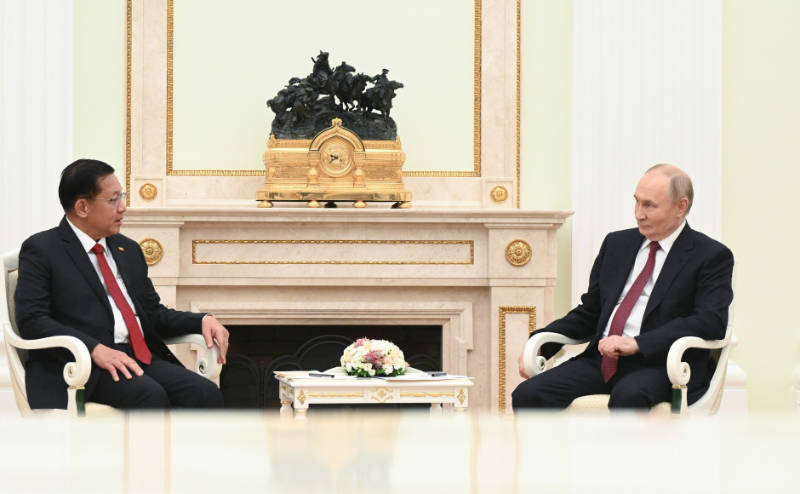
Russian President Putin with Myanmar Acting President Min

Hlaing stated that “I recently visited Moscow and attended a parade marking the 80th anniversary of Victory in World War Two. Our countries established diplomatic relations 77 years ago. The Embassy of Myanmar has now been built in Moscow to promote closer relations between our countries. We have also opened consulates general in St Petersburg and Novosibirsk, and we plan to open a consulate general of Myanmar in Vladivostok shortly. Russia is a big country. If we look east and west, we will see that you have a vast territory, which is why we are opening Myanmar’s consulates general to promote cooperation between our countries.”

Amid the re-orientation of trade from the West to Asian markets, Russia has been expanding its trade and investment ties with South Asian countries. Among them, Myanmar stands out as a promising market for Russian companies that are willing to fill in the niche created by the exit of major Western companies that also left Myanmar after the 2021 military coup.

The Western sanctions imposed on Russia pushed the latter to re-assess its approach to Southeast Asia, and as a result, Moscow has since re-invigorated bilateral political and economic ties with Naypyidaw.

This expansion fits into the overall Russian thinking toward foreign trade but also serves as preparation for further growth of commercial ties with Southeast Asia especially given that Myanmar is a significant member of ASEAN. Myanmar also enjoys direct access to China, India, and ASEAN countries through ports in the Bay of Bengal and the Andaman Sea and ASEAN free trade agreements. That means that products manufactured in Myanmar and containing a certified percentage of local components (this varies from product to product, and is referred to in the ‘Rules of Origin’ agreements) – can be exported duty free to these markets. Myanmar has also applied to join the BRICS group as a partner nation.

Myanmar is the largest country by area in mainland Southeast Asia at 676,579 km2 and has a population of about 55 million. It is under sanctions, with a history of military juntas rising to overthrow democracies seemingly unable to deal with Islamic insurgents in the north. Battles with the dispossessed Rohingya factions continue. Myanmar has a GDP (PPP) of about US$284 billion, a GDP (PPP) per capita of about US$5,200, with a GDP growth rate for 2025 estimated at 1.1%. The economy remains subdued due to the effect of sanctions.
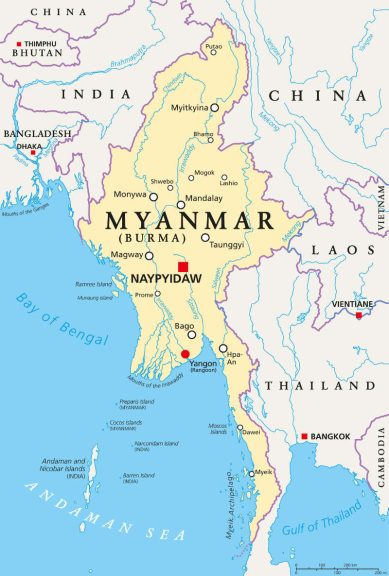
Myanmar Map

However, when it comes to Russia, the recent progress in bilateral trade has been impressive. In 2020-21 it stood at US$15.7 million, by the end of 2024, this had increased to about US$288 million. Myanmar’s Ministry of Commerce projects that the trade between the two countries has the potential to increase to US$1 billion.

Russia’s exports to Myanmar mainly consist of hard coal, three-component fertilizers, diammonium phosphate, refined sunflower oil, ammonium sulfate, anthracite, bulk semi-finished products, and unvulcanized rubber. The top Russian imports from Myanmar include men’s and women’s outerwear, and footwear.

Moving into larger investments however, Russia has also expressed interest in Myanmar’s energy sector, with Myanmar expressing interest in importing LNG and other energy resources from Russia. Myanmar is also interested in expanding the presence of Russian oil and gas companies, with the country possessing significant reserves of unexplored oil, natural gas, minerals and forest resources. This sector has traditionally attracted a significant portion of FDI into the country and has also made a significant contribution to GDP and the growth of exports.

The two countries are also exploring cooperation in nuclear energy, with Rosatom saying that “the Russia-Myanmar intergovernmental agreement includes the implementation of a small NPP with a capacity of 110 MW, and the possibility of further expansion to 330 MW.” Rosatom are also planning to build wind farms in Myanmar with a capacity of 172 MW and 200 MW.

In June 2023 a memorandum of cooperation was signed between the Eurasian Economic Commission (EEC), the directive body of the Eurasian Economic Union (EAEU), and Myanmar which aims at increasing cooperation in such areas as regional economic integration, customs regulation, energy and transport. The two countries signed a bilateral investment treaty in June. 

Related to this, in September 2023, direct air traffic between Russia and Myanmar resumed after a 30-year break and the two countries also signed a memorandum of understanding on tourism development the same month. A visa-free policy was introduced earlier this month.

Myanmar has also announced plans to join the Russian equivalent of SWIFT (SPFS), while the country’s officials have begun using the Chinese RMB Yuan and Ruble in trade settlements between the two countries.

In a cultural first, a Russian Orthodox Church is currently being built in Yangon.

Despite economic sanctions affecting both countries, the overall bilateral trade trends between Russia and Myanmar remain positive and are continuing to develop.   

Meanwhile, on the same day (September 25), the Russian Deputy Foreign Minister, Sergey Vershinin met with UN Secretary-General’s Special Envoy on Myanmar, Julie Bishop, at the United Nations in New York. The dialogue included an exchange of views on the situation in Myanmar, focusing on the challenges faced by the country and the forthcoming elections. It was emphasised that the primary responsibility for determining the pathways to settlement rests with the Myanmar people themselves, while the international community should extend assistance solely upon their request. Bishop, who was previously the Deputy Prime Minister of Australia, was urged to conduct her activities in a neutral and impartial manner, with particular emphasis on the necessity of establishing constructive engagement with the Government of Myanmar.

Further Reading

Post not found.
Russian President Putin Meets With Ethiopian Prime Minister: Nuclear Deal & Bilateral Update

Published on September 27, 2025

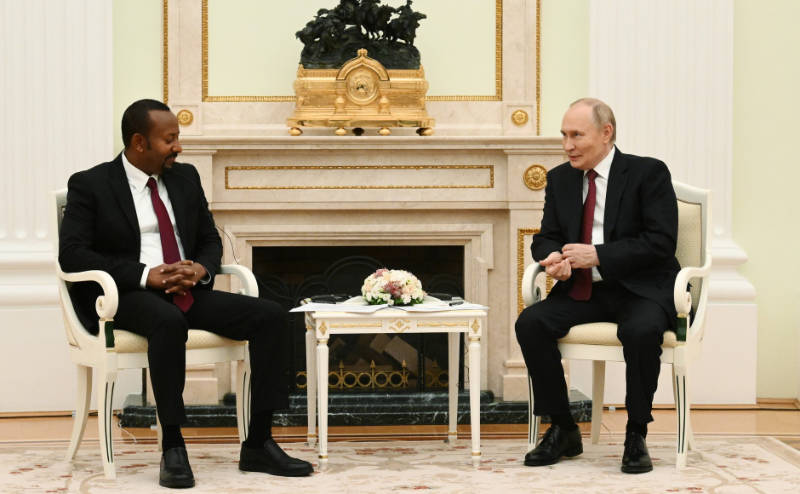
The Russian President, Vladimir Putin, has met with Abiy Ahmed, the Prime Minister of Ethiopia, in Moscow.  

At the beginning of the meeting, in the presence of the heads of state, Director General of Rosatom Alexei Likhachev and Foreign Minister of Ethiopia Gedion Timotheos exchanged the signed Action Plan between the State Atomic Energy Corporation Rosatom and the Ethiopian Electric Power Corporation on the development of a nuclear power plant project in Ethiopia.

On the Russian side, the talks were attended by Deputy Prime Minister Alexander Novak; Deputy Chief of Staff of the Presidential Executive Office Maxim Oreshkin; Deputy Chief of Staff of the Presidential Executive Office – Presidential Press Secretary Dmitry Peskov; Presidential Aide Yury Ushakov; Minister of Healthcare Mikhail Murashko; Minister of Finance Anton Siluanov; Central Bank Governor Elvira Nabiullina; Director of the Federal Service for Military Technical Cooperation Dmitry Shugayev; Deputy Foreign Minister Alexander Grushko; Deputy Minister of Economic Development Vladimir Ilyichev; and Director General of the State Atomic Energy Corporation Rosatom Alexei Likhachev.

Putin said that “Ethiopia is our long-standing reliable partner in Africa. Diplomatic relations between our countries were established in 1898. Our relations are making steady progress, and trade is growing. The intergovernmental commission is working effectively. We have good cooperation in humanitarian areas, above all, training specialists. Overall, our relations are gaining momentum across all areas, and we are very pleased that things are going that way.”

Russian President Putin with Ethiopian Prime Minister Ahmed

Ahmed replied “It has been almost a year since we met last time in Kazan for the BRICS summit. I sincerely hope that our next meeting will be in Addis Ababa. That would be very historic. We have a very strong bilateral relationship, where we share a common history, religion, also lots of policies. So, enhancing this historical background to make better the future is very important. From our end, we want to reinforce our mutual respect in all forms of cooperation. We also want to align strategically and share priorities. We also want to engage our partners in the development of diplomacy. I’m sure this visit will also strengthen this relationship.”

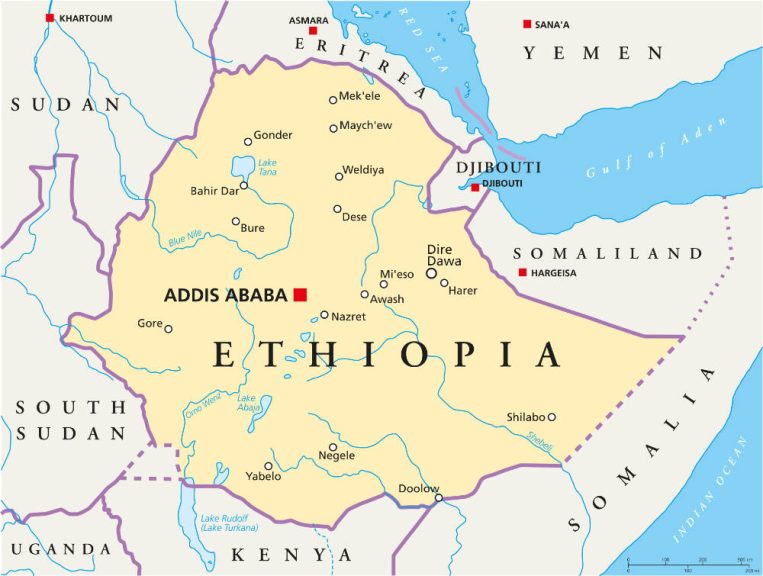
Ethiopia Map

Ethiopia is a member of the African Continental Free Trade Area (AfCFTA), the Common Market for Eastern and Southern Africa (COMESA) and the Greater Arab Free Trade Area (GAFTA), which makes it one of the most influential countries in the East African region. In 2024, Ethiopia joined BRICS as a full member, which will improve its global trade and investment opportunities.

With a population of about 132 million, Ethiopia has a GDP (PPP) of US$657.8 billion, a GDP growth rate of 6.1%, and a GDP per capita (PPP) of US$4,045.

Bilateral trade between Russia and Ethiopia has fluctuated in recent years, due to both military problems with neighbouring Eritrea, sanctions imposed upon both countries by the United States, and a lack of an Ethiopian seaport. In 2024, bilateral trade amounted to about US$400 million.  

Ethiopia exports mainly coffee and dried vegetable products to Russia, while Russia exports mainly wheat, and grains. In times of difficulty, Russia does provide Ethiopia with aid in the form of grain shipments.    

Russia is also helping to revive Ethiopia’s Navy, with training at facilities near the capital, in order to prepare personnel for the potential leasing by Ethiopia of maritime facilities at Port Sudan, which coincides with Russian naval interest in utilising the same port. Negotiations remain on-going. 

Rosatom, Russia’s nuclear power agency, is conducting a feasibility study to develop a NPP in Ethiopia. This will assess Ethiopia’s non-energy sector to identify how nuclear technology can address the country’s economic needs. This analysis will help compile a list of potential users of these technologies, laying the groundwork for a market for commercial products and services based on potential NPP capabilities.

In addition to the nuclear energy initiatives, Russian businesses have expressed interest in Ethiopia’s energy, pharmaceutical, and agricultural sectors, and are eying the country as a potential gateway to the larger COMESA region, which includes a further 20 African nations. COMESA has a population in excess of 640 million and a GDP over US$1 trillion. Accessing that and getting to Ethiopia’s real trade potential however requires investment and overcoming its logistics problems.     

The overall trade trend shows relatively slow progress but is showing signs of improvement.

Further Reading

Post not found.
Russian President Putin Meets With The Armenian Prime Minister: Bilateral Update  

Published on September 27, 2025

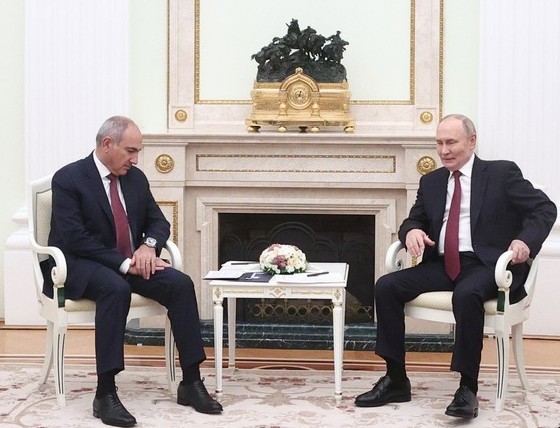
The Russian President, Vladimir Putin, has met with Nikol Pashinyan, the Prime Minister of Armenia at the Kremlin.

Taking part in the meeting on the Russian side were Deputy Prime Minister, Russian Co-Chair of the bilateral Intergovernmental Commission on Economic Cooperation Alexei Overchuk, Deputy Chief of Staff of the Presidential Executive Office – Presidential Press Secretary Dmitry Peskov, Presidential Aide Yury Ushakov, Deputy Foreign Minister Dmitry Lyubinsky, Chief Executive Officer – Chairman of the Management Board of Russian Railways Oleg Belozerov, and Director General of the State Atomic Energy Corporation Rosatom Alexei Likhachev.

Russian President Putin with Armenian Prime Minister Pashinyan

The Russian-Armenian political dialogue is somewhat strained at the present, due to Yerevan’s recent decisions to cease participation in the Collective Security Treaty Organisation (CSTO), in addition to its stated intent to apply for membership of the European Union. The CSTO is a security bloc that also includes Russia along with Belarus, Kazakhstan, Kyrgyzstan and Tajikistan and effectively assists with dispersing regional unrest when required, as well as anti- terrorism activities. At present, Armenia is a member of the Eurasian Economic Union (EAEU) a trade bloc that also includes the CSTO members except for Tajikistan. Yerevan has also been involved in a recent war with Azerbaijan which saw it cede territory to Baku. Moscow has viewed these situations as unnecessary and unprovoked, largely seeing the faults as lying with Yerevan.

As regards EU membership, this is unlikely to be realistic and is quite possibly a pIoy to generate additional trade concessions from Moscow as concerns EAEU trade dynamics.

However, this uncertainty is impacting Armenia’s economy and has resulted in Armenia’s economy slowing down from the high growth rates of recent years as the trade and services sector is finding it difficult to motivate investment from Russia and other EAEU nations.

This uncertainty over regional trade tensions and potential slowdowns in trading partners could impact Armenia’s growth, while potential shifts could lead to volatility in capital inflows and foreign exchange. A moderation of domestic demand will play a role in the overall growth trajectory.

However, the Amulsar gold mine, expected to start operations in late 2025, will be a medium-term growth driver, while increased government spending on defence, infrastructure, and social security could impact the fiscal deficit and debt levels. Armenia suffered during its conflict with Azerbaijan and has been somewhat knocked off track in recent years as regards maintaining a clear forward vision. While growth is predicted to moderate from the high rates of the recent past, Armenia’s economy is expected to remain stable, with growth driven by a mix of domestic demand and potential growth in sectors like mining.

Much depends on the Armenian political situation and its decision-making as concerns its relations with Europe. It cannot be both a member of the EAEU and the EU. There are also practical considerations – Armenia does not share a border with any EU member state. 

In terms of the Eurasian Economic Union, Armenia’s trade with the bloc reached US$12.65 billion in 2024, representing more than 42% of the country’s total foreign trade, with a 68.3% increase over the same period in 2023. For the first seven months of 2025, Armenia’s exports to the EAEU totalled US$1.78 billion, a 2.4% increase from the previous year.

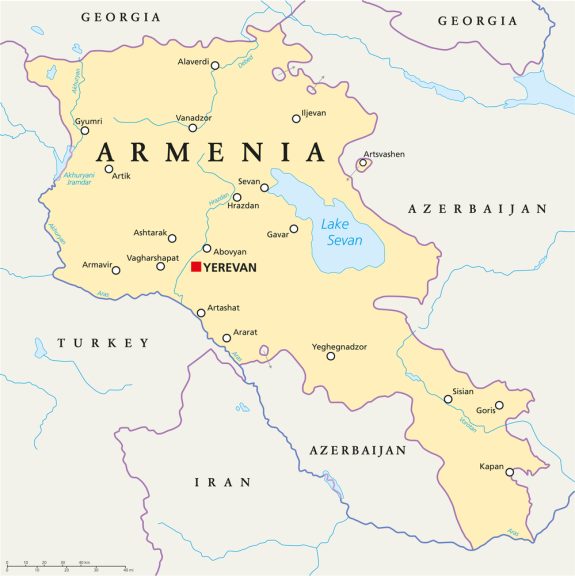
Armenia Map

With a population of approximately 2.97 million, Armenia’s GDP (PPP) stands at around US$64.43 billion, with a GDP (PPP) per capita of about US$21,746. The economy is projected to grow by 5.8% in 2025.

Armenia’s bilateral trade with Russia increased 91% in 2024, mainly due to Armenia becoming a partial conduit for exports from the European Union and Turkiye transiting through the country to Russia, through Georgia and the border with Russia at Kazbegi. The Georgian Military Highway is full of Armenian licenced trucks.  

Bilateral trade with Russia has shown significant growth, with trade turnover increasing from US$2.6 billion in 2021 to US$1.58 billion in Q1 2025 alone. If that is sustained, this implies a 2025 bilateral Armenia-Russia trade total of about US$6.3 billion. Armenia exports electrical equipment, agricultural produce and alcohols to Russia, while Russia exports cars, gold, diamonds, broadcasting equipment, and natural gas.

Bilateral trade hit record highs in 2024, with Russia’s Foreign Minister, Sergey Lavrov stating that “This is over a third of Armenia’s total foreign trade turnover, and Russia remains Armenia’s largest trade and investment partner.”

Yerevan will need to make its mind up as to whether its future lies East with connectivity to Asia, or West, with connectivity with Europe. Armenia’s days of sitting in the middle and acting as a conduit between both are drawing to a political conclusion as the new world order evolves with a potential split between them. 

Further Reading

Post not found.

Afghanistan Regional Quadripartite Meet To Discuss Regional Security 

Published on September 27, 2025

The “Regional Quadripartite” – Russia, China, Iran, and Pakistan – has held its fourth meeting to address Afghanistan security and related affairs. The meeting was attended by Russian Foreign Minister Sergey Lavrov, Iranian Foreign Minister Seyed Abbas Araghchi, Yue Xiaoyong, the Chinese envoy on Afghanistan, and Umer Siddique, a senior Pakistani diplomat.

The participants reviewed the current situation in Afghanistan and underscored their aspiration for the country to emerge as an independent, peaceful state – free from terrorism, war, and drugs. They emphasised the pressing need for enhanced constructive and pragmatic engagement by the international community with Kabul to develop the Afghan sovereignty and reinforce regional and global stability.

However, they expressed serious concerns over the growing security threats in Afghanistan, particularly the continued presence of terrorist groups operating from Afghanistan and emphasised the urgent need for regional cooperation to address rising instability. They specifically highlighted a resurgence of activity by terrorist groups such as ISIL, Al-Qaeda, Tehrik-i-Taliban Pakistan, and the Eastern Turkestan Islamic Movement. These groups, the ministers asserted, represent a serious threat not just to Afghanistan but to global security as well.

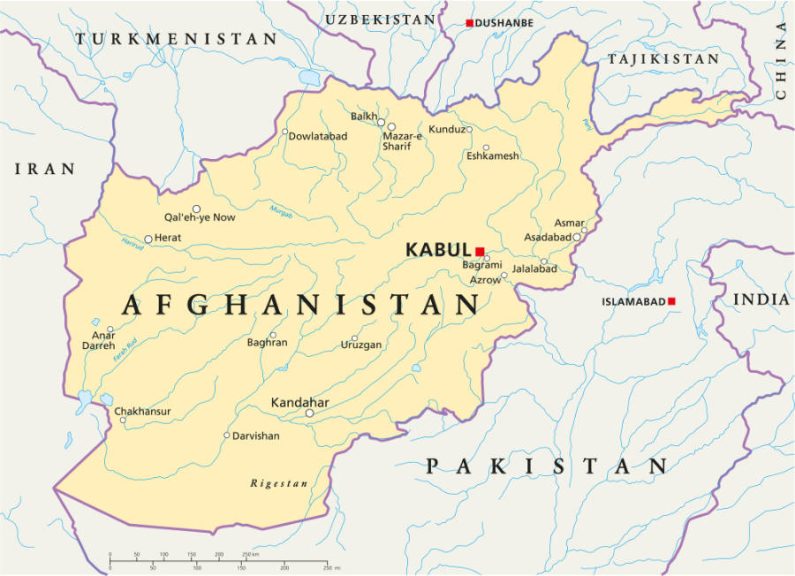
They also firmly rejected the idea of re-establishing US military bases in and around Afghanistan, following US President Donald Trump’s statements last week to return the Bagram Air Base to the Pentagon. This was also rejected by the Taliban. Bagram is southeast of Charikar in Afghanistan’s Parwan Province. It is currently administered by the Afghan Ministry of Defense.

The four ministers stated that NATO members bear primary responsibility for Afghanistan’s current situation. They demanded the lifting of unilateral sanctions against Afghanistan, and the return of frozen Afghan assets to assist the Taliban government finance its domestic security and development. “NATO members should create opportunities for Afghanistan’s economic recovery and development” they said, advocating for a holistic approach to the nation’s reconstruction.

Afghanistan Map

They also had strong words for the Taliban, currently in power in Afghanistan and its effective government, urging them to fulfil their international obligations by dismantling and eliminating terrorist groups. They said “We call on the Afghan authorities to take effective, concrete, and verifiable actions to combat terrorism, including preventing recruitment, fundraising, and access to weapons, and dismantling terrorist training camps on Afghan soil.”

In addition to security, the four sides discussed Afghanistan’s economic recovery, with a particular focus on combating the rise of synthetic drugs and facilitating the return of Afghan refugees. The ministers expressed support for measures aimed at reducing the cultivation of opium and combating narcotics trafficking.

They also urged greater international support for Afghanistan, especially in terms of humanitarian assistance, saying “We call on the international community to intensify emergency humanitarian aid for the Afghan people” stressing the need to provide support without political conditions attached.

The four countries reiterated the importance of an inclusive governance system in Afghanistan that reflects the needs of all ethnic and religious groups, with a particular focus on ensuring women’s rights to education, employment, and participation in public life, saying “Women’s access to education, economic opportunities, and basic services is essential for the stability and prosperity of Afghanistan.”  

The foreign ministers also called for enhanced counter-terrorism cooperation at both bilateral and multilateral levels. They emphasised that Afghanistan should be supported in taking comprehensive measures to fight terrorism and prevent the use of its territory against its neighbours and beyond.

“The sovereignty, independence, and territorial integrity of Afghanistan must be respected,” the statement concluded, opposing the reestablishment of military bases in and around the country.

The meeting was a significant step toward strengthening regional cooperation on Afghanistan, with the ministers acknowledging the ongoing efforts of regional countries, particularly Pakistan and Iran, in hosting millions of Afghan refugees. The four sides expressed their commitment to continued collaboration to help Afghanistan recover from decades of conflict and instability.

In closing, the ministers expressed their support for diplomatic efforts aimed at resolving Afghanistan’s political issues. “We emphasise the role of regional frameworks such as the Moscow Format and the Shanghai Cooperation Organization in facilitating a political settlement,” the statement said, welcoming recent discussions in Dushanbe, Tajikistan, and encouraging the continuation of quadrilateral consultations on Afghanistan’s future.

The full Quadripartite statement can be read here

Summary

The Quadripartite countries have their own serious concerns about Afghanistan, with Pakistan a neighbouring country with its own terrorism and security issues and in possession of nuclear weapons. China, while more stable, also has concerns about the potential for Islamic unrest in its western Xinjiang Province. Iran possesses millions of Afghan refugees it would prefer to see returned; and is also subject to security stresses on its own borders. Russia meanwhile acts in coordination with Afghanistan’s other neighbours – and especially Tajikistan, Turkmenistan and Uzbekistan. It has considerable experience with Afghanistan’s issues.

However, it appears that they are dissatisfied with a lack of assistance in helping Afghanistan improve its security. They regard many of Afghanistan’s problems a direct result of the United States invasion and occupation of the country, with NATO also involved. Neither, since the US withdrawal in 2021, have been assisting with Afghanistan’s reconstruction and redevelopment. China, Russia, Iran and Pakistan are essentially providing signals to the West that if they do not turn their attention towards assisting Afghanistan – new problems and terrorist activities may re-emerge, again targeting Western assets. It is a sobering image.        

Further Reading

Afghanistan Turns To Russia For Investment Into Its Hydrocarbon Industry

World Buddhist Forum Kicks Off In Russia’s Kalmykia Republic

Published on September 27, 2025

The 3rd International Buddhist Forum, with the theme “The Buddhist World in the New Millennium” has begun in Elista, the capital of the Kalmykia Republic in European Russia. The Republic Flag is depicted above.

Kalmykia is the only Buddhist region in Europe and was originally populated by descendants of the Mongol tribes and other Central Asians making their way West along ancient Silk Roads.

The 3rd International Buddhist Forum Logo  

The Russian Foreign Minister, Sergey Lavrov, gave an introductory welcome, saying “It is gratifying that the forum has asserted itself as an authoritative platform, where priests, learned theologians, public figures and politicians from various countries discuss current issues related to the philosophy and practice of Buddhism. This time, the conference is being hosted by the hospitable Republic of Kalmykia, a unique Russian region, where Buddhist teaching is an inalienable part of its spiritual and historical heritage.

A mutually respectful dialogue between traditional world religions is Russia’s true possession and a pledge of its peaceful and progressive development.  We are ready to continue sharing this unique experience with our foreign friends and will further help to encourage the cultural and civilisational diversity of the emerging multipolar world order.

I am confident that your meeting will be held in a constructive atmosphere and serve to assert intransient moral orientations and values, maintain inter-ethnic and inter-faith peace and accord, and strengthen humanitarian cooperation.”  

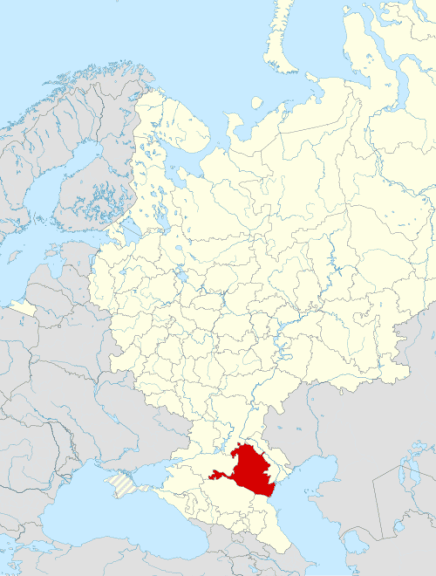
map

The Kalmykia republic covers an area of 76,100 km2, with a population of about 275,000. The population is mainly Kalmyks, a people of Oirat Mongolian origin who are mainly of Tibetan Buddhist faith. Kalmykia has a developed agricultural sector, and well as food processing and oil and gas industries.

The Kalmyk people recognize Tenzin Gyatso, 14th Dalai Lama as their spiritual leader and Erdne Ombadykow, a Kalmyk American, as the supreme lama of the Kalmyk people. The Dalai Lama has visited Elista on a number of occasions.

Delegations from India, Mongolia, Laos, Sri Lanka, Myanmar, Malaysia, Cambodia, Nepal, Thailand, Bangladesh, Vietnam and other Buddhist countries are attending the event.

The programme includes sessions devoted to: 

  • The preservation and development of the monastic institution
  • Perspective and practice of traditional medicine of buddhist countries
  • Buddhism and development of tourism potential
  • Debates, workshops, discussions on the role of Buddhism
  • Traditional music and dance with 1000 musicians

Further Reading

Russia’s Kalmykia Republic to Host International Buddhist Forum

Rosatom Poised For Two Nuclear Power Plant Deals With Niger

Published on September 27, 2025

Niger’s Minister of Energy and Mines, Ousmane Abarchi, has announced plans to build two Nuclear Power Plants (NPP) in partnership with Russian state energy corporation Rosatom, a project he said is “very important for the entire African continent.”

Abarchi, who was speaking at the Global Atomic Forum in Moscow on Thursday (September 25), said the proposed plants – with a total capacity of 2,000 megawatts – would be developed under the supervision of the UN nuclear regulator, the International Atomic Energy Agency. He said “We have big ambitions. I am convinced that developing uranium deposits is a responsibility to the world. We would like to develop this cooperation with Russia.”

Niger is the world’s eighth-largest producer of uranium, accounting for about 5% of global output from some of Africa’s highest-grade ores, according to recent World Nuclear Association rankings. The country supplied more than a quarter of the European Union’s needs in 2022, Euratom data show, including nearly 1.9 million kg shipped to France. The exports are a key source of fuel for France’s nuclear reactors, meeting about 15% to 17% of the uranium used in its electricity generation.

However, since coming to power in a July 2023 coup, Niger’s military authorities have taken steps they say are meant to reinforce sovereignty and speed up the country’s drive for energy independence. In June, Niamey nationalized Somair, a uranium venture operated by French state-owned nuclear fuel company Orano since 1971. The government said the move would ensure healthier, more sustainable management of the company and allow Nigeriens to benefit more fully from the country’s mineral wealth.

Abarchi added that “Niger wants its global technological partners, first and foremost Rosatom, to help develop new mining projects based on innovation, transparency and longevity.”

Earlier in July, Russia and Niger formalized plans to cooperate on the use of nuclear energy, including construction of a power-generation facility in the Sahel state, where nearly 80% of the population lacks access to electricity. Rosatom’s CEO, Aleksey Likhachev, described Abarchi’s proposals as “extremely interesting.”

Further Reading

Russia, Sahel States Diplomatic Relations: September 2025 Updates

Russia, Egypt, Bilateral Relations: September 2025 Update 

Published on September 26, 2025

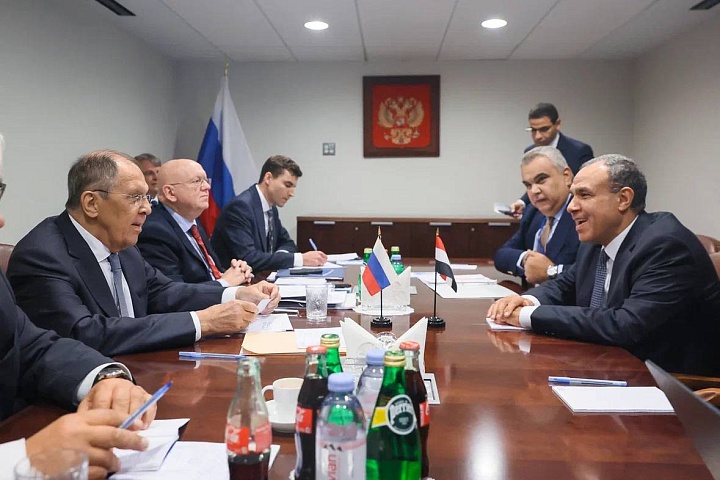
The Russian Foreign Minister, Sergey Lavrov, has met with Badr Abdelatty, the Foreign Minister of Egypt, on the sidelines of the 80th Session of the UN General Assembly in New York.

The discussion addressed key issues pertinent to the further strengthening of Russian-Egyptian relations. Particular attention was devoted to preparations for the inaugural Russia-Arab Summit in Moscow on October 15 this year, as well as the second ministerial conference of the Russia-Africa Partnership Forum, scheduled for November 18–19 this year in Cairo.

A substantive exchange of views occurred on pressing Middle Eastern matters, with emphasis on developments in the Palestinian-Israeli conflict. The ministers also examined the challenges of achieving lasting settlements in Lebanon, Syria, Sudan, and Libya. Both parties reaffirmed the importance of continued active foreign policy coordination between Moscow and Cairo at the United Nations and other international platforms.

Foreign Ministers Lavrov and Abdelatty with their respective delegations

Bilateral relations, trade, and investment between the two countries have been rapidly developing, with Russia involved in Egypt’s energy sector, in both the oil and nuclear power sectors.

As a member of several trade agreements, Egypt enjoys access to various international markets. Key trade agreements include the Greater Arab Free Trade Area (GAFTA), which reduces tariffs and trade barriers among Arab countries; the Comprehensive Economic Partnership Agreement (CEPA) with the European Union, which grants preferential trade terms for Egyptian goods; and the Egypt-EU Association Agreement, which provides access to the EU market, benefiting key sectors such as agriculture and textiles. Egypt is also a member of the Common Market for Eastern and Southern Africa (COMESA), the Egypt-China Free Trade Agreement, and the Egypt-India Free Trade Agreement and is engaged in the African Continental Free Trade Area (AfCFTA), which facilitates greater regional integration. Additionally, Egypt has agreements with the United States and Mercosur (Argentina, Brazil, Paraguay, and Uruguay) to enhance trade.

Egypt is also a full member of BRICS and a dialogue partner with the Shanghai Cooperation Organisation. It is also close to reaching a Free Trade Agreement with the Eurasian Economic Union.

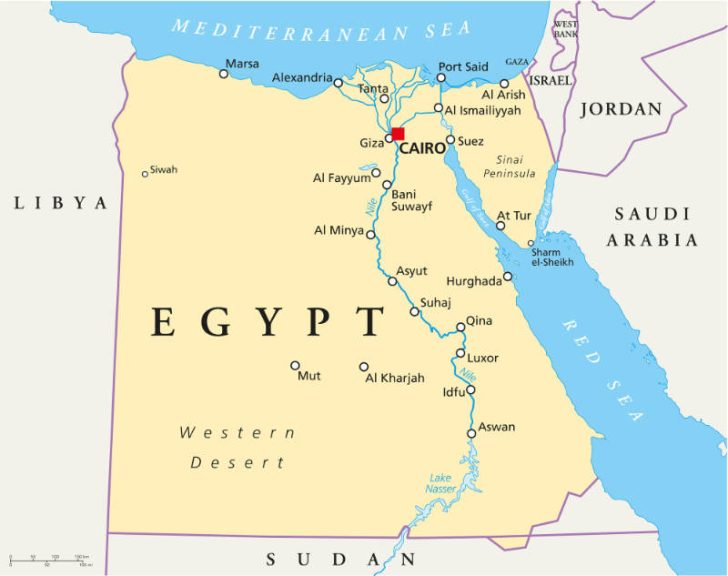
Egypt Map

With a population of approximately 116.5 million, Egypt has a GDP (PPP) of US$2.24 trillion and a GDP per capita (PPP) of US$20,800, with a projected GDP growth of 4.5% for 2025.

Egypt’s non-energy sector with Russia is also growing and diversifying, in both the agricultural and Russian investment sectors. Russia is shortly to begin construction of the Port Said Industrial Park, near the Suez Canal, in an area reserved exclusively for Russian investors. This will provide tax incentives and other motivations for Russian businesses to access both the Egyptian and larger African export markets. Production is expected to range from products as diverse as sunflower oil to automotive. 

The Russian tourism to Egypt sector has been booming as Russians seek alternatives to European vacations, while investment diversification has spread to the Russian IT industry. Many Russian companies are looking at Egypt as a gateway to the MENA region, a development that will accelerate once the EAEU FTA is signed.

Russian President Putin met the Egyptian President, Abdel Fattah el-Sisi, at the Kremlin in May and described the current Russian-Egyptian relations as developing successfully and “supported by regular and substantive political dialogue.” He noted that Egypt joined BRICS in 2024 and that, by the end of last year, bilateral trade had grown by more than 30%, reaching a record US$9 billion. He added that trade increased by another 80% in the first two months of this year. If that pace is maintained, bilateral trade could hit US$17 billion for 2025.

The immediate bilateral development potential between Russia and Egypt looks very positive.

Further Reading

Post not found.
Russia, Morocco, Bilateral Relations: September 2025 Update

Published on September 26, 2025

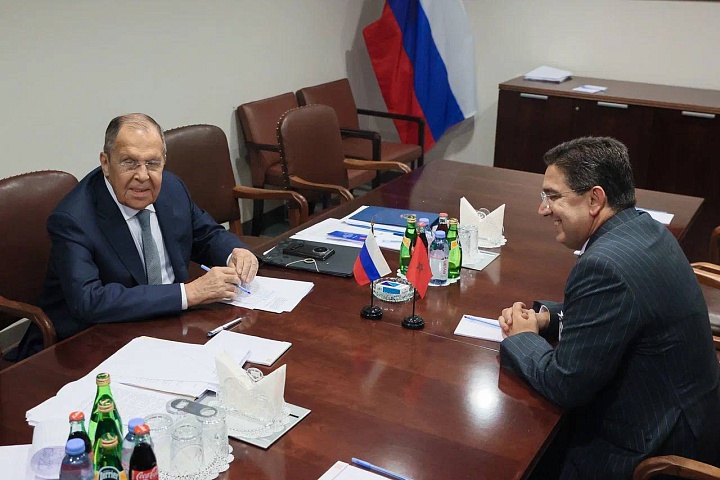
The Russian Foreign Minister, Sergey Lavrov, has met with Nasser Bourita, the Minister of Foreign Affairs and African Cooperation of Morocco on the sidelines of the 80th Session of the UN General Assembly in New York.

During the conversation, they addressed several bilateral issues, including the scheduling of upcoming multilateral meetings. The two sides reaffirmed their commitment to maintaining effective foreign policy coordination in order to resolve persistent crisis situations in the Middle East and North Africa, as well as in the Sahara-Sahel Region. Morocco has southern borders with the Sahel nations deep in the Sahara Desert, which has been the base of Islamic insurgents.

Foreign Ministers Lavrov and Bourita

Morocco has access to numerous international markets, being part of the Greater Arab Free Trade Area (GAFTA), which promotes trade between Arab countries, and the African Continental Free Trade Area (AfCFTA). As such it is developing as a Gateway to the MENA region for Russian investors in multiple sectors. 

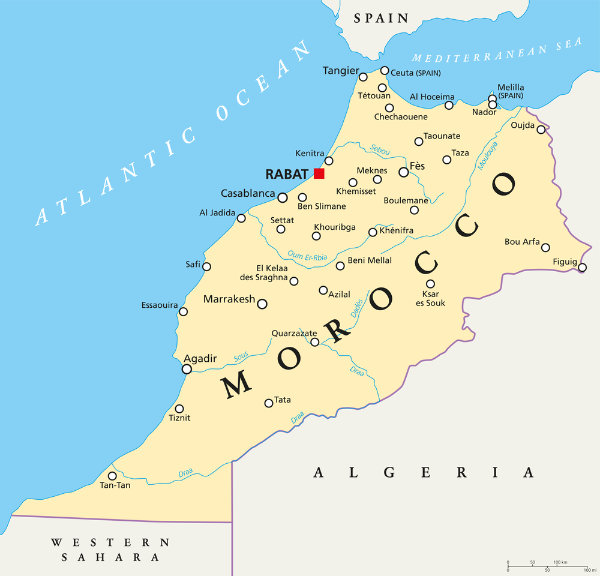
With a population of approximately 38 million, Morocco’s GDP (PPP) is around US$396.52 billion, with a GDP per capita (PPP) of approximately US$10,620. The country is projected to have a 4.4% growth in GDP for 2025. This is partially due to ongoing infrastructure development for major events such as the 2025 Africa Cup of Nations, which kicks off in December, and the 2030 World Cup.

Bilateral trade between Morocco and Russia has been growing steadily, with trade turnover reaching about US$3 billion during 2024. This relationship continues to strengthen, with both countries exploring further economic cooperation. Russia has expressed its commitment to establishing a free trade zone with North African countries, including Morocco. However, there remain issues to clear up in terms of an erratic import tariffs system in Morocco, although Russia’s bilateral trade is significant as it constitutes a sizeable part of Russia’s overall commerce with the African continent.

Morocco Map

Russian importers are traditionally interested in grapes, citrus fruits, nuts and cocoa beans from Morocco and other North and East African countries. Morocco maintains close ties with particular regions of Russia. For instance, trade between the Russian Republic of Bashkortostan, a traditionally ethnic Turkic region, and Morocco increased 30-fold over the past five years. Various autonomous regions of Russia have been selectively astute in developing trade partners that fit mutual needs.

Overall, Russia’s exports to Morocco mainly consist of oil, diesel, coal and inorganic chemicals. There are increasing exports of fertilizers, stone and plaster materials, aluminium, and cereals among related products. Russia imports fruits and nuts, and light industry products in addition to lumber, cars, veterinary vaccines, and IT services.

Russian grain suppliers are particularly interested in Morocco as the country is among top African importers of wheat, as it struggles with drought and desertification in its southern regions. Morocco imported a record US$280 million of Russian agricultural produce – mainly wheat – in 2024. Russia now exports more what to Morocco than France does, amidst a cooling of relations between Rabat and Paris.

Morocco has also signed a new four year fisheries agreement with Russia this year, allowing Russian vessels to access up to 80,000 tonnes of seafood, principally sardines, sardinella, mackerel and anchovies. 

Russian tourism to Morocco is also increasing as Russian holidaymakers look for non-European destinations, with Morocco receiving the largest share of Russian tourists visiting Africa.

Other industry trade sectors are also increasing. Russia is exporting pharmaceuticals to Morocco, with some producers looking at investing in the country to gain access to other MENA markets. The expansion of compulsory health insurance in Morocco is significantly increasing the need for pharmaceuticals. These include insulins, vaccines, and anti-cancer drugs. Russian companies have already localised production of several medications, are supplying sought-after drugs, and negotiations on technology transfer are underway.

There has also been development in the IT sector, with Russian IT companies investing in the country to contribute towards Morocco’s National Digital Development Strategy. This aims to turn the country into one of Africa’s technology hubs by 2030.

E-government services are being developed, 5G is being rolled out, data centres are being created, and IT education is expanding. Against this backdrop, Russian companies are finding a niche in cybersecurity, digital governance, agro-technologies and intelligent transport systems.

The immediate Russia-Morocco trade outlook is highly positive.

Further Reading

Russia To Increase Fertilizer Exports To Africa Fivefold

Russia, Syria, Bilateral Relations: September 2025 Update 

Published on September 26, 2025

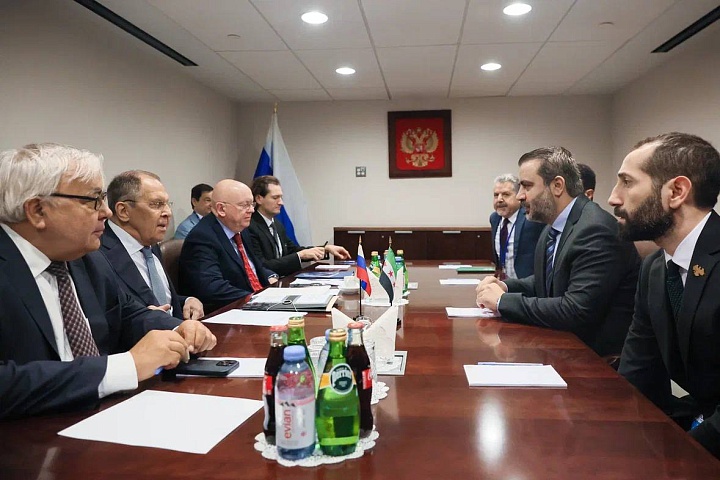
The Russian Foreign Minister, Sergey Lavrov, has met with Asaad al-Shaibani, the Minister of Foreign Affairs and Expatriates of the Syrian Arab Republic in New York, on the sidelines of the 80th session of the UN General Assembly.

The discussion focused on practical steps to develop many-faceted bilateral cooperation, building on the outcomes of recent high-level official delegation exchanges. The ministers also reviewed the schedule of forthcoming engagements, including Syrian President Ahmed al-Sharaa’s participation in the inaugural Russian-Arab Summit, to be held in Moscow in October 2025.

The Russian side reaffirmed its firm commitment to supporting Syria’s unity, sovereignty, and territorial integrity. It was stressed that internal challenges should be resolved by the Syrians themselves – without harmful external interference – through an inclusive national dialogue that reflects the interests of all communities within Syria’s multi-religious society. The parties underscored the importance of consolidating international efforts to create favourable conditions for lasting stabilisation in Syria and to support its post-conflict recovery.

The two sides also discussed the resumption of the Russia-Syria Intergovernmental Commission.

Foreign Ministers Lavrov and Al-Shaibani with their respective delegations
Foreign Ministers Lavrov and Al-Shaibani with their respective delegations   

Russia’s political relations with Syria have had to be rebuilt following the collapse of the ruling Assad administration and his subsequent exile to Moscow. The now-deposed Assad had a warm relationship with Moscow. That rule came after a lengthy civil war that had persisted for several years and ultimately resulted in a change of regime, with new President al-Sharaa now in office. He also attended the UN General Assembly.

Recent diplomatic relations with Damascus appear to have been based on pragmatism, with Russia managing to retain control and use of key strategic naval and airforce bases in Syria. That will have been obtained with reciprocal assistance in trade, investment and security. Al-Sharaa’s attendance at the upcoming Russia-Arab Summit would illustrate a firm commitment to further developing these ties.

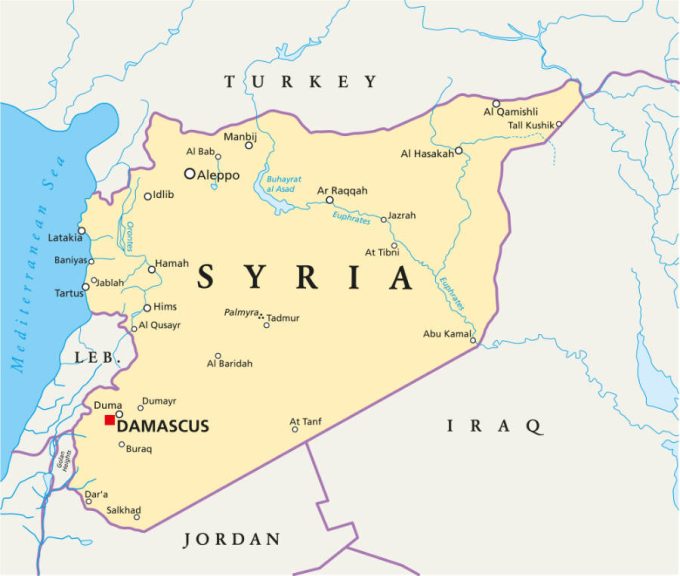
Syria Map

Due to the Syrian conflict, bilateral trade has been minimal in recent years but can cautiously be expected to recover. Syria is a member of the Middle Eastern GAFTA free trade agreement, and has other trade agreements with Turkiye, Iran and Russia.

Numerous countries other have vested interests in Syria, as the country is the only significant crude oil producing country in the Eastern Mediterranean region, which includes Jordan, Lebanon, Israel and the Palestinian territories. Syria’s energy reserves give it special significance for Israel, whose troops have recently entered Syria for the first time in 50 years to secure these assets. The relationship between Syria and Israel remains complex, yet al-Sharaa was warmly welcomed by US President Trump at the UN summit. 

Iran has also regarded Syria as a vital link in its anti-Jewish “Axis of Resistance”, which includes Lebanon, Yemen, and Palestinian groups. Syria served as a crucial logistical hub for arming Hezbollah and providing both political and economic support. Tehran also has interests in Syria’s eastern oil fields which are located close to the Iraqi border.

Ankara also has vested interests, although it will want to see a rapid return to stability. The issue concerning Syrian refugees in Türkiye has become a significant internal political situation for Ankara, which wants to see the estimated 3.6 million refugees in the country repatriated back to Syria. Türkiye shares a significant northern border with Syria and may want to annex or certainly de facto control part of these, in order to repatriate its Syrian refugee problem. Some of Syria’s energy reserves are also close to the Turkish border.  

As at the current state of play, it appears that Russia, Iran and Turkiye are coordinating efforts to stabilise the country, although much also depends on Israeli and Western intentions.   

Russia’s oil and gas sector has significant investments in Syria, as well as large-scale investments in critical infrastructure, including the reconstruction of Tartus port, the modernization of Syrian fertilizer production, and the restoration of several oil and gas fields and refining plants. Moscow also invested heavily in the country following the Western-backed ‘Arab Spring’ which was intended to depose Assad in 2011. Russia has a further 40 investment projects within Syria, in sectors that are pivotal for the country’s reconstruction, including energy, (both electricity and oil), transportation infrastructure, housing, and industrial development.

Russia uses the Syrian port of Tartus as a Naval base and currently has warships stationed there. Syria has apparently confirmed the continuation of Russian military bases.

Syria has a population of 25 million, with another 7 million refugees overseas, of which half are in Turkiye. These are likely to be encouraged to return. The current Syrian GDP (PPP) is estimated at just US$10 billion, far below its potential and hugely impacted by sanctions. The per capita income (PPP) is also low at about US$750. Russia’s bilateral trade is currently worth about US$1 billion and is mainly derived from the energy and agricultural sectors.

There have been some positive signs in bilateral relations – a specialist Russian printing house recently won the contract to produce Syria’s new banknotes.

The recent bilateral political dynamics have been cautiously positive, however the political and security situation in Syria remains intense as the country needs to stabilise and then recover its economy. With Syria’s oil reserves a magnet, especially for Europe, Russia faces competition to maintain and develop its earlier investments in the Syrian energy sector.     

Further Reading

Russia-Syria 2025 Diplomatic, Trade, and Security Updates

Russia, Iraq Bilateral Relations: September 2025 Update

Published on September 26, 2025

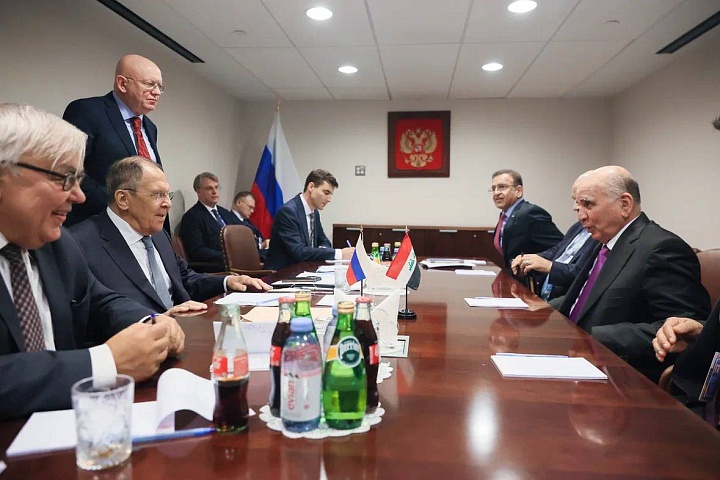
Russia’s Foreign Minister, Sergey Lavrov, has met with Fuad Hussein, the Deputy Prime Minister and Foreign Minister of Iraq on the sidelines of the 80th session of the UN General Assembly in New York.

They discussed pressing matters of Russian-Iraqi relations, and reiterated their mutual commitment to deepening the political dialogue and expanding mutually beneficial cooperation in trade and the economy, as well as humanitarian and other areas. This included the participation of Iraqi Prime Minister Mohammed Al-Sudani at the first Russia-Arab Summit, due to be held in Moscow on October 15.

They also focused on the Gaza crisis, stressing the critical importance of immediately ceasing fire, releasing detainees, and providing humanitarian aid to everyone in need, as well as stepping up international efforts towards achieving a lasting and comprehensive settlement of the Palestinian-Israeli conflict on a universally recognised international legal basis.

When discussing the Syrian issue, both sides emphasised the importance of supporting the Syrian government in its efforts to overcome the transitional period challenges in the interests of durable stabilisation and post-conflict rebuilding in that country.

Foreign Ministers Lavrov and Hussein with their respective delegations

As concerns Iraq, there have been some positive developments in its developing connectivity with Russia and related trade partners during 2025. Baghdad has expressed interest in joining BRICS, and is to become part of the INSTC rail transport corridor with a link from Tehran. 

In bilateral trade, this is currently at about US$500 million, with an emphasis on the energy sector. According to Lavrov, Russia has invested about US$19 billion into the Iraqi energy sector. Bilateral trade grew 27% in 2024 with a similar growth rate expected for 2025. 

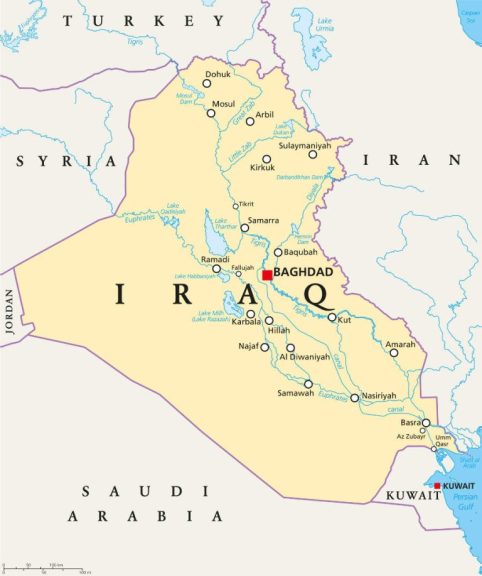
Iraq Map

Russia’s Security Council Secretary, Sergey Shoigu, visited Baghdad earlier this month with discussions centring around security issues as well as the potential for Russia to develop nuclear power plants in the country. An agreement between Rosatom and the Iraqi Energy Minister was signed in Moscow this week. Moscow and Baghdad have also agreed to review and expand existing oil and gas contracts from 2025 to 2030, signalling an improved commitment to energy diplomacy and bilateral cooperation. Iraq has the world’s fifth largest oil reserves.

Non-energy trade is also growing, and the product range is now diversifying. Russia has shipped steel to Iraq for the first time in three years while new products such as animal feed are being exported.

Iraq has a population of about 46 million, and with the worst of its troubles behind it, has a growing and more affluent consumer market. GDP (PPP) per capita has risen by US$4,000 over the past four years and is now at US$14,550. The prognosis for developing Russia-Iraq trade across numerous sectors is positive. 

Further Reading

Russia-Iraq 2025 Trade & Investment: Update

Russia, South Sudan Bilateral Relations: 2025 Update 

Published on September 26, 2025

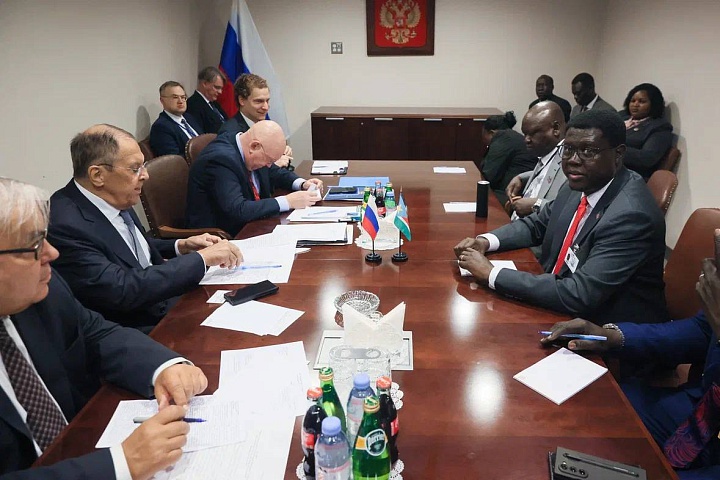
Russia’s Foreign Minister, Sergey Lavrov, has met with Semaya Kumba, the Foreign Affairs Minister of South Sudan, on the sidelines of the 80th Session of the UN General Assembly in New York.

They discussed a wide range of bilateral issues, including key areas for further development of Russia–South Sudan collaboration, deepening political dialogue, and strengthening cooperation within the UN and other multilateral frameworks.

They also addressed regional matters, with particular emphasis on the situation in South Sudan, including the internal conflict, restoring stability in South Sudan, and supporting the efforts of the South Sudanese government and regional stakeholders.

Foreign Ministers Sergey Lavrov and Semaya Kumba and their respective delegations

South Sudan descended into a civil war from 2013 to 2020, enduring rampant human rights abuses, including forced displacement and ethnic massacres. It has since been governed by a coalition formed by leaders of the former warring factions, Salva Kiir Mayardit and Riek Machar. The country continues to recover from the war while experiencing ongoing and systemic ethnic violence.

South Sudan is landlocked, while the war has resulted in its being one of the least developed countries in the world, ranking second to last in the Human Development Index, and also one of the poorest countries by GDP per capita.

Russia’s involvement in South Sudan could be critical in order for it to maintain stability and move onwards. Its economy is largely dependent on its oil and gas industry, with crude petroleum accounting for about 90% of the country’s foreign exchange earnings. However, the sector has faced significant challenges, including geopolitical issues and infrastructure constraints. The government is working to repair and resume oil pipeline operations, which are essential to the nation’s economic stability.

Agriculture also plays an important role, employing a large portion of the population and contributing significantly to GDP. Key agricultural products include cotton, peanuts, gum arabic (South Sudan is one of the world’s largest producers), sesame seeds, and livestock. Additionally, South Sudan is rich in mineral resources, especially gold, and is a significant producer of gold in Africa, with annual production nearing 30 tonnes. The country’s manufacturing sector includes oil refining, cement production, and the production of goods like shoes and chemical fertilizers, although many factories are underutilized.

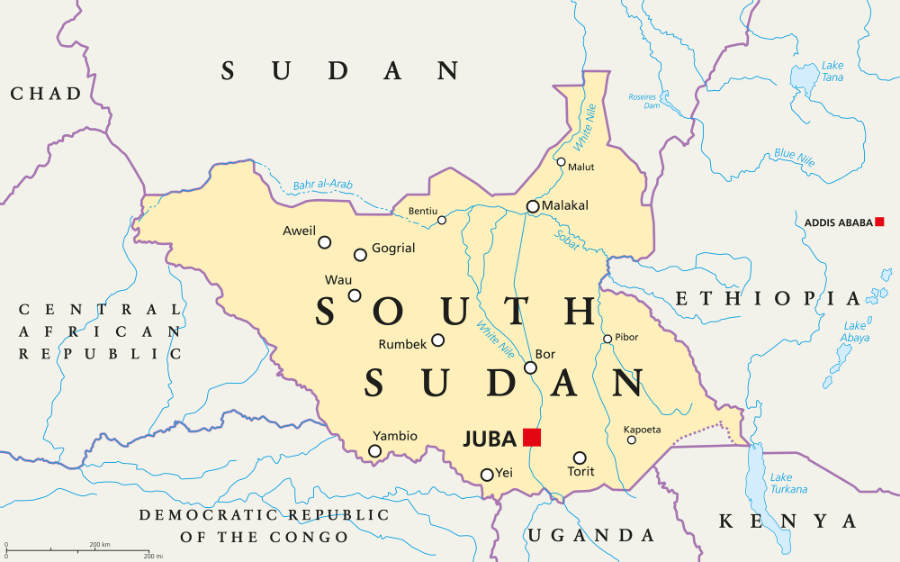
South Sudan Map

South Sudan is a member of several regional and continental free trade agreements. These include the Greater Arab Free Trade Area (GAFTA), the Tripartite Free Trade Area (TFTA), and the African Continental Free Trade Area (AfCFTA), aimed at enhancing trade across Africa. The country is also part of COMESA (Common Market for Eastern and Southern Africa), the League of Arab States (LAS), the East African Community, and the Intergovernmental Authority on Development (IGAD). South Sudan has bilateral trade agreements with neighboring countries, such as Egypt, Ethiopia, and Sudan, covering agriculture, oil, and livestock. Additionally, the country has strong economic ties with China, particularly in energy and infrastructure projects.

The oilfields in South Sudan have been significant to the economy since the late 1990s. Oil contributes more than 90% of state revenues, with the third-largest oil reserves in Sub-Saharan Africa. However, after South Sudan became an independent nation in July 2011, southern and northern negotiators have not been able to reach an agreement on how to split the revenue from these oilfields. However, with South Sudan also being close to Russia, agreements may be revived, and with this, oil production increased. South Sudan also contains many natural resources such as petroleum, iron ore, copper, chromium ore, zinc, tungsten, mica, silver, gold, diamonds, hardwoods, limestone, and hydropower.

South Sudan has a population of about 12 million, a GDP (PPP) of about US$11.5 billion, and a GDP per capita of US$762.93. The economy has faced a decline in recent years, although this is now starting to improve. The 2025 anticipated economic growth rate is about 15%.

Russia-South Sudan bilateral trade in 2024 was about US$8 million. Moscow will be looking to become involved in South Sudan’s energy and minerals sectors but will need to invest. To illustrate that intent, Moscow opened an embassy in the South Sudanese capital of Juba last year.

Bilateral trade growth, while small, can be expected to be positive.    

Further Reading

Post not found.