The Russian Foreign Minister, Sergey Lavrov, has met with the multilateral group ‘Pacific Small Island Developing States’ (PSIDS), a dialogue mechanism that Lavrov has stated “has unequivocally established itself as a highly sought-after and effective platform for exchanging views, both on areas of bilateral collaboration and on pressing issues of regional and global agendas.”
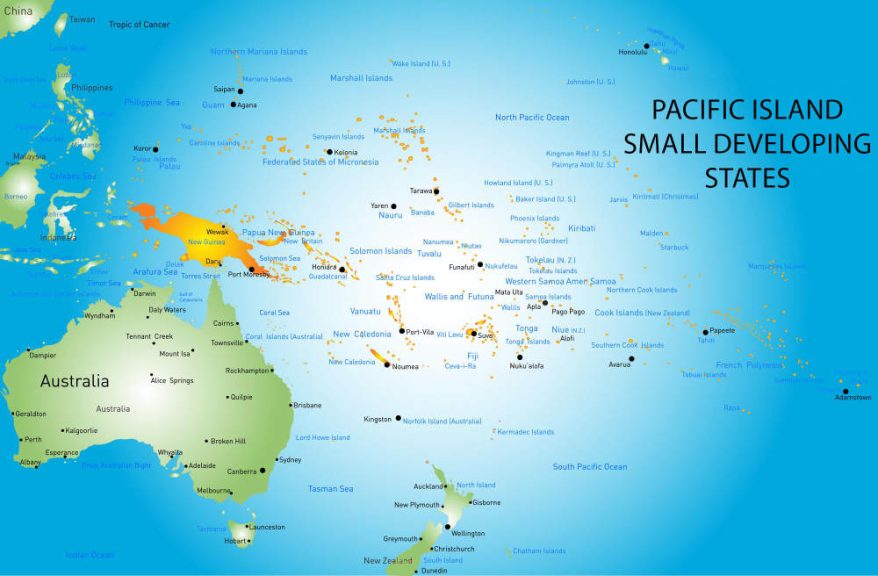
The PSIDS includes Cook Islands, Federated State of Micronesia, Fiji, Kiribati, Nauru, Niue, Palau, Papua New Guinea, Marshall Islands, Samoa, Solomon Islands, Tonga, Tuvalu, and Vanuatu and is represented at the United Nations. Lavrov met the group at the UN headquarters in New York.
The PSIDS land area of these countries is small, with a combined 500,000 km², with Papua New Guinea making up most of this with a land area of 462,840 km². Samoa, in contrast, has a surface area of just 2,831 km². However, a defining characteristic of these nations is their vast ocean territory, which accounts for over 99% of their sovereign territory. The total ocean area covered by these states is immense, spanning 30 million km², making them attractive for negotiating fishing rights. Some have developed as tourism destinations and others as offshore financial centres. The PSIDS combined population is about 2.3 million. The combined GDP (PPP) of these countries is about US$4 billion.
Apart from fishing and tourism, the PSIDS countries are at the forefront of climate change, with rising sea levels threatening many. There have also been security issues in Papua New Guinea, although the country is also a candidate ASEAN member and has significant timber and mining potential.
Russia’s main interests will lie in the provision of security equipment, training and assistance, maritime concessions, and possible assistance with breakwater construction. Many have been in the political sphere of either Australia or the United States in previous years; however, China has been reaching out into the Pacific, with many of these countries recognizing China over Taiwan and receiving Belt & Road Initiative funding in exchange for this political stance, in addition to providing fishing rights. Russia is essentially following a similar strategy as it looks to boost its own diplomatic reach and garner political support from these small, yet Pacific-influential island nations.
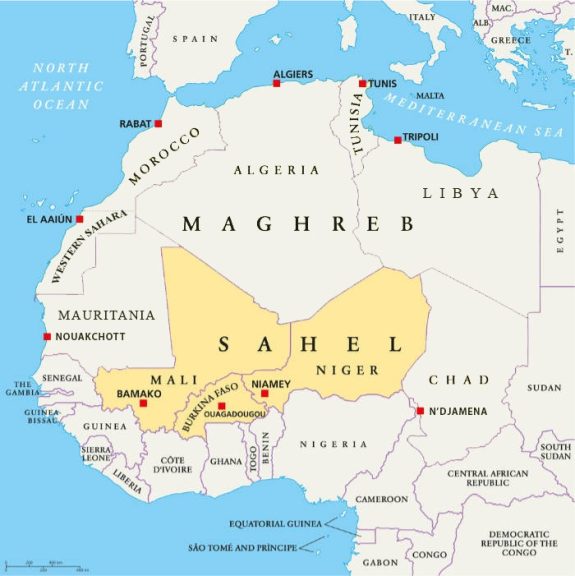
The Russian Foreign Minister, Sergey Lavrov, has met with the Foreign Ministers of the Confederation of Sahel States (AES), namely Abdoulaye Diop (Mali), Karamoko Jean-Marie Traoré (Burkina Faso), and Yaou Sangaré Bakary (Niger).
The AES (Alliance des États du Sahel) is a confederation formed between Mali, Niger, and Burkina Faso in the Sahel region of Africa. It originated as a mutual defense pact created in September 2023 following the 2023 Nigerien crisis, in which the West African political bloc ECOWAS threatened to intervene militarily following a successful coup d’état in Niger earlier that year. All three member states are former members of ECOWAS and currently under military control following a string of successful coups: the 2021 Malian coup d’état, the September 2022 Burkina Faso coup d’état, and the 2023 Niger coup d’état, largely created by problems with French diplomatic and security withdrawal from the Sahel region. The confederation was established on 6 July 2024. It has geopolitical influence, as the region has significant raw uranium deposits, particularly in Niger, and has been active in resisting what it views as previous French colonial attitudes towards their countries.
The split from ECOWAS, which is generally considered a trade bloc, has also created mistrust between the AES and other regional African governments.
During the meeting, a comprehensive range of issues concerning priority areas of collaboration between Russia and the AES were discussed, including the deepening of political dialogue and the enhancement of cooperation in security, trade, economic, cultural, and other areas. A detailed exchange of views regarding the situation in the Sahara-Sahel region, with particular emphasis on countering terrorist and security threats, was also carried out.
The AES’s stated goal is to pool resources to build energy and communications infrastructure, establish a common market, implement a monetary union under a proposed currency, allow free movement of persons, enable industrialization, and invest in agriculture, mines, and the energy sector, with the end goal of federalizing into a single sovereign state. The AES is against neo-colonialism and has demonstrated this with acts such as downgrading the status of the French language and renaming colonial street names. It is also anti-French and anti-ECOWAS in outlook, as it disagrees with many of their policies.
The economic outlook for AES countries, however, is positive. We examine their basic economic and trade demographics as follows:
Mali
Mali is the eighth-largest country in Africa, with an area of over 1,240,192 km². It is landlocked and has a population of about 23.3 million, 50% of whom are estimated to be under the age of 16.
Mali’s northern borders reach deep into the Sahara Desert. The country’s southern part, where the majority of inhabitants live, is in the Sudanian savanna and has the Niger and Senegal rivers running through it. The country’s economy centres on agriculture and mining with its most prominent natural resources including gold—Mali is the third largest producer in Africa. Mali’s GDP (PPP) is US$180 billion, with a growth rate of 4.8%.
Russia is assisting Mali attain ‘good delivery.’ to allow it to sell its gold on international exchanges, and is involved in developing Mali’snuclear power industry, having signed a cooperation agreement in June. Rosatom are currently involved with building NPP in Mali. Russia is also providing security assistance through its Africa Corps.
Burkina Faso
Burkina Faso is also landlocked, covering an area of 274,223 km² with a population of about 23.3 million. It is one of the least developed countries in the world, with a GDP (PPP) of about US$72 billion; however, it had a GDP growth rate in 2024 of 4.9%, with the World Bank projecting a 2025 growth rate of 4.3%.
Burkina Faso’s economy is primarily based on subsistence farming and livestock raising, with more than 80% of the population in this sector and only a small fraction directly involved in industry and services. A large part of the economic activity of the country is funded by international aid, although the country does have significant gold ore deposits and is the fourth largest producer in Africa.
Earlier this year, Burkina Faso and Russia signed an agreement on cooperation in the nuclear energy sector . Rosatom’s wind energy division is building a 200-megawatt solar power plant in Mali, which will increase electricity production in the country by 10%, and plans for the construction of a nuclear power plant are being discussed. Russia is providing security assistance through its Afrika Korps. The possibility of launching direct flights between Moscow and Ouagadougou is being discussed.
Niger
Niger covers a land area of almost 1.27 million km², and it is the largest landlocked country in West Africa. Over 80% of its land area is in the Sahara Desert. It has a population of about 25 million and a GDP (PPP) of about US$43 billion. Niger was the fastest-growing economy in Africa in 2024, with a growth rate of 8.4%. The world bank projects a 2025 growth rate of 7.1%.
Niger has significant uranium reserves and until 2021 was the main supplier of uranium to the EU; however, accusations of unfair French practices saw supply to France and the EU cancelled, while French security forces were forced to leave the country in 2023. Apart from its nuclear energy significance, much of Niger relies on subsistence crops and livestock. However, drought cycles and desertification have undercut the local economy.
Russia and Niger cooperate in the field of nuclear energy : In July last year, a memorandum of understanding was signed between Rosatom and the Ministry of Energy of the Republic of Niger. Russian Energy Minister Sergei Tsivilev noted that Russia’s task is not just to participate in uranium mining but to create an entire system for the development of peaceful nuclear energy in Niger. “This includes the construction of an electric power plant so that it is accessible to every resident of the country and cooperation in the field of nuclear medicine. We have also agreed to jointly train specialists in this field.”
Summary
Russia’s development in the Sahel region has largely gone under the radar but has significant implications for the energy security of the EU and of West Africa. What were uranium reserves almost exclusively being used for the benefit of France and the EU will now be used for the development of the Sahel states, and when online, could additionally provide the Sahel countries with electricity exports to the rest of West Africa.
The Sahel region, however, faces other challenges; all are landlocked countries, while global warming and desertification are serious challenges. There are also Islamic insurgency problems to the north. Moscow’s primary aim is to provide security and stability, then to help these countries develop their own energy resources, helping them down the line to reinvest in their own economies and infrastructure. While Rosatom (and Russia) will undoubtedly benefit, Moscow is providing a much fairer agreement and is also helping fund the NPP developments via loans and regional mining activities in fairer deals than were previously being offered by France.
That said, the region will still require decades of ongoing support and development to help it achieve its true potential. With much of the Sahel desert, and with a combined population of nearly 75 million, Russia’s involvement is as much humanitarian as it is energy focused.
The Russian Foreign Minister Sergey Lavrov has met with Roberto Alvarez, the Minister of Foreign Affairs of the Dominican Republic, on the sidelines of the United Nations General Assembly in New York.
They discussed key aspects of bilateral collaboration across political, trade, economic, cultural, and humanitarian spheres. Both parties acknowledged a mutual interest in further enhancing the potential of Russian-Dominican relations.
Bilateral ties have been developing recently as Moscow seeks to expand its influence in the Caribbean and Latin American regions. Lavrov visited the Dominican Republic in May.
The Dominican Republic is strategically important for Russia as it looks to increase support amongst United Nations members for reform within the bloc.
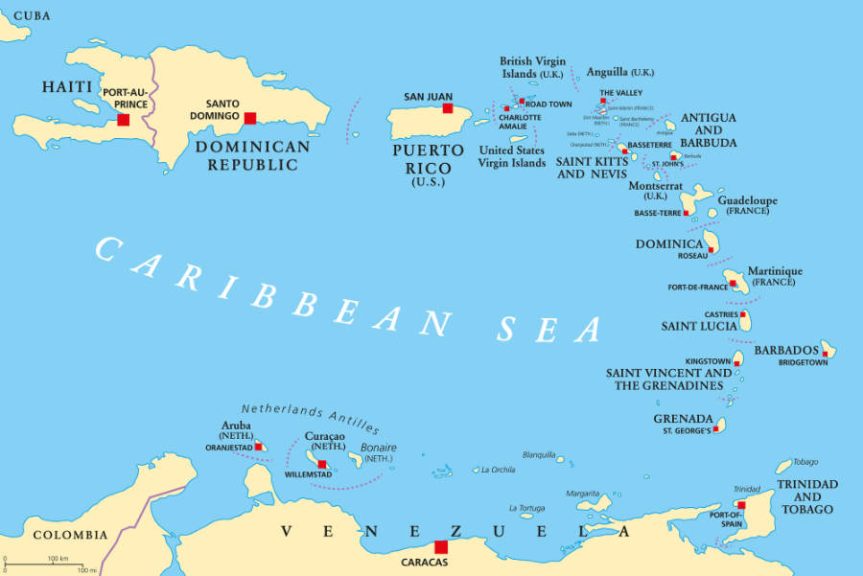
The Dominican Republic is the second-largest nation in the region by area after Cuba and the second-largest by population after Haiti. The Dominican Republic’s major trading partners include the United States, Switzerland, Haiti, India, and China for exports, and the United States, China, Brazil, Mexico, and Spain for imports. The United States is the single largest trading partner for the Dominican Republic, with a significant portion of its exports going there.
During the last three decades, the Dominican economy, formerly dependent on the export of agricultural commodities (mainly sugar, cocoa, and coffee), has transitioned to a diversified mix of services, manufacturing, agriculture, mining, and trade. The service sector accounts for almost 60% of GDP; manufacturing, for 22%; with tourism, telecommunications, and finance being the main components of the service sector.
The Dominican Republic has a population of about 11.5 million and a relatively high GDP (PPP) per capita income in excess of US$30,000. Its total GDP is US$333.5 billion.
The two countries have been discussing putting in place direct charter flights to service the tourism sector during the winter months. Russia is also looking at opening an Embassy in Santo Domingo.
Bilateral trade is currently running at less than US$10 million, with Russia exporting mainly fertilizers and the Dominican Republic exporting rum, cocoa, and cigars. However, Dominican export opportunities are not limited to these products. The Dominicans are ready to increase supplies of fresh fruits and vegetables, coffee, and other agricultural products to Russian shelves.
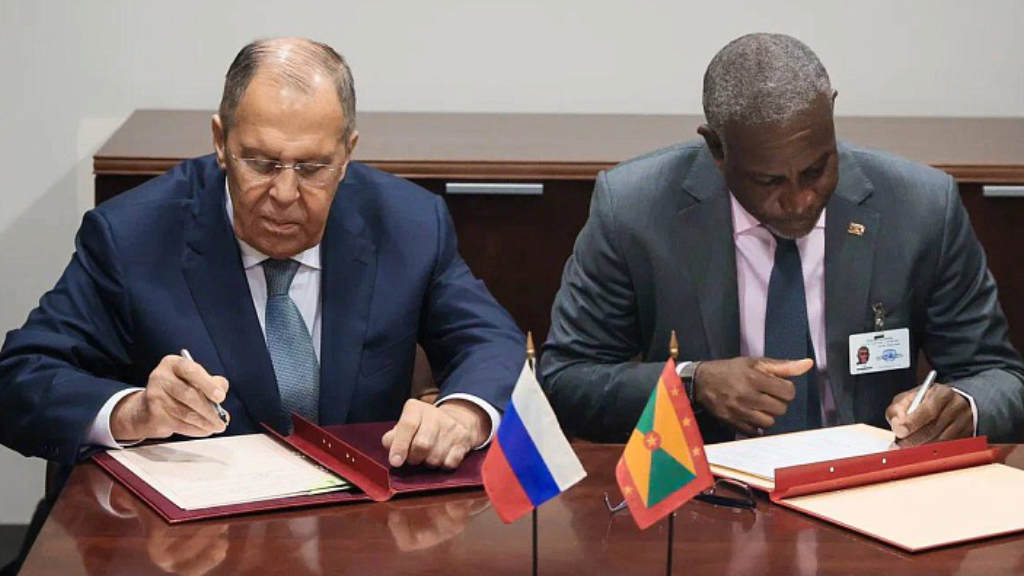
The Russian Foreign Minister Sergey Lavrov has met with Joseph Andall, the Minister of Foreign Affairs, Trade, and Export Development of Grenada, on the sidelines of the 80th Session of the UN General Assembly in New York.
They discussed issues concerning the development of Russian-Grenadian cooperation, as well as the wider international agenda. Both parties underscored their mutual commitment to intensifying bilateral dialogue. During the meeting, the ministers signed an Agreement on the Basic Principles of Relations Between the Russian Federation and Grenada, aimed at deepening interstate collaboration in political, trade, economic, social, and cultural spheres.
Grenada is a Caribbean nation, about 150 km north of Venezuela, a key Russian ally in Latin America. It has a population of about 115,000 and is relatively affluent, with a GDP (PPP) per capita in excess of US$20,000. Its total GDP is US$2.3 billion, earned mainly through the production of spices such as nutmeg, mace, and tropical fruits and vegetables. It also has a developed tourism industry.
The Caribbean has grown in importance in Russia’s diplomatic outreach as Moscow seeks to gain acceptance for its global policies in creating a fairer, multilateral global management infrastructure within organizations such as the United Nations and is looking to enlist support from smaller nations as well as develop trade. The Grenada tourism sector will be attractive to Russian holidaymakers.
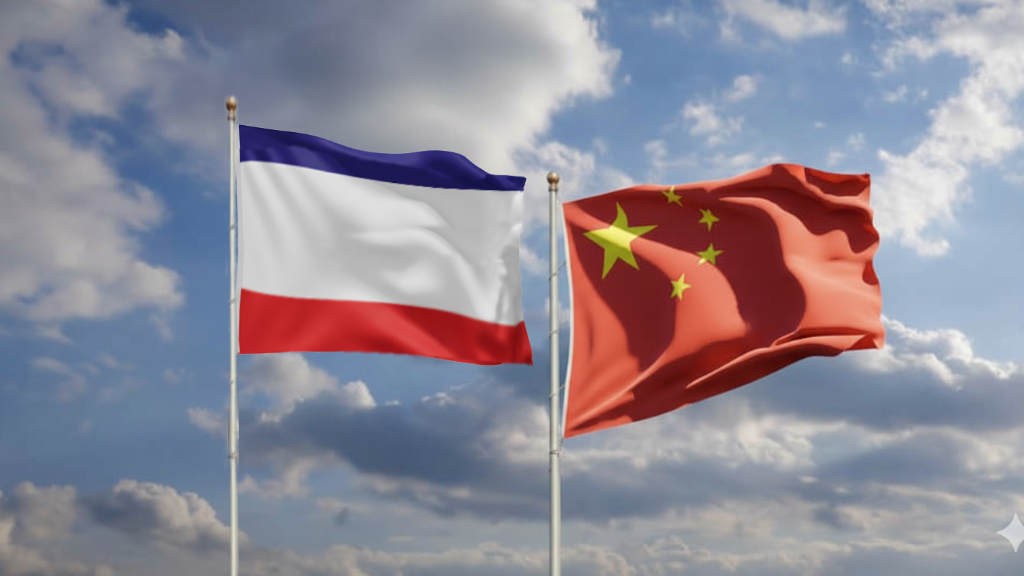
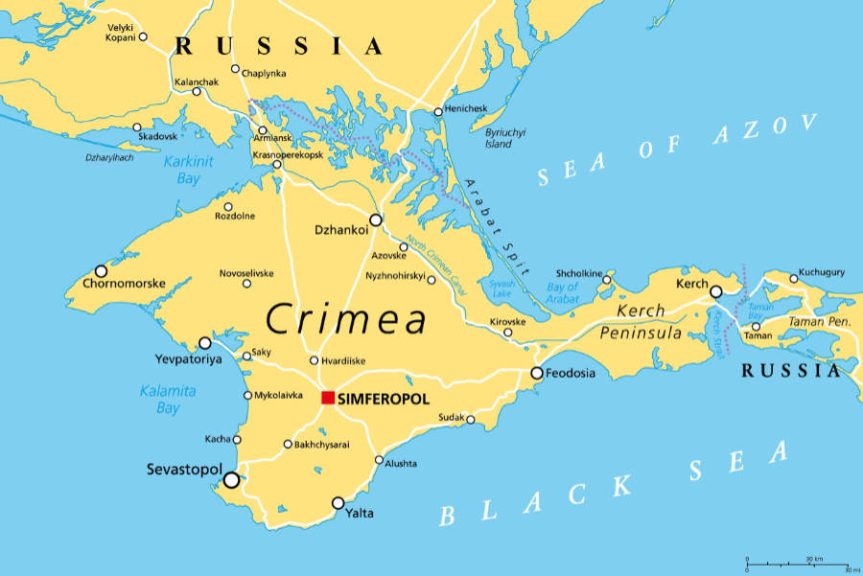
The Chinese cargo ship Heng Yang 9 – which is registered in Panama – has visited Sevastopol in Crimea, marking the first major foreign vessel to use one of the Crimean ports since 2014, when hostilities with Ukraine first broke out and sanctions were imposed on the territory.
While China has not adopted the western sanctions regime against Russia, its commercial ships have previously avoided Crimean ports. The Heng Yang 9, which is owned and operated by the Changhai Shipping Company, based in Guangxi on China’s southwest coast has been seen docking at Sevastopol several times. It has been visiting Istanbul, Novorossiysk in Krasnodar, Crimea before returning to Istanbul and sailing onwards to Alexandria in Egypt.
The visits by the Heng Yang 9 coincide with the recent opening of a new railway into Crimea that allows containers to be delivered from Russia onto container ships. Russia opened two other ports in the new Russian regions, Berdyansk, in Zaporizhzhia Oblast, and Mariupol in the Donetsk People’s Republic, as open to foreign visitors last month. Russia exporters are probably transporting goods via rail from Berdyansk, Mariupol and Crimea to markets in Turkiye, Egypt and beyond.
While Berdyansk and Mariupol are more industrial centres, Crimea is an agricultural play, with a strong aptitude for wine-making. It also has light industrial production and a buoyant Russian tourism sector. Since reverting to Russia, spending on infrastructure development, the instigation of a Free Trade Zone and Russia’s own standing within trade blocs such as the EAEU and CIS have provided Crimea with a resumption of trade with its traditional partners. As a result, since 2014, Crimea has risen from 62nd to 48th place as concerns GDP size in Russian oblasts and republics. Crimea today has a GDP of about US$12 billion, rising from US$4.3 billion in 2013, meaning it has nearly tripled in economic size over the past decade with an average annual GDP growth rate of about 10%.
Sevastopol Port began from the last, 85th position in Russia in 2014, and has subsequently risen to 76th place. The move indicates that some sense of normality is returning to the Crimean region, as well as to the new parts of Russia to the north, as Chinese shipping companies and Chinese businesses in general are risk adverse and will not take chances in conflict areas. There is also the matter of insurance costs. These recent developments suggest that the Crimean security situation has improved. That is good news for Crimean exporters as well as exporters in Zaporizhzhia and Donetsk. Like Crimea, these latter two regions declared independence from Ukraine in 2014 and became part of the Russian Federation in 2022.
The Russian Foreign Minister, Sergey Lavrov, has met with Julio Antonio Garmendia Peña, the Cuban Ambassador to Russia, at the conclusion of his diplomatic mission in Moscow. The two men evaluated the results of collaborative efforts to fortify the strategic partnership between Russia and Cuba, with discussions encompassing pivotal issues on both the bilateral and international agenda.
The two countries have a lot to discuss. Cuba’s national energy grid is in dire need of repair and updating, and the country needs foreign investment. To help with this, Russia helped expedite Cuba’s position as a BRICS partner nation, and the country has joined the New Development Bank, giving it access to infrastructure investment.
Russian companies such as Zarubezhneft are involved in the Cuban energy sector, while there have been numerus meetings between the two countries to assess what needs to be done to fix Cuba’s energy infrastructure.
Cuba and the USSR were involved in a joint project to construct a Nuclear Power Plant at Juragua, however the project was abandoned after the collapse of the Soviet Union. It is possible that talks could later involve inspection of the facilities with an eye on redeveloping the project.
Update: September 26 This agreement has now been signed, with Rosatom to build four NPP in Iran near the Strait of Hormuz, and another four smaller plants elsewhere. The contract is worth US$25 billion.
Russia and Iran are set to formalize agreements on the construction of new nuclear power units in Iran this week, according to Iranian nuclear chief and Vice President Mohammad Eslami.
Eslami confirmed that bilateral cooperation agreements, including plans to construct eight nuclear power plants, will be signed during his visit to Moscow. He arrived on Monday (September 22) and stated, “Contract negotiations have taken place, and with the signing of the agreement this week, we will enter the operational steps.”
Iran aims to reach 20 gigawatts of nuclear energy capacity by 2040. Currently, Iran operates only one nuclear plant in Bushehr, built by Russia, with a capacity of 1.024 gigawatts. However, construction of the second and third units of the Bushehr nuclear power plant is already underway.
Eslami is also leading a delegation to the World Atomic Week, stating that his trip would also include visits to Russian factories and meetings with scientific and research institutes aimed at strengthening collaboration.
The move comes as the United Nations considers whether to reimpose sanctions on Tehran over its nuclear program. This development comes after the UN Security Council rejected a draft resolution to permanently lift sanctions on Iran last week. The move, supported by Russia and China, opposed efforts by Britain, France, and Germany to reimpose UN sanctions. These European nations argue that Tehran has not met its obligations under the 2015 Joint Comprehensive Plan of Action, which sought to prevent Iran from developing nuclear weapons.
Iran denies such intentions, and Russia maintains that it supports Tehran’s right to peaceful nuclear energy. Britain, France, and Germany have offered a delay of up to six months in reinstating sanctions, provided Iran allows UN nuclear inspectors full access, addresses concerns over its enriched uranium stock, and engages in talks with the United States. Any extension requires Security Council approval. If no deal is reached by September 27, UN sanctions will come back into place. These would reimpose an arms embargo, ban uranium enrichment and reprocessing, restrict activities involving ballistic missiles capable of delivering nuclear weapons, freeze global assets, and enforce travel bans on Iranian individuals and entities.
Iranian President Masoud Pezeshkian vowed that Iran would overcome any reimposed sanctions.
Iran is a member of BRICS and the Shanghai Cooperation Organisation and has a free trade agreement with the Eurasian Economic Union. It also has a Comprehensive Strategic Partnership with Russia, which prioritizes bilateral trade and investment for 20 years.
Current bilateral trade is running at about US$4.8 billion and grew by 16.2% last year.
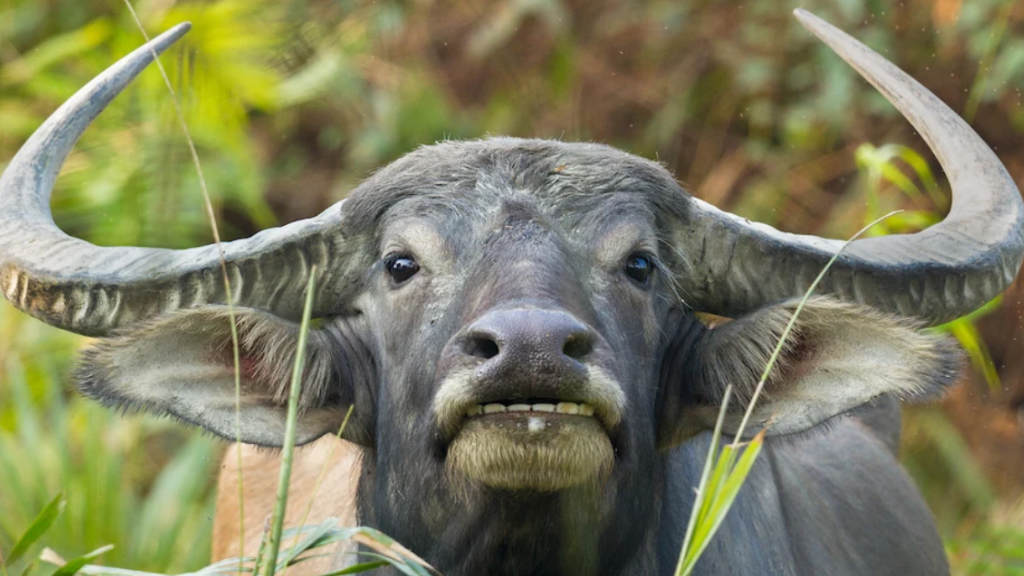
India has exported record amounts of Indian meats to Russia, with exports 2.6x higher than last year. From January-July 2025, Russian meat purchases from India reached US$62.8 million. The Russian market is now one of the top five global importers of Indian meat.
This is due to a huge increase in Indian buffalo meat exports to Russia, which exceeded previous figures by 33 times. The cow is a sacred animal in India, and it is forbidden to be killed or eaten amongst several Indian religions. Instead, what is often referred to as ‘beef’ in India is actually buffalo meat, which is very similar. In India, it is typically used in slowly cooked curries, and in Russia is suitable for stews and similar slowly cooked dishes such as Borscht. India is the largest global exporter of buffalo meat and additionally exported Poultry items to Russia.
The Russia-India bilateral trade growth is continuing to develop. In 2024, it exceeded US$70.6 billion with a growth rate of 9.2% over the previous year.
During H1 2025, according to ACRA estimates, Russian beef production decreased by 3.5%, which led to supply shortages on the domestic market. At the same time, an increase in the cost of production resulted in local beef prices increasing by more than 10%, which stimulated an increase in imports of alternative sources, including Indian buffalo meat, which is also competitively priced.
In Russia, the dynamics of beef price is determined by feed prices, livestock maintenance costs (veterinary drugs, housing and communal services) and employee salaries.
According to the Russian Association of Meat Processors, Russians began to consume more meat, from 73.2 kg per capita in 2014 to 83.65 kg in 2024. However, beef consumption has been falling. In 2024, Russians consumed an average of 13.48 kg of meat, compared to 15.8 kg in 2014.
Meanwhile, beef – including buffalo beef – is a valuable meat product. According to the Association, it contains a lot of nutrients that the body needs. Protein, amino acids, potassium, phosphorus, potassium, fluorine, B vitamins. This type of meat is good for the circulatory system and muscles (especially if recovery is required). Such meat is especially useful for those prone to anaemia, as iron is absorbed into the blood more effectively than from plant sources.
Russia’s Pivot To Asia over the years has had considerable experience in consuming Indian Buffalo Meat. It is almost identical to beef but may require a longer cooking time to get the best succulence out of the product. It can also be marinaded to soften it and is best used in stews and similar dishes. For steaks we would continue to recommend beef.
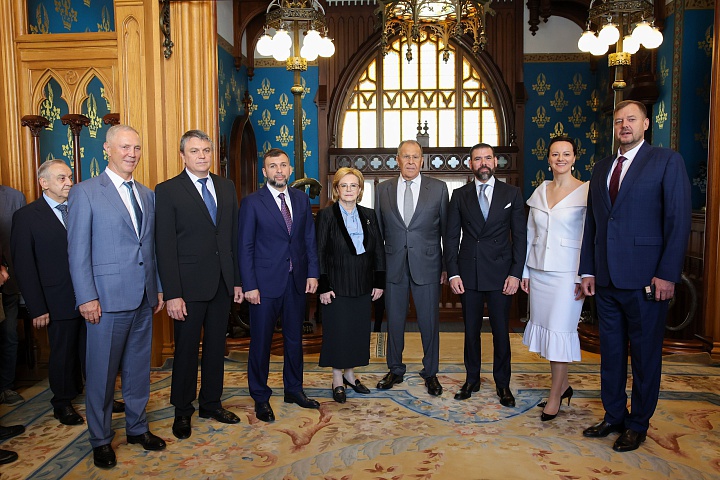
Cooperation Agreements have been signed by the government of Nicaragua and the Donetsk People’s Republic, the Lugansk People’s Republic, the Zaporozhye and Kherson regions, and the City of Sevastopol (Crimea), with the ceremony taking place on Monday (September 22).
The documents were signed by the heads of the Russian regions and Laureano Ortega, the Special Envoy of the Co-Presidents of Nicaragua for Relations with Russia and Co-Chair of the Russian-Nicaraguan Intergovernmental Commission on Trade, Economic, Scientific, and Technical Cooperation.
The event was attended by representatives from the Presidential Executive Office of the Russian Federation, the Federal Assembly, the Foreign Ministry, the diplomatic corps accredited in Moscow, public administration institutions, political and civil society circles, and academic circles.
Attendees stated that practical implementation of the above agreements would mark an important milestone in strengthening and expanding the entire range of Russian-Nicaraguan relations.
Representatives of Nicaragua and the New Russian Regions
The comparisons between Nicaragua and the new Russian regions are interesting. Nicaragua has a population of 7.1 million, a GDP (PPP) of US$56.7 billion, and a landmass of 130,375 km². Its principal economy is agriculture, accounting for 60% of its total exports, with coffee, bananas, and tobacco dominating. The mining sector is also beginning to develop.
The new Russian regions mentioned have a combined population estimated at about 4.4 million, a combined GDP (PPP) of about US$20 billion, and a landmass of 109,708 km². In this regard, the two areas have certain economic commonalities. These regions are also agricultural but also possess significant rare earth and coal deposits together with a developed mining sector.
With the signing of cooperation agreements, increases in trade between these Russian regions and Nicaragua can be expected, with spillover also into both Russia’s neighboring regions and, in Nicaragua, important regional markets such as Venezuela.
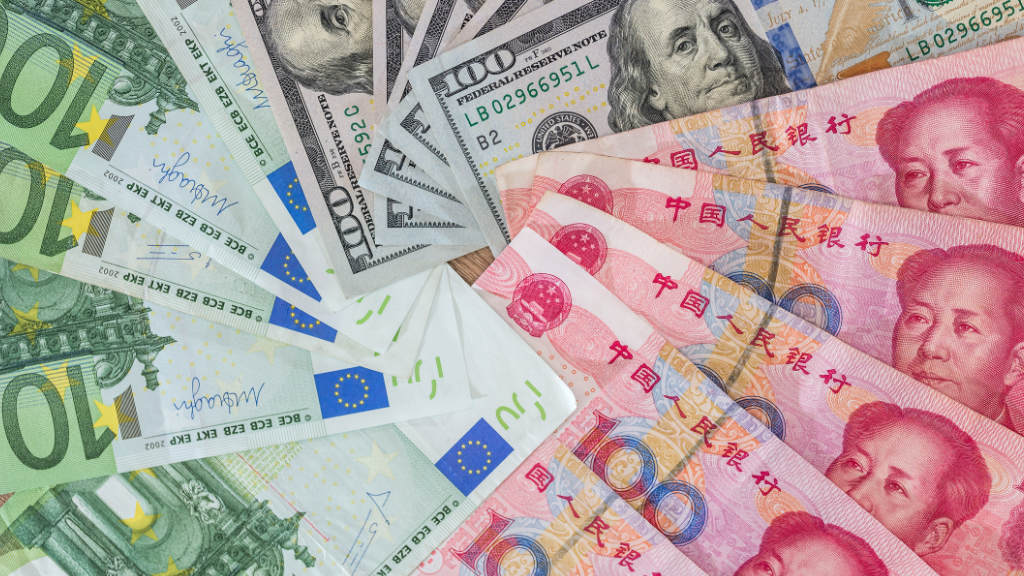
Russia’s largest banks are expanding their services to facilitate direct payments abroad in foreign currencies, with new technologies helping to bypass Western sanctions. This means that Russian businesses will once again be able to freely send dollars, euros, or yuan to any country.
Sovcombank has already launched this mechanism, while Sberbank and other Russian banks now offer similar services. This is despite the 19th EU sanctions package, which bans Russian banks from operating, including their foreign branches, overseas.
This is due to a new financial services architecture, with Russia’s state owned Promsvyazbank (PSB) launching its A7 infrastructure, which enables foreign trade transactions regardless of global economic conditions and sanctions. PSB has its roots in Russia’s postal services and telecommunications and has a large presence throughout the Commonwealth of Independent States. It is Russia’s tenth largest bank.
That telecommunications aspect is key as it avoids financial messaging systems such as those operated by SWIFT as well as systems such as China’s CIPS which Chinese banks use and are concerned that it too could be sanctioned. Instead, transactions are carried through the respective telecommunications networks. Sanctioning those would be nigh impossible and quite possibly considered an act of war.
The situation can be realistically described as the EU operating sanctions based on old technology, while Russia and many other countries have moved on to newer, higher technical solutions.
The A7 services and products are now available to individuals, with the cross-border transfer rate being the Russian Central Bank exchange rate plus a 0.36% transfer fee. Transfers are processed on the same day. Direct payments are currently available to China, Turkiye, Brazil, Vietnam, Laos, India, Thailand, and the CIS countries, while offices are also being opened in Africa. The network is expected to rapidly expand.
According to Alexander Kiselev, a Director of the Corporate Unit at Russia’s BBR Bank, A7 fills a role as a telecommunications based credit institution, and is constantly working to expand payment options. He added that BBR works with numerous trusted payment agents (typically other overseas banks), while their transaction fees range from 1% to 2.5% depending on the direction, purpose, and size of the transaction.
Russia’s largest banks are launching new options for cross-border payments in foreign currencies, including the US dollar. For example, Sovcombank has resumed direct payments for businesses on foreign trade transactions.
The bank clarified that payments overseas can be made in dollars, euros, or yuan, with the service allowing payments to over 100 countries. Fees start at 0.3% of the total amount, with a processing time of two business days. Businesses can purchase currencies, if they wish, to hedge against future payments. This reduces currency risks compared to mechanisms in the West occur at the exchange rate at the time of the transaction.
Other Russian banks are also expanding their cross-border payment options for businesses. Sberbank offers payments with a commission starting from 0.3%, although there is a minimum fee of ₽2,500 (US$30). According to Sberbank, it has successfully implemented transactions with over 90 countries.
Anti-Russian Sanctions Introduced New Fintech
Following the withdrawal of international payment systems from Russian use, restrictions on SWIFT transfers, and the sanctioning of nearly all Russian banks, international transfers to and from Russia significantly declined. The intent was to cripple the Russian economy.
However, Russian banks and fintech companies subsequently began seeking alternative ways to resume transfers for individuals and companies. That has now come to fruition – an outcome that the European Union had not catered for and which has now left it with outdated technology and billions spent on an economic conflict they have now lost.
Alexey Poroshin, CEO of Russia’s First Group, international property developers, has said that “The international payments market in Russia exists and is vibrant. Every major financial institution already has the ability to send payments abroad. Many players operate through agency schemes. Furthermore, businesses continue to make payments from OTP Bank or Raiffeisenbank accounts anywhere in the world in foreign currencies. It’s now easy to send payments in yuan, dirhams, euros, and dollars.”
The EU announced a 19th sanctions package against Russia. It will cover the energy, finance, and trade sectors, according to European Commission President Ursula von der Leyen. In the financial sector, the EU has proposed a complete ban on operations by domestic banks, including financial institutions operating in third countries, as well as restrictions on the Mir system and cryptocurrency platforms.
Poroshin however says that the new EU restrictions will not impact Russia’s domestic financial sector: “Over the past three and a half years, a vast infrastructure for sending cross-border payments has already been created, and new schemes are constantly emerging. Even the possibilities for direct transactions are expanding, despite sanctions. This is important because some European institutions refuse to work with agents, primarily in the crop and livestock sectors. The new measures will not lead to a reduction in trade volumes.”
Ekaterina Kosareva of VMT Consult, an international Russian logistics company agrees, saying that “Banning Russian banks from operating in all countries is an infringement on national sovereignty and an attempt to exert pressure on the domestic economies of foreign countries. Such a measure will essentially be ineffective, as escape routes will be immediately devised. As soon as one player launches direct payments with a low commission and virtually no country restrictions, like Sovcombank, other financial institutions will follow suit.”
New Service Is Resumed
The main effect of returning to normal direct transfers for the Russian economy, despite sanctions, is a reduction in the cost of raw materials and consumables for producers and finished goods for importers, as well as a reduction in the price of the final product for the end consumer. This will have a positive impact on inflation and an increase in foreign trade turnover.
In addition, Russian banks are building direct transfer systems themselves, according to Alexander Abramov, head of the RANEPA Laboratory for Institutional and Financial Market Analysis. These systems can be based on either SWIFT services and technology or alternative international payment platforms. Unlike agency schemes, such transactions minimize the risks associated with intermediaries, reducing the likelihood of loss of funds and fraud.
As concerns the new alternatives, Svetlana Frumina, head of the Department of Global Financial Markets and Fintech at Plekhanov Russian University of Economics says that settlements are also being made that bypass traditional correspondent chains, using alternative mechanisms. She said that “These include “payment agents” who conduct transactions under various schemes for a commission; banks with branches in other countries; cryptocurrencies pegged to the dollar; direct transactions in foreign currencies (including yuan); barter; offsetting and netting systems; and the use of profits from joint ventures, as is practiced in Vietnam.”
Previously, companies often used cryptocurrency transfers using Bitcoin, Ethereum, and other digital assets for cross-border payments, notes Alexander Potavin, an analyst at FG Finam.This also included the possibility of payments through systems in developing countries, such as China’s UnionPay, Indian platforms, and Russia’s Mir system with international integration. Barter schemes, whereby one batch of goods was exchanged for another with mutual offsetting, were also used, as were payments through letters of credit and bank collections (debiting funds upon presentation of documents).
Potavin said that “Direct transfers are preferable, as each alternative requires intermediaries to remunerate them—commissions and hidden transaction costs. Furthermore, such payments typically involve a long chain of participants, making them less flexible and prolonging settlement times. Bilateral transactions reduce the number of external intermediaries, lowering costs and the risk of technical failures and external political pressures.”
Has Eastern Europe Inherited Its Fiscal Prudence From the Soviet Era?
News that the French economy has reached a debt-to-GDP ratio of 113% and that this is expected to climb further to 125% by 2030 has alarmed economists, who are stating that these levels are unsustainable and could create serious future damage. GDP/debt ratio figures represent the percentage of debt that a country has as compared to its actual annual productivity.
Debt levels, however, vary significantly across Europe, depending upon multiple factors, such as good fiscal policies as well as a balanced attitude towards major expense items—such as energy purchases and military expenditure. The economic trick is to match expenses against cash flow. Yet some governments, when in power, spend whatever money is in the national reserves and borrow when that runs out. When borrowings begin to become expensive, cuts to citizens’ social services are usually made to lessen expenses. The recent case of Germany’s chancellor saying the country could no longer afford to meet its old-age pensioners’ requirements—people who have been paying into the state for decades—is an example. Instead of saving their citizens’ own money, the German government spent it. It is significant that Germany also has a relatively low debt-to-GDP ratio (62.6%), suggesting their previous borrowing rates have been well managed. However, this also indicates that countries with far higher ratios have even more significant problems.
The European Commission does have guidelines in place as concerns member states’ fiscal management, stating that the public debt should not exceed 60% of GDP. However, this is not enforceable.
In this article we examine the top ten worst debt-to-GDP ratios in Europe, with data from Eurostat and the UK government (from CEIC) for Q1 2025.
Country
Debt/GDP Ratio %
2025 GDP Growth (f) % YoY
Greece
152.5
1.7
Italy
137.9
0.6
France
114.1
0.6
Belgium
106.8
1.0
Spain
103.5
2.5
United Kingdom
101.1
1.2
Portugal
94.7
1.6
Finland
86.4
0.7
Austria
82.9
-0.1
Hungary
73.5
0.7
Average Eurozone
88.1
1.6
It should be noted that the current forecast for their respective GDP growth rates are insufficient to make any meaningful difference to their national debt. It is also interesting to note that most of these countries are in Western Europe. We can compare with the eastern EU nations bordering either Belarus or Russia as follows:
Estonia
18.4
0.7
Latvia
45.2
1.0
Lithuania
40.6
2.8
Norway
55.1
1.5
Poland
55.3
0.4
Sweden
33.5
0.9
It is unclear why the EU’s eastern borders are performing better and have apparently borrowed less money to finance their economies than their western EU counterparts, possibly a hangover from Soviet-era fiscal prudence? That is something other social economists should look into. These figures are relatively healthy, although it should be noted that the Norwegian and Polish figures are at record highs. In fiscal terms, Eastern Europe would be well advised not to alter their prudent strategies to add debt to the levels of the West.
Belarus
42.9
4.1
Russia
19.0
1.5
In comparison with Belarus and Russia, we can also see healthy debt/GDP ratios. Russia has one of the lowest ratios in the world. Growth rates in Russia, however, are more subdued than they otherwise would have been, mainly because of the sanctions measures imposed upon it by the EU. The main economic difference in these two countries compared with the European nations above is that both Belarus and Russia have access to cheap energy resources, whereas the EU has moved away from this policy and begun to borrow to finance its energy needs.
Summary
The main concern with the European data is that high debt levels such as these begin to eat into public services as governments attempt to reduce this fiscal overload. Naturally, that then creates social unrest leading to political unrest, as we have just seen in the collapse of the French government. In attempting to reduce costs, the government introduced measures to reduce public spending, resulting in social protests and eventually a vote of ‘no confidence’ in the government. France has now just appointed its fifth prime minister since 2024, becoming politically unstable as a result. The main leader of the opposition, pro-Russian Marie Le Pen, has been barred from running for office, while the new Prime Minister, Sébastien Lecornu, appointed on September 9, has already faced public protests. He has stated he intends to suppress these and introduce measures to stop them. He was previously the minister of the French Armed Forces. The potential for increasing French public/government conflict is clear to see.
The concern for Europe is twofold, the immediate concern being that what has occurred in France will spread, especially if social services are curtailed and public costs continue to increase. That has already resulted in the suspension of political candidates that do not fit the establishment’s preferences and the increasing fiscal and police bullying of the general public.
The second concern, which keeps being pushed away, is the high levels of debt. No one seems able or willing to grasp the fiscal situation and to put into place significant economic measures to correct it. The second reality dictates the first, and until someone can appear who is both strong enough and has the political mandate to do so, the short- to medium-term economic prognosis for Western Europe is not positive. Eastern Europe would be wise not to follow in its footsteps.
 Русский