News

BRICS, Russia and China: 2024 Developments and Implications

Published on October 24, 2024

Vladimir Putin has met with Xi Jinping, the Chinese President, at the BRICS Summit in Kazan.

This is what they had to say:

Putin:

“Chinese comrades and friends,

I extend a warm welcome to all of you here in Russia, particularly in the Republic of Tatarstan, in Kazan, the capital of the Republic. This region is distinctive, fascinating, and rapidly developing within our nation. The people of this region, known for their industriousness and talent, can indeed take pride in their significant achievements and developmental progress.

I would like to extend my personal congratulations once again to you, my dear friend, to all our Chinese friends, and to the amicable Chinese people, on the recently celebrated anniversaries. I refer to the 75th anniversary of the founding of the People’s Republic of China and the establishment of diplomatic relations between our countries.

Over the past 75 years, Russian-Chinese relations have attained the level of comprehensive partnership and strategic cooperation. We can assert with complete confidence that these relations have become a paradigm of how inter-state relations should be constructed in the modern world. Our multifaceted cooperation is characterised by equality, mutual benefit, and an absolutely non-conformist nature.

After last year’s record in mutual trade, Russia and China have maintained dynamic economic growth and economic interaction despite the negative external impact. According to our data, bilateral trade increased by 4.5% in January-August. Chinese statistics are slightly different, but on the whole, the positive trend persists.

The agreements reached at our talks in Beijing in May and the meeting on the sidelines of the SCO summit in Astana are being consistently implemented. We are successfully executing joint projects in energy, industry, high technology, transportation, agriculture and many other domains.

A new logistics centre has been built here in Tatarstan, named after Deng Xiaoping. This centre facilitates cargo transportation between our countries.

Humanitarian ties are also growing stronger, and cultural events are taking place as part of cross-year programmes. A total of 40 such events are planned on both sides. Mutual tourist flows, sports and educational exchanges are growing as well. As I was getting about the Kremlin yesterday, I saw large groups of Chinese tourists right there, in the heart of Russia, at the Kremlin in Moscow, as has been invariably the case in recent months and years.

Russian-Chinese cooperation in global affairs is one of the main stabilising factors in the international arena. We intend to further expand coordination at all multilateral platforms to ensure global security and promote a fairer world order.

We value the traditionally high level of Russia-China cooperation within BRICS. Over the years of our joint work, the group’s influence and prestige has considerably grown. We intend to further strengthen that entity, and we did everything we could in this regard while Russia was chairing it.

I am glad of this opportunity to meet with you before the summit, to make sure we are on the same page and discuss the bilateral agenda and international issues.”

Xi:

“Mr President, my dear old friend,

I was delighted to receive your invitation to come to the ancient city of Kazan to attend the 16th BRICS Summit. This is our third meeting this year. The BRICS Summit is taking place in Kazan, and I learnt a lot about this city. I know that this summit is of great importance. I found out that, 400 years ago, the Great Tea Road, which connected our countries, also passed through Kazan. Chinese Wuyi tea was brought to Russia via this route.

At the beginning of this month, we exchanged congratulations on the occasion of the 75th anniversary of our diplomatic relations. Over the past decades, China-Russia relations have withstood the test of a changing international situation, come a long way and acquired an unprecedented character. We have taken the right path of building relations between great powers on the principles of non-alignment, non-confrontation, and non-direction against third parties.

In this new era, you and I always pay greater attention to bilateral relations and monitor them personally.

Both countries are committed to the spirit of eternal good-neighbourliness and friendship, as well as comprehensive strategic interaction and mutually beneficial cooperation, and constantly enhance and expand multifaceted strategic interaction and practical cooperation in all areas, thereby giving a powerful boost to national revival and modernisation, making a major contribution to the well-being of the two nations and the protection of international justice.

During this unprecedent tectonic transformation, unseen for centuries, the international situation is undergoing serious changes and upheavals. However, this cannot shake my conviction that the strategic choice of the two countries in favour of firm mutual support, the deep centuries-old friendship between our countries, and China and Russia’s sense of duty as great powers are inviolable.

BRICS is perhaps one of the most important platforms to consolidate the broad developing world and emerging market countries. It is a system-forming factor in the creation of equal, orderly multipolarity and generally accessible inclusive economic globalisation.

The BRICS Summit will be crucial for the promotion of cooperation within the greater BRICS. We appreciate the enormous work done by Russia as part of its chairmanship, which has largely facilitated the successful beginning of cooperation within the greater BRICS. We praise it.

I look forward to a substantive discussion with my BRICS colleagues, first and foremost with you, on further development of our association, which will allow us to consolidate our positions and send a positive signal of solidarity and cooperation, but also to expand large-scale strategic interaction and practical cooperation within the group, hence opening up additional opportunities for the Global South countries and making a greater contribution to the cause of building a community of common destiny for humanity.”

Analysis & Implications

There is a great deal of warmth in the personal relationship between Putin and Xi, which your informant can personally judge for having seen them together on stage at previous bilateral events. Putin, for example, will often play the piano and Xi sing old Soviet-era songs (Xi’s wife was a popular singer). I have also seen them crack jokes. These are glimpses of a partnership that goes beyond purely practical matters and are rarely seen in the public eye. The warmth of this can be seen in their mutual address: “My dear old friend” for example.

We have extensively covered Russia-China bilateral at Russia’s Pivot to Asia over the year, with our most recent detailed analysis being the Russian Foreign Minister’s comments concerning geopolitical relations just two weeks ago. That can be viewed here and contains details of some of the joint projects Russia and China are involved in.  

Bilateral trade is expected to reach about US$240 billion this year, although the level of growth has been hampered by trade finance interference caused by Western sanctions. However, this means that while 2024 trade levels of 4.5% have been achieved, were solutions found, bilateral trade growth would in fact be far higher. Those solutions are on the horizon and potentially viable from mid-2025 and certainly by 2026. The unnatural depression created by Western sanctions can be mitigated against, suggesting a growth rebound could also shortly occur.

There are three main factors suggesting this is the case. First, Russia changed its banking laws in August to permit, for the first time since the Imperial era, foreign bank branches to actively trade in Russia. Chinese banks have expressed interest in this, as we described here. What is really interesting about this is that the banks concerned are not major banks. They are smaller, regional banks, with little to no international exposure. This means that any Western sanctions would prove ineffective against them, and they are subsequently likely to be repositioned to focus purely on Russia-China trade services in Ruble and RMB Yuan and nothing else. There are several smaller Chinese banks that could fulfil this role, with connectivity being based on SPFS/CIPS financial settlement systems.

Secondly, the BRICS Pay platform is now up and running, all that is now required is a national roll out in both Russia and other participating countries. It will take time to physically get the system into banks and retailers, however the platform exists and is operational.  It is only a matter of time before BRICS Pay – which completely avoids the SWIFT payment system but offers a similar, even better (faster and less expensive) service – becomes commercially available.

Both Putin and Xi know these advances are coming. As a result, Russia and China have been heavily involved in infrastructure development, being the third dynamic. There are a plethora of projects in hand, from River Transport Connectivity to cross-border Free Trade Zones, new cross-border Bridges, the development of key Russian cities such as Omsk as China logistics centres and the expansion of border crossings to expand capacity.

These are just a handful. In addition there are other infrastructure projects involving third party countries such as Mongolia and Kazakhstan also designed to improve connectivity and expand trade capacity.  

This has not been discussed much by the usual Belt & Road Initiative analysts (many of which are European based and may be under political pressure not to research the subject) but Russia has probably been the largest recipient of Chinese outbound investment in 2024. The reason behind these projects – and there are many others – is because both Russia and China are preparing for even larger volumes of trade. If the technical innovations kick in and prove workable, it is not implausible that Russia-China bilateral trade could push towards US$500 billion by 2030.

Further Reading  

Putin – 2025 Economic Growth to be in Russia, China, India and Saudi Arabia

BRICS, Russia, and India: 2024 Developments and Implications

Published on October 24, 2024

Vladimir Putin has met with Narendra Modi, the Indian Prime Minister at the BRICS Summit in Kazan.

This is what they had to say:

Putin:

“I am delighted to welcome you to Russia, this time to Kazan, a magnificent historical city on the Volga.

I warmly remember your visit to Moscow and our fruitful talks in July. We regularly speak on the telephone. I am grateful that you accepted our invitation and came to the BRICS Summit in Kazan in person.

Here in Kazan, we are to make a number of important decisions to enhance the efficiency of efforts made by BRICS and to strengthen multilateral cooperation within the group. We value our cooperation on this track, considering that our nations were instrumental in founding BRICS.

Russian-Indian relations are characterised by a special privileged strategic partnership and continue to develop actively. Interaction between legislative bodies is strengthening, and our foreign ministers are in constant contact.

Trade is also in good shape. The next meeting of the intergovernmental commission is scheduled for November 12 in New Delhi.

Large projects are consistently developing, and we welcome your decision to open a Consulate General of India in Kazan. Expanding India’s diplomatic presence in Russia will contribute to the further development of bilateral relations.”

Modi:

“First of all, let me thank you from all my heart for your friendship and the warm and hospitable welcome. I am happy to have the opportunity to visit the beautiful city of Kazan to take part in the BRICS summit.

India has deep-rooted historical ties with this city. Once the Consulate General of India opens here, our relations will become even stronger. This is my second visit to Russia in the last three months, which demonstrates the close coordination and strong friendship between our countries.

As you mentioned, we held a bilateral summit in July in Moscow. Our discussions helped promote our cooperation in all areas. You have successfully chaired BRICS since the beginning of the year, and I would like to congratulate you on this.

Over the past 15 years, the BRICS group has developed a special identity, and today many countries are interested in joining it. I am looking forward to our discussions within BRICS. 

We maintain regular contact regarding the ongoing conflict between Russia and Ukraine. As I said before, we believe that problems must be solved by peaceful means. We fully support the establishment of peace and stability as soon as possible. In all our efforts, we give priority to humanity, and we are ready to provide any possible assistance in the future.”

Analysis & Implications

Modi’s mentioning of the Ukraine conflict was to stress that New Delhi does not approve of any war and to maintain his anti-violence stance, which is generally a Hindu philosophy but also meant to be noted by Western powers that he does not want to alienate in showing full-blooded support for Russia. However, India is also not prepared to sacrifice its development for a relatively unimportant and potentially troublesome partner such as Ukraine. Following Modi’s visit to Kiev to discuss a peace plan, Ukrainian President Zelensky stated, among other insults, that “Modi and Indians are uneducated”, remarks that did not go down well in New Delhi.   

As concerns Russia, it is an entirely different picture. India is a rapidly growing economy and is currently both modernising and raising the welfare of its citizens at unprecedented rates. 2024 GDP growth is currently at 7%, one of the highest in the world. This is also being achieved with the world’s largest population – some 1.45 billion. But this requires huge amounts of energy, and without it, the Indian economy would falter, and probably usher in a worldwide depression.

Russia has therefore become an immensely important trade partner for India and is buying up all the cheap energy resources it can find. Bilateral trade is currently expected to reach US$65.6 billion by 2024, and the two leaders have pledged to increase this to US$100 billion by 2030. Much of this trade is in oil, but India is now also not just content with purchasing energy, it wants to be involved in the supply chains and added value sectors. For this reason, Russia is working with India in the building of the next generation of icebreakers in Gujarat, Western India, which will be deployed for work in the Arctic. Similar Russia-India ventures that insert themselves into trade and supply chains can be expected in the future.

The energy sector however is multisectoral, and India is also working with Russia over nuclear power plants as the country looks to rapidly improve its domestic energy output.

There are however significant balance of trade issues, with Russia acquiring far more Indian rupees than it can dispose of. Western financial sanctions have also become a trade hindrance. There are solutions, in that Russia has been using some of its massive rupee holdings – estimated to be worth about US$8 billion at the beginning of 2024 to invest in Indian securities – also good business for Modi. That amount has now been whittled down however and now stands at US$3.5 billion. Nonetheless, Russia is keen to have Indian companies sell more products to Russia to reduce the imbalance and further offload those rupees. The statement of trade increasing to US$100 billion made by both men is indicative that the Russia-India trade space is entering a new period of growth, dynamism, and innovation.

Putin is also involved in furthering the Indian influence on a global basis, something that Modi (and most Indians) feel is long overdue. That includes reform at the United Nations and a pledge by Putin to have India given a permanent seat on the UN Security Council.  How that happens given the United States is likely to veto any proposal of this type is unclear, however, the UN Secretary-General was also in attendance at BRICS and can be expected to be mulling the issue over.  

Further Reading

Russia To Start Exporting Lentils To India

BRICS, Russia, and South Africa: 2024 Developments and Implications 

Published on October 24, 2024

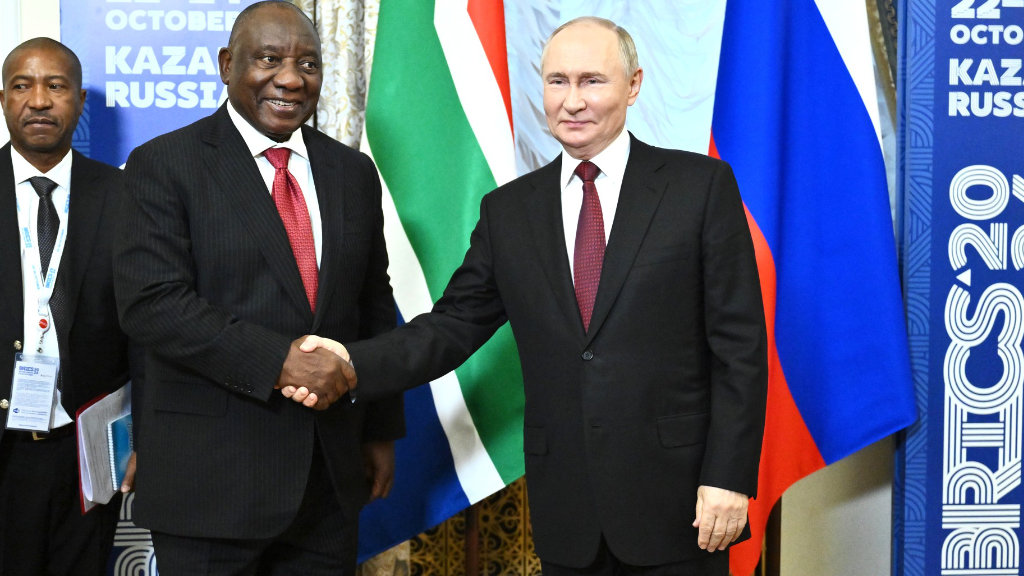
Vladimir Putin has met with Cyril Ramaphosa, the President of South Africa at the BRICS Summit in Kazan.

This is what they had to say:

Putin:

“We are delighted to welcome you all to Kazan, Russia. We are grateful for your decision to take part in the BRICS Summit. This year, Russia assumed the BRICS chairmanship, taking over from South Africa, and we have built our work taking into account the results achieved at the Johannesburg summit. Our focus has been on the seamless integration of new participants into the multi-level architecture of BRICS. In close contact with our South African friends, we have worked on coordinating the modalities for establishing the partner state status.

The relevant agencies of our countries collaborated in the financial sector to expand the use of national currencies in mutual settlements and to create an independent payment system.

Our bilateral relations are based on the principles of a comprehensive strategic partnership, equality, and mutual respect. Our political dialogue is progressing, and our foreign policy departments and security councils are actively communicating. Interparliamentary cooperation has been established.

Trade and economic ties between Russia and South Africa are generally positive. Following a brief dip, mutual trade volumes have started to increase, rising by 3% in January-August 2024. Of course, we need to work jointly on some aspects in order to expand and diversify mutual trade and investment. Promising spheres of cooperation include energy, industry, agriculture, science, and innovation.

Russia and South Africa closely coordinate their efforts on the international stage to establish a fair multipolar world order. Russia attaches special significance to strengthening relations with African countries. Collaborative work is underway to implement joint agreements approved at the Russia-Africa Summit in St Petersburg, notably a declaration and an action plan until 2026.

We look forward to hosting the head of your foreign policy agency in Sochi for the first ministerial conference of the Russia-Africa Partnership Forum, scheduled for November 9–10.”

Ramaphosa:

“Thank you very much. It’s a real pleasure to be here in Kazan, in Russia. We’d like to congratulate you for hosting and being the president of BRICS, having taken over from us. As South Africa, we are sure that you will be able to chair our meeting and our summit so that BRICS, as the enlarged BRICS body, will continue growing from strength to strength.

We also do look forward to participating with all other countries to deal with matters that are of such great importance in geopolitical terms and everything that is happening around the world, but also on matters that have to do with trade, climate change, peace, and security as well. So, we are delighted indeed to be here.

We’re also delighted to be here to brief you and others on the journey that we have embarked upon as South Africa. We’ve formed a government of national unity following our elections in May of this year. I briefed you on the telephone, but we will have time to talk more about that and inform you how the whole process of governing South Africa with a number of other parties is evolving as we have sought to unite the country and stabilize the country politically. And we’re rather pleased that with your support in every respect we’ve been able to reach this point in the history of our country.

So, we continue to see Russia as a valued ally, as a valued friend, who supported us right from the beginning, from the days of our struggle against apartheid right through to now. So, we’re really delighted to be here and to know that we are going to have important discussions here in Kazan within the BRICS family. So, thank you very much for welcoming us. Thank you.”

Analysis & Implications

Neither gave much away during their discussions, although Putin was only generally satisfied with the current trade levels. Current 2024 bilateral trade is running at about US$450 million in terms of South African exports to Russia and at about US$15 billion in terms of Russian exports. Russia exports mainly energy products, and South Africa mainly agricultural produce.

South Africa is however going through a period of some political change, with the ANC, a pro-Russian political party, losing majority power for the first time in the May elections this year. A coalition government is now in place, with South Africa now facing political pressure to turn to the West. Ramaphosa faces a tough task in uniting the ANC-Democratic Alliance coalition, and this may impact South Africa’s foreign policy.  

There are ongoing projects, such as Russia’s involvement in reenergising South Africa’s gas industry, and other mining projects.  

At present, while South Africa absorbs its political differences, the status quo in terms of development is likely to be maintained with future growth satisfactory rather than spectacular.

Further Reading

South Africa To Export More Wines To Russia

BRICS and the New Development Bank: 2024 Progress Report and Potential Expansion

Published on October 23, 2024

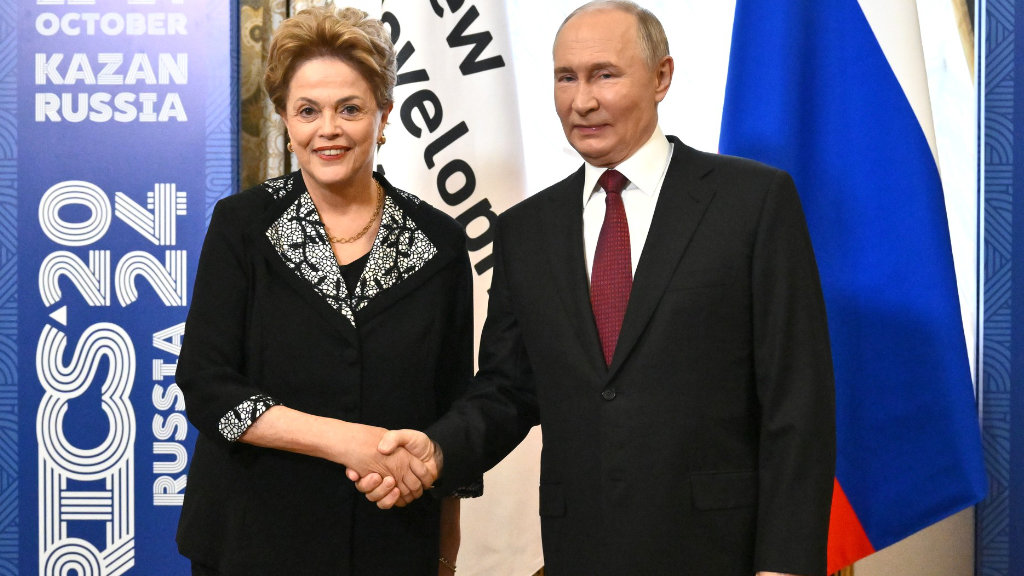
The Russian President, Vladimir Putin, has met with the President of the BRICS New Development Bank (NDB), Dilma Rousseff. The NDB acts as a BRICS development platform and invests in infrastructure projects, often in the green sector, in BRICS nations. Equity investors include Algeria, Bangladesh, Brazil, China, Egypt, India, Russia, South Africa, United Arab Emirates, and Uruguay. The NDB has a curious scenario in that it is currently not investing in Russia so as not to fall foul of Western financial sanctions. It has an authorised capital of US$100 billion and is headquartered in Shanghai.    

The meeting was also attended by Foreign Minister Sergei Lavrov, Deputy Prime Minister Alexei Overchuk, Deputy Chief of Staff of the Presidential Executive Office, Special Representative of the President of the Russian Federation for Financial and Economic Cooperation with BRICS States and Interaction with the New Development Bank Maxim Oreshkin, Presidential Aide Yury Ushakov, Minister of Finance Anton Siluanov, Central Bank Governor Elvira Nabiullina, and Director of the Latin America Department at the Foreign Ministry Alexander Shchetinin.

This is what President Putin had to say to Ms. Rousseff:

“Our previous meeting took place in June of this year in St Petersburg, on the sidelines of the International Economic Forum, where we deliberated on matters pertaining to the future operations of the Bank.

We hold in high regard the accomplishments you have achieved in recent years. It is, indeed, a strong, evolving and promising financial institution. Since 2018, the Bank has funded about 100 projects, amounting to a total investment of US$33 billion. The increase in the share of settlements denominated in national currencies helps reduce debt servicing costs, strengthen the financial independence of BRICS states, and minimise geopolitical risks, that is, free economic development from political influence, as much as possible in today’s world.

We anticipate your active engagement in the leaders’ meeting at the BRICS summit in Kazan. Your meetings with the BRICS leaders and your presentation on the Bank’s operations are also scheduled.”

Ms. Rousseff’s reply:

“It is a great pleasure for me to be here with the leadership of the Russian Federation. I believe that this BRICS meeting is of significant importance. At present, the countries of the Global South are in considerable need of financial resources, and the conditions for securing such resources are challenging.

As you have noted, we have indeed implemented and allocated a substantial amount of funds towards a variety of projects. However, this remains insufficient relative to the needs of the Global South. Therefore, it is crucial to provide funding in national currencies and in specialised formats. The New Development Bank is dedicated to this endeavour, funding not only sovereign projects but also private initiatives.

We are currently observing the BRICS group advancing through a new stage of its maturation. I am of the view that BRICS can also encompass additional countries from the Global South, enabling us to identify new areas and domains for cooperation. In this context, both the expansion of BRICS and our emphasis on ensuring the necessary financial resources for projects in the countries of the Global South are of paramount importance.”

Implications                    

Ms. Rousseff has apparently called for an expansion of the NDB’s investment capital, in response to two issues: there are many other projects that countries, especially in the Global South are in need of to enable them to reach their development potential. Secondly, the numbers of BRIC members are increasing, while the NDB’s authorised capital has remained the same since its founding in 2014. An NDB capitalisation increase may well be in the pipeline. 

Looking ahead, it will be interesting to note when the NDB establishes any new branch as this would be indicative of new markets. This will be in line with BRICS expansion, however with branches currently in Johannesburg, Sao Paulo, Moscow and Ahmedabad, the MENA region could be under consideration and especially as Egypt, Ethiopia and the UAE have joined the group.         

There are other issues coming to hand that may also change the nature of the bank from being a project financier to becoming involved in transactional services, and especially within the upcoming BRICS Pay financial payments system. In fact, the NDB may already be involved in some aspects – stakeholders in the BRICS Pay mechanisms remain secret. This may not be a direct involvement so as not to dilute the NDB’s core project financing mission, but it may well fund, hold equity or play an advisory role in the BRICS Pay platform.     

Meanwhile, there are differences in lending policies with the NDB and typical Western multinational lenders such as the IMF. Typically, the latter impose relatively high interest rates based upon a specific countries credit rating, and to further mitigate against risk, also require political changes in sovereign makeup, usually demands for democratic processes (which can be manipulated) and issues concerning human rights. These are increasingly being seen as exploitative and unnecessarily liberal – such as contemporary LGBTQ and transgender issues.

In contrast, the NDB does not impose non-financial conditions, it accepts the loan risk purely on the viability and desirability of the project in hand. Examples of recent NDB investment projects can be seen here. 

Further Reading

Zimbabwe Academic Compares IMF With BRICS Bank

Chinese and Vietnamese Banks Interested In Opening Branches In Russia

Published on October 23, 2024

Chinese and Vietnamese banks are interested in expanding into and opening branches in Russia, according to Anatoly Aksakov, the Chairman of the State Duma’s Financial Market Committee. Aksakov is also the head of the Association of Banks of Russia’s council.

He said “Several credit organizations from China, not the top tier or largest ones, are showing an interest in Russia and want to use new opportunities for opening branches. We now have legislation so that foreign banks can open branches in order to work here.” He was speaking at the Tolk financial and investment conference organized by TBank.

“We’re receiving signals; there is an interest in Russia. The economy is developing, and obviously, everyone wants to earn money. That includes the Chinese, they were actively giving us signals. We’ve received information from Vietnam that their banks are also ready to come here” he said.

Russian President Vladimir Putin signed a bill into law in August that permits foreign banks to open branches in Russia. Foreign banks will have the right to create no more than one branch in Russia. Such branches must have a full name in Russian, and no more than half of their employees can be foreign citizens. They will be obligated to observe Russian laws regarding anti-sanctions policies.  

Regarding Aksakov’s statement that the banks involved may not be the largest, this would fit in with our analysis that suggests that Chinese and Vietnamese banks with no other international exposure may well enter the Russian market as they have little to lose if hit by Western financial sanctions. Any resulting SWIFT cut-off from international transactions would simply be replaced with Russia-China connectivity via Russia’s SPFS and China’s CIPS financial transaction systems, and with Vietnam through Russia’s SPFS and Vietnam’s SBV and PSBM2 interbank systems. If this assumption is correct, this will mean that specialist foreign trading banks will evolve with a specific remit to handle only Russia-China or only Russia-Vietnam trade. There are likely to be other foreign banks emerging in the Russian trade space that specialise only in bilateral trade, especially from Asia.         

Russia’s 2024 bilateral trade with China is expected to reach about US$240 billion, although the potential is still higher. 2024 growth has been hampered by Western sanctions making payments between the two countries difficult – hence the need for a specialist Chinese transactional bank to handle this trade. About 90% of all Russia-China trade is now conducted in either Rubles or RMB Yuan.

Russia’s 2024 bilateral trade with Vietnam is expected to reach about U$4.7 billion, with similar issues to China – growth potential has been dampened by Western financial systems. However, changes in Russian banking regulations and the emergence of alternatives to SWIFT can be expected to minimize the longer-term impact of Western sanctions.

Further Reading

Russia’s New Digital, Crypto, Cross Border Finance and Foreign Banking Laws: An Explainer 

Russia’s Unusual, British, Slippery, and Fishy Bilateral Eel Trade

Published on October 23, 2024

Russia has been buying millions of eels from the UK’s only eel supplier, according to a report in the Guardian newspaper. It is a bilateral trade that raises almost as many questions as the surprising nature of the trade itself.

The European eel (Anguilla anguilla) is a protected, red-listed species, with the number of elvers migrating into European rivers having declined by 95% since the 1980s. In 2010 the EU, which at the time included the UK, banned the trade of European eels outside their natural range in Europe. That made and continues to make it impossible for the UK to export eels to EU countries. But a legal loophole makes it permissible to catch and export elvers (young eels) to non-EU destinations in their natural European range if they are used for conservation purposes, such as restocking lakes or rivers.

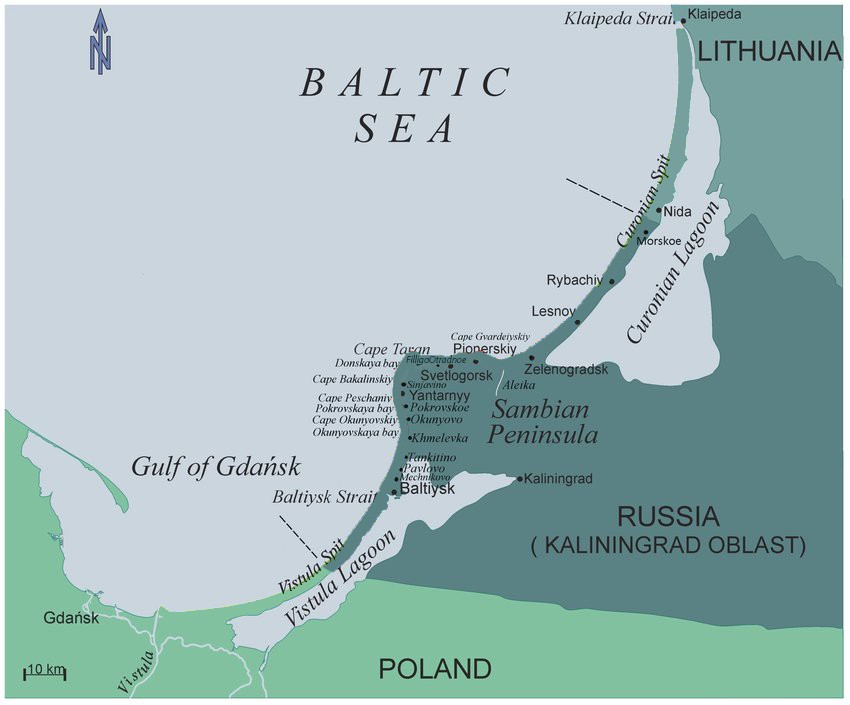
And this appears to be what is happening. European eels are also found in Russia, although this is at the eastern end of their natural range. But like Europe, Russian stocks have been declining. As a consequence, Russia is involved in a Russian Ministry of Agriculture level “restocking” conservation project, whereby young eels are placed in the Vistula and Curonian lagoons, huge brackish water lakes on Russia’s borders with Poland and Lithuania. From here, mature eels can reach the Baltic and return to their Sargasso Sea breeding grounds.

Vistula-Curonian Lagoons

Peter Wood of UK Glass Eels, who has been exporting elvers and eels for more than 50 years, said a ban on eel exports to Russia would stop their traditional fishery on the River Severn because there were no other markets to export to. Exporting eels to Asia is forbidden. “It would close the fishery. That will be hundreds of years of heritage and culture gone” Wood said.

Of the Russia restocking initiative, he said “This is a fantastic project. It’s probably going to be the largest stocking project in Europe once it gets going. Everybody is a winner.” That, it should be noted, includes Lithuania and Poland, both EU states, who are indirectly receiving Russian Ministerial assistance in the restocking of their parts of the Baltic lagoons. Eels don’t recognise national borders, nor sanctions.       

UK Glass Eels have exported one tonne of elvers, equivalent to about 3 million fish, to Kaliningrad this year, double the amount exported to Russia the previous year. Next year, the Russian Ministry of Agriculture plans to purchase up to 5 tonnes. Bilateral trade with Russia in terms of eel exports is not a sanctioned industry sector.  

However, this doesn’t mean there are not critics. Some have accused UK Glass Eels of helping Russia in its war with Ukraine, although the link does seem rather tenuous. Wood has stated that “Some of the criticism is the moral dilemma of working with Russia. But they’re not getting these eels for free. Every hundred kilos of glass eels they have, that’ll be one less missile they can afford to use.”   

Andrew Kerr, meanwhile, of the Sustainable Eel Group, a European-wide body working with scientists, conservationists and commercial fishers, described the Department for Environment, Food and Rural Affairs (Defra) permitting the export of glass eels to Kaliningrad as “bonkers” (British for ‘crazy’).  

According to Kerr, eels exported to the Russian port could be smuggled eastwards towards Asia, where there is huge demand for young eels to stock fish farms because no one has worked out how to captive-breed the enigmatic species, which can live for up to 50 years in European rivers and lakes before returning to their Sargasso Sea birthplace to breed.

“Trafficking in eel is the biggest wildlife crime of a living creature on the planet,” Kerr said. “It is such a risk to send them to Kaliningrad, the most notorious corner of Europe where everything is traded – humans, drugs, guns and eels.”

Of allegations that sending eels to Russia risked them being smuggled to Asia, Wood said: “I don’t think there is any evidence for that at all. This is a really forward-looking environmental project. We just do not see this level of care at a lot of these restocking projects in Europe. It’s absolutely transparent. The Russians send Defra (the UK Department for Environment Food and Rural Affairs) a very detailed report of the stocking that’s taken place and the mortalities in the quarantine station.”

Charles Foster, described as an expert (although we couldn’t find any books he has written about them) on the European eel, has stated that “The export of critically endangered species to an unknown fate cannot possibly be justified on the basis of tradition or economics or in any other way.”

According to the British government, applications to export eels are assessed on a case-by-case basis, and the single application from Wood’s company in 2024 met the requirements of the UK wildlife trade regulations. The eels were found to be legally and sustainably caught and there were no conservation factors judged to merit the application being refused.

A UK Defra spokesperson said: “We have robust rules and laws in place to safeguard protected species such as eels. Any applications to export them are scrutinised thoroughly by UK Cites authorities to ensure they are legal and sustainable. Any reports of illegal wildlife trafficking are taken very seriously and would be investigated by the Animal and Plant Health Agency and Border Force officials.”

A Fishy Business

There are several issues to consider here, in what is a somewhat amusing, yet illustrative trade.

Firstly, there are UK companies who wish to trade with Russia. In the case of UK Glass Eels, due to European regulations, it is matter of survival. Russia is now their only viable, legally accessible market.     

Secondly, there are anti-Russian, and anti-Asian ill-judged responses evident. The ‘eel expert’ Foster claims there is no way such trade is justifiable, when UK and Russian trade and ecological bodies suggest it is – restocking of over-fished sources. Both Kerr, of the ‘sustainable eel group’ and Foster both claim there is no way of knowing what happens to the eels exported to Kaliningrad. But this isn’t true: Russia, according to Wood, the exporter, states that Russia reports to the UK Defra about the eels. Neither Kerr nor Foster provide any evidence that Russia is instead re-exporting them to Asia.

In fact, the variety favoured in Asia isn’t the European eel at all. Three different types of eel are commonly consumed in Asia, being the Japanese fresh water eel (Anguilla japonica), the Salt Water eel (Anguilla rostrata) and the Paddy Field eel (Monopterus albus) all of which are different species to the European eel.

Kerr is also wrong when he states that “no one in Asia has worked out how to captive-breed eels”. In fact, China is self-sustaining and a world leader in eel production. China’s Fujian Province (near Shanghai) produces 43% of the national consumption, with Guangdong Province at 42%. Other regions such as Anhui Province and elsewhere make up the difference – and much more.

According to Rastech, an aquaculture magazine, China is a net exporter of eels, producing 85% of all eels on the global market. Simply put, China isn’t buying Russian sourced eels, and it is highly unlikely anyone else is either.

Kerr meanwhile is either ignorant or anti-Russian, and possibly both. He is also extremely rude about Kaliningrad, the third-largest city in the Baltic region, home to some 500,000 people. It has a GDP per capita (PPP) in excess of US$36,000, slightly below the Russian average but higher than the nearest Lithuanian city of Klaipeda at US$15,100, and similar to Gdansk, Poland’s largest seaport and its sixth largest city. Kaliningrad is a major production centre in the global amber trade, as well as being a Free Trade Port with significant shipping, fishing and manufacturing industries.   

The story is illustrative. It is good to know that some UK to Russian governmental communication is going on, and also good to see the Russian Ministry of Agriculture diverting funds to support ecological balance in what are European lagoons. It is also positive that British companies are still around that are Russia trade supportive.

On the other hand, the opinions of so-called ‘experts’ called in to refute such trade can increasingly be seen to be politically biased, rather than accurate in nature. However, it also seems that some more inquisitive research can expose such apparent bias. Much however still needs to be done to clean up the toxicity whereby whatever Russia does is viewed in a negative, inaccurate light, much of it deliberately so. 

Meanwhile, the status of the eels being deposited in the Baltic Lagoons on the border with Lithuania and Poland reminds us of an old Russian joke:

A European fisherman is looking to catch eels and instead reels in an enormous golden carp. The carp speaks to him and says “Mr. Fisherman! Please don’t catch and kill me for your dinner. I am a magical golden carp and I can grant you three wishes!” The fisherman then proceeds to beat the carp around the head with a large piece of wood to kill it. “Stop! Stop!” says the carp, ”Don’t kill me – I can give you three wishes!” The fisherman continues to beat the carp nearly senseless until the carp says “Stop! I can give you three wishes! Why do you want to kill me?” To which the fisherman replies “Stop…Speaking….Russian!”

Further Reading

Russia Wants To Reel In China’s Growing Fish Consumer Market

UN Secretary-General To Attend BRICS Summit As A Powerful Multipolar Group Emerges

Published on October 22, 2024

The Secretary-General of the United Nations (UN), Antonio Guterres, is to attend the 2024 BRICS Heads of State summit, which kicks off today (October 22) in Kazan, Russia. The UN is an official observer to the group, however Guterres personal participation sends a strong signal that the BRICS is very much now part of what is being termed a ‘multi-polar’ bloc as opposed to the increasingly isolated Western alliance built around the G7.

24 Heads of State will be attending the BRIC summit, including China’s Xi Jinping and India’s Narendra Modi. The two nations have just settled border issues between them – expressly to allow a more cooperative environment within the BRICS bloc.

The Geopolitical Importance of BRICS    

Currently the BRICS bloc includes Brazil, Russia, India, China and South Africa, together with Egypt, Ethiopia, Iran and the UAE. Saudi Arabia has still to ratify its membership. These countries are the primary drivers of their regional economic and trading blocs, including the following:

Brazil: Bienvenidos al Mercado Común del Sur (Mercosur)

Argentina, Bolivia, Brazil, Paraguay and Uruguay.

Russia: Eurasian Economic Union (EAEU)

Armenia, Belarus, Kazakhstan, Kyrgyzstan and Russia.

India: South Asian Association for Regional Cooperation (SAARC)

Afghanistan, Bangladesh, Bhutan, India, Maldives, Nepal, Pakistan and Sri Lanka.

China: Regional Comprehensive Economic Partnership (RCEP)

Australia, Brunei, Cambodia, China, Indonesia, Japan, South Korea, Laos, Malaysia, Myanmar, New Zealand, the Philippines, Singapore, Thailand, and Vietnam.  

South Africa: Southern African Customs Union SACU)

Botswana, Eswatini, Lesotho, Namibia and South Africa.

Egypt: Greater Arab Free Trade Association (GAFTA)

Egypt, Iraq, Jordan, Kuwait, Libya, Mauritania, Palestine, Saudi Arabia, Sudan, Tunisia, Syria, United Arab Emirates and Yemen

Ethiopia: Common Market for Eastern & Southern Africa (COMESA)  

Burundi, Comoros, D.R. Congo, Djibouti, Egypt, Eritrea, Ethiopia, Kenya, Libya, Madagascar, Malawi, Mauritius, Rwanda, Seychelles, Sudan, Swaziland, Uganda, Zambia and Zimbabwe.

Iran

Not part of any Free Trade Bloc due to Western sanctions but has a 20-year trade agreement with China and a Free Trade Agreement with the Eurasian Economic Union. 

UAE: Gulf Cooperation Council (GCC)

Bahrain, Kuwait, Oman, Qatar, Saudi Arabia, and the United Arab Emirates.

Even this is not an exclusive list, as Russia is also a member of the Commonwealth of Independent States, China has FTA with ASEAN and India, while India is also a member of BIMSTEC. African nations are also part of the African Continental Free Trade Agreement. Some of these blocs also have other FTA of their own, such as the agreement between Mercosur and the Andean Community.

While some of these blocs contain members that are politically pro-Western in nature, such as Argentina, Australia, Japan, South Korea and Singapore, these are in a minority and are indirectly impacted by BRICS trade. The implications of the primary BRICS members are very much part of a sprawling, global Free Trade reach cannot be underestimated.             

BRICS 2024 Developments

There are likely to be some significant developments at this summit. These include:

2024/25 Expansion of BRICS

It has already been announced that a new category of BRICS will be introduced, ‘BRICS Partner’ status likely to be bestowed upon aspiring members. This can be termed as an ‘Emerging BRICS group’ and is likely to comprise of smaller nations who may not yet be economically strong enough to join the BRICS New Development Bank (usually a contribution requirement) but who need and can provide mutual trade assistance. This could include several African countries, as well as Cuba, Laos and Sri Lanka among others.

In terms of full membership, these could include heavy hitters such as Indonesia, Pakistan and Turkiye, all of which would be somewhat controversial. Indonesia is a trillion-dollar economy, however, remains relatively close to Washington and is wary of China. Pakistan really needs Indian acceptance into BRICS, although the Indian Foreign Minister did attend the regional SCO summit in Islamabad last week. Turkiye would be the first NATO member to join, in a move that would send shockwaves across Europe (and NATO).

Nonetheless we can expect to see the likes of Bangladesh, already a shareholder in the New Development Bank, graduate to full membership status, although the country has just gone through some political turmoil that could delay this. Venezuela is oil rich and could contribute despite being heavily sanctioned, while Malaysia, Thailand and Vietnam represent three of ASEAN’s largest economies. Vietnam already has FTA with China, India and Russia.                 

In Africa, Angola, Nigeria and Uganda all represent significant economies, while Europe could be further involved with the addition of Belarus – who recently joined the Shanghai Cooperation Organisation, and Serbia, who also has an FTA with the EAEU. Central Asia would be further secured by the admission of Kazakhstan, an important link between Russia and China, and increasingly between Central and Southern Asia.         

In reality, BRICS could probably absorb between 3-5 new full members, and up to ten with partner status. Countries that are known to have officially applied to join include: 

Africa: Angola, Burkina Faso, Cameroon, Central African Republic, Congo, DR Congo, Equatorial Guinea, Ghana, Libya, Mali, Nigeria, Senegal, South Sudan, Sudan, Tunisia, Uganda, and Zimbabwe.

South America: Bolivia, Colombia, Cuba, El Salvador, Nicaragua, Peru, and Venezuela.

Asia: Afghanistan, Bahrain, Bangladesh, Indonesia, Iraq, Kazakhstan, Kuwait, Laos, Malaysia, Myanmar, Pakistan, Palestine, Sri Lanka, Syria, Turkiye, Thailand, Vietnam, and Yemen.

Europe: Azerbaijan, Belarus, and Serbia.  

Emerging BRICS: Implications 

BRICS Plus image

As can be seen, Guterres will be present at the emergence of a powerful new trade and cooperative bloc. The changes that this signifies are far reaching. In effect, this ushers in a new type of global cooperation – the so-called ‘multipolar’ world as opposed to a world that since the end of World War II has been dominated by the West under the traditional Bretton Woods institutions such as the IMF and the World Bank. This has resulted in many potential BRICS members feeling disenfranchised and disillusioned due to policies largely dictated by Washington and now understood to serve US interests first. Guterres is therefore in an interesting political position: being part of the old world order; and invited to see the emergence of the next. 

This summit could also offer a window of opportunity for the Global South nations, which are looking to make their voices heard on the international stage. These nations, which are often overlooked in global discussions, can benefit from the experiences and resources of the BRICS to establish development models tailored to their needs. The challenge lies in forging strong and lasting ties that are not solely based on economic foundations but also integrate social and environmental considerations.

Multilateralism, as it was conceived after World War II, is facing a period of uncertainty. Established institutions struggle to effectively address contemporary challenges such as climate change, growing inequality, and governance crises. The BRICS summit could offer a new vision of multilateralism, more inclusive and adapted to current realities. This model could create synergies among the countries of the Global South, proposing an alternative to the rigidities of the current Western framework.

Small Traders

There are two primary examples. The EU has evolved to impose very strict consumer regulations on its own citizens. It has for example forbidden small traders such as Grandmothers and little family businesses from selling their home-made products on local markets without going through onerous and expensive testing and licencing procedures. Small shops serving local communities have disappeared to be replaced by hugely profit-driven super-markets now selling vast quantities of ultra-processed, addictive and often unhealthy foods. In Russia and other parts of the emerging world, the general population is trusted to be able to sell their own produce without interference. The sight of Russian babushka’s selling autumn mushrooms on the sides of the road for example is very common, while citizens are taught at an early age how to identify them. The same applies to understanding various cuts of meat, and plants and vegetables. This consumer knowledge has been lost in the West. Consumer trust and reliability has passed from the individual to the corporate.

This is shown in the data. Since 2008, the entire EU has only added 6 million SMEs to its overall business structure portfolio, during a period when its population rose by 25 million. 

Figures for the BRICS total area are not available, however are likely to be radically different. Russian SMEs make up 22% of its GDP, and in China, it is 60%. According to the OECD, China is also registering nearly 23,000 new companies every day. It is adding more SME’s to its overall business structure mix in 9 months that the EU has managed in the past 16 years.

India’s SME percentage to GDP output is 30% while in Brazil it is 27%. South African SMEs contribute 40% to its GDP. New member Egypt has a SME/GDP ratio of 43%, Ethiopia 23%, Iran at 40%, and the UAE at 63.5% of its non-oil GDP.

Academic studies are needed here, but a prognosis that the EU is now beholden to corporate interests, while the BRICS are rather more entrepreneurial and free market in nature is probably an accurate assessment.  

Free Trade Agreements 

In terms of Free Trade, it is not a dissimilar situation. The United States and European Union have imposed such strict trade conditions that negotiations to enter into such contracts have become almost impossible. Within the European Union, the proposed EU-Indonesia trade agreement has been on-going for a decade, the proposed EU-Mercosur agreement close to 20 years, the EU-Turkiye agreement since 1987, and the EU-Serbia agreement since 2009. None have made much progress. Other examples of EU prevarication can be seen here. This is not indicative of any reasonable trade policy. Instead, and especially as the United States and EU have resorted to tariff wars and sanctions as trade weapons, their foreign trade policy is now being seen as increasingly hostile.

Such contractual complications, designed to pin down every tiny detail, and therefore to promote legal text above simple trust, are not an issue within BRICS. Primarily, it is not a trade bloc, and instead operates a loose set of trade practices in which members (and presumably the new ‘partners’) are free to agree their own terms, on an on-going, more fluid basis. This renders the EU cumbersome and ineffective, which is why countries such as Indonesia, Serbia, and Turkiye are opting to establish themselves as BRICS members. 

Alternative Payment Systems

BRICS Pay

An issue little understood in the West is the global impact that cutting entire countries off from the global payments system SWIFT has introduced. Instead of solidarity, it has introduced a recognition that the global system is effectively controlled by the United States and their partners, and that non-Western bloc nations have no say in the decision-making process. That in turn has introduced a mindset that future trade with the United States, and European Union comes with sovereign risks attached, and especially in global financial connectivity. As a result, active development of an alternative payments system has been ongoing – we wrote about the BRICS Pay concept here. This can be expected to be further elaborated upon at the BRICS summit, where delegates will be able to test it for themselves. It can only be a matter of time before BRICS Pay is fully rolled out.

A little further on in development terms will be digital currency use, and two issues: the rise of digital versions of sovereign currencies, and the introduction of a BRICS coin. The use of currencies such as the digital RMB Yuan, the Ruble and others is already here and are in use. China has traded goods valued at nearly US1 trillion in digital format over the past 18 months, while Russia is to launch digital Ruble services to all banking customers, including individuals, from July next year.

The emergence of a BRICS coin, probably to be named ‘The Unit’ and supported by basket of BRICS member currencies and gold reserves, may also emerge in time.

Summary 

Guterres involvement in BRICS is a sign of things to come. As Secretary-General of the United Nations, he is responsible for global, and not purely American interests, and what he learns and sees at BRICS will undoubtedly affect his thinking. How that impacts upon the United States relationship with the United Nations is a key global, geopolitical issue. To some extent, this is a moot point – as the BRICS is about to emerge, not as a youngster – it was first convened in 2009 – but as a fully-fledged, multicontinental entity with real collective muscle. The West may be in for a bit of a shock when the truth of who is in and out of globalisation begins to reveal itself.  

Further Reading

BRICS May Admit More Countries As Members: The Candidate Nations 

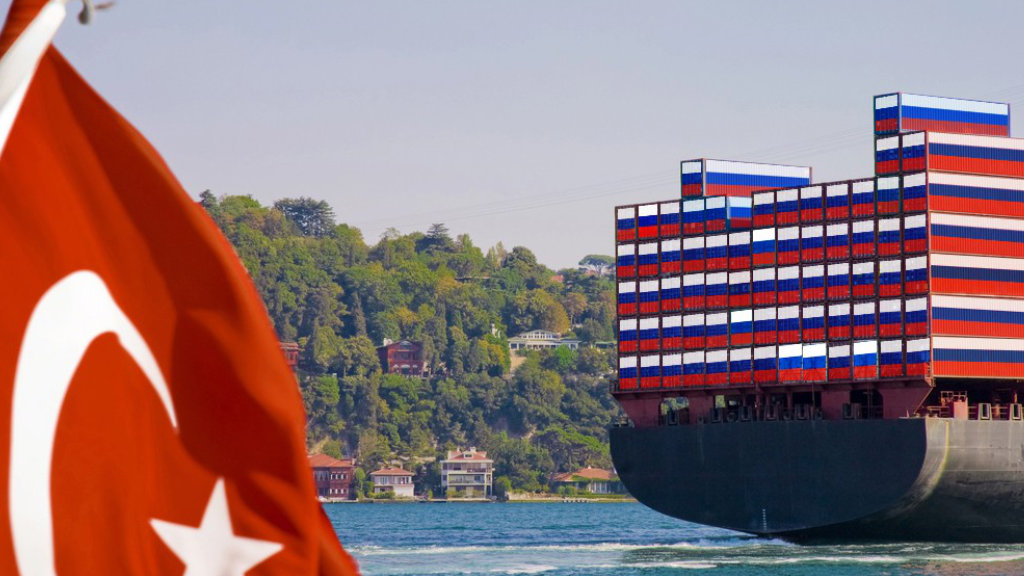
Russia Wants To Set Up Transport and Logistics Hubs In Turkiye’s Azov and Black Sea Regions

Published on October 22, 2024

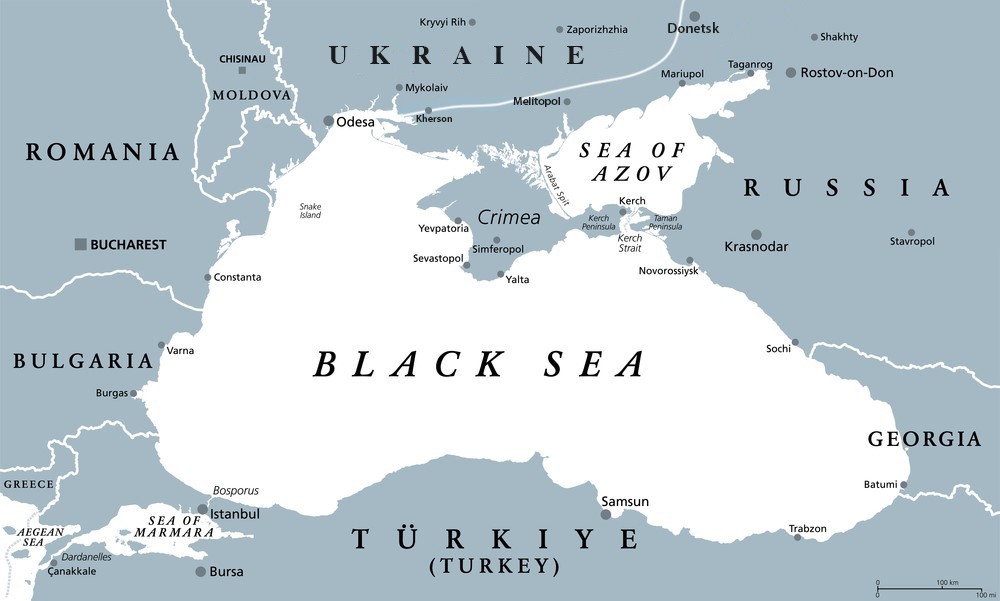
Yevgeny Pakhomov, Russia’s deputy director of the international cooperation and foreign trade licensing department at the Ministry of Industry and Trade has said that Russia is interested in creating industrial “points of presence” in Turkey to develop exports and cooperation. He said “We don’t regard points as just manufacturing facilities themselves, but also the creation of trade and logistics infrastructure, various types of warehouses, zones, and port infrastructure. Of course, these points should be created in historical transport hubs. For example, Turkiye is a key transport hub in the Azov-Black Sea basin. This is a clear example of where we would like to create such infrastructure.”

Pakhomov said that Russia is considering creating such points in key countries, each of which would have a tailored format of support from Russia for this purpose, and sees industrial points of presence abroad not only as infrastructure to develop exports but also as a means of creating cooperation chains and strong partnerships with other countries.

Turkiye Map

“Of course, Russia’s objective is not just to deploy its industry in these countries, but to scale their manufacturing capabilities, and scale their effect. Creating such strong international, industrial, transport, and logistical cooperation with our friendly countries, with our partners will enable us to develop our economies together.”

He said that a new federal project is in the works concerning the creation of foreign infrastructure, saying that We understand very well that it might be difficult for our colleagues to create this industrial infrastructure abroad without the support of the government, and this is exactly the purpose of the new federal project, the objective of which is to lend a shoulder of support to our companies that will enter these foreign markets.”

He also proposed creating a map of industrial facilities and special economic zones in partner countries for investors so they will understand the existing conditions for entering a given market, what preferential regimes it offers, and what can be built there.

“One of our investors’ main problems is that they don’t know very much about our partner countries, don’t know what special economic zones, preferential regimes there are,” and creating a map “will enable our businesses to actively scale their projects, including in other countries,” Pakhomov said.

It was reported earlier that Russia might allocate ₽1.5 billion (US$15.5 million) in 2025-2027 to support the development of logistics and infrastructure abroad. The funding may be provided under the ‘Creation of Foreign Infrastructure’ federal project that is scheduled to be implemented in 2025.

Further Reading

Russia-Turkiye 2024 Relations: BRICS, Black Sea and US$100 Billion Trade Discussions

Russia Wants Africa, Brazil, and India Permanently Represented On The United Nations Security Council

Published on October 21, 2024

Russia believes that Africa, Brazil, and India should be represented in the UN Security Council on a permanent basis, to ensure the representativeness of the global majority, Russian Foreign Minister Sergey Lavrov has stated.

Lavrov said “Countries such as India, and Brazil, as well as representatives of Africa, should have been on a permanent basis in the Security Council for a long time. This is necessary to ensure representativeness, representation of the global majority.”

That echoes views expressed by Russian Deputy Foreign Minister Sergey Vershinin, who has also said that Moscow considers it important to reach a consensus on reform of the UN Security Council.

The UN Security Council currently includes five permanent members: China, France, the Russian Federation, the United Kingdom, and the United States, all of which have the power to veto any resolutions. With geopolitical tensions rising, the UN Security Council voting process has become moribund as can be seen in the 2024 decision-making process. The United States vetoed a proposal to accept new members in April this year.

In addition to the five permanent members, there are ten non-permanent members elected for two-year terms by the General Assembly. For 2024-25 these will include Ecuador and Panama in Central / South America, Mozambique and Somalia in Africa, Japan and Pakistan in Asia, and Denmark, Greece, Malta, and Switzerland in Europe.

Russia has argued that leaving the UN Security Council without permanent representation from Brazil (South America’s dominant country and largest economy), India (with the world’s largest population and nuclear power), and Africa (a population of nearly 20% of the global total), while maintaining predominantly Western voting influence (6 European countries and the United States) is creating an imbalance that favours the West as well as NATO and is diminishing the capabilities of the UN to cater for truly global issues. Both Russia and China are heavily supportive of the UN charter and this commitment is reiterated in their respective foreign policies. Both, however – along with Africa, Brazil, and India are pushing for reforms.

Further Reading

Has Putin’s “War In Ukraine” Really Failed – As Biden Suggested To The UN?

Russia – UAE 2024 Bilateral Relations: Update

Published on October 21, 2024

The Russian President, Vladimir Putin, is meeting with the President of the United Arab Emirates (UAE), Mohamed bin Zayed Al Nahyan in Moscow for official discussions ahead of the upcoming BRICS summit. The UAE joined the BRICS bloc in January.

The Kremlin has said that the Presidents will talk about the current situation and prospects for the development of Russian-Emirati cooperation. They also intend to discuss current issues on the international agenda, including the situation in the Middle East and North Africa.

The situation in this region has recently escalated. The tensions in the Palestinian-Israeli conflict zone and on the Israeli-Lebanese border continue, and the situation in relations between Iran and Israel has seriously deteriorated. Moscow has repeatedly emphasized that it continued to maintain contact with all parties to the Middle East conflict, calling on everyone to exercise restraint.

Putin and Al Nahyan last met less than a year ago — in December 2023, during the Russian leader’s working visit to the UAE. Then, during the talks in Abu Dhabi, the presidents discussed the development of cooperation and international issues with an emphasis on the situation in the Middle East. After that, Putin and Al Nahyan held several phone conversations.

The UAE President was last in Russia in June last year. He and Putin met on the sidelines of the St. Petersburg International Economic Forum.

Upon arrival in Moscow yesterday (October 20), Putin separately thanked Al Nahyan for his country’s assistance in resolving humanitarian issues related to the Ukrainian crisis. The UAE leadership is providing mediation efforts in the return of captured Russian servicemen from Ukraine.

UAE Map

The United Arab Emirates is one of Russia’s leading trade and economic partners in the Arab world. According to the UAE Economic Ministry, trade between the two countries increased by 3.5% in 2023 to US$11.2 billion. The UAE quadrupled its purchases of Russian oil products to a record US$971.4 million last year. However, 2024 has seen a decline in bilateral trade, mainly to the threats of secondary sanctions in the financial sector. Both Presidents are looking to resolve this issue. The main products Russia exports to the UAE are gold, diamonds, and refined petroleum. Dubai is a major international jewelry trading hub. 

According to 2024 statistics, Russian capital invested in the UAE has exceeded US$30 billion, while the volume of Emirati investments in Russia was US$16.8 billion. About 4,000 Russian companies are registered in the UAE. In November 2023, the assembly of Aurus Senat luxury cars began at the production site in Abu Dhabi, and in the future, Aurus Komendant SUVs will also be produced there.

The main focus of the discussions will, however, be the pending Free Trade Agreement between Russia and the UAE, as part of the UAE – Eurasian Economic Union (EAEU) FTA. One of the important aspects of bilateral relations in this is tourism exchange. According to the World Travel and Tourism Council, Russia became the second country in terms of the number of visitors to the UAE in 2023 (7% of the total), second only to India (14%) and level with Saudi Arabia (7%).

The two Presidents will also be discussing financial sanctions and UK threats against the UAE as regards financial centres such as Dubai being potentially sanctioned for its role as an intermediary with Russian capital. This means that the UAE can be expected to take a role in the development of the BRICS Pay platform, possibly with the assistance of Indian IT experts based in the country.   

Further Reading

India & Dubai Pick Up Global Diamond Business After EU’s Russia Sanctions

Russia Proposes Intra-BRICS Grain Trading Platform

Published on October 20, 2024

Russia is suggesting to fellow BRICS countries that the organisation establishes a grain exchange system, a proposal that would give Moscow greater control over international prices for its agricultural exports.

Frustrated by low global wheat prices, Russia, the world’s largest wheat exporter, has attempted to limit exports at low prices through international intermediaries. Moscow recommended that its leading exporters avoid selling wheat below US$250 at international tenders on October 11.

Russia’s Central Bank and its Finance Ministry have drafted a letter that will be presented to BRICS leaders – agriculture ministers have been invited – to the annual BRICS Heads of State summit on October 22-24. It states “In order to ensure efficient, uninterrupted, and transparent cross-border trading of commodities, Russia proposes to establish a grain trading platform within the framework of the BRICS Grain Exchange.”

Food security, particularly in the context of wheat production and consumption, is a critically important issue for many countries. Wheat is a primary source of nutrition for a significant portion of the global population, being used to produce bread, pasta, and many other food products. In some countries, 800 million people in the world do not have enough food, and any disruption in its production can lead to food shortages and price increases. Additionally, wheat production plays a crucial role in the economy, providing jobs for millions of people, from farmers to workers in processing plants and logistics companies. A decrease in wheat yield – and global warming is having an increasing effect here – can negatively impact the economies of entire regions. In light of this, the establishment of a BRICS grain exchange gains particular significance.

Russia’s proposal also recommends the creation of a BRICS pricing agency, tasked with providing pricing methodologies and market analytics to offer an alternative to the current international pricing through established Western exchanges. During both Covid and the Ukraine conflict, prices on these exchanges fluctuated dramatically and pushed countries such as Egypt and Pakistan out of the buyer’s market as wealthier Western nations out-competed them in pricing. That led to serious food security issues affecting tens of millions of people.    

BRICS members China and India are the world’s largest wheat producers, while new member Egypt is the world’s biggest buyer. Other BRICS countries, such as Brazil, and Iran, and regions such as Africa and MENA region are also major grain importers.

Top importers of Russian wheat include BRICS members Egypt and Iran, Saudi Arabia – invited to join and represented by the foreign minister at the summit – as well as Algeria, which considered membership but then dropped the bid.

Russia is actively exploring other markets, such as Latin America, that include BRICS member Brazil, as part of its strategy to boost agricultural exports by 50% by 2030 and become a global agriculture superpower.

The proposal envisages the extension of BRICS grain trading mechanisms to oil, natural gas, and gold in the future.

“This measure will ensure independent pricing and strengthen the sovereignty of the BRICS economies,” the document said. Oil-rich developing nations, including BRICS members Russia and Iran, have achieved substantial control over global oil prices through the OPEC+ agreement.

Further Reading

Russia Sends First Grain Freight Train From Urals To India Via INSTC