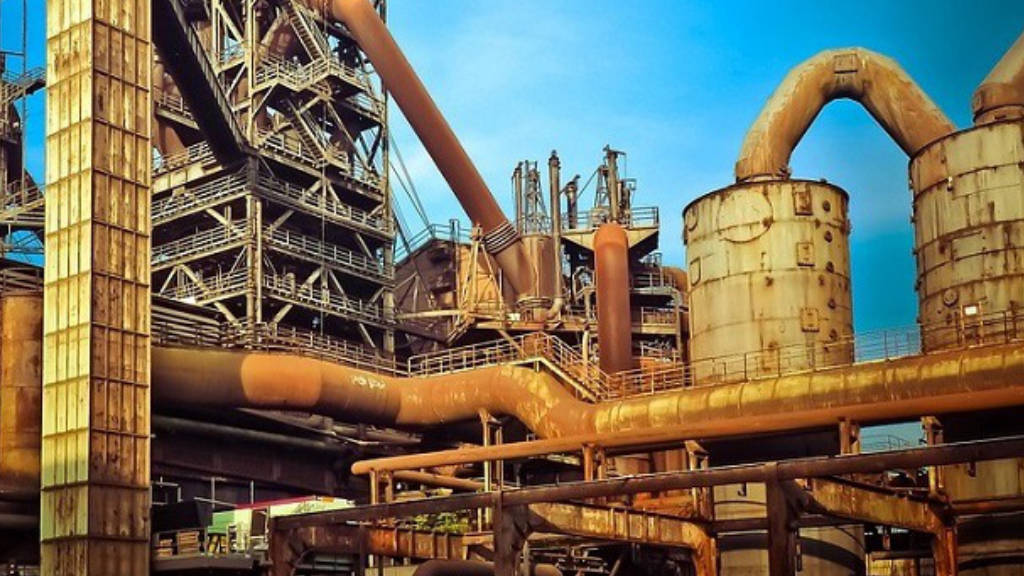
A Russian consortium has signed a Memorandum of Understanding (MoU) with the Nigerian government to restart operations at Nigeria’s Ajaokuta Steel Plant. The plant, together with Nigeria’s National Iron Ore Mining Company (NIOMCO), have been dormant for 42 years. The agreement was formalized during a recent visit to Moscow by Prince Shuaibu Abubakar Audu, Nigeria’s Minister of Steel Development, and marks a key step in Nigeria’s drive to strengthen its steel industry.
The Russian consortium includes Tyazhpromexport (TPE), Novostal M, and Proforce Manufacturing Limited, who will lead the rehabilitation, completion, and operation of the Ajaokuta facilities. The deal as completed following an inspection by the consortium of the plant, and its associated Itakpe iron ore mining site last month.
Prince Audu emphasized the deal aligns with Nigerian President Bola Tinubu’s vision of industrializing Nigeria and reducing the country’s dependence on imported steel, which costs the nation around US$4 billion annually.
The revitalization effort is expected to create over 500,000 direct and indirect jobs, while boosting Nigeria’s manufacturing base. This is seen as critical to achieving President Tinubu’s target of transforming Nigeria into a US$1 trillion economy by 2030.
During their working visit to Russia, the Nigerian delegation held talks with key officials, including Alexey V. Gruzdev, the Russian Federation’s Deputy Minister of Industry and Trade. They also toured Novostal M’s state-of-the-art steel production facility in the Saratov region, which has a capacity of 1.2 million metric tonnes of steel annually.
The Ajaokuta project is estimated to cost between US$2 billion and US$5 billion. If successful, this project will position Nigeria as a key player in Africa’s steel industry, with far-reaching economic benefits.
The Moscow World Food Trade Fair has been held this week, with senior officials from India’s Agricultural and Processed Food Products Export Development Authority (APEDA), part of the Indian Ministry of Commerce, has said that the Russian market offers opportunities for Indian exporters across a wide range of categories, including whole grains, pulses, millets, processed foods, spices, and fruits.
The Russian government is working to remove non-tariff barriers that have been hindering imports of agricultural products and food items from India, Indian officials has stated, with the two countries now working to resolve licensing matters related to food sanitation standards and transport logistics.
An Indian APEDA official stated that “There is a lot of scope in the Russian market for agriculture and food exports. Presently, the Russian government is supporting India by facilitating market access for Indian companies. India is a reliable, quality-assured supplier across the world with all necessary quality controls. Our food processing sector has also significantly improved.”
He stressed that Indian agriculture is an important domain for both New Delhi and Moscow as they seek to expand and diversify trade, which recorded over US$65 billion in bilateral trade in the last financial year, largely due to India’s increased purchases of oil from Russia. Earlier this year, the two countries raised their bilateral trade target to US$100 billion by 2030.
India ranks eighth globally in agricultural exports with a 2.35% share, recording around US$48.76 billion in agricultural exports in 2023-24, primarily to the US, China, UAE, and others, according to APEDA. However, India’s exports to Russia amounted to just US$340 million, with guar gum, non-basmati rice, buffalo meat, and various processed foods topping the list.
Officials noted significant potential to enhance trade between India and Russia, highlighting the increased contacts between Indian importers and Russian buyers, facilitated by government bodies through exhibitions and special presentations of key Indian export items.
India is the second-largest fruit producer, renowned for its mangoes, alongside exports of seedless grapes. Indian pulses and snacks have gained global popularity, particularly due to improvements in the packaging industry and quality controls, with processed food exports valued at approximately US$7.70 billion in the 2023-24 fiscal year. Basmati rice exports reached about US$5.84 billion, APEDA reported.
The Indian officials said the country is looking for Russian investors in its food processing sector, highlighting government incentives such as tax breaks available for both domestic and foreign players. New Delhi and Moscow are also discussing initiatives such as building warehouses near Russia’s largest ports to store high-demand Indian products, providing Russian buyers greater access while reducing costs and time. India is also currently negotiating a Free Trade Agreement with the Eurasian Economic Union, and it can be expected that the Russian moves to adapt are part of this procedure.
Russian tourists are now exploring Asia in increasing numbers, including 100,000 Russian tourists visiting India in 2023, while Thailand reported 1.5 million inbound Russian visitors. Russian experiences in Asia will also spur a desire to have the same cuisine as enjoyed on vacation available for Russian consumers back home, while Asian products are already becoming a familiar sight in Russian supermarkets.
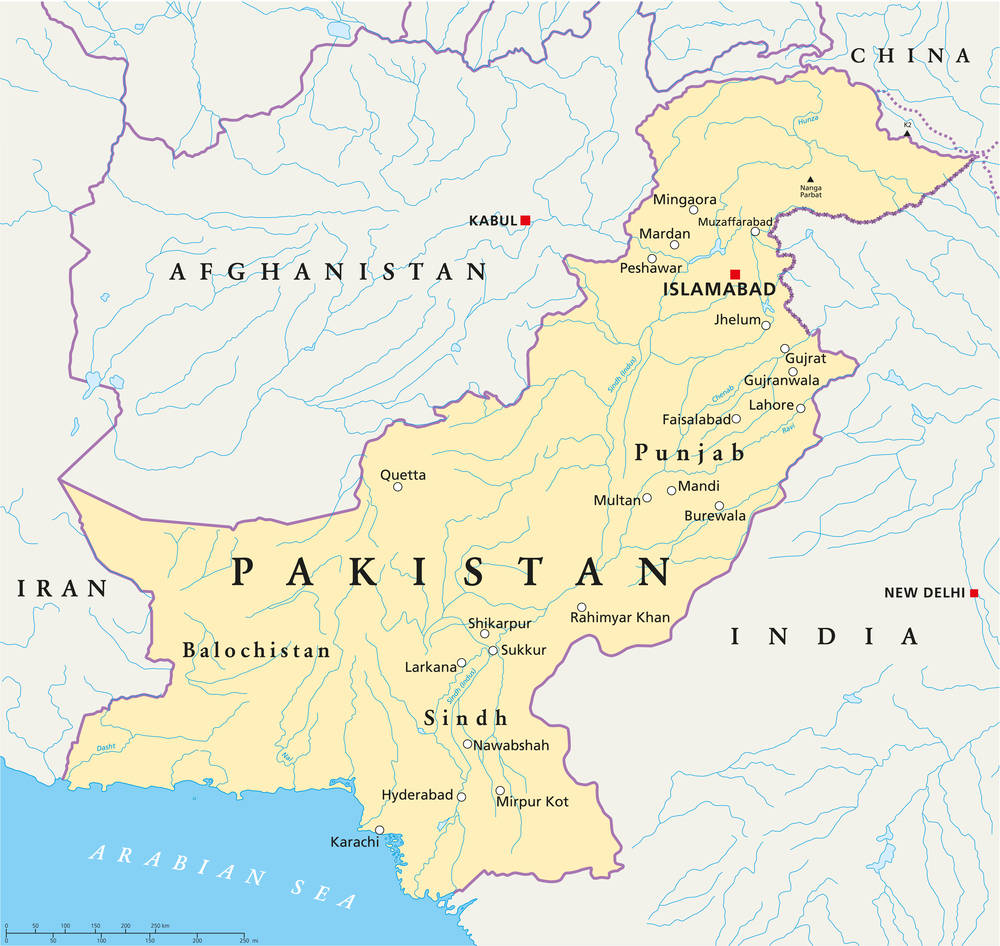
Russia’s Deputy Minister of Trade and Industry, Aleksei Gruzdev, has been visiting Islamabad and holding meetings with his counterpart, Rana Tanveer Hussain, Pakistan’s Minister for Industries, Production, and National Food Security. The two officials discussed enhancing bilateral trade, with a focus on improving agricultural outputs.
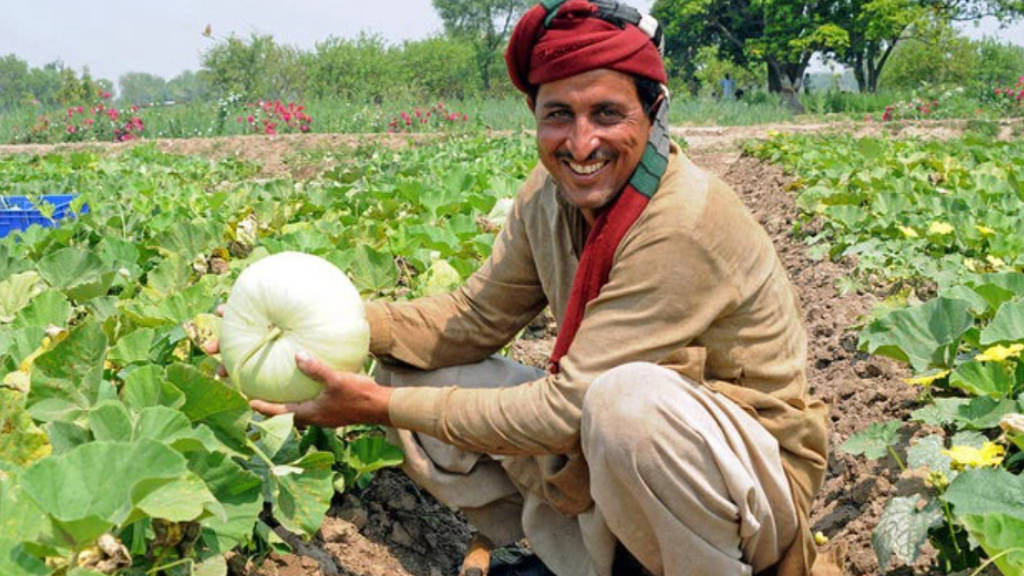
As a result, Russia has agreed to supply the latest agricultural machinery to Pakistan in order to boost crop yields and improve agricultural productivity. Russia has one of the world’s largest agricultural industries, while Pakistan is still focussed on small farming techniques, with the national agricultural sector also beginning to come under pressure from climate change.
In addition to machinery, Gruzdev stated that Russia would be interested in investing in and modernising Pakistan’s fertiliser plants and providing training programs to help Pakistani farmers increase productivity. Hussain emphasised the need for updated machinery to support Pakistan’s agricultural sector, noting that the government is ready to provide all necessary facilities to Russian investors in the country.
During a separate meeting with Jam Kamal Khan, Pakistan’s Minister of Commerce, Gruzdev highlighted the potential for further trade cooperation, particularly in agricultural and railway machinery exports, as well as metal products. The two sides also discussed the upcoming 5th Joint Working Group meeting, scheduled for September 26th, where both nations will explore new avenues for economic collaboration.
The government of Pakistan is considering a proposal for establishing a new steel mill in Karachi, close to Port Qasim, which will reduce the cost of raw material transportation. Both countries have agreed to form working groups to push ahead with the project. Khan stated that the government had earmarked 700 acres of land for Pakistan Steel Mills (PSM) for setting up the facility.
He said that despite having considerable iron ore reserves, estimated at 1,887 million tonnes, Pakistan still imports US$2.7 billion worth of iron and steel each year. Hussain said that the efficiency of Pakistan’s steel industry was limited as it remained segmented, with 600 small units, and was based on old and inefficient technology.
Pakistan’s industrial and agricultural experts are also set to visit Russia, marking a significant step in strengthening bilateral ties.
Pakistan is on a programme of industrialisation, and has been a major recipient of Chinese investment under the China-Pakistan Economic Corridor (CPEC) project, which has helped build roads, railways and ports in the country. With a population of 235 million, the country has the potential to become an economic powerhouse – but needs significant upgrades in many of its industrial processes. Pakistan, like Russia, is a full member of the Shanghai Cooperation Organisation and has also expressed interest in joining the BRICS group.
In signs that more wealth and capital is moving away from Europe to Asia as a result of Western sanctions, Soven 1 Holding Limited, an investor from the UAE, has signed an agreement to purchase the Austrian Raiffeisen Bank International’s 87.74% stake in the Belarus-based subsidiary Priorbank, and its subsidiaries. Raiffeisen’s core business has been built up over decades in developing financial services in the Commonwealth of Independent States (CIS) markets, yet it has been under intense political pressure to pull out of the Russian and other related markets by both the European Union and regulators in the United States, both who have threatened to sanction Raiffeisen if it does not comply.
Due to legal complexities in Russia – exiting Western banks need Kremlin approval, which has not easily been forthcoming – Raiffeisen have still not exited Russia. They will be hoping that the sale of their Belarus subsidiary will alleviate some of the Western political pressures it has been enduring.
The Belarus transaction is subject to regulatory approvals and with closing expected in Q4 2024.
The UAE’s Soven 1 Holdings has effectively purchased cheap European money, as Raiffeisen are reported to have sold the Belarus entity at a discounted €300m, (US$334 million) being the difference between the purchase price and Priorbank’s real book value. This means that EU businesses are being pressured to exit markets at assets discounts of between 15-20% just to comply with their politicians demands. This haircut will also be felt by Austria’s public investors – Raiffeisen are listed on Austria’s Weiner Bourse. Austrian nationals are now having to take haircuts on what have been profitable businesses because of decisions made by their own politicians. It is Asian investors such as the UAE group who are now buying these discounted opportunities.
Priorbank has been operating in Belarus since 1989 and is one of the largest Belarusian banks by assets. The move by UAE investors may be a trend for other, Russia-friendly investors to start picking off politically undesirable European-owned assets as sanctions threats now equate to discounted asset values. This illustrates that knock down M&A bargains are available in the Russian and CIS region.
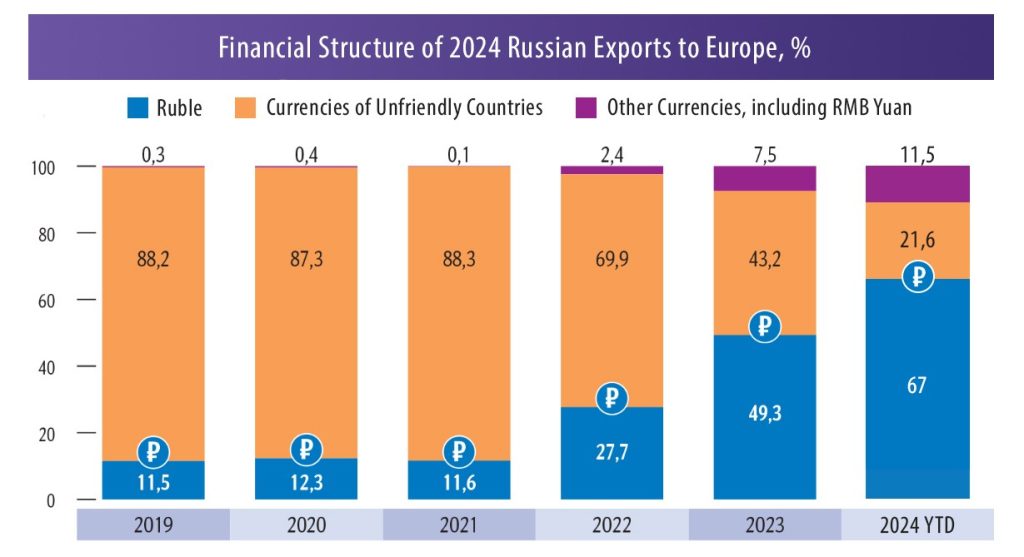
Russia is increasing the volume of payments in its national currency, with the Ruble’s share in its export trade with Europe rising to a historical high of 67% of the total, according to the Russian Central Bank. This indicates that the global structure of renumerations is changing against the backdrop of Western financial sanctions, and that the role and importance of the US dollar and euro is decreasing – not only in trade with Russia, but also among global settlements.
The share of currencies of unfriendly countries in payments between Russia and Europe for Russian exports – which would usually be paid for in euros – fell to 21.6% in July. At the same time, the percentage of payments now being made in Rubles is growing — in July it reached a record 66.7% of the total. The remaining 11.7% came from other monetary units.
European Union Trade
The problem Europe has is that in imposing financial sanctions on Russia and effectively banning the use of the euro and dollar (Russia was disconnected from the SWIFT payments system that facilitates this trade), if it wants Russian goods, it must pay for them in other currencies. This has put the EU in the ironic position of having to use Rubles – or other currencies, typically the Chinese RMB Yuan or UAE Dirham to settle their purchases. And again, despite sanctions and attempts to disrupt Russian gas supplies, with winter now approaching and alternative supplies from United States and Middle East up to three times more expensive – the EU has been once again increasing, not decreasing its purchases of Russian LNG. Natural gas imports from Russia to the European Union in the 7M 2024 from Russia increased by 23%, while the annualState of the EU Energy Union report shows Europe still relies on Russia for nearly a fifth of its gas imports.
In total, over the first five months of 2024, Russia exported products worth US$15.7 billion to the European Union according to Ksenia Bannikova, of the Agency for Transformation and Economic Development (ATRE). The bulk comes from oil, gas, metals and fertilizers. If indicative for the full year, this implies Russian exports to the EU, paid for in Rubles rather than euros, will amount to about USD37.68 billion.
Another reason for the high growth of European settlements in Rubles is that Russia adopted a law in April 2022 as a response to Western financial sanctions that unfriendly countries must pay for Russian gas in Rubles. And the EU is quietly having to do this.
Other Trade Partners
Payments for Russian exports in national currencies are also growing with other key partners, according to Central Bank data. In July, their share in settlements with Asia increased to 84% of the total, of which 33% were in Rubles, and 51% in other monetary units, most notably Chinese RMB Yuan, Indian Rupees and UAE Dirham. The situation is similar with Africa. In July, payments for domestic exports in toxic currencies accounted for just 19% of the total, in Rubles it was 80%, and in other African currencies, 1%.
Vladimir Ivin, of the Russian Federal Customs Service has said in an interview that during 2024, Europe and Asia have essentially changed places in terms of trade turnover with Russia. Europe’s total share of Russia’s global trade has now decreased to just 12% of the total, while Asia’s has reached 66%. That has radically diminished the European importance to Moscow in terms of supply chains and trade volumes. Brussels is no longer a key market, and Europe has now lost its significance to what had been its third largest trade partner. Brussels now has little to offer Moscow except problems.
In addition to energy imports from Russia, there has been significant increases in supplies to Asian markets in agricultural products — grain, meat, fish, as well as chemical products, especially mineral fertilizers.
The increase in the global share of the Ruble in settlements is associated not only with the growing demand for the Russian currency, but also with tightening currency control and a decrease in the volume of direct – indirect trade with countries, with which payments were usually made in dollars and euros. New technologies are also changing the dynamics, with China already moving ahead this year with its use of the Digital RMB Yuan. The total of Digital RMB transaction volumes to the end of June this year reached US$988 billion, and are currently running at user volumes equivalent to US$56 billion a month. The digital RMB is used for high value corporate transactions, including cross border trade. With the Digital Russian Ruble poised to follow, it could well be that 2025 spells the beginning of the end for US dollar hegemony, and a problematic future for the euro as well, as it has become too similar to the US dollar in what it can reliably offer as an alternative.
African Trade Growth
Other countries are also showing an increasing preference to settle in their national currencies in international transactions. These include other new Digital National Currencies issued by National banks, cryptocurrency (stablecoins), a potential BRICS currency – amongst others.
Mutual settlements in national currencies will make it possible to create a world with equal opportunities for the development of all countries, rather than have their development dictated too by the political use of the US dollar and to some extent the euro.
Russia’s largest trading partners in Africa are Egypt, Algeria, Morocco, Nigeria, and South Africa. According to Vladimir Ilyichev, Russia’s Deputy Minister of Economic Development, Russia’s trade turnover with these African countries will double from US$24.5 billion to over US$50 billion by 2030.
About a quarter of Russian supplies to Africa comes from wheat and meslin (mixture of wheat and rye), and about the same amount for oil and petroleum products.
A New Emerging Market Currency Basket
That means the development of Digital payments systems with Africa and elsewhere will also start to come online, meaning that the Ruble has real prospects for strengthening its global use. To do this, the Russian economy must be resistant to crises and quite flexible and comfortable for settlements with other countries, while the Ruble exchange rate must be stable. In doing so, the Ruble is likely to join an alternative global basket of currencies, including the Chinese RMB Yuan, Indian Rupee, UAE Dirham and possibly the Singapore Dollar and Indonesian Rupiah in determining the bulk of global trade flows by 2040.
Russia’s Trade and Industry Ministry is making plans to prepare a program to get Russian manufactured aircraft onto the international market, according to Anton Alikhanov, the Trade and Industry Minister.
The move comes a Russia has been barred from purchasing the standard Airbus and Boeing aircraft however already had a significant domestic aircraft manufacturing industry. That has adapted to the demise of Western aircraft availability and instead boosted its domestic aviation manufacturing to point whereby in the next three-four years, Russia will have surplus aircraft manufacturing capabilities and can produce more than it needs.
Alikhanov said that “We’re proceeding from the fact that production capacity and the demand that we see on the horizon of 2030-32-35, this production capacity is clearly greater than the demand formed on the Russian market. Perhaps I’m getting ahead of myself, but it’s obvious that by 2027-2028 we will have to prepare serious proposals for the Russian government regarding a program of measures to enter the international market. This is work that will require the creation of internationally recognized certification centres, as well as infrastructure for servicing our planes abroad.”
He said it is premature to give a financial estimate for this, but that “we will definitely do such work, because we certainly need the effect of scale. We need a market, and it exists.” This initiative is also part of Russia’s development plan to 2030, which has called for 50% of the domestic Russian fleet to be operated by Russian-built aircraft by that time, reaching over 80% by 2038. Russia is the world’s third largest aviation market after the United States and China, carrying 105 million passengers in 2021.
Alikhanov said the most promising Russian aircraft for exports is the mid-range Yakovlev MC-21, deliveries of which are now expected to start in 2025. The global market for this type of airliner amounts to “several thousand planes annually,” Alikhanov estimated.
Production plans for civilian aircraft in Russia are laid out in the comprehensive program for the development of the country’s aircraft industry to 2030, which was updated in May. That confirms the delivery of almost all Russian-built airliners as being for 2025 for the MC-21, and the TupolevTu-214 and 2026 for the SukhoiSJ100, and the Ilyushin Il-114-300 Turboprop. Once the Russian market has absorbed their fleet requirements, these models can be earmarked for the export market. The smaller, Ilyushin Turboprop is an ideal aircraft for smaller ‘hops’ of up to 2 hour flights and is suitable for some of the smaller, developing markets that may not have the infrastructure to properly support jet aircraft. This is especially the case in parts of Latin America and Africa.
The regional BRICS countries are the obvious targets, with these having a largest predicted air passenger growth data, with South and Southeast Asia at 7.4%, Africa at 6.4%, Latin America at 5% and the Middle East at 4.8%. In contrast, the European and North American air passenger growth predictions are rather lower at 3.8 and 3.4% respectively. With production costs significantly higher in the West than in Russia, Russian aircraft exports could be a global new trend into the 2030’s.
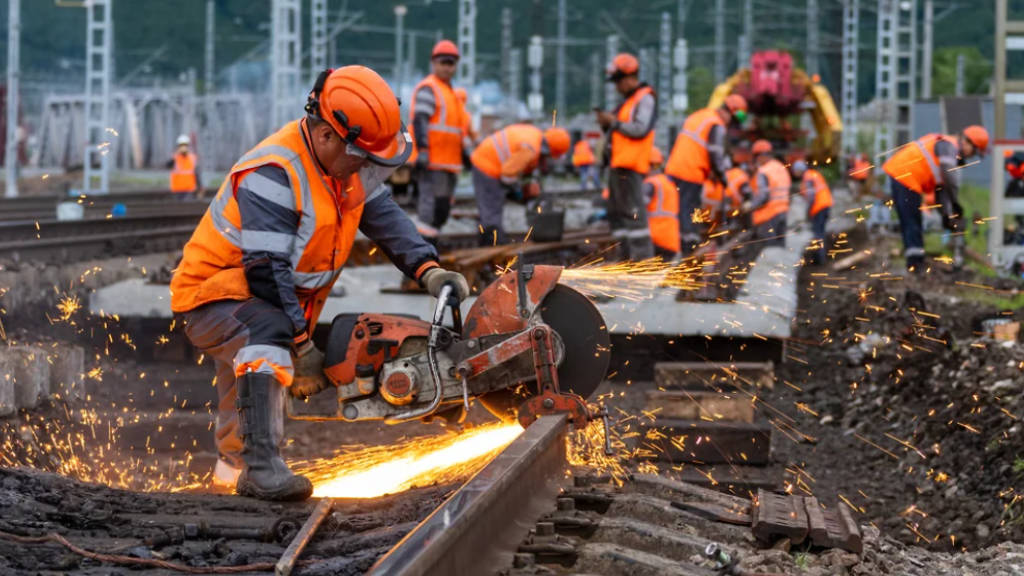
The third expansion stage of Trans-Siberian and Baikal-Amur Mainline (BAM) railway has been approved by the Russian government, allowing the Russian Railways to immediately invest in design and survey work on these extensions. This includes labour-intensive work involving the laying of over 2,000 km of new tracks, three new tunnels for the accompanying road highway, a bridge across the Amur River, and work to deal with existing bottlenecks along the eastern section of the Trans-Siberian Railway.
The goal of the project is to achieve carrying capacity by the end of 2030 of 210 million tonnes, increasing to 270 million tonnes by 2032. The total cost of this third stage amounts to ₽3.74 trillion (US$38 billion).
Work is also planned along the Trans-Siberian Railway to lengthen almost all of the existing stations to accommodate wagons stretching for up to 2km in length, as Russian Railways intends operating double container trains, which can weigh up to 7,100 tonnes.
With Russia’s trade with Asia significantly expanding, the government and Russian Railways took advice from shippers, as a result of which some fine tuning of the routes were taken into account.
Leonid Shlyakhturov, the executive director of FESCO Integrated Transport, says that the development of the Trans-Siberian Railway is currently vital for the Russian transport industry as a whole, with modernization of the two railway arteries especially relevant, given the current high load on the network of Russian Railways, the relatively low level of cargo containerization and further economic growth, both in the Far East and in other regions of Russia.
During H1 2024, the Russian Far East container turnover volume amounted to 44% of Russia’s total, however the existing capacity of the region does not allow for the full utilization of existing Far Eastern port facilities. Cargo stations will also be expanded, with the building of regional parks and bypass routes.
The main developments however will continue to be focused on expanding the BAM, taking 72% of all investments. But these require careful planning, as construction delays can occur because the new tracks are being built alongside existing rail conditions, and these also cannot be delayed or diverted. That means that construction can only take place in specific timetable windows, and builders must share this time with repairmen.
Russian Railways are hiring about 30,000 workers to build these routes, with labour shortages somewhat alleviated recently as the Elga Coal projects Pacific Railway is close to being completed, having intensified work this year. Personnel are also being recruited and trained specifically in railway construction engineering.
Construction Obstacles
Other work is being subcontracted, such as the construction of about 1,700 km of secondary tracks, over 700 bridges and 600 culverts. There are other natural difficulties to overcome – the severe winter climate, seismicity, and permafrost. To preserve the permafrost, cooling sketches are utilized, to stabilize the tracks, with the laying of modern geo-composites at the base of the railway. To protect the tracks in areas at risk of avalanches and rockfalls, reinforced structures on unstable slopes are being installed. In addition to this, the BAM is a smart railway and will use blockchain technologies to secure wagon contents. That also makes it a unique testing ground for testing new solutions and technologies not only in terms of construction, but also in the digitalization of movement. These include Russian designed interval control systems for train traffic, to allow routes to work effectively in even difficult weather conditions with minimal maintenance.
Financing
Another innovation is the inclusion in the construction program of a public-private partnership and funds coming not from the investment program of Russian Railways, but from loan funds raised by the contractor.
This includes the construction of four expensive facilities, necessary to radically increase the carrying capacity of the BAM. These are the Severomuysky and Kodarsky tunnels of the East Siberian Railway, the second Kuznetsovsky tunnel of the Far Eastern Railway and the bridge across the Amur in Komsomolsk-on-Amur. The BAM project estimates the cost of these at a total of ₽500 billion (US$5.5 billion). These facilities will be built according to a payment by installments agreement spread over ten years. In this scheme, the contractor seeks funding and builds facilities, but does not participate in their operation. Russian Railways will pay for work within ten years after the facilities are put into operation. In March this year, Russian Railways signed general contract agreements with BTS-Most for the construction of these facilities. BaltTransServis (BTS) was founded in 1999 in St Petersburg and since then has become one of the largest private operators focusing on rail transportation.
Tunnelling
All the tunnels to be constructed and receive back up have unique characteristics. The Kodar tunnel, which is just 1.98 km long, runs under the Kodar ridge, and is the highest of the BAM tunnels.
The Kuznetsov tunnel, crossing the Sikhote-Alin ridge, was originally opened in 1945, but its capacity no longer meets the needs of increased cargo traffic. A second ‘New Kuznetsov Tunnel’ has already been completed.
The Severomuysky tunnel, at 15.3 km, is the longest tunnel on the BAM, and can carry 16 pairs of trains per day, or 16 million tonnes per year. The need now is to expand it to 100 million tonnes through the construction of a second tunnel.
The Russian BRI
These Russian Railways investments into the BAM and Trans-Siberian Railway are among the largest railway development projects in the world today – and will operate in markets that will pave the future direct of Russian trade well into the rest of this century. Their completion will also set up Russian Railways, just as it did for China’s various Railway engineering companies, for the export of their technologies on a global basis.
In essence, these type of domestic investments into infrastructure mirror the Chinese Belt & Road Initiative, where domestic infrastructure investments made by Beijing during the 2000’s were later exported around the world to assist China develop sustainable supply chains for both exports and to secure its import needs. The BAM – Trans Siberian railway developments are Russia’s version of this exact same concept – the commencement of the Russian Belt & Road Initiative.
China’s Soueast automobile brand is planning to enter the Russian market at the end of this year, the company has stated. “Soueast will offer Russian consumers two models, the flagship crossover, Soueast S09, in the D-SUV segment, and the intelligent urban crossover, Soueast S07, in the C-SUV segment” the company said. Full technical specifications and current prices will be announced shortly.
A third model, the Soueast S06, an urban crossover, is planned for launch in 2025. Around 80 Soueast dealerships are expected to open across Russia by the end of 2024.
Ou Hao, Soueast Deputy CEO for Business Development said that “The Russian market is strategically important for the Soueast brand. That is why we have been saying from the very beginning that we have come to Russia to implement serious and long-term plans.”
Soueast Motor Corporation was founded in 1995 as a joint venture between China Motor Corporation and the Fujian Motor Industry Group, with the company becoming part of Chery Group in 2024.
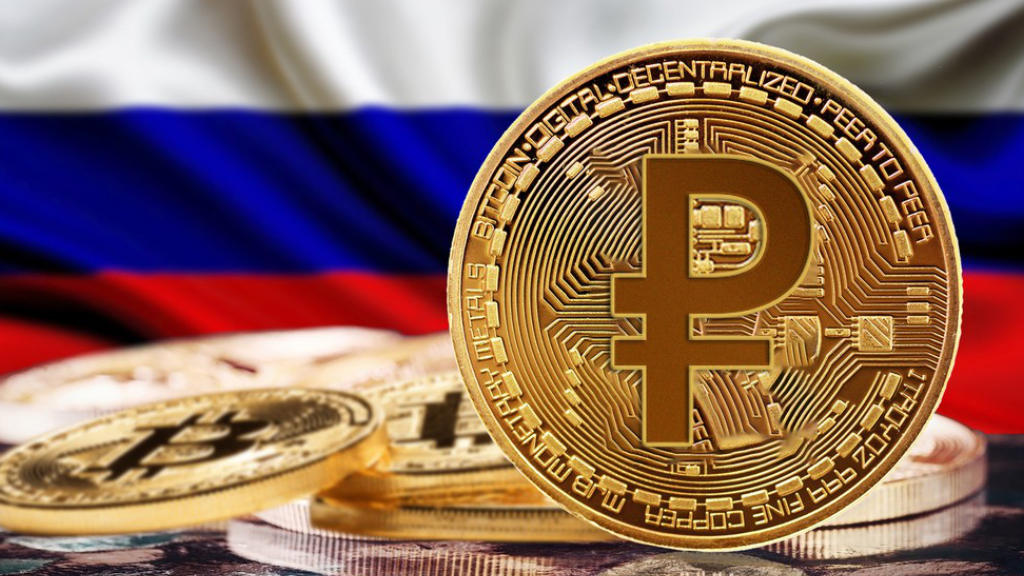
Russia’s financial authorities are moving towards the use of crypto-currency for international trade, with a focus group established to pilot and test international trade settlements using digital currencies.
The group reportedly consists of members of the Russian Chamber of Commerce, and the Association of Electronics Developers and Manufacturers, as well as several lenders. The selected companies and institutions have been facing challenges with conducting cross-border settlements while paying for dual-use goods. Such products could theoretically be used for both civilian and military purposes and are subject to international sanctions. Use of crypto currencies will overcome this problem as they do not use Western-controlled financial messaging systems.
In May, some Russian metal producers began using the Tether stable coin for cross-border transactions with their Chinese partners, bypassing restrictions tied to the US dollar. Tether is currently the largest cryptocurrency in terms of trading volume, commanding 70% of the market share among stablecoins and having surpassed Bitcoin in 2019 to become the most traded cryptocurrency in the world. As of July 2024, Tether had over 350 million global users. In August it was reported that Tether has US$118.4 billion in reserves. It also reported a net equity of US$11.9 billion. Tether’s price is linked to either the pertinent fiat currencies, or gold thus providing some flexibility.
On September 1, the Russian government passed legislation allowing the Bank of Russia to authorize selected companies to use digital currency for international payments in trade. President Vladimir Putin has said that it was vital for the country “to seize the moment” and promptly create a legal framework and regulation, develop infrastructure, and create conditions for the circulation of digital assets, both within the country and in relations with foreign partners. Elvira Nabiullina, the head of the Russian Central Bank, has said the regulator would conduct the first cross-border crypto payments by the end of this year.
To illustrate these developments are already occurring elsewhere, China has already moved ahead with its use of the Digital RMB Yuan. The total of Digital RMB transaction volumes at the end of June this year reached US$988 billion, and are currently running at user volumes equivalent to US$56 billion a month. The Digital RMB is used for high value corporate transactions, including cross border trade, with the Digital Russian Ruble now poised to follow.
If the pilot tests are successful, it will provide a 2025 solution for Russian businesses as concerns Western sanctions and usher in a new global payments system as other countries will almost certainly want to move away from US-monitored payments. It may also call into question the future of Western ‘correspondent banks’, ushering in a global settlements trend away from the US dollar.
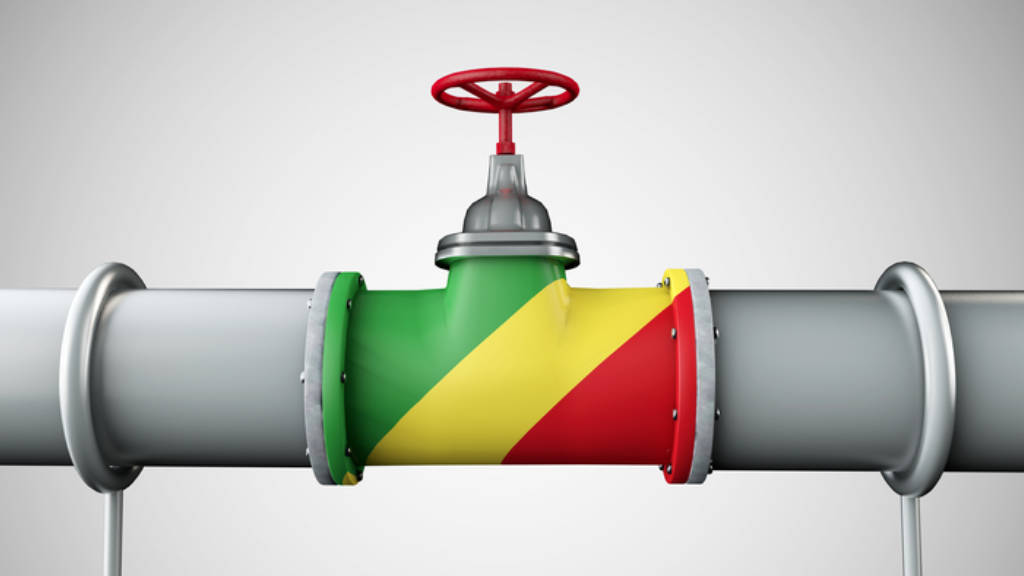
Russia has tentatively agreed to the construction of a fuel pipeline in the Republic of Congo, according to a Russian government decree published on Monday (September 16). The pipeline will link the western port of Pointe-Noire to the capital Brazzaville, and will also pass through the town of Loutete, about 155 kilometers (96 miles) west of Brazzaville. The Republic has offshore oil and gas wells off Pointe-Noire.
Moscow said a joint venture to construct the pipeline would be set up with Russia controlling 90% of the entity. The technical and economic issues are set to be defined in a concession agreement. Russia has also agreed to provide the finance, equipment and personnel for the construction of the pipeline as well as the need for any on-going fuel supplies. The Republic of Congo is expected to agree to various tax relief measures to allow the building of the project, which is expected to provide Brazzaville with energy needs from the Republics own oil and gas reserves.
In short, the ROC government will receive a percentage of the transit income for no investment of its own, while the energy provided will help drive industrial and financial businesses in the capital city – spurring the Republic’s own economic development.
The agreement states that Russia’s Zakneftegazstroy-Prometey and Congo’s National Petroleum Company will be responsible for the implementation of the deal.
The Republic of Congo proven reserves of crude oil are estimated at 1.6 billion barrels, while earlier this year, it announced plans to start exporting liquefied natural gas, producing the first batch at the Marine XII project of the joint venture between Italy’s Eni and Russia’s Lukoil. The reserves of natural and associated gas in the country were estimated at 90.6 million cubic meters.
The Russian Foreign Minister, Sergey Lavrov, and Trade and Industry Minister Anton Alikhanov met with Egypt’s Egyptian Foreign Minister Badr Abdelatty in Moscow on Monday.
The meetings were to discuss the situation in Palestine, as well as trade updates and other bilateral relations. Egypt is also a member of BRICS, with the 2024 annual heads of state conference due to be held in Kazan next month.
Lavrov said that trade between Russia and Egypt has grown significantly over the past year, and that Moscow and Cairo are determined to maintain this trend, saying that “The positive dynamics of our trade and economic interaction is quite encouraging, as the volume of bilateral trade totalled over US$7 billion last year, significantly exceeding the previous year’s figures. It is our common determination to do all we can for this positive trend to continue and strengthen.”
The previous years trade figure was US$2.2 billion.
The two Foreign Ministers also discussed the El Dabaa nuclear power plant project in Egypt and the establishment of a Russian industrial zone at Port Said, near the Suez Canal.
Food security was also discussed, with Lavrov saying that “We attached special significance to supplies of Russian grain products to the Egyptian market and noted their stability.” He noted that Russia and Egypt agreed to continue joint efforts in all areas of the bilateral agenda, as well as on international and regional issues.
Egypt is also close to signing a Free Trade Agreement with the Eurasian Economic Union, a deal that when it arrives will also significantly boost Russian trade. It is possible this could be announced at the BRICS summit in Kazan.
Egypt sources mainly arms, grain (wheat) and metals from Russia. Security is a longstanding Russian export, and Egypt has signed contracts worth US$2 billion (13% of export agency Rosoboronexport’s portfolio). Russia’s heavily subsidized agricultural complex is no less present on the back of record harvests over the past five years. Wheat imports from Russia alone accounted for nearly US$4 billion in exports as of the end of 2023. Russia’ top imports from Egypt includes other agricultural produce – namely citrus and vegetables. Russiantourism to Egypt has also been increasing.
Georgy Borisenko, Russia’s ambassador to Egypt, said in July 2023 that expectations for Russia-Egypt bilateral trade are to reach US$10 billion in volume by 2026.

 Русский