The redevelopment of Big Ussuri Island, including the opening of a new Russia-China border crossing, is stimulating billions of rubles of investment into the area, according to the Khabarovsk Minister of Economic Development, Viktor Kalashnikov.
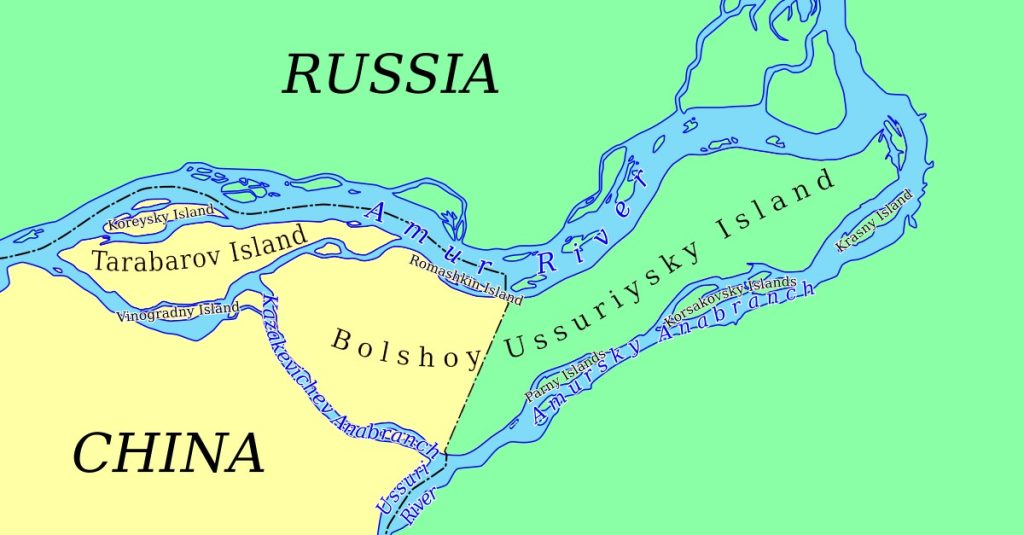
Bolshoi (Big) Ussuri Island is on the Amur River, along the border between Russia and China. The Russian part of the island is within the Khabarovsk city limits. The area was disputed territory until 2004, when Russia and China agreed to settle all border regions. Big Ussuri Island, which is a sedimentary block in the middle of the Amur (Black Dragon) River, has an area of about 350 sq.km, of which 180 sq.km is Russian territory and 170 sq.km Chinese. Both Russian and Chinese ships have navigation rights along the Amur.
Since 2024, Russia and China have been actively discussing the creation of a new vehicle border crossing checkpoint on the island. According to existing plans, construction should begin early next year in order to put the border crossing into operation in 2027. The new crossing will be able to handle over 1.3 million tonnes of cargo per year.
Several projects, taking advantage of the new border crossing with China are to be built, with an estimated value of ₽100 billion (US$1.1 billion).
Kalashnikov said that “We have started the active phase of construction of a cargo and passenger checkpoint on Bolshoy Ussuriysky Island. The development of logistics complexes, including the creation of “dry” ports in conjunction with the opening of a checkpoint, will make it possible to realize the export potential, and increase the regions transit potential. The transport and border infrastructure can also be used by other regions of Russia to export their own products to the Asia-Pacific region. Investment projects directly gravitating towards the checkpoint include 19 projects with investments of more than ₽100 billion.” He specified that these are mainly projects in logistics, tourism and hotel construction.
The island is also intended to become a platform for the ‘International Territory of Advanced Development’ (ITAD), which is scheduled to start development in 2025. The ITAD is a type of Free Trade and Development Zone, which offers favourable tax and customs conditions for the implementation of joint projects with foreign partners and is specifically targeted at the production of products with high added value. It is expected that Chinese investors will be the main foreign partners in the ITAD.
Khabarovsk
Big Ussuri Island is connected on the Russian side with the city of Khabarovsk, which in turn is the largest city in the Russian Far East with a population of about 670,000. It is on the Trans-Siberian railway, the Trans-Siberian Highway, and has major River Ports and air connectivity throughout Russia, China, and Central and East Asia. Its main industries are iron processing, steel milling, shipbuilding, machinery and light industry manufacturing, petroleum refining, flour milling, pharmaceuticals, and packaging.
Jiamusi
On the Chinese side, the nearest large city is Jiamusi, a major transit port and distribution centre of goods, serving as the economic hub of China’s eastern Heilongjiang province. It has a population of about 2.2 million. A new high-speed railway, the Jiamusi-Mudanjiang high-speed railway line, connects directly with Harbin, Dalian, Shijiazhuang and other cities. Jiamusi Airport also operates regular flights to Beijing, Dalian, Shanghai, Qingdao, Guangzhou, Sanya and Khabarovsk.
Jiamusi is connected to Khabarovsk by the downstream Songhua River, which flows south from the Amur. Jiamusi port provides seasonal cargo and passenger services, sailing up the Songhua River to Qiqihar, Harbin and Tongjiang as well as to Khabarovsk. The road distance between Khabarovsk and Jiamusi is 502 km.
Jiamusi is an agricultural production hub, while heavy industry and light industry also make significant parts of the city’s total gross industrial output. This also includes electricity production and supply, construction materials, chemicals and agricultural products processing, while major agricultural industrial products include edible oils, fertilizer and feed.
Other important Chinese cities in the vicinity of Khabarovsk include Shuangyashan, and the Heilongjiang regional capital, Harbin.
For the first time a goods train will deliver products directly from Ulyanovsk to Baku and then to Iran’s Astara in less than a month, the head of the region Alexey Russkikh said.
Ulyanovsk, the administrative centre of the Ulyanovsk region, located on the banks of the Volga and Sviyaga rivers, is a major diversified industrial centre of Russia’s aviation and automotive industries. As a multimodal transit hub, the city has a large river port, railways, roads and a large cargo airport, which serve Russian and international cargo traffic to Kazakhstan, Central and South-East Asia, Europe and China. A direct railway connection with Azerbaijan and the Iranian port of Astara will allow Ulyanovsk to firmly enter the international transport corridor ‘North – South’, which provides transport links between Russia and Iranian ports of the Caspian Sea and the Persian Gulf with access to the Middle East, East Africa, India and South-East Asia.
The first export train Ulyanovsk – Baku – Astara will include at least 70 wagons, in addition, the issue of back-loading the train with goods produced in Azerbaijan, Iran and neighbouring countries is being discussed, the head of the Ulyanovsk region said.
‘This is the western railway corridor of the Middle Volga – Caspian Sea – Persian Gulf logistics route,’ the governor said. According to him, the train will consist of wagons of various modifications, including covered tanks, platforms, and bunker-type wagons.
‘Each train is designed to transport 3.5 thousand tonnes of various products – agro-industrial products, industrial goods, woodworking products and others. We expect that over 200,000 tonnes of products will be exported and imported via this route during the year,’ Russkikh said.
The construction of the railway connecting Rasht and Astara in Iran, which will be part of the North-South International Transport Corridor, will be completed in 2027. The railway gauge in Russia and Azerbaijan is 152 cm, while in Iran it is 143.5 cm, and the Iranian section of the railway from Rasht to Astara still meets Iranian standards. Therefore, the train will initially only reach the Azerbaijan-Iran border, where goods will be reloaded onto trucks for transit to Iran and its Persian Gulf ports.
Ulyanovsk has recently introduced a regular railway container service to China (via Kazakhstan), and there are plans to launch a direct railway freight service from Ulyanovsk to Turkmenistan with access to Uzbekistan, which will further strengthen trade ties between the Russian Volga region and Asia.
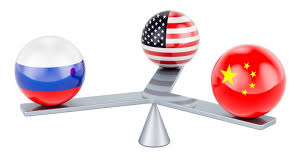
Russia’s bilateral trade growth with China is being subjected to the commercial brakes being applied to it by the United States sanctions policy, a scenario both Moscow and Beijing detest, and vehemently protest, but at present are being forced into adhering to some restrictions.
The main problems come from sanctions, or the threat of them, being made against Chinese companies that cooperate with Russia. As things stand, it is difficult to expect any immediate breakthroughs in the procurement of Chinese products. It is not all bad news, as trade volumes are not declining – yet. But they are being forced into a position of more static, lesser development. We discuss what these problems are, and how this will ultimately change the way in which global trade is conducted.
Impact
The sanctions threats imposed by the United States are already affecting the Russia-China bilateral trade development. In the first seven months of this year, January-July, Russia-China trade exceeded US$136.6 billion, an annual increase of 1.6%, according to the Chinese General Customs Administration. Chinese imports of goods from Russia increased by 3.9% during this period to reach a value of US$75 billion. But it is the Russia procurement that is being hit hardest – exports from China to Russia decreased by 1.1% to US$61.64 billion.
While there is overall growth – 4.8% this year to date, that compares with increases of 26.3% in 2023 and 29.3% in 2022. Washington has managed to apply brakes on trade between two of the world’s largest economies.
The fact that the lessons learned by the US from this may later be carried over to a very specific trade and tariff war with China next year will also be spooking Beijing – and the international business community.
Strangulation Of Sovereign Trade Corridors
Russian businesses began to face difficulties in making international bank transfers with the participation of Chinese banks in August, although the issue has been long-standing. Chinese banks, fearing secondary sanctions, stopped making any payments in US dollars with counterparties from Russia, since these transactions are easily tracked by the United States. That was followed by transactions made in China’s RMB Yuan then also being restricted.
Under threat of sanctions, Chinese banks have significantly limited their operations with Russian businesses. An estimated 98% of Chinese credit institutions do not now accept direct transactions from Russia, including smaller Chinese regional banks.
There has been a shift towards making Russian payments to China for its products with the help of third party intermediaries from countries friendly to Russia, but problems have begun to arise here as well. The trading of what have been relatively low-level use of other currencies has meant that sudden increases in their popularity can create financial instability and inflationary problems for the countries concerned. For example, the Russia-China bilateral trade volume of US$260 billion per annum exceeds Kazakhstan’s entire annual GDP. Switching to the Kazakh Tenge as an intermediary currency would collapse the Kazakh economy. This means that the involvement of third party currency transactions has to be tightly managed with little room for the sort of trade volumes Russia and China are involved with. It is not a solution.
China’s main imports from Russia are in the energy sector, being oil, natural gas and coal. These too are now being affected, with the supply of Russian energy to China now declining. At the end of July, the average daily volume of Russian oil supplies to China decreased by 14% from June. China also reported a decrease in the supply of liquefied natural gas (LNG) from Russia to China. Imports of Russian LNG decreased by 6% year-on-year.
While some of this can be attributed to less summer demand, the decline has some analysts scrambling to properly assess what this means. If a finger is pointed at US sanctions, this gives China a new headache – its future energy security. But here there is a solution – the still being negotiated Power of Siberia 2 pipeline.
Evolving Trade Freedoms
The struggle between the United States on one side, and China and Russia on the other has not been globally unnoticed. In many countries it is increasingly perceived as American interference in global supplies chains and interference in sovereign trade. The right to trade with whomever one wants is enshrined in democratic values as a freedom of choice. Global mechanisms to counter illicit trade such as drugs and money-laundering, and the rules for global trade had all been established within the United Nations and the World Trade Organisation, both entities the United States had promoted as a “rules-based order”.
But what is now happening is that these international bodies are being bypassed by Washington, and its political choices, as the de facto judge and jury. The curtain of democracy and international free trade has been swept aside to reveal the face of Washington as the sole, autocratic arbitrator. But this ability for the United States to interfere with sovereign trade corridors half a world away is now increasingly seen as problematic. It has many countries appalled, which is why both Moscow and Beijing are gaining traction with their calls for a ‘multipolar’ world order to eventually replace the structure the United States has built, under the slogans ‘united’ and ‘international’ in order to protect its own interests.
Silver Linings
This struggle will continue for several years. However, what it will do is start to introduce alternative, technical mechanisms to circumnavigate the financial trade structures the United States has put in place. In short, while the US may have initial success in disrupting other countries global trade, it will ultimately come at the expense of that same control. Future developments will decrease, not increase American influence over international trade and finance.
Dmitry Peskov, the press secretary of the Russian president, alluded to this last week, when he said of Russia’s trade with China that “We have more than a solid volume of trade and economic relations. With such volumes, of course, and with such an unfriendly environment, it is impossible not to have some problematic issues. But the truly partnering spirit of our bilateral relations allows us to discuss and solve current problems in a very constructive way.”
Russian Deputy Prime Minister Dmitry Chernyshenko has also stated that Russia intends, together with China, to create the necessary conditions to meet their business and trade interests, and to use the intellect and energy of their entrepreneurs to open new trade channels. He said that the competent government, research and IT institutions of both countries are working to eliminate sanctions created bottlenecks in financial calculations, logistics and infrastructure, and create new infrastructures.
How these manifest themselves remains to be seen, although there are plenty of options. There may even have to be a couple of ‘backwards steps’ in trade to be taken before technical advances can solve the problems. One of these, currently gathering favour, is the re-introduction of bilateral barter trade. This is more applicable to the agricultural sector, where farmers and traders are used to dealing with spot prices and even futures contracts to preserve food security balances. The stability and need to maintain these trade flows makes agricultural barter a distinct possibility. It is also a growth trade sector.
New Currencies
However, the vast bulk of trade between the two countries is in the energy arena, which is rather more complex to handle that barter agreements would allow. Yet an interesting development has occurred. Saudi Arabia, which has priced its oil in US dollars for the past 50 years, is diversifying away from exclusive US values and will begin pricing its oil in other currencies as well. The Russian Foreign Minister is in Riyadh this week meeting with the Gulf Cooperation Council (GCC) – in possession of 30% of all global oil reserves – repricing mechanisms are sure to be discussed.
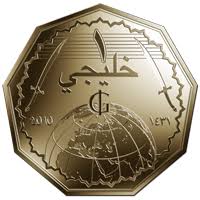
That goes hand in hand with new currency creation. In fact, the GCC have been discussing the creation of a tradable currency since 2014. The name Khaleeji has been proposed as a name for this currency. If realized, the GCC monetary union would be the second-largest supranational monetary union in the world, measured by the GDP of its common-currency area.
These concepts also fit in with the development of the BRICS group, which has also been looking at the development of a digital BRICS currency. Should Saudi Arabia ratify its BRICS membership, it is possible that a combination of the Khaleeji and BRICS capabilities could be merged. It should be noticed in this regard that five of the six GCC members are also part of the Shanghai Cooperation Organisation (SCO) framework, which also has its own alternative currency development platforms.
New Payment Mechanisms
While the currency issue may soon be resolved – Russia and China have been conducting physical trials of their respective digital currencies – the main issue is the implementation of the financial architecture to support it. Both Russia and China have their respective payment systems – SPFS and CIPS – and these can cooperate together. However, the United States has again threatened to sanction any Chinese bank that connects to SPFS.
Vitaly Mankevich, the Chairman of the Russian-Asian Union of Industrialists and Entrepreneurs (RASP) sees the solution to payment problems in creating a secure and diversified payment system. What this means is possibly the creation of a multilateral network among countries opposed to US sanctions behaviour and with the collective strength to warn Washington off the imposition of sanctions for using it.
That effectively means the creation of an international bloc – which is exactly what BRICS is. This also means that getting Saudi Arabia on board with the group becomes a fairly urgent matter. With countries such as Turkiye – and many other significant economies also expressing interest – the development of a ‘new consortium’ in standing up to the United States is in the process of being built. The nature of understanding this is all in the timing. For now, Washington has managed to put the brakes on China-Russia trade. But eventually, technical progress and changing geopolitics will usher in a different world order. Then it will be Washington’s decision how to diplomatically engage with that, as opposed to fighting what is an increasingly complicated yet developing scenario.
Another new trade corridor between Russia and Asia is set to open in 2025 when the Khandagayty checkpoint on the border with Mongolia is completed in Tuva.
The new facility includes a Special Economic Zone, (SEZ) which provides a bonded area for the processing and manufacturing of goods. This has tax saving advantages for finished products involving both Mongolian and Russian sourced goods. This coincides with an expected Free Trade Agreement between Mongolia and Russia via the Eurasian Economic Union to come into effect at this year-end.
The new route also opens up additional capacity for transit trade to China. Vladislav Khovalyg, the head of Russia’s Tuva region said that “Given the geographical location of Tuva, we are interested in creating a new Central Eurasian transport corridor to Mongolia and China. This will help the development of foreign economic relations both in the Tuvan republic and in other regions. The modernisation of the Khandagayty international automobile checkpoint will be completed in 2025. On the Mongolian side, the work has already been completed.”
Following the reconstruction, the Khandagayty checkpoint will provide multilateral services, which will allow it to serve transport from different countries, and not only from Russia or Mongolia. In addition, the crossing is also expected to be operational 24 hours a day. The throughput capacity of the checkpoint will also double – up to 200 vehicles per day.
Khovalyg also discussed the SEZ saying that “The Republic of Tuva has a socio-economic development budget, and it is planned to invest ₽10.4 billion (US$115 million) in the infrastructure of the Khandagayty SEZ. It is also planned to create 480 jobs here.”
The SEZ has the potential to merge Russian and Mongolian products into a finished article and then to reexport back onto their respective markets or further afield, such as China. There are incentives to establish businesses in SEZ, including tax breaks, lower rates of taxes, and some VAT benefits, in addition to discounted utilities. In addition, there are regional expense benefits to consider. The average monthly salary in Mongolia is US$430, and will be lower again in the north of the country. This compares with an average monthly salary in Irkutsk and Northern Chinese cities of about $700 to US$2,200 respectively. These cost benefits may be attractive to some businesses looking to streamline their regional production costs in the Russia-Mongolia-China trade space.
It is also worth noting that Mongolia is now considered as a transit corridor to China, and this has positive knock-on effects for other remote areas of Russia. For example, in the Trans-Baikal region, the Verkhny Ulkhun vehicle checkpoint and the Solovyovsk international checkpoint are also undergoing expansion and development. This means that the Trans-Baikal Territory’s cross-border transportation capacity is expected to reach 86 million tonnes by 2030. In addition, cross border transport with Mongolia is also carried out through the Tashanta checkpoint in the Altai Republic.
Key to these developments is the expected Mongolia – Eurasian Economic Union Free Trade Agreement. As soon as this is concluded, details will be available on this website. To obtain a complimentary subscription, please click here.
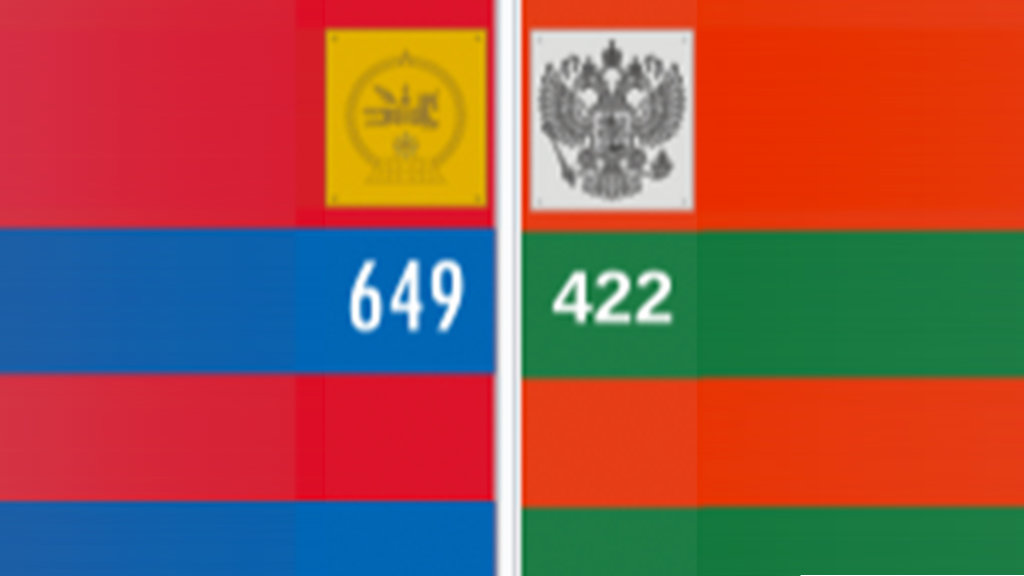
NB: Depicted to illustrate this article are the Russian and Mongolian border markers.
A new cross-border railway bridge between the Russia’s Amur Region and China, at the Jalinda – Mohe border, is planned to be built as part of a public-private partnership scheme.
Pavel Puzanov, Deputy Chairman of the Amur regional government, has stated that this new transport corridor will provide an alternative option for border crossings, relieve the load from the existing crossings, and accelerate the delivery of raw materials from Yakutia to China.
Puzanov said that “The possibility of implementing a border bridge project in the Jalinda-Mohe area has been actively studied for the last two years. Based on the results of work with Chinese partners, a conclusion was made on the technical feasibility and economic feasibility of the project. The Aamu regional government are working with the Ministry of Transport of Russia, Russian Railways, and colleagues from Yakutia to select the optimal model for its implementation, including within the framework of public-private partnership agreements.”
Russia has been looking to attract private investment into its own development projects and providing tax incentives for doing so. Public-Private Partnership (PPP) agreements are a type of Joint Venture where the government puts up part of the equity (typically 50%) and relies upon the private sector to contribute the rest. Both parties then take operational dividends each year based on profits made from operating the investment – in the case of this bridge, tolls and related fees. The attractiveness of PPP agreements depends upon the structure of the deal, although having government involvement is usually considered a good sign in terms of commitment. On the other hand, governments are not always generous when it comes to making life commercially attractive for their partners. Puzanov will need to balance government prudence with commercial attractiveness to make the PPP work for all investors.
However, Puzanov stressed that Russian investors from the northern Amur regions are interested in creating the bridge, as well as potential investors from Yakutia, and the Trans-Baikal region. All have vested interests. For example, for Yakutia, the proposed Jalinda-Mohe bridge would reduce the route to China for transportation of goods and raw materials by almost 2,000 km – and create a further local business boom. Mohe is China’s northern-most city and is connected to China’s national road, rail and aviation networks with access to other key northern cities such as Harbin and Beijing.
At the moment, the location of the gate and the main technical parameters of the bridge, including the type of structure, have already been determined, and the final cargo flow forecast, which is expected to amount to about 20 million tonnes, is being prepared for approval as the development also requires additional planning in terms of off-construction budget items such as customs and excise, and other administration and operational needs.
The project would reopen the Jalinda – Mohe crossing, which was operational in the 1990s, but closed in the early 2000s due to low cargo flow. Now, if Puzanov can raise the funds, and build another cross-border railway bridge along this route, it would open up a new transit outlet to China and take some of the load off the existing border crossings and the railway network.
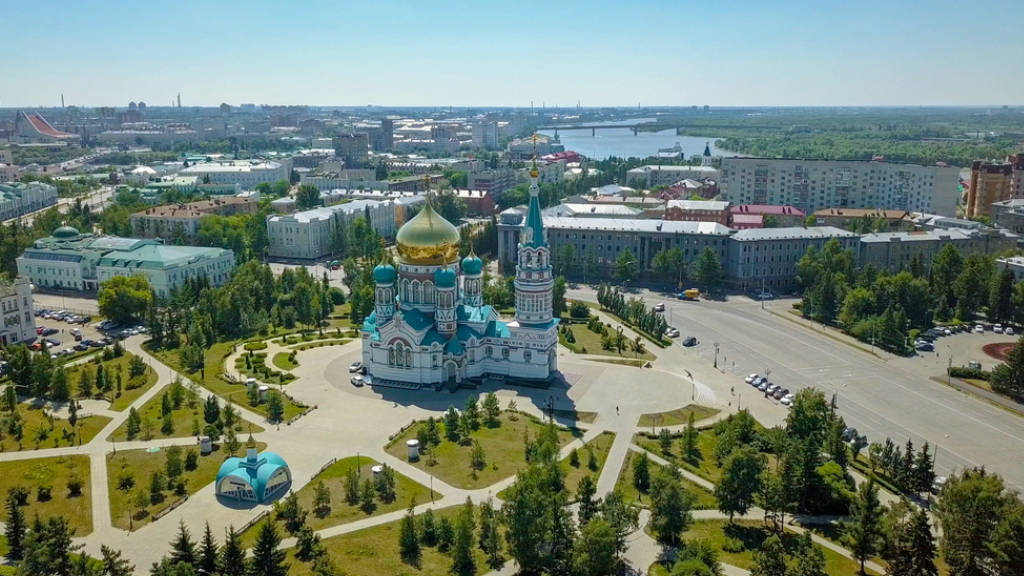
The Russian city of Omsk is to be directed as a key transmodal logistics hub servicing trade with China and Kazakhstan, according to development plans and investments of ₽30 billion (US$340 million) outlined by Vitaly Khotsenko, the regional governor.
Omsk will focus its regional trade on organising cargo transportation with China, Kazakhstan and other Asian countries. Khotsenko stated as regards development that “We are building the Solnechny Logopark, which will cover 500,000 squre metres. Pyaterochka (one of Russia’s largest convenience stores, with over 15,000 outlets) has built the first basic facility, while Magnit, (Russia’s largest food chain store) Sbermarket, (Russia’s largest grocery outlet) and many other companies will be based here. Other new trade parks are also under construction, while Wildberries (Russia’s equivalent to Amazon) are building their own facility in Omsk.”
Khotsenko clarified that these facilities will be operational by 2028. The city is also holding discussions with numerous investors on the construction of transmodal logistics centres in the region. These centres will be focused on China, Kazakhstan, the countries of Central Asia and the Asia-Pacific region, where Russian logistics and freight traffic is growing.
The first section of the Solnechny logistics park opened in Omsk in November 2023. This is a distribution centre of more than 30,000 square metres, and serves the Pyaterochka retail chain in the Omsk region, and neighbouring areas.
Omsk is the capital, and largest city of Omsk Oblast, in southwestern Siberia and has a population of over 1.1 million. It is the third largest city in Siberia (after Novosibirsk and Krasnoyarsk) and is an important multi-modal transport node.
The Trans-Siberian Railway
Omsk is a major station on the Trans-Siberian Railway, connecting it through to Moscow as well as to Russia’s Pacific Ocean ports, as well as routes through to Kazakhstan, Mongolia and China.
Omsk River Port
Omsk sits on the Irtysh River, which is navigable and flows into Kazakhstan and China. It is the chief tributary of the Ob River and is the longest tributary river in the world. Omsk Port is the largest river port in Western Siberia.
Asian Highway 6
Omsk is also part of the Asian Highway 6 (AH6) which also connects through to Moscow as well as through to Kazakhstan and the M51 to Astana, in addition to China’s Highway G10 via border crossings at Manzhouli and Suifenhe. These also intersect with various regional rail networks.
Air
Omsk airport is served by numerous Russian airlines, as well as Azeri, Turkish, Kazakh, Chinese and Vietnamese airlines. It is a major regional aviation freight hub.
Russia’s national infrastructure plans are following the Chinese development model of the early 2000’s, where previously distant cities became increasingly interconnected through massive Chinese infrastructure developments and investment into road, rail, and ports. Russia has an additional advantage as it also has a significant inland river network, and the extant Trans-Siberian railway which also feeds into Russia’s inland ports.
These connections are extremely important on Russia’s border regions, with Omsk a primary example given its closeness to Kazakhstan and China. The city is now poised to develop as a key Siberian transport and logistics hub serving both imports and distribution throughout Russia, but also as an export facilitator for Russian goods into Central Asia and China.
Russian-owned multinationals (MNCs) are relocating to friendlier jurisdictions, with another two businesses announcing redomiciling plans this past week. Both are representative of the new, more financially attractive options available for them.
Qiwi
Qiwi provides payment and financial services in Russia and CIS countries. The group includes QIWI payment systems, QIWI Bank, CONTACT money transfer system, Factoring PLUS, Flocktory, and RealWeb. The company has representative offices in three countries. Founded in 2007, Qiwi was listed on Nasdaq in 2013, and had built up a payment network has more than 16.6 million wallets and virtual cards, as well as almost 106,000 terminals and payment points.
US and EU sanctions have effectively destroyed much of its business, with Nasdaq asking the company to delist although the company was involved in restructuring its Russia business away from its international operations. This delisting will occur on September 16.
Qiwi then sold its Russian assets, consolidated under JSC Qiwi, as part of business restructuring in January 2024 to a Hong Kong-based company.
Qiwi relisted their international business operations on the Astana International Exchange (AIX) (Kazakhstan) on September 6, and as part of its corporate restructuring is currently changing its name to NanduQ. The rebranded company will now be looking to rebuild its CIS business with regional, rather than Western investors.
Novomet
Novomet Oil Services is a major Russian manufacturer of pump equipment for oil production. Novomet makes oil submersible equipment and complete rigs for oil production and water lifting, and also provides oilfield services. The group’s plant, with two industrial sites, and headquarters are located in Perm and it has R&D centers in Perm and Moscow. The company also has branches in Azerbaijan and Kazakhstan, as well as service centers in Russia, other CIS countries and countries outside the former Soviet Union. It has redomiciled from Cyprus to the Kaliningrad Special Administrative Region (SAR).
The Kaliningrad SAR is one of two such regions along with Russky Island, in Vladivostok. These SAR provide tax incentives for investors, including 100% profits tax breaks, lower subsequent CIT rates, in addition to other incentives such as VAT rebates, and discounted utilities costs amongst others. They are in part designed to allow Russian companies previously based overseas to return their capital and business operations to Russia and negate any threat of asset confiscation and other corporate harassments. Cyprus is part of the European Union and is now considered unsafe for Russian companies given the sanctions regime and seizure of assets.
Summary
These two cases, although different, illustrate the same basic position – holding investments in Western jurisdictions is now considered problematic and not without risk for Russian corporate businesses. Qiwi have been a victim of Westen sanctions aimed not at their specific business operations, per se, but as part of the financial trade mechanism targeted by the United States. This means that while the company was not placed under any sanctions and operated legally, its corporate industry was destroyed. It is now hoping to restructure and raise funds in Asia to reestablish what had been a significant business.
On the other hand, it also removes Western investment and interest from what had been a pioneering and innovative Russian tech company. Western tech has lost its exposure to Russian ideas and lost the potential for profiting from that development. Investors in Asia will now pick up these technical and financial benefits instead in what remains a huge growth industry.
It is partially the same for Novomet – providing engineering services in the oil sector, which is also sanctioned. The company operates legally, but cannot now view the West’s sanctions regime as either fair or reliable. Observing the seizure of Russian capital and other assets – often highly disputed and with limited legal recourse to redress matters – Novomet have returned their business to its Russian roots and redomiciled to a Russian SAR.
This is bad news for Cyprus, one of the EU smaller members, which had built up a sizeable offshore industry based partially on servicing Russian clients. The entire Novomet corporate administration and payment of taxes and related employment and other benefits have been removed from the country and transferred to Russia, along with multiple other Russian businesses. As a consequence, since 2022, Cyprus’s GDP growth has halved, while its unemployment rate has doubled. Kaliningrad’s economic performance has gone in the opposite direction while it also develops its own, Russian variant of an offshore financial services industry.
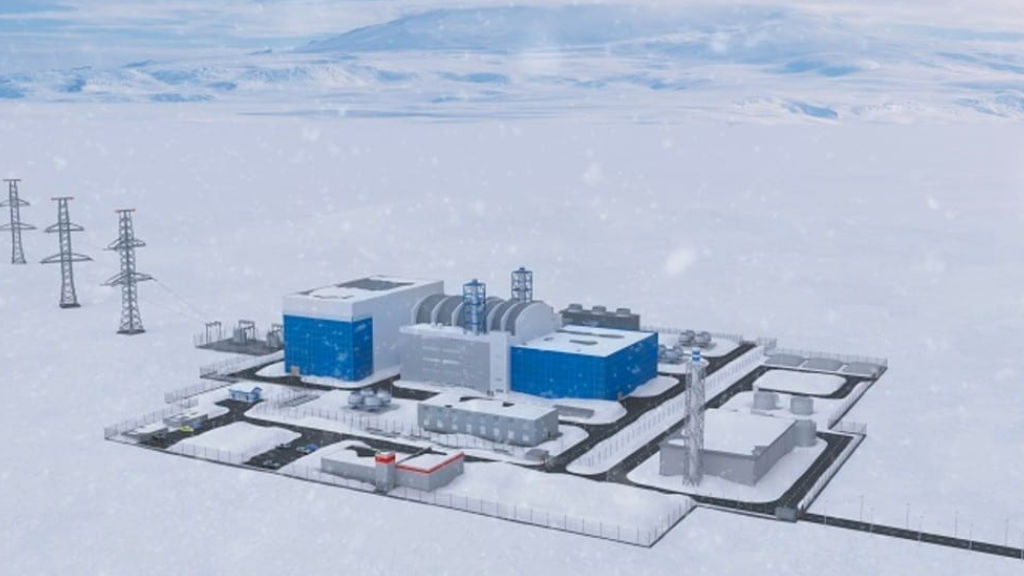
China is expected to join the consortium formed to build a multipurpose fast neutron experimental reactor (MBIR) in Dimitrovgrad, Russia’s Ulyanovsk Region before the end of this year, according to Vasily Konstantinov, a director of international scientific and technical projects at Russian SOE Rosatom Group. Konstantinov is also the CEO of the IRC MBIR Consortium. He was speaking at the Tekhnoprom 2024 forum in Novosibirsk.
Konstantinov said “China is now at an advanced point of the negotiation process. We signed a term sheet last year – the main technical, legal and financial conditions – and we are now essentially polishing the documents on accession. We have the Chinese’ accession to our consortium planned for the end of December this year. This will provide us with substantial financial resources. “
A fast-neutron reactor (FNR) is a category of nuclear reactor in which the fission chain reaction is sustained by fast neutrons, as opposed to slow thermal neutrons used in thermal-neutron reactors. They are a technological step beyond conventional power reactors, but are poised to become mainstream, offering the prospect of vastly more efficient use of uranium resources and the ability to burn actinides which are otherwise the long-lived component of high-level nuclear waste. They have the potential to extract 60 times more energy from uranium compared to existing thermal reactors.
Just over 50% of the reactor resources will be used by Russian industry organizations, giving a huge boost to Russian industrial productivity. In 2025, the reactor’s turbine should be completed, with a physical start up set for 2027, and the power start-up and operation from 2028. The reactor is expected to operate for 50 years.
In general, the reactor will offer the opportunity for research in nuclear medicine and radiation technology, and it will also generate electricity.
MBIR project director Alexander Zagornov has said that the overall estimated cost of the project is ₽150 billion (US$1.65 billion). The MBIR will be more powerful than any other existing or planned reactor in the world. The thermal power of the sodium cooled reactor will be 150 MW, while its unique technical characteristics will make it possible to tackle a wide range of research problems to develop new competitive and safe nuclear power plants, including fast neutron reactors with a closed nuclear fuel cycle. Russian state expert review office Glavgosexpertiza approved the design documentation for the MBIR reactor in August 2020.
Gazprom, on the look-out for new markets following the cancellation of its trade with Europe, has doubled its gas supplies to Central Asia in the January – August 2024 period, Gazprom CEO Alexei Miller has said, stating that “We are expanding cooperation with countries of Central Asia. Energy consumption in these countries is growing very quickly. These republics are developing very intensively in economic and social terms, and this opens up new opportunities for us. We doubled gas supplies to Central Asia in January-August alone.”
“Currently, the nominations we are meeting for gas supplies to Uzbekistan are via the Central Asia – Centre (CAC) gas pipeline at the highest possible, winter consumption level for last year, when unusually severe cold weather set in there.” he said. Uzbekistan became a net importer of natural gas in 2023, with Gazprom starting to supply gas to Uzbekistan via Kazakhstan in October 2023. Agreements to broaden strategic cooperation have been signed with the Central Asian countries.
Gazprom has signed long term contracts with Kazakhstan to transit gas to Uzbekistan and Kyrgyzstan, with contracts with Kazakh gas company QazaqGaz valid from 2025 to 2040.
The transit will be organized by expanding a specially designated route based on the Central Asia – Center gas pipeline system, and carrying out other projects to develop gas transportation capacity in Kazakhstan, Gazprom said.
Contracts were also signed with Gazprom Export LLC for gas supplies to the north and south of Kyrgyzstan, with long-term contracts to supply natural gas to Kyrgyzstan signed by Gazprom Export LLC and Gazprom Kyrgyzstan LLC. Deliveries under the new contracts will be carried out in 2025-2040. Contracts were also signed with Gazprom Export LLC to supply gas to the north and south of Kyrgyzstan, and contracts for gas supplies with the Kyrgyz companies OJSC Electric Stations and Bishkekteploenergo.
Additionally, Gazprom has signed an action plan with Kazakhstan to boost Russian gas supplies through Kazakhstan to Uzbekistan via the Central Asia-Center (CAC)-4 gas pipeline.
S7 Airlines plans to launch flights from Moscow to Dubai beginning on September 30, the company has stated. S7 will operate the flights four times per week, on Mondays to Dubai International Airport (DXB), and on Tuesdays, Thursdays, and Saturdays to Al Maktoum Airport (DWC). They will use narrow-body Boeing 737-800 aircraft that could accommodate 168 passengers in economy class and eight passengers in business class, at a flight time of 5 hours 40 minutes.
S7 also operates four flights per week to Dubai from Novosibirsk.
Dubai is becoming a regional Middle Eastern hub for Russian businesses as they seek to move deeper into Asian markets. It offers a low tax regime and excellent infrastructure, and has become an energy trading hub following Western sanctions. The Gulf Cooperation Organisation (GCC) which includes the UAE, controls about 30% of the world’s oil supplies and sells about 70% of that to Asia, including China and India. Consequently, Dubai has emerged as an energy resource hub with connections to Riyadh, Mumbai, Hong Kong, Shanghai, Singapore and Moscow.
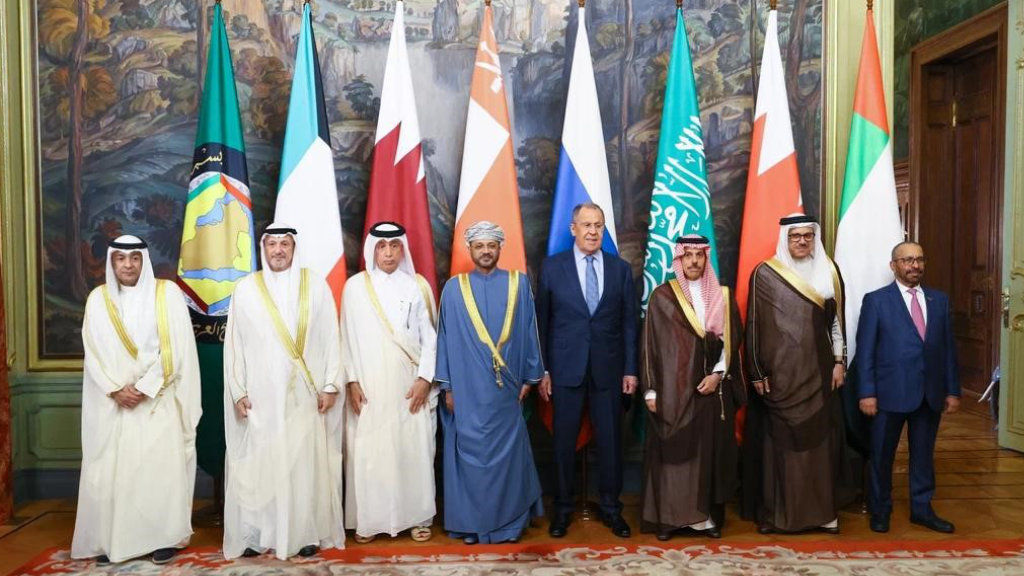
Russia’s Foreign Minister, Sergei Lavrov has arrived in Saudi Arabia for a Russia-Gulf Cooperation Council (GCC) ministerial conference. He will attend a ministerial meeting of the Russia-GCC Strategic Dialogue and will have several additional bilateral meetings.
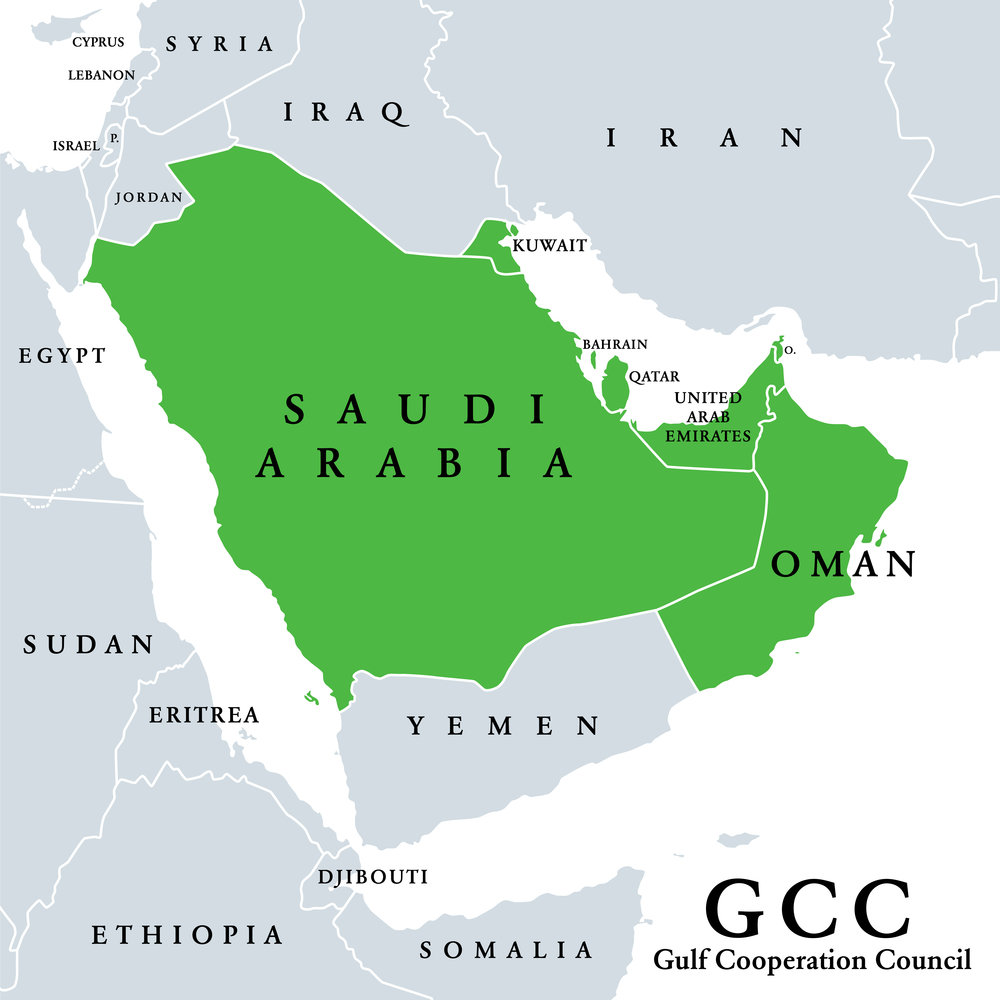
The Gulf Cooperation Council is a regional free trade organization comprising Bahrain, Qatar, Kuwait, the United Arab Emirates, Oman and Saudi Arabia.
Lavrov will be discussing regional trade and investments with all members both collectively and individually.
We summarize Russia’s current position with the GCC and its member countries as follows:
The Gulf Cooperation Council
The GCC possesses about 30% of the world’s total oil reserves, with about 70% of its current annual production going to Asia (and 20% of that to China alone, with a rapidly growing India close behind). Lavrov will be discussing Russian involvement in the GCC energy industry; it has multiple investments in the region and will be looking for more.
Russia’s participation in the GCC-Asia oil trade has become increasingly significant. Western sanctions on Russian energy products have led to an exodus of oil and commodity traders from London and Geneva to Dubai, which maintains dealings with Russian companies. A new network of shared interests encompassing Dubai, Riyadh, Mumbai, Singapore, Hong Kong, Shanghai, and Moscow has subsequently established itself.
In addition, the GCC is experiencing a connectivity boom, with significant development projects including rail, aviation and logistics projects all underway. There will also be discussions concerning replacing the US dollar as the trading currency for global oil transactions and the possibility of a Free Trade Agreement between the GCC and the Eurasian Economic Union. The situation as regards Palestine will also be on the agenda together with regional security concerns and the potential for Russian military supplies if required. Five of the GCC members (the exception is Oman) are dialogue partners of the Shanghai Cooperation Organisation.
Saudi Arabia
Russia will want to discuss Saudi Arabia’s intentions towards the BRICS; the country participates in BRICS discussions but has not yet ratified its membership. For Saudi Arabia, joining BRICS would signify a shift from being primarily aligned with the United States to becoming an independent regional power and de facto leader of the GCC and the Arab world. While both Russia and Saudi Arabia are generally regarded as energy plays, their main trade is in the agricultural sector with Saudi a major importer of Russian cereals. Current bilateral trade is about US$1.8 billion. Lavrov will also be discussing shipping security in the Red Sea and the prospects for development of the alternative INSTC routes between Saudi Arabia and Russia via Iran.
Bahrain
Bahrain’s King Hamad bin Isa Al Khalifa met with Russian President Vladimir Putin in Moscow in May. While bilateral trade dynamics remain small, Bahrain is set to hold a Middle East Peace conference with involvement from Moscow. A Russian Export Centre programme is also being in developed in Manama to encourage trade.
Qatar
Bilateral trade between Russia and Qatar grew 7.5% year-on-year and reached US$91 million in 2023. Given Qatar’s small size, the two countries will never be significant trade partners, however, Russia is becoming an important agricultural supplier to the country, while prospects for the so-called ‘Halal Tourism’’ market are also being developed. The Qatar Science and Technology Park (QSTP) is home to the regional Rosneft International Center of Research and Development.
Kuwait
Russia and Kuwait’s bilateral trade is running at about US$1 billion, with Russia exporting mainly industrial metal products such as pipes. There have been discussions about setting up a Russia-Kuwait Investment Fund to better promote trade and investment.
Oman
Russia-Omani trade is running at about US$500 million with the bulk of this being Russian crude exports. 2025 marks the 40th anniversary of Russian-Omani diplomatic relations, with a programme of events being discussed to promote these ties. Agriculture and tourism ties are also being developed.
United Arab Emirates
The UAE has become an important trade partner for Russia, and acts as the de facto base for Russian businesses in the region. Bilateral trade is currently running at about US$9 billion, with about US$8 billion of this Russian exports. As a regional jewellery and gem trade centre, Dubai alone accounts for about 40% of this in purchasing Russian gold and diamonds. Abu Dhabi also facilitates and organises distribution of Russian energy products throughout Asia. The UAE joined the BRICS group in January this year and is poised to sign a Free Trade Agreement with the Eurasian Economic Union.
Further Reading
Russia’s trade and development ties within the Middle East region, including all of the GCC countries, is discussed in some detail in the 2024 Russia’s Pivot to Asia guide. This is a complimentary, 250 pages download and can be accessed in English here and Russian here.

 Русский