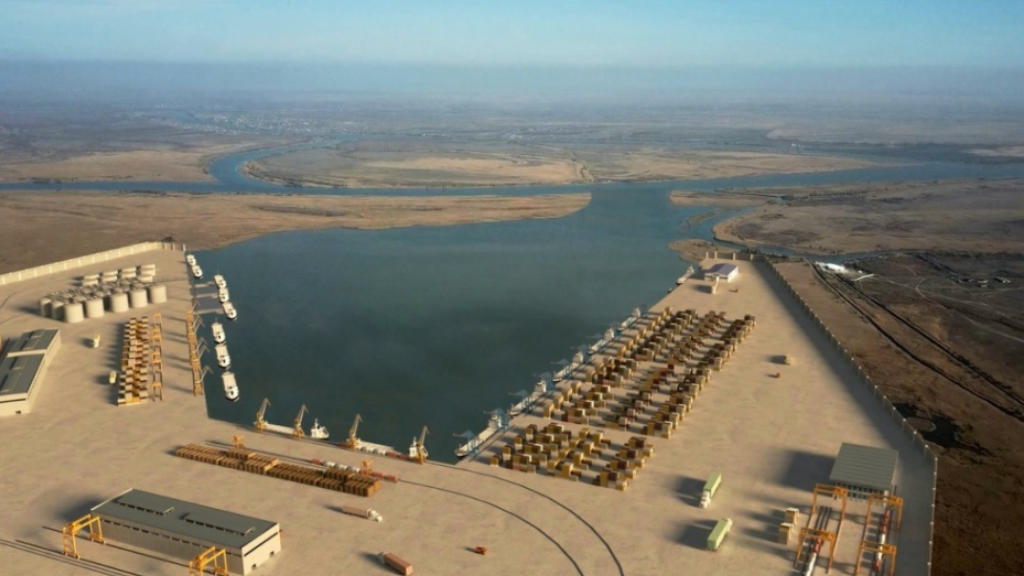
GXCSTE, the Moscow-based Kiton Group, and JSC Lotus SEZ signed an agreement at the Eastern Economic Forum in Vladivostok to develop logistics and containerized cargo shipments along the International North-South Transport Corridor, including the use of infrastructure at the Astrakhan SEZ Port.
Lotus SEZ deputy CEO Andrei Nalimov was quoted as saying “Kiton Group has been engaged in cargo transportation since 2009, while the Guangdong Xinhui Cimc Special Transportation Equipment Company makes cargo, specialized and module containers, as well as vehicles. Cooperation with these partners will be a stimulus in the development of transport services, including with the use of the Astrakhan port SEZ’s infrastructure.”
He said the construction of container ships at the Lotus Shipyard that can carry international standard containers, including refrigerated units, and will help consolidate efforts to launch scheduled shipments along the INSTC, making them regular and ensuring a constant flow of cargo traffic through the Astrakhan region. The Lotus Shipyard, the SEZ’s anchor resident, is a unit of Russia’s United Shipbuilding Corporation southern shipbuilding division. USC is the largest shipbuilder in Russia.
The Lotus SEZ, formed almost 10 years ago, lies on 996 hectares in the Narimanovsky district, 40 km from Astrakhan. It is aimed at localizing manufacturing such as shipbuilding and production of oil, gas, and other industrial equipment, as well as the high-tech sector.
Prime Minister Mikhail Mishustin signed a resolution in November 2020 to create a port SEZ and Caspian cluster in Astrakhan’s Olya port as part of comprehensive measures to develop the INSTC. The Lotus SEZ was merged into the cluster with the port SEZ.
The Astrakhan and Olya ports combined handled 4.477 million tonnes of cargo in 2023, 50% more than in 2022. Cargo traffic through the ports is growing amid increased demand for shipments along the INSTC, which both ports serve.
The Astrakhan Regional Governor, Igor Babushkin said cargo handling at ports in the region could reach 5 million tonnes in 2024, which would be an 11.7% increase from 2023.
Russia’s interest in the INSTC is threefold. It includes a direct north-south route to and from Russia via the Caspian Sea to Iran, with further links transiting Iran to its Persian Gulf ports and access to the Middle East, India, and East Africa.
It also runs east, with connectivity via Kazakhstan and Turkmenistan to other markets in Central Asia as well as onto China. ViaBaku, (Azerbaijan) it also runs west and to markets in Georgia, Armenia, Turkiye and ports offering access to the Black Sea and beyond.
As we predicted would happen, Chinese investors have already begun making investments into tax incentive-driven projects in Russia.
China’s Xuan Yuan, (XY Group) a Beijing-based, cross-border investment firm that specialises in international trade, including railway rolling stock and other large export of electromechanical products, public safety testing equipment, urban public security and emergency systems, urban heating, and power supply infrastructure, real estate development, and overseas project contracting.
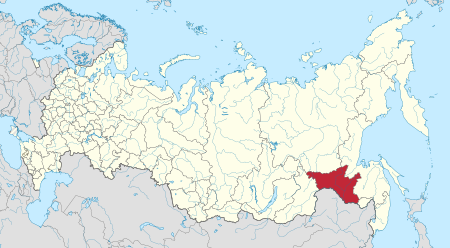
They have reached an agreement with Amur FEDC, a subsidiary of the Russian government’s Far East and Arctic Development Corporation (FEDC), to build an industrial park to manufacture high-tech equipment in the international priority development area (PDA) in the Amur Region. Investment in the project is expected to exceed ₽10 billion (US$110.5 million).
The letter of intent to implement the project was signed by Amur FEDC director Irina Volkova and Xuan Yuan executive president Xue Hailong at the Eastern Economic Forum in Vladivostok. Volkova said that “The construction of the industrial park for manufacturing high-tech equipment is planned at the Rovnoye investment site within the PDA. The preferential regime will begin in 2025 and provide residents with the most favourable conditions for implementing projects with high added value.”
She said a plot of land has already been selected for the park and the investor has registered a company in Amur Region. The paperwork for obtaining resident status is now being prepared.
Xue Hailong, XY Group’s president, said “The products and services that will be manufactured and provided in the industrial park are pertinent right now. These include laser equipment, robots, high-quality bearings, composite materials, smart elevators, intelligent control systems, and 3D printing. The support of the PDA regime will enable us to implement the project in a shorter period of time.”
Russia has been developing Industrial Parks and Special Economic Regions to attract foreign investment, and has been taking a leaf out of China’s book in doing so, when Special Economic Zones were set up throughout the country in the late 1990’s. These offered, as the Russian equivalents do, income tax breaks, reduced overall corporate income tax breaks, in addition to preferential land use rights, reduced utility bills and employee welfare contributions.
Kinet Railway Solutions, a company formed by Transmashholding, Russia’s largest locomotive and rail equipment manufacturer, and the Indian government-owned Rail Vikas Nigam Limited (RVNL), have announced that they have won a US$6.5 billion Indian government contract to manufacture 120 electric trains for Indian Railways at Kinet’s production facility in Latur, Maharashtra.
The company won the tender after offering the lowest price of ₹1.2 billion rupees (about ₽1.3 billion) per train, seeing off rivals such as German giant Siemens, France’s Alstom Transport, and Switzerland’s Stadler Rail.
Transmashholding project leader Alexandra Meluzova said the venture “makes a significant contribution to the development of the industry and, most importantly, strengthens the friendship between our countries.”
The trains produced by the joint venture will be used for Indian Railways’ Vande Bharat program, which was introduced in 2019 to modernize long-distance routes and increase the efficiency of transportation.
Around 100 Vande Bharat trains are currently being operated in India, connecting more than 280 districts, with the latest three such trains inaugurated by Prime Minister Narendra Modi on August 31. Indian Railways has aimed at procuring 4,500 new Vande Bharat trains by 2047. According to Transmashholding, delivery of the trains produced at the Latur factory is expected to take place between 2026 and 2030, while the first two prototypes will be ready for testing by the end of next year.
The tender, in which a majority Russian-owned MNC had to compete with Western MNCs for a multi-billion dollar tender, illustrates that on the international arena, Russian companies, and especially those with local partners, can still be highly competitive on the global stage despite sanctions.
In late 2023, Kinet also won a tender to manufacture 1,920 railway coaches in India and maintain them for 35 years. These are being manufactured at the Marathwada Rail Coach Factory (MRCF), also in Latur.
The Russian-Indian venture was in the news last year concerning a dispute over the equity stakes of the JV partners. Initially, Metrowagonmash, part of Transmashholding, received a 70% stake while India’s RVNL and a smaller Russian partner, Locomotive Electronic Systems (LES), would gain shares of 25% and 5% respectively. However, RVNL later insisted on a 69% stake to replace Metrowagonmash as the majority shareholder, citing Western sanctions on Russia and claiming it would create a “smoother movement” for the project. The dispute was resolved after talks “at the highest level” between the two governments, leading to Metrowagonmash retaining a majority stake.
India, with a population of 1.4 billion people, relies heavily on rail transportation, with more than 12 million people reportedly traveling on 14,000 trains each day. The Indian government has increased its expenditure on railways by 77% over the past five years, including significant investment in the construction and modernization of lines and rolling stock.
Alfa Bank is to open an office in India, the Russian lender’s deputy CEO, Pavel Vysotsky as said. “We see that it is necessary to open a large network of Russian banks and representative offices in India and expand the existing presence there. Alfa Bank is no exception in this regard, and we have such plans, to open a representative office in India,” Vysotsky said at the Eastern Economic Forum.
Alfa bank also opened two branches in China, in Beijing and Shanghai last year.
Alfa Bank is Russia’s fourth largest bank by assets, and reported a value of US$83 billion in its last statement at the end of August. The bank has been under EU and US sanctions since 2022, which have prohibited correspondent party banking relations. Alfa Bank’s, India representative office will not conduct direct banking transactions, but will act as a liaison between its clients in Russia and the Indian financial services market, as well as vice-versa.
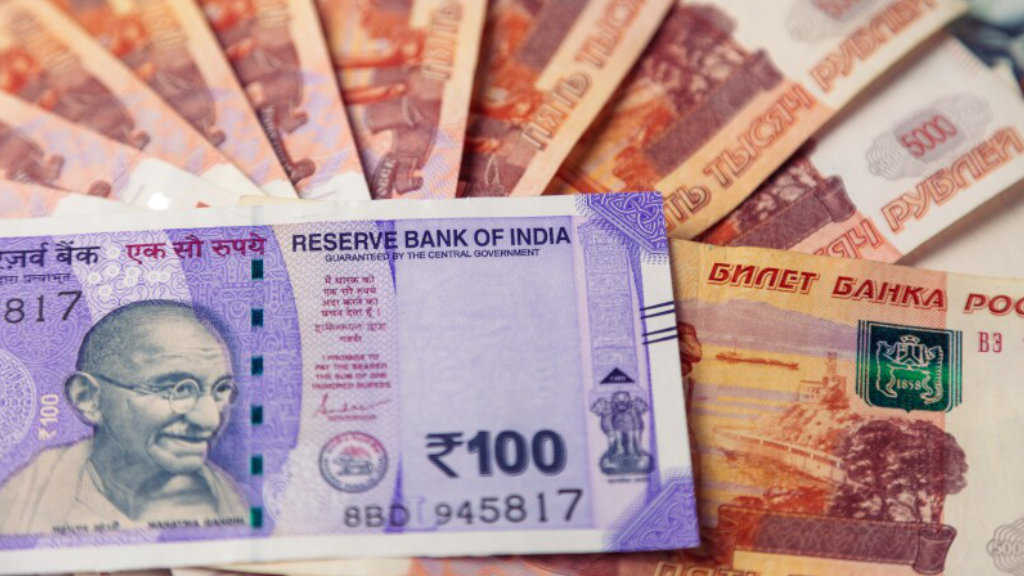
Both Moscow and New Delhi have been keen to address the balance of trade issue between the two countries, as India purchases far more from Russia, mainly in energy imports, than vice-versa. This has led to Russia holding billions of dollars worth of Indian rupees it is finding hard to disperse. As a result, new trade corridors have been developing between the two countries, and especially to encourage Indian exports to Russia are being instigated – Alfa Bank’s move will assist in part in alleviating this problem. Moscow has also been investing some of its Indian Rupees holdings back into Indian infrastructure and government bonds where it can at least generate longer term cash flow income from returns on these investments.
The Russian President, Vladimir Putin, gave a plenary speech at the Eastern Economic Forum (EEF) on Thursday (September 5) in which he outlined Russia’s plans for regional Asian development and other issues related to security, trade and investment. The speech was one of Putin’s longer talks, lasting close to 45 minutes. Attendees included the Malaysian Prime Minister Anwar Ibrahim, as well as Han Zheng, the Chinese Vice-President, in addition to several hundred other officials and representatives from 76 countries. We have broken Putin’s speech down into several topics, as he made them, including an Introduction, Fiscal Incentives, Special Economic Regions, Foreign Standards Approval, Regional Energy, Transport & Logistics, Cross-Border Digitisation, the Northern Sea Route, Mineral Resources, Education, Social Development, Private-Public Investment, Urban Planning, and a Summary. Our analysis as RPA is underneath each item.
Introduction
Putin “Ladies and gentlemen, friends. I am delighted to offer warm greetings to all the participants and guests of the 9th Eastern Economic Forum. It has become a tradition for Russia and the city of Vladivostok to host this event in early September, bringing together businesses, technology providers, research teams, senior executives from major corporations, government officials, specialists, experts and entrepreneurs who are interested in Russia’s Far East and recognise the immense opportunities this unique Russian region offers for launching creative undertakings and engaging in mutually beneficial partnerships.
As you know, we have designated the development of the Russian Far East as a national priority for the 21st century. The significance and correctness of that decision have been confirmed by life itself, the challenges we have recently encountered and, most importantly, the objective trends that are gaining momentum in the global economy, when the main business ties, trade routes and the overall development are increasingly shifting towards the East and the Global South.
Our Far Eastern regions offer direct access to these growing emerging markets, helping us overcome the barriers which some Western countries are trying to create worldwide. The most important thing, as I have already mentioned, is that the Far East is a huge area for implementing business initiatives, launching complex projects and creating whole new industries.
In fact, the Far East has become a crucial factor for strengthening Russia’s standing in the world and our flagship in the new global economic reality. The further development of the Far East will largely determine the future of our country as a whole.
This subject – the image of our future – is the key focus of nearly 100 events, panel sessions and roundtable discussions at the Eastern Economic Forum. Overall, representatives of more than 75 countries and territories are taking part in the forum’s events.
It is extremely important that such discussions are complemented with substantive business dialogues and result in the adoption of investment decisions and trade agreements. I would like to say that over a thousand agreements worth in total more than ₽10.5 trillion (US$117.3 billion) were signed during the previous three forums.
In short, the Eastern Economic Forum has rightfully become a respected venue for establishing reliable business contacts and discussing the strategic development of the Russian Far East and the Asia-Pacific region as a whole.
In my address I will tell you about some of our planned actions in this sphere, our proposals for our foreign partners on strengthening investment, trade, industrial and technological cooperation in the Asia-Pacific region, as well as about our achievements and plans in the economy, infrastructure and social sphere of the Far East, including for improving the quality of life for our citizens in this region.”
RPA A general introduction, with the figure of US$117.3 billion of foreign investment over the past three years into the Russian Far East being a notable number.
Fiscal Investment Incentives & Special Economic Regions
Putin “Let me remind you that back in 2013 we launched a new strategic programme and a governance framework for promoting comprehensive development in Russia’s Far East. And this approach has proven its worth. Over the past ten years, over 3,500 manufacturing, infrastructure, technology and educational projects have been established in the region. Over the same period, fixed capital investment has been gathering momentum in Russia’s Far East, with the growth rate exceeding the national average by a factor of three times.
This investment brought about tangible results. There are about 1,000 new enterprises in Vladivostok, and these efforts have helped create over 140,000 new jobs. In terms of industrial output growth, the Far East region has been above the national average by 25% since 2013.
Let me also remind you that there are currently 16 priority development territories in Russia’s Far East. There is the Vladivostok Free Port. We introduced a preferential regime for the Kurils, and established a special administrative district on Russky Island (part of Vladivostok). This district has offered a pathway for re-shoring assets worth over ₽5.5 trillion (US$61.5 billion) back to Russia from offshore and foreign jurisdictions. More than 100 companies are currently registered in Russky Island.”
RPA Russky Island has been designated as a Special Economic Region (SAR) in Russia and offers reduced tax rates and other investment incentives. This has proven a success for Russian-owned companies facing pressure in their overseas operations, with many relocating back to Russky Island to take advantage of these lower operating costs and higher profitability. They have been bringing not just their previously foreign based capital with them but also their administrative and financial operations. While the West has focused on Russian nationals moving out of Russia, the other side of the coin is that given Western attitudes towards Russian-owned corporations, many have been relocating back, including from European jurisdictions such as Cyprus, Jersey (UK), Malta and Lichenstein. We provided an overview of Russia’s two SAR’s here.
Putin “We will make sure to continue this advancement and will work tirelessly to improve the business environment in Russia in general, as well as in its Far East, including by relying on innovative and effective practices when working with foreign investors.
For example, we announced the initiative to establish international priority development territories in the Far East at the 2023 Eastern Economic Forum. Foreign investors, primarily from the friendly countries, of course, must benefit from a globally competitive environment.
We have plans to establish our first International Priority Development Area (IPDA) here in Primorye Kraai. Our Chinese and Belarus partners have shown great interest in this undertaking. Belarus is contributing to building a new deep-water port here. I would like to ask the State Duma and the Government to step up their efforts to draft a law for launching these international priority development territories.”
RPA The International Priority Development Area (IPDA) is a type of Free Trade zone that offers incentives to foreign investors. This is essentially a Russian variant of the successful Chinese model introduced during the late 1990’s. Alexei Chekunkov, Russia’s Far East and Arctic Development Minister has stated that the law on the creation of IPDAs will be passed by the State Duma in the Autumn session of this year and will go into effect at the beginning of 2025. The proposals state that resident companies of IPDAs will receive preferences and tax breaks, including a simplified procedure for provision of land parcels and the necessary infrastructure. The Far East Development Ministry has also proposed to extend the duration of tax breaks for IPDA residents to 15 years from 10 years. Typical corporate income tax (CIT) breaks include 3 years at zero per cent, rising to a maximum of 10%. Russia’s standard CIT rate is 20%. Other incentives include discounts on land acquisition, utility expenses, and mandatory welfare contributions to employees.
Belarus is planning to use a specific IPDA exclusive to its own use and is developing a deep water port at a still to be determined location on Russia’s Pacific coast. That will allow Belarus exporters improved access to the Chinese market as well as to other Asian and Asia-Pacific nations.
Foreign Standards Approval
Putin “There is another regulatory solution designed to facilitate and expand our ties with our foreign partners. Starting on September 1, 2024, Russian law allows for the use of foreign standards in construction and design. Of course, this applies to countries where quality and safety requirements for permanent structures are just as high as here in Russia. I hope that this approach serves its purpose, including within the Far East’s international priority development territories.Developing Bolshoi Ussuriysky Island in the Khabarovsk Territory should serve as a model for working with our foreign partners, attracting investment in construction projects and creating jobs. This project provides for creating major logistics centres and border checkpoints, as well as expanding its road network.
Last May, during the state visit to the People’s Republic of China, we agreed to collaborate with our Chinese colleagues on this project. I am certain that it will provide a good powerful impetus to the development of Khabarovsk and the entire region. I am asking the Government to finalise all the organisational and financial issues in order to begin fulfilling this plan as soon as 2025.”
RPA Russian officials have been very busy paying attention to foreign investment trends and listening and learning from China’ experience. Although global foreign investment outflows have been declining the past two years, China has long been a primary foreign investment destination and is still the world’s second largest recipient after the United States. Russia, historically, has lagged well behind. This is now changing. In addition to the tax incentives described earlier, Moscow has made a smart move in accepting foreign standards in construction and design. That is primarily aimed at Chinese manufacturers, and it can be expected that Chinese capital investment will increase into the Far East region – which requires significant infrastructure development – as a result.
Putin made a reference to logistics centres in Khabarovsk, being a nod to the development of the Northern Sea Route (NSR). That has short term implications for Chinese shipping to Russia, and longer-term, post-Ukraine conflict implications for Chinese shipping via the NSR to markets in Northern Europe.
Regional Energy Supply
Putin “Electricity supply is one of the key issues when it comes to launching business initiatives in the processing industry, in housing construction and in transport network upgrade, across all areas. The Russian Far East is experiencing an increase in energy consumption. The current rate is 69 billion kilowatt per hour annually, and by the end of the decade, we expect it to be around 96 billion. Even today, there are areas, residential areas and major Far Eastern investors who face a shortage of power and have to wait for the launch of new stations. This delays construction, the operation of industrial facilities and infrastructure.
I have already instructed the Government, our major energy companies and business circles to develop a long-term development programme for energy capacity in the Far East, and work on respective project financing mechanisms.This programme aims to eliminate the expected deficit of electric energy in the Far East, primarily by launching new generation facilities like, for example, the Nizhne-Zeiskaya hydro power plant (HPP) in the Amur Region, which will not only provide electricity to the area and the Eastern Operating Domain but also help protect territories and residential areas from flooding. I am also asking to consider building nuclear power plants in the Far East.
I want to emphasise that the power development plan must consider both current and future needs of businesses and the public, as well as the long-term objectives of the constituent entities, cities and smaller residential areas.”
RPA Russia is often mislabelled as purely an oil and gas play; however, it is also one of the world’s leading nuclear, hydro, solar and wind energy power exporters and has a long history of building nuclear power plants (NPP) and other energy producing facilities. Putin’s statement as regards energizing the Russian Far East illustrates a multi-modal, long-term approach to providing energy generating solutions.
Transport & Logistics
Putin “This also applies to strengthening transport and logistics capabilities of the Far East and the entire country. The largest and most significant project here is, of course, the expansion of the Eastern Operating Domain.
Over the past ten years, more than 2,000 km of railway tracks have been built and more than 5,000 km have been renovated on the Trans-Siberian Railway and the Baikal-Amur Mainline. We have built and renovated more than 100 bridges and tunnels, including those across the Lena, Bureya and Selenga rivers. By the end of this year, the carrying capacity of the Eastern Operating Domain railway network is expected to reach 180 million tonnes.
This year, we launched the third stage of this highly important transport artery, and the works are currently underway.I want to emphasise that our objective is to eliminate railway bottlenecks and build over 300 facilities, including routes supplementing the Severomuisky, Kuznetsovsky and Kodarsky tunnels, as well as a bridge across the Amur River. This is a much more ambitious goal. It is crucial to start planning for the future today. For example, we will need to lay a second set of tracks along the entire Baikal-Amur Mainline and electrify this railway.
Over the next eight years, we will lay 3,100 kilometres of tracks along the Eastern Operating Domain. To put this into perspective, this is the same volume of tracks that were laid during the first and second stages of expanding BAM and the Trans-Siberian Mainline combined. This is also comparable to the construction of BAM in 1974−1984.
Today, we are implementing a project whose scale exceeds the largest Soviet-era infrastructure investment project completed by all Soviet republics pooling all their resources.
Just like the Trans-Siberian Mainline, the new transport corridor between St Petersburg and Vladivostok will serve as a vital continental artery.
Expanding freight traffic volumes and improving the quality of vehicle traffic are not the only goals. When completed, the new corridor will also promote inbound tourism: the entire route passes through numerous Russian regions.
The corridor is being developed in stages. In December 2023, we opened a modern motorway between Moscow and Kazan. By late 2024, this route will reach Yekaterinburg and later Tyumen. We will also build bypass roads in Omsk, Novosibirsk, Kemerovo and Kansk.
In the future, when the modern road reaches Vladivostok, the auto transport corridor will be over 10,000 kilometres long, including routes for accessing checkpoints on the Russian state border.”
RPA Russia is embarking on a massive infrastructure development build that dwarfs any comparable projects worldwide. The Eastern Operating Domain is essentially the upgrading and capacity development of the two main West-East railway lines, being the Trans-Siberian Railway and the Baikal-Amur Mainline (BAM) which is similar but runs further north.
These railways, as Putin referred too, also intersect with the rail networks of all other post-Soviet countries, many of whom are also redeveloping, expanding and electrifying their own networks, as is China and much of the Asian region. While the Eastern Operating Domain development is significant in its own right, it is the additional Eurasian regional connectivity and other development projects that intersect with it that brings home the complete picture of the total regeneration and connectivity of the Eurasian landmass.
Cross-Border Digitisation
Putin “In this connection, I would like to remind you of the objective set out in the Address to the Federal Assembly, specifically, the reduction of queues at the border and reducing the time in which lorries undergo checks, which should not exceed ten minutes.
We aim to achieve this result at the first five Far Eastern border checkpoints by 2026. It is worth noting that railway checkpoints are already processing freight at the border promptly.
Let me stress this: a truly large-scale effort has been launched at both the Eastern Operating Domain’s railway network and at all of Russia’s major road infrastructure facilities. This effort involves specialists, engineers, and designers from many regions of our country. They are proving through their hard work and responsible approach to business that Russia is ready and able to handle large-scale construction projects, and do it quickly and with high quality, and to implement infrastructure and transport projects on a national and global scale. These projects include the development of the Northern Sea Route as an international logistical route. Over the past decade, the freight traffic flow on this route has increased by an order of magnitude, from just four million tonnes in 2014 to over 36 million tonnes last year. This is 400% more than the Soviet-time record.”
RPA Additional comment on infrastructure development, showcasing that Russia is also concentrating on the parallel development – including the implementation of a mass digitisation programme – to smooth inter-continental transit throughout the Eurasian region. Nothing is being left to chance.
Northern Sea Route
Putin “We will continue to boost the freight traffic, including by developing actively Arctic deposits, rerouting cargo flows from west to east, and expanding the transit.
The large-scale plan for the development of the Northern Sea Route is currently being implemented. We are building icebreakers, expanding our satellite cluster in orbit, strengthening the coastal infrastructure, and upgrading the network of emergency and rescue centres. Coastal cruises were launched on the Northern Sea Route two years ago to familiarise ourselves with new logistical routes. Today, this arrangement includes 14 ports in the Northwest, the Arctic, and the Russian Far East.
It is worth noting that the capacity of Russian ports within the limits of the Northern Sea Route exceeded 40 million tonnes at the end of last year. However, we believe that this is just the beginning. We will continue to increase their capacities, upgrade the cargo transshipment mechanism, and expand the nearby and far-off rail approaches to these ports. One of our goals is to increase the capacity of the Murmansk Transport Hub to 100 million tonnes and potentially even higher.
Our Eurasian integration partners are also interested in developing the Murmansk Transport Hub. For example, our colleagues from Belarus are giving careful consideration to the prospects for expanding the port infrastructure and their terminals on the Kola Peninsula. Of course, we also invite other countries to take part in this project. I know that there is an interest in this work.
Let me add that Russia implements all its transport and logistical initiatives using advanced engineering, digital and environmental solutions. This creates additional demand for the output of Russian machine-building and iron-and-steel plants, and for services of the construction and other industries, research institutions, and hi-tech businesses.”
RPA Further references to not just the extent of Russia’s development of its infrastructure, but also the commitment to use the latest technologies in doing so.
Mineral Resources
Putin “It is with this approach based on the latest solutions and the greatly improved technological, economic and educational capability of the country as a whole, that we must address the tasks of strategic development of the Far East, including the further strengthening of the region’s basic mineral resources sector.
Today, the Far East accounts for 100% of Russia’s tungsten, tin, fluor spar and tincal production, 80% of our diamonds and uranium, over 70% of silver, and 60% of gold. However, mining in the main production areas, including Yakutia and Chukotka, began long ago and their resources are objectively limited, while the demand for them is growing, both for export and on the domestic market.
We must ensure the resource sovereignty of our country and provide a reliable basis for the sustainable supply of affordable raw materials and fuel to the national economy, to our regions, cities and towns, as well as create a foundation for the production of new materials and energy sources. As I mentioned earlier, we must accomplish this by utilising more effective domestic technologies and scientific solutions in the fields of ecology and mineral resources management.”
RPA A significant phrase here is ‘resource sovereignty’, meaning that Moscow will be paying close attention to foreign investor participation in any of its strategic reserves. Given the West’s and especially Europe’s attitude towards using any of Russia’s mineral wealth, it is hard to see where any involvement from Europe (and to some extent, the United States) may come from. Given that much of Russia’s mineral wealth includes critical components for contemporary and future technologies, this may well over time create significant problems in the West’s capabilities to source these items.
Putin “During our forum last year, we instructed the Government to prepare separate programmes for exploring the resources of the Far East and Siberia and to incorporate them into the “Geology, Revival of a Legend” federal project.
These programmes have been prepared. According to our estimates, for every 1 ruble of federal funds invested in exploration, we will attract at least 10 rubles in private investment. But the main thing is that these investments will pay back and produce a huge profit, as well as have a comprehensive effect throughout the production chain. However, this job must be completed within the given timeframe and with due regard for the investment planning horizon.
I have asked the Government to include the funding of these programmes in the draft three-year federal budget in the amounts necessary for achieving our goals.
As I said, the Far East has the potential to increase the state of geological exploration severalfold, including when it comes to the exploration for and production of high-tech raw materials such as titanium, lithium, niobium and rare earth metals, which we will need for the economy of the future. Most importantly, we have all these elements.”
RPA The ‘Geology, Revival of a Legend’ project is designed to provide geological exploration and the discovery of new mineral deposits in Russia, and as a result, for Russia will retain its leading global position in gas and gold reserves. Alexander Kozlov, Russia’s Natural Resource Minister, has said that for scarce mineral types such as tungsten, lithium, uranium and rare earth metals, the programme will elevate Russia to become one of the world’s top four producers of these commodities.
Kozlov said that work is currently underway at 23 sites under the scheme. Eight are involved in exploration for hydrocarbons (five in Yakutia, the others in Tomsk, Tyumen, and Khanty-Mansiysk). Another 15 sites are dedicated to the search for solid minerals, such as gold, copper, lead, zinc, iron ore, and bentonite clay.
The Ministry has also developed programs for 11 Far Eastern regions and 10 in Siberia, with Kozlov saying that there are another 341 promising areas ready for additional geological exploration (256 in the Far East and 85 in Siberia).
Commenting on exploration plans in the Far East, Kozlov has said that “Additional geological exploration will make it possible to discover nearly 1,000 new fields with a good level of reserves. As a result, we will maintain, and in some cases strengthen, our global leadership. In natural gas – first place in the world. In gold – first, in copper – fifth. In addition, for scarce mineral types like tungsten, lithium, uranium and rare earth metals, we will join the world’s top four. In this regard, the low level of knowledge we have of the Far East is to our advantage. We have a fund of little-studied territories in which major discoveries will be made. We are also looking for underground water beneath the territories of the federal project. Drilling and testing of 14 wells is currently underway, and we expect that the increase in reserves will be over 51,000 cubic meters of water per day instead of the planned 10,000.”
Education
Putin “These industries have a huge potential for the growth of our Far Eastern regions, for creating jobs, enhancing the availability of various services, strengthening ties and improving logistics efficiency.
We will support the development of innovative and creative industries, and the infrastructure for the big data and AI economy in the Far East. In particular, we will establish a zone here where civilian purpose drones will be created.We will continue to build up the scientific and educational potential of the Far East so as to use the advantages of technological progress to full capacity. New projects to build university campuses in Yuzhno-Sakhalinsk and Khabarovsk have been launched in the region, but this is clearly not enough for the Far East.
I propose launching several more projects, namely, to build new campuses in Ulan-Ude, Petropavlovsk-Kamchatsky and Chita. We will also complete the second phase of the campus at the Far Eastern Federal University in Vladivostok. These campuses will have all the necessary conditions for study, work and accommodation of the students, as well as youth entrepreneurship platforms and business clubs.
We will also upgrade our Arctic universities. The project to build a campus in Arkhangelsk will be followed by a similar project in Murmansk.
Innovative engineering schools will be created at university campuses. Two such schools have already opened in Sakhalin and Vladivostok. Their task is not only to train professionals for our industries, agriculture, transport, the services sector and AI spheres, but also to propose unique solutions for broad implementation in management, the social sphere and economic sectors.
A RusHydro science and technology centre has been functioning efficiently on Russky Island for two years. It is focused on innovative global energy research, and its solutions are being actively used in the retooling and modernisation programme of the energy sector in the Far East.
Our leading companies will contribute to the establishment of another major innovative science and technology centre at the Far Eastern Federal University on Russky Island. It will specialise in research and practical solutions in the fields of marine engineering, biotechnology, biomedicine and other promising spheres.
I urge our colleagues in the Government and in the Primorye Territory to use the Far Eastern concession mechanism for the implementation of that project, as well as to explore ways to attract scientists from other research centres in Russia and other countries to that centre. What I have in mind are competitive incentive programmes and benefits packages for professionals and their families.”
RPA Putin focussing on the human resource and educational infrastructure required to support Russia’s development plans.
Social Development
Putin “We realise that the successful implementation of our plans in the Far East and nationwide depends primarily on the people and Russian families.
I have already noted that we cannot rely on outdated logic, where new plants and factories were built first and then the authorities started thinking about their employees. This unfair logic simply does not work in a modern economy, an economy of the future that revolves around people.
This is why we have launched major social initiatives together with new economic plans in the Far East. We have also activated the unified subsidy mechanism, which helps fund the construction of schools and kindergartens, outpatient clinics and hospitals and sports centres, improve the urban environment and implement infrastructure modernisation projects. Almost 2,000 social and infrastructure facilities have been built to date.
The unified subsidy has become a powerful financial lever for the Far Eastern concession mechanism. It aims to attract private investment in social projects. Businesses are already planning to invest over ₽120 billion (US$1.4 billion) for this purpose. We are currently implementing 36 of these initiatives, with work already underway.
For example, we are building a year-round alpine skiing resort here in Primorye, as well as a national museum and theatre in Ulan-Ude. Petropavlovsk-Kamchatsky will receive a new community centre, and an art museum will be completed in Khabarovsk. We are building new sports facilities in Magadan and Chita. We are completely modernising municipal lighting systems in Chita and Birobidzhan. Of course, we will continue to support the Far Eastern concession project and to adjust its mechanism to meet the needs of the people and the capabilities of the business community.”
RPA Putin paying attention to the social infrastructure issues relating to encouraging Russians to relocate to the Far East regions.
Private-Public Investment
Putin “I would like to note separately that, today, the system of public-private partnership helps build schools, airports, bridges and motorways, and to upgrade municipal transport networks across the country. However, the volume of these projects remains small, accounting for less than 3% of our GDP or ₽4.4 trillion (US$49 billion).
To intensify the development of this sector, it is necessary to upgrade specialised legislation. We should also adjust the mechanism of public-private partnership to ensure transparent risk distribution for all the parties involved, including state agencies and businesses. These risks should be distributed equitably, including during the implementation of socially important projects.
Considering the experience and achievements in implementing technological sovereignty projects, I suggest that the VEB.RF Development Corporation becomes a mandatory participant in public-private partnership projects. It should oversee the risk allocation system and confirm the profitability of projects for the state and businesses. VEB.RF is ready for this. Just like the Projects Funding Factory, it should incentivise private investment.
I ask the Government and VEB.RF to chart specific parameters of transactions and their scale within the system of public-private partnership, with the participation of VEB.RF being a requirement.”
RPA VEB.RF is Russia’s State Development Organisation, acting as a bank. It makes investments in projects in Russia, and then obtains dividend income from profits. It has currently helped finance over 300 major infrastructure projects in Russia and has assets of about US$70 billion.
Putin “Next, it is extremely important to attract private investment that aligns with the long-term development plans of our industries and territories, as well as our cities and towns. It is for their comprehensive development that we are actively promoting master plans, which are a fundamentally new mechanism for improving the quality of our people’s lives. Many are aware of this, in particular, our Russian colleagues.
These plans have been approved for 22 administrative centres and urban conglomerates in the Far East, where over four million people live. In particular, a master plan has been prepared for a satellite city of Vladivostok, which will have a cohesive development strategy for the development of a huge conglomerate comprising Vladivostok, Artyom and the Nadezhdinsky District. Its implementation is slated to begin in 2025.
What are the specific features, essence and novelties of these master plans? To understand them, we need to examine the previous situation at the local level. There was poor coordination between economic and urban planning services. Construction, housing and utilities, and social infrastructure were operating by themselves, which led to unbalanced decisions and disjointed urban spaces.
Today, the region and local administrations have held a series of discussions with the public and businesses, which helped pinpoint problem areas, assess the development potential of all aspects of their cities, and prepare individual long-term development models for each of them.
In fact, it was for the first time that one document comprised all socioeconomic and spatial development models that included the construction of transport, housing and utilities, energy and other infrastructure. The integral part of these plans is to improve the quality of people’s lives. It is our main goal.
Many elements of these Far Eastern master plans are still at the design stage, but we can say confidently that 70 facilities will be completed this year. In future, the implementation of these master plans must be accelerated.
The Ministry for the Development of the Russian Far East and Arctic has compiled a special rating of regions and agencies that are particularly active in this sphere. The current leaders in the implementation of these master plans are the Sakhalin and Magadan regions, the Republic of Buryatia, and the Kamchatka and Khabarovsk territories. I would like to thank our colleagues for their significant progress and ask them to continue building momentum.
At the same time, I would like to note that we will monitor the implementation pace of the Far Eastern master plans every year and recognise the best regional teams and federal agencies. This will allow other colleagues to learn from their success and adopt their best practices.”
RPA Putin is essentially asking wealthy Russian Oligarchs to invest private equity in the Far East, and hints he is prepared to provide rewards for doing so. In fact, Western sanctions have greatly assisted Putin in this regard. The seizure of Russian, privately owned assets by Western governments has instead motivated Russian Oligarchs to redomicile assets back to Russia. It is not directly acknowledged, and certainly not in the West, however Moscow has been largely successful in motivating Russian-owned capital to be put to use back in Russia – hence the formation of the SAR, tax incentive, profits increasing regions discussed earlier. Russians today are now discussing opportunities for investment into Russia, rather than opportunities elsewhere. It is a key point in Putin’s Russian redevelopment strategy. It is also likely to spur the development of specific domestic Russian Investment Funds in the future.
Urban Development
Putin “I should add that decisions have been made regarding additional budget loans for Government-approved master plans. ₽30 billion (US$334 million) have already been allocated – as additional funding, I want to emphasise that. I propose allocating another ₽100 billion (US$1.1 billion) from the approved loan limit for 2025–2030 specifically for the master plans of our Far Eastern and Arctic cities, which will exceed the amounts that the regions currently receive as a regular disbursement.
We should not forget about the urban development plans as we develop new national projects that are currently in their final stages. Moreover, it is necessary to allocate funds for specific sections, primarily for such national projects as Infrastructure for Living, Effective Transport System, Family, Long and Active Life, and Youth and Children.
What else is important? Half of the expenses under the master plans of the Far Eastern cities are covered by non-budgetary sources – that is, business investment and backbone enterprises that are willing to build outpatient clinics and kindergartens, sport facilities, roads, utilities networks, and restore cultural monuments, and so on.
As I said, we will certainly support such business investment. I am confident that, as the transformation of the cities and towns gains pace, the share of private investment will undoubtedly grow as well, including from our strategic partners such as large enterprises that take an active role in city renovation under their own social responsibility programmes in their present locations. We should take advantage of their results, capacities and experience when implementing the master plans.
Our strategic partners could, for example, fully fund a social infrastructure facility in a city, a town or a residential area where their investment projects are located. After this social facility is transferred to the municipality or the region, these investors will receive compensation in the form of tax rebates, concessions and other privileges. I am asking the Government to outline the parameters of this mechanism.”
RPA Putin calls for additional private capital to be invested in soft infrastructure in everything from the arts to sports and historic monuments as well as localized needs such as transport.
Putin “I want to stress that the experience of the Far East will serve as the basis for scaling up this master plan practice. As stated in the Address to the Federal Assembly, by 2030, these strategic documents will be developed for 200 Russian cities and towns. We will be scaling up this effort, from 22 areas in the Far East today to 200 areas nationwide, including the backbone cities that contribute to strengthening Russia’s technological sovereignty.”
Summary
There are five main takeaways from Putin’s speech. Firstly, the extraordinary, expansive and detailed infrastructure development that Russia is now embarking on. It flies under the radar for many, however this is a major initiative on a global scale. In essence, it is Russia’s equivalent of the massive infrastructure development that China went through during the 2000’s. Many of these projects will also provide a return on investment for participants – toll roads, railway fees, and so on.
Secondly, Russia is also taking pro-active steps to attain what Putin referred to as ‘resource sovereignty’ – a national exploratory search for the critical minerals that Russia’s vast lands possess. This undertaking means that Russia cannot be ignored as a source – with the implication being that for those countries that continue to cut themselves off from obtaining these commodities, economies may suffer long term distress.
Third, Russia has, finally, opened up its investment laws and is actively encouraging foreign investment into the country. While this is far from apparent from current Western attitudes, it is certainly being noticed in Asia, with countries such as China, India and the ASEAN bloc, in addition to the Middle East and Central Asia, all primary targets. Europe may not like it, but their retrenchment from Russia has motivated Moscow to provide incentives for Asian investors to enter the market on financially attractive terms.
Fourth, there is the role of Russian Oligarchs, who are not directly addressed, but in the overall make up of Russia’s new investment regime are certainly being targeted. Putin made several calls for private investment across a wide variety of sectors. Smart Russian tax structuring and fiscal policies are now introducing Russia as an attractive place to invest. With CIT rates as low at 10% and other fiscal benefits, Putin is providing generous terms for Russia’s overseas capital to be returned home and put to better use.
Finally, it may seem obvious but nonetheless, a very deliberate statement was made: the European Union, which until 2020 was Russia’s primary trade and investment partner, has almost ceased to exist in Russia’s plans. Putin made no reference towards ties with the West at all. It has become irrelevant to Russia’s new direction. Russia’ Pivot to Asia is without doubt, the new normal.
Further Reading
Our 2024 Russia’s Pivot to Asia PDF guide is a 250 page, full colour and comprehensive study of Russia’s trade and investment development with all countries in Asia and the Global South, including the Middle East, Africa and Latin America. It is a complimentary download and may be accessed in English hereand Russian here.
Han Zheng, China’s Vice President, has been attending the Eastern Economic Forum in Vladivostok, and gave a speech at the event. China is Russia’s largest trade partner and shares a significant border with the Russian Far East. This is what he had to say:
“Forum participants, ladies and gentlemen, friends. I am happy to be with you at the 9th Eastern Economic Forum. First of all, I would like to convey best regards from President Xi Jinping and the Government of China on the beginning of the forum.
Vladivostok is a window of cooperation with our partners in the Far East. It was at President Putin’s initiative that Vladivostok hosted the first Eastern Economic Forum in 2015. Thanks to its consistent development, it has become an important venue for finding consensus and solutions to development issues.
Its theme this year is Far East 2030. Combining Strengths to Create New Potential, which reflects the current situation and requirements of regional countries. Our shared goal is to promote cooperation and build up mutual trust to the benefit of all.
The Chinese-Russian relations of comprehensive partnership and strategic interaction are growing sustainably in the new age under the strategic guidance of President Xi Jinping and President Putin. This year, our heads of state met in Beijing and Astana, where they set out the plans and parameters of the further development of our bilateral relations and multifaceted cooperation, with the 75th anniversary of our diplomatic relations as a new reference point.
Our two countries have joined efforts to overcome all difficulties in this volatile international situation. We are moving steadfastly on our own path and tackling our problems in order to bring practical benefits to our people and to contribute to the revival and growth of the global economy.
Northeast China and Russia’s Far East are geographic neighbours with close ties between our people. These regions have mutually complementing advantages in trade, investment, energy and transport connectivity, and so they are natural partners.
China has been the largest trade partner and source of foreign investment in the [Russian] Far East for years. Trade between China and the Far East reached US$33.8 billion in 2023, an increase of 54%.
Currently, China’s Northeast is comprehensively cultivating a new frontier of China’s openness to the outside world, which is in line with Russia’s Far East development strategy. The leaders of our two countries attach great importance to cooperation between China’s Northeast and the Russian Far East, and pay personal attention to it.
Given this, we should note the 8th China-Russia EXPO, which was successfully held in Harbin in May. President Xi Jinping sent a congratulatory message to it, and President Putin personally attended it, which served as a strategic guide for bilateral cooperation. The connectivity between the development of these regions and expanding their cooperation is very timely and promising.
We are ready to follow the important agreements at the highest level together with the Russian side, to strengthen interconnectivity at an accelerated pace, both in terms of cross-border infrastructure and harmonisation of the rules and standards, to increase the scale and quality of cooperation, to strengthen the foundation for long-term sustainable development of China-Russia relations in the new era, and to make our contribution to the prosperity and stability of the region and the world.
Against the background of tremendous changes in the international environment unseen in the past century, aspirations for peace, development, cooperation and win-win remain an unstoppable trend. The concept of the Community of Common Destiny for Mankind – the Global Development Initiative, the Global Security Initiative and the Global Civilisation Initiative launched by President Xi Jinping, represent China’s solution to global governance, bring confidence to the world and give impetus to collective efforts to confront challenges and achieve common development.
We stand ready with the countries of the region to consolidate efforts, strengthen cohesion and cooperation, and jointly promote peace, stability, prosperity and development of the entire region. In this regard, I would like to propose the following.
First, it is necessary to adhere to the principles of openness and inclusiveness, which are the leitmotif of the modern world. Cooperation in the spirit of openness is the trend of the era. China unswervingly pursues the strategy of openness with a focus on mutual benefit and win-win, promotes development of an open world economy, opposes protectionism and attempts to disrupt and break chains. It stands against unilateral sanctions and increased pressure. We are ready to build up and enhance cohesion with the countries of the region based on the principles of openness, justice and mutual respect and seek joint development.
Second, we should promote mutually beneficial cooperation. It is a major development driver in the region. The unique resources and high complementarity of Northeast Asian economies are the foundation for broad cooperation prospects. We should actively search for new points of the convergence of interests, highlighting our advantages, acting jointly to protect our stable and smoothly operating value chains, and strengthening our interaction in the new sectors such as artificial intelligence, the digital economy and green economy to the benefit of the cooperative development of regional countries.
Third, we should ensure comprehensive development and security. Security is an earnest of development, and development is a guarantee of security. China is firmly committed to worldwide peace, is stimulating global development and is resolutely opposing hegemonism and all manifestations of the position-of-strength policy, the Cold War mentality, interference in the internal affairs of other countries and double standards.
Ensuring peace and stability, which have been maintained in Northeast Asia by and large, is anything but simple. We are ready to join efforts with all parties to stimulate dialogue and exchanges and to build up mutual understanding for protecting regional security in the long term.
During the recent third plenary session of the 20th Central Committee of the Communist Party of China, we set forth an ambitious plan for the comprehensive deepening of reforms and promoting China’s modernisation. Our modernisation is proceeding on the path of peaceful development and is benefitting the entire world. China will continue to promote high-quality development and high-level openness, offering new possibilities for the region and the world through the example of its development.
We are ready to join efforts with our partners to promote global modernisation, are focused on peaceful development, mutually beneficial cooperation and global wellbeing, and we are ready to contribute to the modernisation of our region and the world as a whole.
In conclusion I would like to wish fruitful work to the forum participants.”
Summary
Han Zheng’s speech didn’t elaborate on recent China-Russia developments beyond those which are already well known. However, he did highlight the regional trade development, which has shown a significant border trade increase between China and the Russian Far East of 54% last year, reaching US$33.8 billion. This is a significant amount, and indicates that the Russian Far East is now responsible for about 15% of all China-Russian trade (US$240 billion in 2023). The Russian Far East also appears to be the fastest growing region of Russia in terms of bilateral commerce.
This can growth trend can be expected to prevail. Regional border crossings have been improved, with greater capacity and the digitisation of customs and issues also speeding up effectiveness and physical throughput. A recent decision to allow easier administration procedures for Chinese and Russian truck drivers to obtain entry visas will be a motivating factor.
Another investment issue to look out for is Chinese regional investment into the Russian Far East. The average salary for a worker in Harbin, China’s largest city close to the Russian border and the capital of its Heilongjiang Province, is now about US$21,000, or an hourly rate of about US$10.
In Vladivostok, it is about US$12,600 or an hourly rate of about US$6. Given the price differential and the fact that from early 2025, Russia will be providing tax and other fiscal incentives in the Vladivostok region, it would not be surprising to see Chinese investors reduce operating overheads by making investments into Russia. That manufacturing potential needs to be matched up with the relevant customs duties and tariffs, however a trend for goods available in China, yet marked “Made in Russia” may become a new normal.
For assistance with understanding the Russian and Chinese markets, please email us at info@russiaspivottoasia.com
The Malaysian Prime Minister, Anwar Ibrahim, has been attending the Eastern Economic Forum in Vladivostok, and delivered a Keynote speech at the event. Malaysia is poised to be the new ASEAN Chair for 2025, and, Ibrahim said, remains committed to reinforcing the bloc’s centrality while exploring synergies with regional and key dialogue partners.
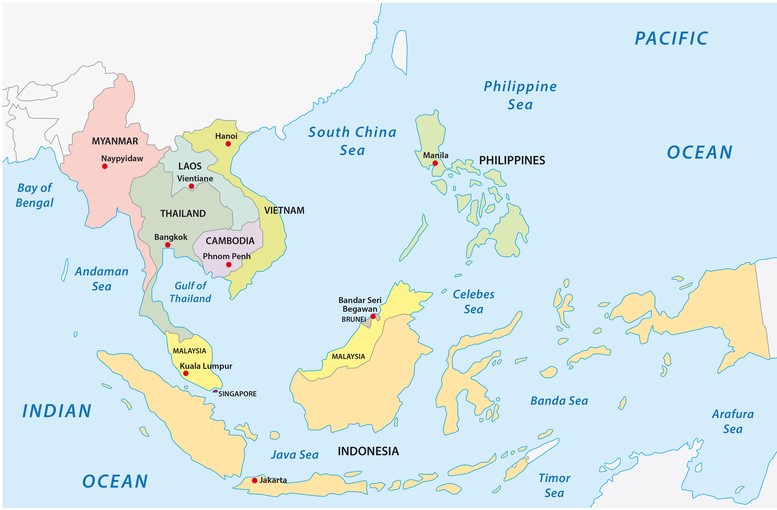
ASEAN includes Brunei, Cambodia, Indonesia, Laos, Malaysia, Myanmar, Philippines, Singapore, Thailand and Vietnam. Russia has a strategic partnership with the bloc and is involved in regular discussions with the group over a wide variety of issues, including security, trade and investment. Since 2016, Russia and Vietnam have had a free trade agreement through the EAEU, and are preparing to sign an FTA with Indonesia which could be concluded by the end of 2024. Thailand and Malaysia which will take over the ASEAN chairmanship in 2025, have notified Russia of their aspirations to join the BRICS group.
Delivering his keynote address at the 9th Eastern Economic Forum (EEF) plenary session on Thursday (September 5), Ibrahim said that Malaysia will intensify its engagement with sub-regions and strategic partners, including Russia, to foster economic growth, security cooperation, and cultural exchange.
Ibrahim stated that “ASEAN centrality is the linchpin for consensus building, which binds member states in cohesive action. It will be at the forefront of Malaysia’s agenda as we take on the chairmanship. The ASEAN-Russia strategic partnership is crucial in promoting regional stability and economic advancement. We believe that by leveraging these ties, we can deepen cooperation in various sectors”. Russian President Vladimir Putin, and Chinese Vice President Han Zheng were also in attendance at Ibrahim’s speech.
Ibrahim also highlighted Malaysia’s proactive approach in aligning with the rise of the Global South, describing it as not just an economic shift but a reconfiguration of global influence. He noted that the Global South, which includes countries across Asia, Africa, and Latin America, is reshaping the world economy.
Recent estimates indicate that the Global South accounts for about 40% of global economic output and 85% of the world’s population.
“For Malaysia, it is essential to build strong ties with emerging economies to share in their growth and contribute to a more balanced global order. By 2030, it is projected that three of the four largest economies will be from the Global South. This rise presents both challenges and opportunities for Malaysia.” he said.
Malaysia, he explained, is actively pursuing opportunities within the Global South, aiming to foster a new paradigm of development — one that is more inclusive, equitable, sustainable, and resilient.
“In a world of increasing complexity, our future prosperity depends on our ability to adapt, innovate, and build relationships that cross traditional boundaries. The Global South is rising, and Malaysia intends to rise with it.” he said.
Malaysia’s bilateral trade with Russia has been increasing. According to the Malaysian Ministry of Foreign Affairs, Russia was Malaysia’s 8th largest trading partner among European countries in 2023. Total bilateral trade increased year on year by 15.6% to reach USS3.1 billion. About 75% of this is in Russia’s favour, with exports of refined petroleum, coal briquettes, and crude petroleum. Malaysia exports to Russia include ball bearings, rubber apparel, and cocoa butter. The country has a GDP of about US$500 billion with economic growth for 2024 estimated to be about 5.8%.
Meanwhile, Putin invited Ibrahim to attend next months BRICS summit in Kazan, while Ibrahim invited Putin to attend the 2025 ASEAN summit in Kuala Lumpur.
Ibrahim also stated that Malaysia had received about 100,000 tourist arrivals from Russia last year, and there is a potential to boost Russian tourist arrivals to Malaysia by introducing direct flights between the two countries, something that may occur early next year.
Summary
Ibrahim’s statements concerning relations with Russia represent the new normal amongst Asian countries. In this regard, it can be noted that the rhetoric against Russia emanating from the West – the United States, European Union, United Kingdom and related allies – is rapidly becoming the minority, isolated viewpoint. There are a number of practical reasons for this almost reversed perspective. Firstly, in Asia and ASEAN generally, the situation in Ukraine is regarded as a European problem, not an Asian one. There is very little, if any, desire to become involved or take sides.
Secondly, this is underlined by practical considerations. The Asian Development Bank estimates that ASEAN’s GDP growth for 2025 will average out at 5%. In basic parlance, this means that the entire ASEAN region, should this rate be maintained, will grow by between 40-50% over the next decade. This implies its economy will be worth US$5.4 trillion by 2034, which is significantly higher than both Germany and Japan today (US$4.1 trillion and US$4.2 trillion). In addition, the German and Japanese economies are only showing slight growth – reaching about 20% of ASEAN’s projected growth rates. Clearly, from the economic development and opportunity perspective, it makes more sense for Russia to now be increasingly involved in Asian development, an issue underlined anyway by Western sanctions.
Key to this development rate though is Russian energy – Asia’s growth needs fuelling – and Russia has both the massive reserves and competitiveness to provide this. Russia’s overall trade with ASEAN amounted to about US$20 billion in 2023, and has been growing at rates of 20% per annum the past two years. Should those be maintained, and ASEAN’s thirst for energy as part of its GDP growth suggests this is plausible, this implies a Russia-ASEAN trade volume of US$50 billion is not beyond reach within a decade. Simply put – Russia will fuel ASEAN’s growth and development.
It may be somewhat cruel to point out the obvious, but Ukraine’s trade volumes with ASEAN have been declining and are estimated to be worth about US$2 billion today. Clearly, when one country has the resources and the other does not, the writing is on the wall as regards development projections. Asian politicians such as Anwar Ibrahim know this well. Yet quite when European politicians wake up to face the reality – bombarded by intense media negativity and the need to be socially popular and pro-Ukraine – the chasm between the developing East and the declining West will only continue to grow.
Further Reading
The Russia’s Pivot to Asia 2024 PDF guide includes a comprehensive overview and analysis of Russia’s trade and development with all ASEAN nations. It is a complimentary download and may be accessed in English hereand Russian here.
Russia’s Far East is rapidly emerging as a global maritime logistics hub, and investors and operators from China and India should not miss out on the opportunity to take part in upcoming projects there, Valery Limarenko, the Governor of Russia’s Sakhalin Region, has stated at the Eastern Economic Forum in Vladivostok.
The upcoming deep-sea port in Sakhalin will boost the Northern Sea Route, which will benefit Asian markets. Speaking at a session on global trade, Limarenko addressed the Indian ambassador to Russia, Vinay Kumar, urging his country to “not be late with the logistics business in Sakhalin.” The governor added that he had conveyed a similar message to his Chinese counterparts.
Limarenko highlighted the project for modernizing the Korsakov Port infrastructure which is located on the southern part of Sakhalin Island on the Aniva Gulf. The port is expected to become one of the turnaround points for the Northern Sea Route – a shipping corridor that passes along Russia’s northern coastline through the Arctic Ocean and is the shortest shipping route between the western part of Eurasia and the Asia-Pacific region.
The Korsakov Port provides passenger and freight services to the Kuril Islands, has direct services with South Korea and Vladivostok, and provides direct links with the Wakkanai ferry line (Japan), as well as to the west coast of the Americas and countries in the Asia-Pacific region. At present, the port consists of two parts: the outer harbour (aquatorium or inner roadstead); and inner harbour (Central Kovsh) and Ozersky. The Central Kovsh is more frequently used by fishing vessels, and possesses a total of 30 berths covering 2,700m within the port. It currently handles 4,000,000 tonnes and approx. 27,000 passengers per year. Details of the planned developments can be seen here.
If the necessary funding is procured, the expanded port should be operational by 2029. According to Limarenko, the upgraded port will then alter regional fish and seafood processing logistics, moving it from Busan Port in South Korea to the Sakhalin coast, and create new industries in the region. Busan’s fish processing facilities included, as of 2019, around 22 million TEU handled at ten container terminals.
The Korsakov Port redevelopment will have a large container terminal and a separate ecosystem for refining oil products, including a refinery for aviation fuel – another piece of infrastructure required for shipping using the Northern Sea Route – which extends to European Russia and Murmansk Port near Norway.
October 25 Update: Algeria has now been granted ‘BRICS Partner’ status. See more here.
Algeria has been granted membership in the BRICS New Development Bank (NDB), the bank president, Dilma Rousseff, and Algeria’s Finance Ministry have announced. The decision was made on Saturday (August 31) at the ninth annual meeting of the Board of Governors of the NDB in Cape Town, South Africa.
The Algerian Finance Ministry said in a statement that “Algeria joining this important development institution, which is considered the financial arm of the BRICS, is a major step in the path of integration into the global financial system.”
The NDB was established in 2015 by the BRICS group of developing countries – Brazil, Russia, India, China, and South Africa – with the goal of mobilizing resources for infrastructure and sustainable development projects in the bloc and other emerging markets. The multilateral development bank has subsequently admitted Bangladesh, Egypt, the United Arab Emirates, and Uruguay as new members in 2021 as part of an expansion move.
Rousseff stated that the NDB has “a process to authorize new members to the bank, and Algeria was authorized to become a member of the NDB.” Algiers’ Finance Ministry said the country’s admission to the BRICS NDB had been made possible due to the former French colony’s recent outstanding economic performance, saying that “Algeria joining the New Development Bank opens new horizons to support and promote the country’s medium and long-term economic growth.”
Algeria is one of Russia’s long-standing African partners, and has been working hard to diversify its economy. It has the world’s 11th largest gas and 16th largest oil reserves. Fellow BRICS members Russia, Iran, Saudi Arabia (not yet officially a member but an active participant), and the United Arab Emirates, all possess vast energy reserves.
Algieria has also applied to become a dialogue partner of the Shanghai Cooperation Organization (SCO), which consists of China, Kyrgyzstan, Kazakhstan, Russia, Tajikistan, and Uzbekistan, Iran, India, and Pakistan, Russian Foreign Minister Sergey Lavrov announced in May. Currently, 14 countries, with Egypt being the only African state, hold SCO dialogue partner status, allowing them to participate in the organization’s specialized events at the invitation of its members.
Algeria has a 2024 estimated GDP (PPP) of US$768 billion and is on course to become a trillion-dollar economy. It has a population of 45 million and a GDP (PPP) per capita of US$16,483. Its 2023 GDP economic growth rate was 4.2%.
October 25 Update: Turkiye has now been granted ‘BRICS Partner’ status. See more here.
As we suggested would happen earlier in June here Turkiye has made an official application to join the BRICS grouping. A rift with NATO over Ukraine are one reason for Ankara’s reported bid to join the group, which is due to hold its coming annual Heads of State summit in Kazan next month. Interestingly, Kazan is the capital city of Russia’s Tatarstan Republic, which is ethnically Turkic and maintains the strongest trade and cultural ties with Turkiye from all of the Russian Federation.
According to Bloomberg, Ankara submitted an application to join the BRICS following disagreements between Türkiye and NATO’s other member states over the Ukraine conflict. Since the outbreak of the conflict between Moscow and Kiev in 2022, Ankara has called for a diplomatic solution. Turkish President Recep Tayyip Erdogan previously criticized his allies’ strategy of providing military aid to Ukraine and stated that Türkiye “will not be a party to this war.” Ankara has instead maintained close ties with Moscow, while Türkiye’s senior politicians have claimed that the United Kingdom blocked a Russia-Ukraine peace agreement at an Istanbul peace summit in 2022.
The Turkish leadership is also reportedly growing frustrated over the lack of progress in its decades-long bid to join the European Union. Türkiye was declared a candidate country in 1999. However, the European Parliament suspended accession talks with the country in 2019 over alleged human rights violations.
BRICS was founded in 2006 by Brazil, Russia, India, and China, with South Africa joining in 2011, while Egypt, Ethiopia, Iran, and the United Arab Emirates joined the group earlier this year.
We can take a quick look at Turkiye’s trade with each of the BRICS countries as follows (2022 data):
Turkiye – Brazil 2022 bilateral trade reached a record high of US$6 billion, up from US$4.6 billion in 2021.
Turkiye – China 2022 bilateral trade reached US$38.55 billion, up from US$31.6 billion in 2021. 85% of this trade is Chinese exports. China has pledged to increase Turkish imports and to allow import payments from China in Turkish lira.
Turkiye – Egypt Bilateral trade reached US$7.7 billion in 2022, a 14% increase from the year before.
Turkiye – Ethiopia Trade has remained static at about the US$400 million level the past three years. 2/3 of this are Turkish exports.
Turkiye – India Bilateral trade grew to US$10.71 billion in 2022 from US$7.08 billion in 2021.
Turkiye – Iran Bilateral trade with Iran rose 19% in 2022 to reach US$12.7 billion.
Turkiye – Russia In 2022, trade between Turkiye and Russia reached US$62 billion, an increase from US$33 billion in 2021.
Turkiye – South Africa Bilateral trade with South Africa reached US$1.837 billion in 2022, an increase from US$1.404 billion in 2021. Turkiye’s overall trade with the African continent increased from US$25 billion in 2020 to US$34 billion in 2021.
Turkiye – United Arab Emirates In 2022, Turkiye was the fastest-growing of the UAE’s trading partners, with non-oil trade climbing 40% to US$18.9 billion. With the implementation of the mutual CEPA trade agreement, bilateral trade is expected to reach US$40 billion by 2027.
As can be seen, Turkiye’s trade dynamics with each of the BRICS countries (with the sole exception of Ethiopia, which has remained static) is highly positive. It would appear to be a common-sense trade and investment move to cement that by becoming an official BRICS member state. An official announcement could be made at this year’s BRICS summit in October as all parties appear keen to get the Turkiye BRICS application over the line as soon as possible.
Talks are also underway about building a small nuclear power plant and new Kharkhorum city
During Russian President’s Vladimir Putin’s visit to Mongolia, the two countries have agreed on a project to modernize the No. 3 Combined Heat and Power Plant in Ulaanbaatar. An intergovernmental agreement was signed on front end engineering design for Ulaanbaatar CHPP-3 modernization following talks between the presidents of the two countries.
The existing, coal powered power station is largely responsible for all of Ulaan Baatar’s energy needs, which includes winter heating where temperatures can drop to -45. The unit however is outdated and polluting, with smog seriously affecting the city during the winter months. Talks between Russia’s Inter RAO and the Mongolian government continue, with the parties still agreeing on prices. It is expected that a memorandum of understanding will be signed to start work on the project.
A Russian government order on the intergovernmental agreement was published on September 2. It said “the modernization of CHPP-3 involves expansion of the high-pressure section of Ulaanbaatar CHPP-3 with a 50 MW unit and the construction of 250 MW units [two units of 125 MW] at the 48 MW medium-pressure section.”
‘The Russian Direct Investment Fund together with its partners will take part in the implementation of a project to modernise the thermal power plant CHPP-3 in Ulaanbaatar, which accounts for more than a third of the generating capacity of the entire country. The modernisation project involves decommissioning outdated equipment and commissioning 350 MW of new capacity, which will improve the reliability of heat and electricity supply to the residents of the Mongolian capital and reduce the energy deficit,’ said RDIF CEO Kirill Dmitriev during Russian President Vladimir Putin’s official visit to Mongolia.
“The project will be implemented by decommissioning obsolete equipment and gradually commissioning 350 MW of new capacity (the first stage is 2×50 MW and the second stage is 2×125 MW) with funds from the Russian state export credit.”
Russian specialists have already taken part in similar projects in the country. The modernization of Ulaanbaatar CHPP-4 was carried out by the Renova Group’s Rotec and the Ural Turbine Works.
Potential for a Nuclear Power Upgrade
Mongolia actually needs a small modular nuclear power plant with a capacity of 220-330 MW, said Alexei Likhachev, CEO of the Russian nuclear energy corporation Rosatom. ‘A roadmap for the creation of a small modular nuclear power plant in Mongolia was signed at Atomexpo in Sochi in spring. This is the capacity – from 220 to 330 MW – that the Mongolian side needs in the new capital, which is called New Kharkhorum. We have practically approved the technical design of the project,’ he said. According to Likhachev, the key issue is the operating staff. ‘Our Mongolian friends are now considering the possibility that a Russian organisation could be the operator at the first stage.’
Likhachev said a key issue was operating personnel. “Our Mongolian friends are now considering the possibility that the operator at the first stage might be a Russian organization.”
It was reported in December last year that Rusatom Energy Projects, a Rosatom state nuclear energy corporation entity, and Mongolia’s Mon-Atom were considering building a low-capacity nuclear power plant in Mongolia. Rosatom and Mongolia’s Nuclear Energy Commission had previously signed a memorandum of cooperation on the construction of a Nuclear Science and Technology Center.
In addition, Mongolia’s Dayan Deerkh Energy had shown an interest in working with Rosatom on nuclear, wind and hydropower projects.
Mongolia’s New Kharkhorum City Concept is a competition involving international architects and urban planning designers to create a new capital city for the country. It is headed by a distinguished panel and includes leading urban planners and architects from the USA, South Korea, Poland, and Germany. The current capital, Ulaan Baatar, is no longer suitable for purpose, being overcrowded and with land unable to support urban developments such as an underground rail network and similar public transport schemes. While Ulaan Baatar may yet keep its capital city status, some facilities may be relocated to the new city, which is sited about 300km southwest of Ulaan Baatar. The winning design entrant is due to be selected in 2025 with completion of the new city expected by 2030.

 Русский