The 9th annual Eastern Economic Forum (EEF) opened on Tuesday (September 3) in Vladivostok. The EEF is Russia’s largest development and investment platform for Asia and is targeted at developing the economy of the Russian Far East and expanding international cooperation in the Asia-Pacific region.
This year’s primary showcase guest is Vietnam, while around 6,000 guests from 76 countries, including China, Malaysia, India, Serbia and others, are expected to attend the three-day event. The forum’s slogan this year is: ‘Far East 2030. Combining Strengths to Create New Potential’.
The initial day is concentrating on Russian trade and relations with Vietnam, and is timed to coincide with the 75th anniversary of the establishment of economic relations between the two countries. Vietnamese trade and investment with Russia has soared since Vietnam signed a Free Trade Agreement with the Eurasian Economic Union (EAEU effective from 2016.
The EEF 2024 programme features about 100 events, including discussions on opportunities for Russian SME’s on the China market, risk and uncertainty in a multipolar world, and international youth policy in the Asia-Pacific region. Participants will also talk about the expanded BRICS, and Russian logistics connectivity, among other topics.
Key events are:
“New Contours of International Cooperation” Focusing on multilateral partnerships within organisations such as BRICS, SCO and EAEU, covering topics such as energy transition, digital currency and infrastructure modernisation.
“Technologies for Independence” Debates innovations in cybersecurity, robotics and the new materials industry.
“Financial Value Systems” Discusses the protection of intellectual property and commercial arbitration in the Asia-Pacific region.
“Russia’s Far East” This will focus on government support programmes and preferential treatment in the regions of the Far East.
“People, Education and Patriotism“ Will focus on supporting youth and developing human capital.
“Master Plans from Architecture to Economics” Considers the instruments of integrated territorial development.
“Transport and Logistics: New Routes” This forum will discuss the modernization of Far Eastern infrastructure, with a special emphasis on the development of the Northern Sea Route and regional aviation.
The Eastern Economic Forum will also cover domestic Russian topics, including the development of Russia’s Far Eastern Federal District in sectors such as agriculture, tourism, small business and fisheries.
Russian President Vladimir Putin is expected to address the EEF plenary session on Thursday (September 5) at around 3pm local time (5am GMT). He will be joined by Malaysian Prime Minister Anwar Ibrahim and Chinese Vice President Han Zheng. This website will carry details of speeches made, forum activities and related dialogue. To subscribe to Russia’s Pivot To Asia and receive our weekly email update, please click here.
Putin has made a preliminary greetings to the EEF saying that the influence of the Asia-Pacific region in international affairs is “growing fast” and new opportunities for productive cooperation are emerging, including within the Eurasian Economic Community, the SCO, and BRICS.
“I would like to take this opportunity to reiterate that Russia is open to dialogue with all interested partners in the Asia-Pacific region and is determined to actively interact with others to build a fairer, more democratic system of international relations based on genuine equality, with no place for dictates, strong-arm tactics or sanctions pressure,” Putin stated.
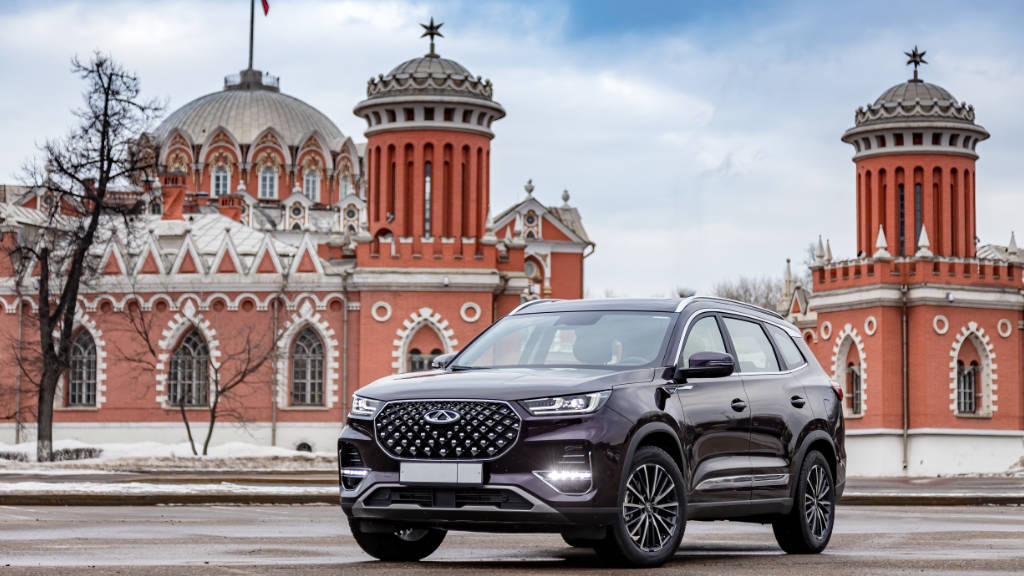
Chinese car manufacturers Chery has become the largest foreign company in Russia by revenue in 2023, according to Forbes magazine. Chery is the first ever Chinese company to claim the top spot in the Forbes ranking. The brand increased its sales in Russia by 300% year-on-year to over ₽590 billion (US$6.65 billion).
According to the Russian analytics agency Autostat, Chery was the second best-selling brand in Russia last year after the Russian Lada, boasting an 11% share of the market.
Apart from Chery, a number of other Chinese brands, such as Haval, Geely, Changan, Exeed, and Omoda are also present in the Russian market. Carmakers from China replaced European, Japanese, and Korean firms that left Russia following the outbreak of the Ukraine conflict in 2022 and the massive Western sanctions campaign against Moscow that followed.
Previously, EU carmakers topped the Forbes list for Russia generated revenues, with German conglomerate Volkswagen Group coming first in 2022 and France’s Renault in 2020. They have now exited the Russian market and lost these income streams.
In the latest rankings, tobacco manufacturers JT Group of Japan and Philip Morris International of the United States were the second and third largest revenue generators in Russia, respectively, with PepsiCo fourth, their positions unchanged since the previous year.
The leader of last year’s rating, French home goods retailer Leroy Merlin, dropped out of the rankings after its parent company, Adeo Group, transferred control of its Russian assets to local management. Leroy Merlin’s revenue in Russia in 2022 had reached nearly ₽530 billion (nearly US$6 billion), however its decision to exit has seen it lose that income.
Iranian and Russian automobile and parts manufacturers met at the MIMS Automobility Moscow 2024 last week to discuss ways to strengthen cooperation, as bilateral trade and supply of Iranian auto parts has increased by 450% since the county signed a Free Trade Agreement with the Eurasian Economic Union and joined BRICS.
The Iranian delegation, led by Deputy Minister of Industry, Mining, and Trade Farshad Moghimi, and Russian automotive industry representatives exchanged ideas on how to promote trade, including how Iranian parts manufacturers can meet the needs of the Russian market. Both sides expressed interest in utilising their capabilities to export cars produced in Iran and Russia to other markets.
Iranian auto parts manufacturers have participated in MIMS Automobility Moscow 2024 for the third consecutive year, showcasing their new products.
Iranian auto parts exports to Russia show significant growth from US$13 million in 2022 to more than US$66 million in 2023. Between March and June 2024, exports have doubled compared to the same period last year.
Ebrahim Doustzadeh, a member of the board of directors of the Iranian Specialised Manufacturers of Auto Parts Association (ISMAPA), believes that Iran has great potential for industry development and that the country can become industrialised.
In 2023, Russia’s new car market ranked 16th globally with 106 million vehicles sold. Sales value in the passenger vehicle market is projected to reach US$34.9 billion in 2024.
The Iranian auto market is estimated to be worth US$37.94 billion in 2024 sales, and is expected to reach US$59.93 billion by 2029.
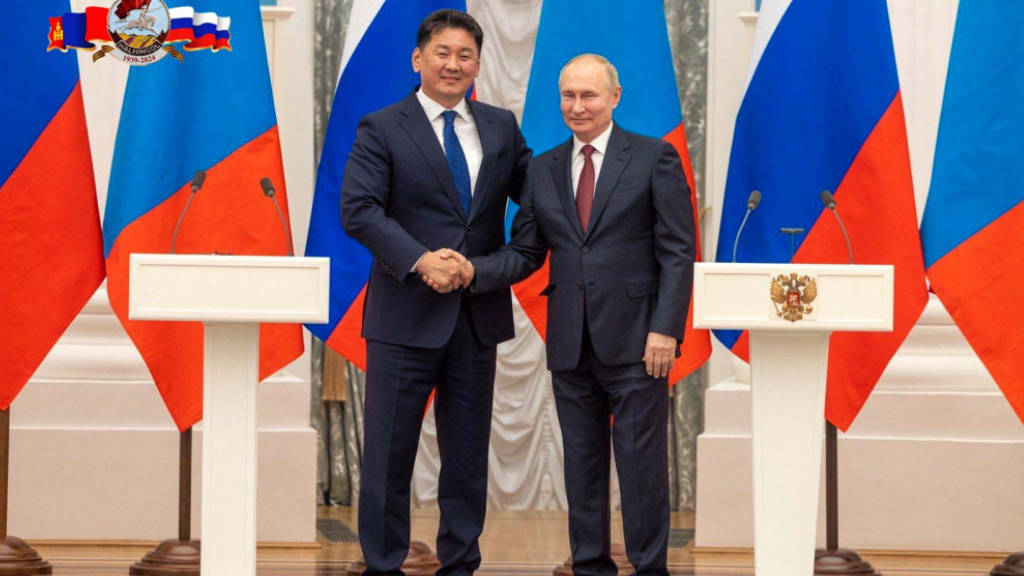
Russian President Putin with Mongolian President Ukhnaa Khurelsukh
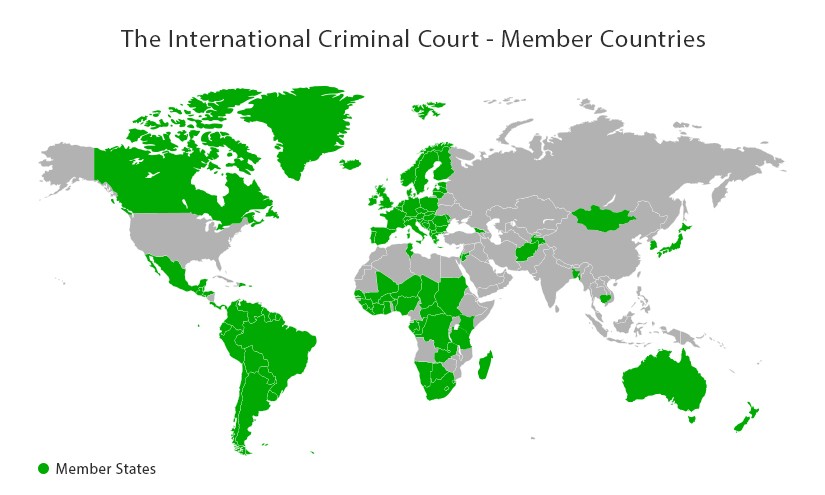
Mongolia has ignored the arrest warrant issued by the ill-named “International Criminal Court” (ICC), a legal institution based in the Hague. The ICC had issued a warrant for the arrest and detention of the Russian President, Vladimir Putin, on charges of war crimes committed in Ukraine. Western media has made much of Mongolia’s non-complicity during Putin’s visit to the country, however the reality of the ICC’s failure to instigate an arrest lie far beyond Mongolia’s reticence to execute a warrant against the leader of a benefactor state, which is how this episode is being played out in Western media.
In fact, the ICC has over-stated and overplayed its capabilities for some time. Although in essence, a good idea – the ability for an international court to have jurisdiction over all countries in cases involving ‘crimes against humanity’, the ICC’s agenda was compromised in this regard as long ago as 2001. This was when then-President George W. Bush signed into US law the “American Service Members Protection Act” which prevented any US personnel from being tried in any other courts worldwide, regardless of the crimes they had committed. The United States also failed to ratify the ICC commitment, despite earlier assurances that it would participate in the ICC remit.
The United States position
In addition to non-US participation, and despite it occasionally making political statements applauding ICC actions (as President Biden did when it issued a warrant for Putin’s arrest), the United States has also been actively hostile to the ICC.
Incredibly, Washington issued sanctions against ICC officials, their employees and family members, including lead prosecutor Fatou Bensouda, when the ICC decided to investigate allegations of war crimes against US soldiers in Afghanistan. The case was subsequently dropped, although the sanctions on the individuals concerned remain.
An non-international, “International Criminal Court”
The United States is not the only country, despite the ICC’s grandiose title, to refrain from, or terminate membership. Russia also decided not to ratify its recognition of the ICC following the US lead, while neither China, India, or Israel, along with numerous other countries have also abstained. Most of these have rejected the ICC’s jurisdiction because of the actions of the United States in failing to recognise the ICC itself. That was perceived as placing US nationals above the laws as pertained to every other world citizen and has been largely deemed unacceptable.
Allegations of Colonialism
The ICC has also faced allegations of promoting colonial-era racism and favouritism among African States, several of whom has resigned their membership or refused to ratify the agreement. These include Burundi, Gambia, Kenya, Namibia, and South Africa, while the African Union has also threatened to withdraw. Statements have been made that “African countries have rejected the double standard that the ICC is applying in dispensing international justice. We note the non-prosecution of war crimes committed in Iraq by American troops while attempts are made to single out other nationals of African descent.”
The Mongolia Situation
Mongolia is a member of the ICC and is bound by its treaty to arrest anyone accused of crimes by the court and under an arrest warrant, as is the case with the Russian President. However, Russia does not recognise the ICC’s jurisdiction, meaning that Mongolia has instead deferred the ICC jurisdiction to that of the Russian courts and legal system, as Putin is a Russian national. As there are no warrants for Putin’s arrest issued in Russia, the Mongolian perspective has legally been that Russian laws are the overriding factor when it comes to Russian nationals.
On top of this are four other considerations:
Lack of Precedent There has been no other precedent for any other sitting President or Head of State to have a warrant issued for their arrest. Yet the ICC went ahead and issued such a warrant. This is generally perceived as being in breach of ‘diplomatic immunity’ and an unspoken agreement not to target sitting National Leaders while they are in office. In taking this stance – which it knew would be unlikely to be actioned – the ICC has in fact, while attempting to demonise the Russian President, introduced in addition a very public acknowledgement that it actually has no enforcement procedures in place and very little (and now even more diminished) ability to dispense justice.
Legality and Confidentiality What hasn’t been mentioned in Western media are the ICC’s own protocols in requesting a member state to execute an arrest warrant. In fact, these are very strict and highly confidential. The contents of any ICC warrant must remain confidential (meaning any reporting about it is purely subjective) and must send official requests to the government concerned both in terms of the background to any case, as well as any arresting procedures to be carried out, maintaining this same confidentiality. This means that it is impossible to know whether the ICC actually sent any official request to Mongolia. Assumptions are speculative.
This means that it cannot be determined whether Mongolia is ‘actually’ and ‘legally’ obliged to carry out the arrest according to the ICC warrant and the Statute. On the other hand, while the Statute addresses provisions for support from State Parties to the ICC regarding arrest and similar matters, it should also be highlighted that the Statute does not make reference to cases where less powerful countries might need support from the ICC or other bodies. It does however acknowledge that “many other international law principles” must also be considered when discussing an arrest. In short, membership of the ICC does not automatically equate to immediate arrest warrant compliance.
National Security Mongolia is partially dependent upon Russian trade, both with it, and via transit routes through to Russia’s largest client, China. Any damage caused to the Mongolian relationship with Russia could significantly damage Mongolia’s national security. When it comes to protecting the well-being of Mongolian citizens, against upholding an arrest warrant issued by a European-based court, Ulaan Baatar has opted to protect the interests of its own nationals.
Ukraine Is Not Mongolia’s Conflict With the ICC warrant issued against Putin for alleged war crimes in Ukraine, and somewhat absurdly “the abduction of Ukrainian children” Mongolia has effectively indicated that the debate between President Putin and the ICC over culpability is not its concern, and that it does not wish to become involved, despite pressure to do so. As a democratically elected government, the ICC – and other interested parties – should respect that position, even should they disagree.
The West’s Response
Kiev has now accused the Mongolian government of being implicit in war crimes in Ukraine as a result of their decision not to arrest Putin, a statement unlikely to sit well in Ulaan Baatar right now, as the country holds memorial services relating to the defeat of the invading Japanese army – who inflicted significant atrocities in Mongolia in 1939.
In trade terms, in 2023, Ukraine exported US$23.5 million worth of goods to Mongolia, while Mongolia reciprocated with exports worth just US$42,000. None of Ukraine’s exports to Mongolia are essential, and all are easily replaceable should Ulaan Baatar take exception to Kiev’s remarks.
The EU’s response thus far has been rather more measured, stating it is ‘regrettable’ – however some minor sanctions against Mongolia cannot be ruled out given Brussels aggressive attitude to what it now views as ‘errant’ or ‘incorrect’ decisions made by other governments. Mongolia’s politicians’ meanwhile, as fiercely patriotic and defensive of their own democracy as they are, would well regard that as interference in their own sovereign affairs. In December, they are due to sign a Free Trade Agreement with the Eurasian Economic Union – which includes Russia.
Summary
The West will undoubtedly spin this situation as an attempt by Putin to undermine the ICC, whereas in actual fact it has been operating on a divided and somewhat biased assumption that some citizens can be more guilty than others for the past 23 years. For that, the historic responsibility for the non-performance of the ICC must rest largely with the United States, but also with the Hague and the ICC themselves for issuing arrest warrants for what are political statements as opposed to creating any real actionable justice. The ICC has diminished itself, and been dealt what could be a mortal blow by a small, democratic nation who has decided that its ultimate responsibility lies with its own electorate and not that defined by politicians based in Europe, the United States, or Ukraine.
Russia’s Rosatom has presented an investment project to Tajikistan to build renewable energy facilities with capacity of up to 1 GW. The project was discussed during meetings between Russia’s trade mission in Tajikistan, Rosatom Renewable Energy and Tajikistan’s Energy and Water Resources Ministry.
Tajik Deputy Energy Minister Manuchehr Safarzoda said his country has huge potential for developing electricity generation. “Construction of wind power facilities will make a contribution to the diversification of the national energy portfolio and create new competencies locally. I’m confident that cooperation with Rosatom is an important step in strengthening the country’s sovereign energy balance.”
The parties agreed to sign a memorandum on working out and implementing the investment project.
Trade
Tajikistan is a member of the Commonwealth of Independent States (CIS). Russia is Tajikistan’s largest trade partner, accounting for 26.7% of the country’s total trade. This has also been increasing, hitting a record US$1.1 billion in the first seven months of 2024, representing a 12.1% increase over 2023.
One of the major reasons behind the increase in trade between Russia and Tajikistan has been the effects of Western sanctions on Russia and its sourcing businesses looking for alternative suppliers and buyers across the CIS countries. The Ukraine conflict has significantly boosted the trade dynamic. There is great potential in the interaction at the regional level between Tajikistan and Russia. For instance, more than 100 Russian regional commercial chambers have partnership agreements with the Tajik Chamber of Commerce and Industry.
In the past 18 months, delegations from 15 Russian regions have paid business visits to the Central Asian country via the Tajik Chamber. In 2023, Tajikistan increased its exports of high-tech products to Russia by more than 50%. In the first quarter of 2023, Tajikistan exported to Russia goods worth about US$7.4 million, which include communication equipment, air-cleaning equipment, computer and block equipment, transistors, and electric batteries.
When it comes to imports from Tajikistan, Russia is interested in the supply of zinc ores, fruits, fats and oils of animal or vegetable origin, and clothing. Meanwhile, Russian exports include agricultural products, ferrous metals, vehicles, chemicals, mineral fuels, wood & timber.
Moreover, Russia has already also significantly increased the export of sawn timber to Tajikistan. For instance, in 2023, the supply of Russian timber to Tajikistan increased by 1.4 times. Tajikistan is highly dependent on Russia in some of the key trade products important to the operation of various industries: more than 50% of Tajikistan’s needs in fuels and lubricants, wood, oils, and various food products are supplied from Russia.
Another critical area of Russia-Tajikistan relations is the Tajik expatriate workers’ community in Russia. In 2022, Tajik nationals were the second (after Uzbeks) biggest foreign working group in Russia. The numbers are significant for the Tajik economy, in 2021 alone, 768,727 Tajik citizens obtained documents for labour activity in Russia, contributing approximately US$900 million to the Russian budget. Money transfers from Russia to Tajikistan amounted to US$1.795 billion equivalent, with 94% of this was transferred in Rubles.
The trade ties therefore have not yet reached optimum levels, meaning there is room for growth. This explains Moscow’s push to bring Dushanbe over into Eurasian Economic Union (EAEU) and portray the grouping as a vehicle for closer trade and investment ties. This was discussed during the June visit by Russia’s Foreign Minister Sergey Lavrov to Dushanbe. Tajikistan, along with Turkmenistan, remains the only Central Asian country, which has no link to EAEU. Moscow’s expectation is that the potential boosting of ties could serve as a good opportunity for Tajikistan to enhance ties with member countries of EAEU and realize what Uzbekistan has enjoyed from 2020 – observer status within the bloc. The development of clean energy investments into Tajikistan by Russia will be a stepping stone towards achieving this goal.
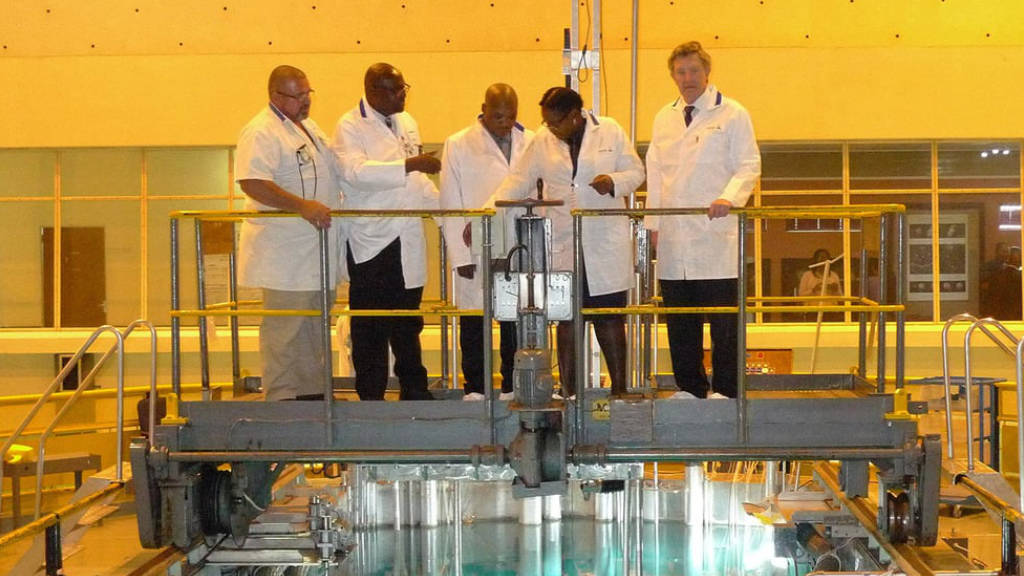
Zimbabwe’s minister of primary and secondary education, Torerayi Moyo, has stated his thanks to Russia for assistance in training specialists in the Zimbabwean nuclear power and space industries.
Moyo stated that Zimbabwe aims to build a nuclear power plant and develop its nuclear energy sector as part of the country’s broader industrialization goals. He said that “We intend to build a nuclear power plant in our country and develop nuclear energy as a whole, as it is essential for achieving industrialization.” He also highlighted the importance of the specialists in the space industry currently being trained in Russia, noting that Zimbabwe plans to launch more satellites, with Russian assistance, to explore its rich mineral resources.
He said that the Russian government had also offered scholarships to Zimbabwean students, enabling them to study at Russian universities. In addition to technological cooperation, Moyo emphasized the importance of promoting Russian language education in Zimbabwe. For Zimbabwe, “it is very important to promote the teaching of the Russian language in the country, as this will help enhance bilateral cooperation, cultural ties, and overall friendship,” he noted.
The minister also held discussions with a delegation of professors from the Russian Perm State Humanitarian-Pedagogical University who are currently in Zimbabwe. Last Wednesday (August 28), the Perm professors inaugurated the launch of the Centre for Open Education in Russian in Windhoek, marking the first such centre in Africa.
Meanwhile, on August 19, speaking at the opening ceremony of a square named in honor of the Southern African Development Community in the capital of Harare, President Emmerson Mnangagwa highlighted the ties between Zimbabwe and Russia, saying that “Our struggle for freedom and independence would not have succeeded without the help and solidarity of China and Russia, to whom we are indebted and will never forget it.” Zimbabwe was a British colony until 1980.
Zimbabwe is a member of the Southern African Development Community, the African Union, and the Common Market for Eastern and Southern Africa.
Zimbabwe is landlocked, and bordered by BRICS member South Africa to the south, Botswana to the southwest, Zambia to the north, and Mozambique to the east. The capital and largest city is Harare, and the second largest is Bulawayo. It has a population of about 17 million and a GDP (PPP) of about US$35 billion.
The main exports of Zimbabwe are minerals, gold, and agriculture, and it currently enjoys rapid growth and development – it has the fastest growing mobile communications market in Africa.
The mining sector is also lucrative, with some of the world’s largest platinum reserves being mined by Anglo American plc, Zimplats, and Impala Platinum. Zimplats, the nation’s largest platinum company, has proceeded with US$500 million in expansions. The Marange diamond fields, discovered in 2006, are considered the biggest diamond find in over a century. They have the potential to improve the fiscal situation of the country. In terms of carats produced, the Marange field is one of the largest diamond-producing projects in the world. Metallon Corporation is Zimbabwe’s largest gold miner.
Russia’s bilateral trade with Zimbabwe is worth about US$80 million, with Russian exports including fertilizers, chemical products, transportation and vegetable products. Zimbabwe’s exports include root vegetables, other vegetable products and fruits. Russia’s involvement in training nuclear power engineers will almost certainly mean that Rosatom will be a preferential bidder when contracts to build a NPP in Zimbabwe are tendered.
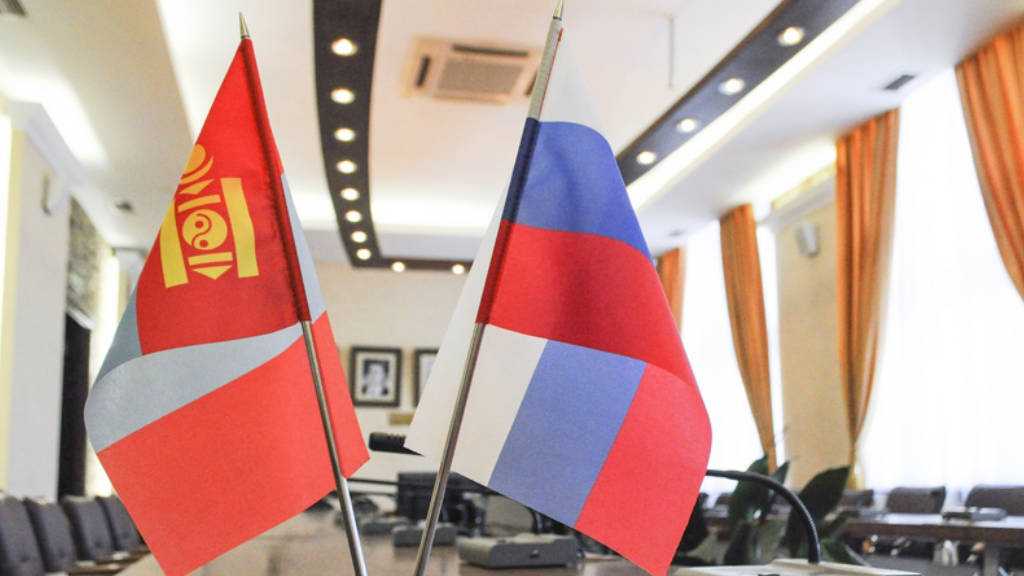
According to the Kremlin press service, at the invitation of Mongolian President Ukhnaa Khurelsukh Russian President Vladimir Putin will pay an official visit to Mongolia on September 3, 2024.
Among the topics to be discussed and moved forward are trade, economic and energy projects developing within the context of Russian-Mongolian relations based on their comprehensive strategic partnership planning. The exchange of views concerning current international and regional issues are likely to be covered as well.
While in Mongoia Vladimir Putin will also hold talks with Chairman of the Great State Khural (parliament) of Mongolia Amarbayasgalan Dashzegve and Mongolian Prime Minister Luvsannamsrain Oyun-Erdene.
A number of bilateral documents are expected to be signed as well during this visit, probably concerning the Power of Siberia Two (PS-2). The PS-2 is a key project for Mongolia as part of it will be a gas transit and distribution hub at Ulaan Baatar, the Mongolian capital, helping to power the capital city and assist with its development. Mongolia will also earn energy transit fees for the delivery of gas to China from Russia.
Aside from the energy projects, there are a host of bilateral industrial and resource development projects which are in process that will likely be addressed, from road and rail expansion to a free trade agreement, and border infrastructure to ease the flow of goods and enhance trade still further.
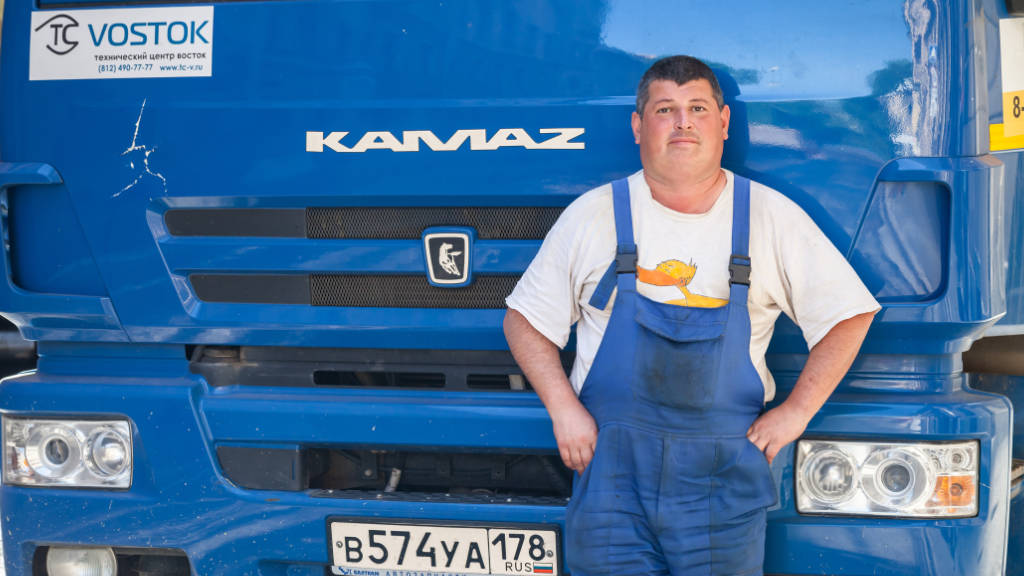
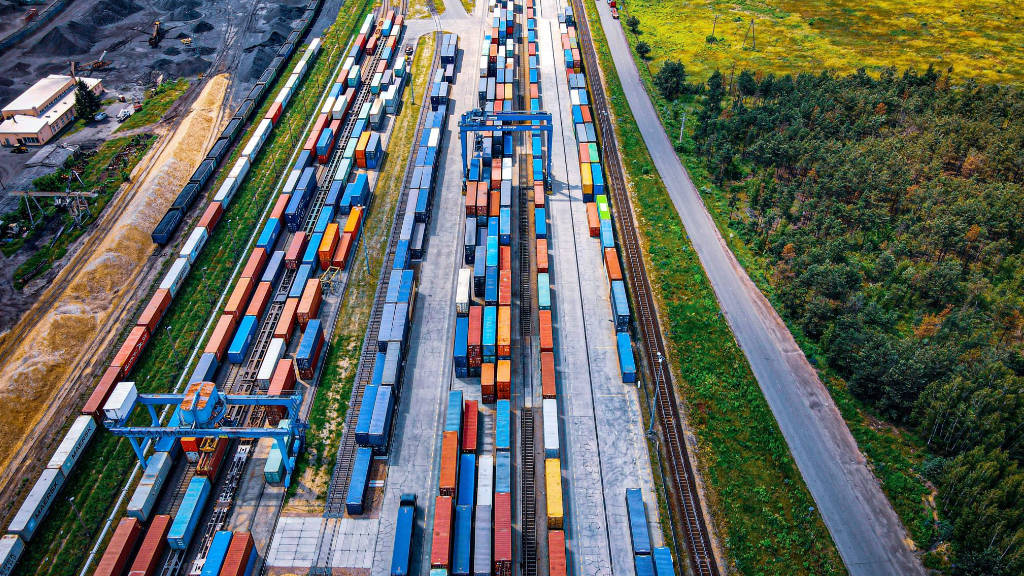
Russian truckers and logistics companies employed on the China trade delivery run will be happy to learn that the Chinese government has approved procedures that should simplify entry of Russian truckers to China.
Following the results of the 29th regular meeting of the heads of Government of Russia and China, a protocol was signed on amendments to the Agreement between the Government of Russia and the Government of the People’s Republic of China on facilitating travel of citizens, according to th Cabinet of Ministers of Russia. This document expands the list of places where Chinese visas can be issued to Russian truckers. This will simplify and speed up cargo transportation between countries.
Following the meeting, a memorandum was also signed between the Federal Customs Service and the General Customs Administration of the People’s Republic of China on the development of a single window mechanism.
The draft protocol on facilitating travel between Russia and China was prepared in the beginning of August this year and approved by the Government of Russia. It expands the list of departments and institutions where Russian truckers can be issued visas to enter the People’s Republic of China.
Currently, such documents can be obtained in only a few places in Siberia and the Far East – in the representative offices of the Ministry of Foreign Affairs in Barnaul, Birobidzhan, Blagoveshchensk, Vladivostok, Khabarovsk and Chita. With the adoption of the additional protocol, the updated list will include all “representative offices of the Ministry of Foreign Affairs, the Ministry of Transport and subordinate organisations with their regional branches.” That amounts to over 100 outlets.
This will greatly simplify and speed up the obtaining of visas and therefore increase the supply on the market of road freight transportation between Russia and China. At the moment, according to carriers, visa processing is a long and somewhat expensive process.
Similarly, the document expands the list of places where Chinese drivers can obtain Russian visas.
In addition, the additional protocol also specifies the duration of continuous stay in China for multiple-entry visas issued on the basis of notes or official letters – up to 30 days, while the current version of the agreement does not specify them in principle.
During last week’s meetings between Russia’s Prime Minister, Mikhail Mishustin and Li Qiang, China’s Premier, several other important documents were signed to promote the development of transportation and increase trade turnover between the countries.
These include a memorandum between the Ministry of Transport of Russia and the Ministry of Transport of the People’s Republic of China on the use of highly automated vehicles for cross-border cargo transportation, as well as memorandum between the Federal Customs Service and the General Customs Administration of China on the development of a single window mechanism and on methodological and information cooperation in the field of customs statistics of foreign trade between the countries.
Russian Railways has reported that between January-July 2024, cargo transportation in both directions through various railway crossings on the Russian-Chinese border increased by a total of 18.2% compared to the same period in 2023 – up to 23.8 million tonnes. That is broken down into Chinese export volumes to Russia amounting to 1.6 million tonnes (at the same level of January-July 2023), while 22.2 million tonnes were exported by Russia to China.
The following border crossing handled the bulk of Russian exports:
Grodekovo (Primorsky Krai) – Suifenhe
4.9 million tonnes of cargo were exported from Russia (an increase of 3.2%). This volume includes 2.1 million tonnes of coal (an increase of 1.7 times).
Kamyshovaya (Primorsky Krai) – Hunchun
2.1 million tonnes of cargo were exported from Russia through the border crossing (an increase of 1.4 times), including 2 million tonnes of coal (an increase of 1.4 times).
Export cargo transportation through the new railway border crossing during the period amounted to 3.1 million tonnes (an increase of 1.9 times), including 2 million tonnes of coal (an increase of 1.8 times) and 963,000 tonnes of iron ore (an increase of 2 times).
Zabaikalsk (Zabaykalsky Krai) – Manzhouli
11.9 million tonnes of cargo were exported to China via this route (an increase of 11.5%). This volume includes 4.4 million tonnes of coal (an increase of 1.3 times) and 2.7 million tonnes of iron ore (an increase of 22.4%). We further discussed the development of this route here.
Other Routes
These numbers are expected to increase. Russian rail is already running at capacity to China, however new rail routes are to come online. The Blagoveshchensk railway port & logistics zone next to Heihe in China is expected to be completed next year, while the Skovorodino railway, with connections through to Mohe in China’s Heilongjiang Province is also being studied. In addition, both sides are looking at developing multi-modal routes to take the pressure off the railway network. In this regard, shipping via inland rivers between Russia and China is also being made a priority development task.
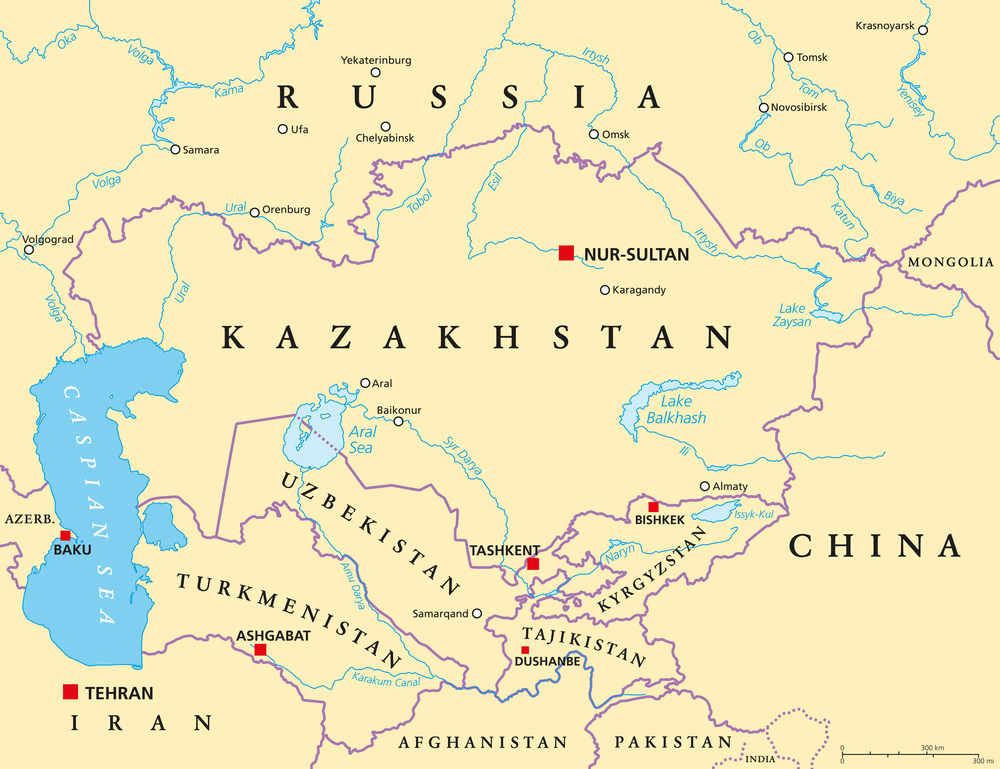
The Russian President Vladimir Putin held conversations with the President of Kazakhstan, Kassym-Jomart Tokayev on 26 August. The two continued discussions of current issues of mutually beneficial bilateral cooperation and development, including in the energy sector.
Kazakhstan shares a 7,242km border with Russia, while President Tokayev owes his current position to a Russian intervention in January 2022. Economic ties have only grown since then. Like several countries, Kazakhstan’s foreign policy has become more difficult to manage since the West imposed sanctions on Russia. Tokayev is in debt to Putin following the intervention of the Russian-led CSTO, foiling an attempted coup by elements of the so-called Nursultan Nazarbayev’s family, while Kazakh and Russian security agencies retain close ties.
Under threat of third-party sanctions from the United States and European Union, Kazakhstan has pledged to uphold Western sanctions on Russia, but for every visit of Kazakh ministers to Washington to discuss sanction regulations, another visit is made to Russia to pledge continued alignment with Moscow. Meanwhile, Kazakhstan also acts as a massive transit area between Russia and China – whose own bilateral trade ties are booming.
Like Armenia, the West has threatened to impose third party sanctions on Kazakhstan for its role in Russia’s trade facilitation. Yet trade with Russia has increased since 2022. Both 2022 and 2023 have been record years for Russia-Kazakhstan economic cooperation, with bilateral trade at US$26and US$30 billion respectively. The West is concerned that this ‘could’ include the export of dual-use goods to support Russia’s conflict in Ukraine, and constantly threaten, yet do not possess the infrastructure required to actively monitor this.
The shift to Asia benefits Russia, but it also serves as a significant development for such countries as Kazakhstan. The latter’s smaller businesses as well as entire industries are now flourishing as a result of Russia’s growing interest in Asia.
However, thriving trade and investment ties are subject to wider geopolitical challenges, and there have been bumps along the way. In the case of Kazakhstan, the authorities pledged they would require exporters to file additional documents when exporting to Russia. This follows the stated concerns from the Western countries which argued that Kazakhstan might be one of the countries increasingly used by Russia to circumvent sanctions. However, a 22-fold increase in the volume of electronics exports from Kazakhstan to Russia has been subsequently been registered.
The pressure on Kazakhstan highlights the country’s geopolitical vulnerabilities. It does not want to incur Western sanctions, but Astana also deeply values cooperation with Russia and cannot flout the rules of its membership, along with Russia, of the Eurasian Economic Union (EAEU) free trade agreement.
Additionally, almost half of all foreign companies working in Kazakhstan are now Russian, and there is huge interest in Kazakhstan from Russian state-owned enterprises and private companies.
Trade
According to Trend Economy, Russia’s total value of Kazakh exports is 12.4%, while the European Union main economies account for about 34% of the total imports from Kazakhstan, with over 70% of this being exports to Italy. The United States is a minimal purchaser of Kazakh goods. In terms of imports, Kazakhstan’s main clients are Russia, with 26% of the total. The European Union sells Kazakhstan just 4.13% of its imports, while the United States supplies 4.18% of Kazakhstan’s total imports. Overall, in import and export terms, Russia is Kazakhstan’s second largest trade partner after China, its eastern neighbour. Bilateral Russia-Kazakh trade is now running at US$30 billion per annum and continues to grow. Kazakhstan is also a member, along with Russia, of the Eurasian Economic Union (EAEU) which reduces cross-border duties and tariffs on thousands of goods.
Exports from Russia to Kazakhstan are dominated by machinery, equipment and vehicles, chemical products, rubber, food products and agricultural raw materials, metals and products from them, mineral products, plant products, beverages, tobacco, plastics, ceramic, textiles, and so on. Kazakhstan sends mainly mineral products, chemical industry goods, rubber, food and agricultural raw materials, engineering products, metals and various products produced from them.
Russia is also a significant partner in Kazakhstan’s main export route, the Caspian Pipeline Consortium, which exports 79% of Kazakh crude and contributes 60% of the country’s GDP. Russia also supplies electricity (and could soon supply gas) to Kazakhstan.
Additionally, Russian SOEs also own 25% of Kazakhstan’s uranium production, after Tokayev quietly permitted the sale of important strategic licenses. At the end of 2022 Rosatom, the Russian state nuclear company, purchased a 49% stake in the company that owns two licenses for the development of Kazakhstan’s giant Budenovskoye uranium field.
Energy interdependence is growing: A US$6 billion deal announced in 2023 will see Russia build three coal plants in Kazakhstan. And during Tokayev and Putin’s meeting in Moscow in February 2024, Kazakhstan’s national oil and gas company, KazMunayGas, announced a joint venture with Russia’s Tatneft for geological exploration for hydrocarbons in the Atyrau region.
For the foreseeable future, and despite Western attempts to interfere via threats – Kazakhstan will remain in Russia’s orbit – with Astana using Beijing, not Brussels or Washington, to provide political and diplomatic balance with Moscow.
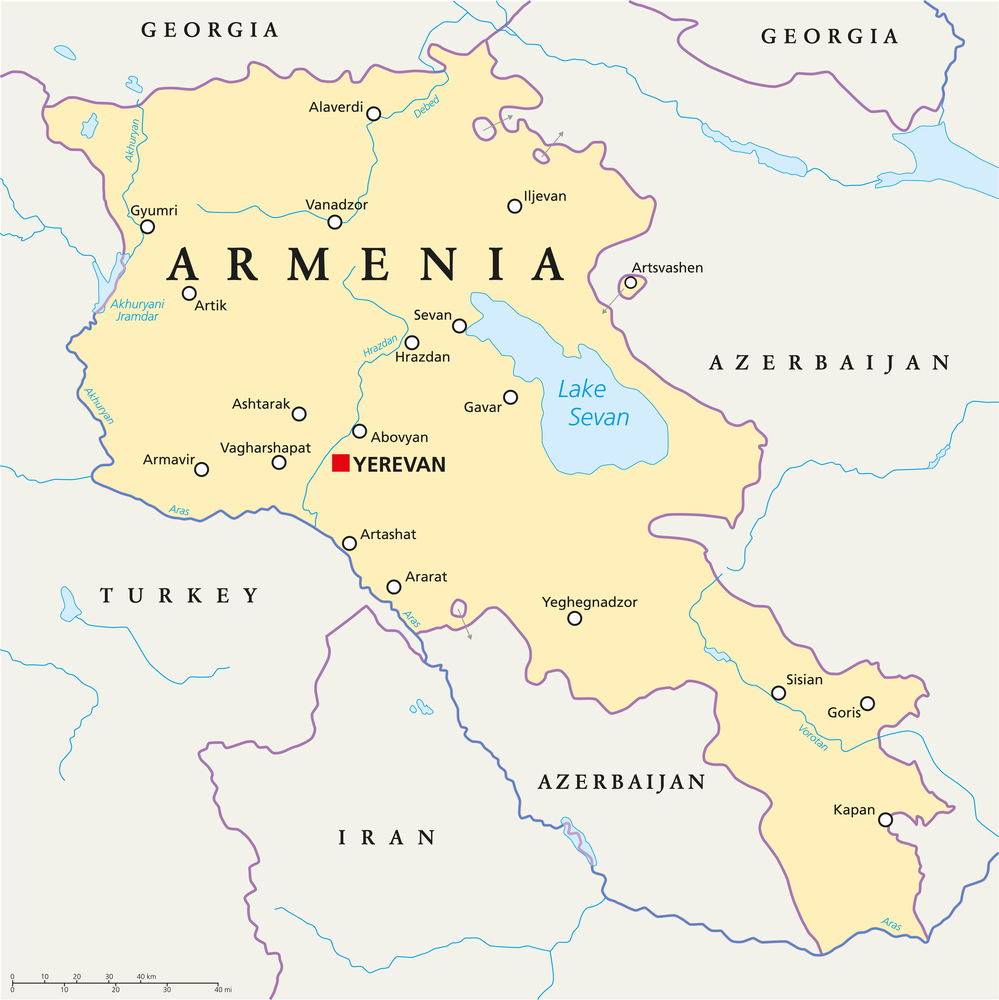
The Russian President Vladimir Putin held conversations with Armenian Prime Minister Nikol Pashinyan on August 23, during which the two officials continued discussions concerning the normalization of Armenian-Azerbaijani relations, including taking into account the negotiations between Vladimir Putin and the President of Azerbaijan Ilham Aliyev during Putin’s recent state visit to Baku.
Putin confirmed the readiness of the Russian side, saying that Moscow will continue to provide assistance to Armenia and Azerbaijan in developing a peace treaty, promoting the process of delimitation and demarcation borders, as well as in unblocking transport and logistics connections.
Armenia and Azerbaijan, both members of the Commonwealth of Independent States (CIS) and important regional trading partners of Moscow, have been fighting over the disputed territory of Nagorno-Karabakh since 2020. Azerbaijan is currently in de facto control of the region, as Pashinyan and Aliyev signed a statement in Prague in October 2022 recognising the 1991 Alma-Ata Declaration, which refers to Nagorno-Karabakh as Azerbaijani territory. Azerbaijan is now in effective control of the region, which contains important transit routes for Azeri-Iranian goods flows and could be important for the development of the North-South Transport Corridor, in which Russia has a keen interest. Relations between Armenia and Russia has cooled in recent years, however positive dynamics were especially noted in the mutual exchange of views on the Russia-Armenia bilateral agenda trade and economic interaction.
As Russia reorients its foreign trade from its previous close ties with the European Union, Armenia is benefitting in acting as convenient third party for re-export. Armenia also features as a major destination where Russians have been relocating in their thousands and creating businesses of varying sizes. All trends and various official estimates indicate that growth in bilateral commerce and investments is continuing especially given the fact that Russia’s estrangement from the collective West will remain in place for the foreseeable future. However, the EU and United States have also been pressurizing Yerevan and have been threatening sanctions, while also offering some trade incentives. Reactions have been mixed. Armenia has declined to participate in the Collective Security Treaty Organization (CSTO), a Russia-led regional security bloc, while bilateral trade with Russia has increased.
Trade
In 2023 trade between Armenia and Russia reached a record figure of over US$7 billion, up from US$5.3 billion in 2022. Armenia’s imports from Russia grew to reach over US$3 billion, while Armenian exports have grown from about US$850 million to US$4 billion, with much of this growth third party transit goods from Europe to Russia. But this is not solely associated with Armenia’s growing re-export capacity. The withdrawal of Western companies from the Russian market made it possible for Armenian suppliers to expand their businesses across Russia.
Armenia’s re-export capabilities have proved significant in supplying Russian consumers with products and brands no longer sold directly in Russia and are well reflected in the changing structure of bilateral trade. Prior to 2022, Armenia exported mainly agricultural products, raw resources, and a limited amount of technologies, however since the closure of European Union trade with Russia, the situation has drastically changed.
For example, the exports of mechanical and electronic equipment from Armenia increased from about US$60 million in 2021 to US$1 billion in 2023. A significant part of this re-export was sent to Russia and to a lesser extent Belarus, a similarly sanctioned market. This is causing frictions between Armenia and the collective West. Pressure has come from the United States and the EU to curb the re-export of sensitive products which could be used for other purposes than civil consumerism. To tighten controls, Yerevan announced that Armenian exporters would be required to obtain government permission for exporting microchips and other technology items to Russia, meaning Yerevan finds itself in an awkward position: it doesn’t want to jeopardise ties with the United States or European Union, and certainly doesn’t wish to face secondary sanctions. Yet Russia is its largest trade partner.
According to Trend Economy, Russia accounts for 40% of all Armenian exports and 32% of all its imports. In contrast, the EU accounts for just over 6% of all Armenian exports, with the United States buying minimal quantities of Armenian goods. In terms of sales to Armenia, the EU holds a 9% share of Armenian total imports and the United States about 5%.
Armenia is also, along with Russia, a member of the Eurasian Economic Union (EAEU) which also helps facilitate trade between the two countries.
Armenia’s Conundrum
Pashinyan is having to tread a difficult path and needs to be seen to be actively reducing its dependence on Russia. Pashinyan and Putin have thus far refrained from personal criticism of one another, and when they meet, they still speak of partnership. Other Russian officials have been more blunt. Some have warned Armenia of the consequences of taking “unfriendly” steps toward Russia. Deputy Foreign Minister Mikhail Galuzin has blamed the West for trying to manipulate Armenia, stating “No kind of West can replace us.”
Western officials have reciprocated. In March 2024, the European Parliament welcomed the idea of Armenia seeking candidate status for the European Union. On April 5, 2024, a high-level meeting in Brussels attended by Pashinyan, European Commission President Ursula von der Leyen, EU High Representative Josep Borrell, and U.S Secretary of State Antony Blinken delivered a message of political support to Armenia and pledged extra financial assistance: the EU promised an additional €270 million over four years, and the United States US$65 million. In a June 2024 visit to Yerevan, US assistant secretary of state James O’ Brien promised Armenia an enhanced strategic relationship.
There are questions over how much substance there is behind the messages of political support. Reacting to the April 5 meeting, opposition politician Levon Zurabyan commented: “We need to assess very soberly the capacity and desire of the West to help us.”
The additional assistance announced in Brussels was still less than the amounts of aid provided to other Eastern European countries—and even to Armenia itself in previous years. In 2023, for example, the United States provided US$87 million to Armenia, US$135 million to Georgia, US$265 million to Moldova, and a massive US$17 billion to Ukraine.
Armenia’s neighbors, meanwhile, are broadcasting the message that the West is not seriously committed. Following the April meeting in Brussels, Azerbaijan, Iran, Russia, and Türkiye issued almost identical statements deploring a “geopolitical confrontation” by the West, by which they meant new Western shows of support for Armenia. They have launched a regional “3+3” platform that seeks to enhance the role of regional players and reduce that of international actors and multilateral organizations—a project Armenia was reluctant to join.
Trade support however remains the real key. Landlocked Armenia is very reliant on Russian imports, including vital food products. A 2024 World Bank report notes, “Russia accounted for 98% of Armenia’s imports of wheat, wheat flour, sunflower seed oil, and other cereals; almost 35% of all agrifood imports; and 39% of poultry in 2021. Russia also accounts for more than 50% of imports of Armenian bread, pasta, bulgur, and pastries. In addition, Russia is Armenia’s primary source of fertilizers (38%), a vital component for domestic food production.
An International Energy Agency report from 2022 notes that 85% of Armenia’s gas is imported from Russia, and gas is also needed to power thermal plants, stating that “Armenia therefore effectively relies on fuel imports from Russia to produce nearly 70% of its electricity.”
These are significant numbers. Yet with the West offering rather limited financial support – and certainly not enough to wean Armenia off its Russian connectivity, any alternative looks highly unlikely. That Western influence will only decrease when technologies, such as digital currencies to undermine the importance of being linked to the West’s SWIFT payment system become a reality. Armenia is still partially dependent on overseas remittances (US$5.7 billion in 2023) being sent back home and does not wish to endanger that income. But looking realistically ahead, Armenia is far more likely, longer term to remain in Russia’s, rather than the West’s, geopolitical orbit.

 Русский