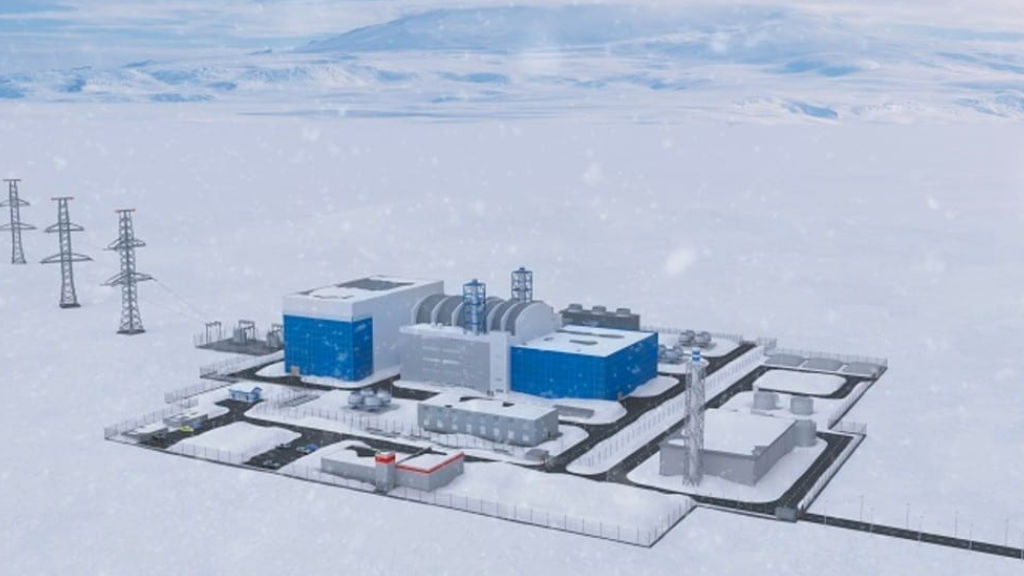
Russia’s energy development strategy continues in the Sahel region of Africa, where engineers from the Rosatom, the state nuclear energy company, are on a four-day visit to Burkina Faso to discuss building a Nuclear Power Plant (NPP) in the country. Burkina Faso, previously the French colony of Upper Volta, is one of the world’s least electrified nations.
The Rosatom delegation arrived in the capital, Ouagadougou, on Tuesday (August 6) and have been holding talks with the Burkinabe Energy Ministry. Burkina Faso’s energy minister, Yacouba Zabré Gouba, said discussions would focus on technical issues, and creating the conditions for the project to start. “The nuclear power plant is essential for us because we believe that energy is a lever on which the country can acquire its real sovereignty in energy matters,” Gouba said.
Only 19.5% of Burkina Faso’s population has access to electricity, according to the World Bank. The landlocked country with over 20 million people has power generation capacity of 420 megawatts, with its energy mix dominated by fossil fuels.
The project took shape last October, when Burkina Faso’s interim leader, Ibrahim Traore, signed an agreement with Rosatom to build a nuclear power plant, following a request made to Russian President Vladimir Putin at the second Russia-Africa summit in St. Petersburg.
Burkina Faso’s energy minister stated that the Burkinabe government was “pinning much hope” on Rosatom’s visit, which will allow the country to deal with its “energy realities.” Rosatom’s chief engineer Alexander Renev, said “We cannot give an exact date for the completion of this plant, but we will do everything to deliver it as soon as possible.”
Burkina Faso has limited natural resources but does have significant gold and precious gem reserves, as well as an abundant cotton industry.
The Burkina Faso NPP project is the second that Rosatom is working on in the Sahel region. In May, Mali’s Energy Ministry announced the construction of a 200 megawatt (MW) solar power plant near the capital, Bamako, by NovaWind – the wind energy division of Rosatom. NovaWind’s director, Grigory Nazarov, said the facility, which will cost US$217 million, will increase the country’s electricity production by 10%.
Assisting poorer African nations in generating power will transfigure their economies and help with the transition from being largely agrarian economies to industrial production, while also improving the well-being of local citizens.
Buyers in the Middle East, North Africa (MENA) region now dominate Russia’s grain exports, with Saudi Arabia the biggest buyer of Russian grain in July, the first month of the new agricultural season, according to the Russian Grain Exporters Union. Russia has become the dominant global exporter of wheat in recent years.
Egypt was second, followed by Libya, and Morocco. Russia has pushed French grain out of the Moroccan market following tensions between Rabat and Paris.
Bangladesh was fifth, however the country has found itself in the risk zone for Russian supplies due to the recent dramatic events that led to the prime minister’s resignation. This could change the countries food security policy, including for grain purchases.
Country
Total Grain Purchases July 2024 (tonnes)
Saudi Arabia
712,000
Egypt
529,000
Libya
317,000
Morocco
314,000
Bangladesh
253,000
The make up of Russia’s largest grain exports has changed over the past three years. In 2021, the main importers included Turkiye and Azerbaijan, however the targeting of Russian vessels, and in some cases, the confiscating of Russian grain cargo in the Black Sea has altered the trade dynamics.
Although China and India also produce huge amounts of grain, they also have huge populations, meaning much of what they produce is domestically consumed rather than exported. Russia has expanded its arable land use and productivity since 2020 and has been targeting new export markets in the MENA region, as well as Asia and Latin America.
The container turnover of Russian seaports in January-June 2024 amounted to 2.744 million TEU, 14% more than in the same period of 2023, according to the analytical review of Morcentre-TEK.
In general, according to the Morcentre’s data, 987,500 TEU – an increase of 15.8% – were loaded for exports, with imports up 15.9% at 1.15 million TEU. Containers still in transit declined, signifying an improvement in some of the trade bottlenecks, at just 18,000 TEU, a reduction of 69.3%, while containers in cabotage (in transit via third party operators) were also up by 17.4% at just under 6,000 TEU.
The number of loaded containers increased by 13.7% to 2.045 million TEU, the number of empty containers increased by 15% to 698.5 thousand TEU.
The geographic breakdowns are as follows:
Russian Far East Ports: 1.275 million TEU (-0.2%),
Baltic Sea Ports: 830.9 thousand TEU (+58.6%),
Black Sea-Azov Ports: 555.2 thousand TEU (+6.7%),
Caspian Ports: 4.2 thousand TEU (-37.5%),
Arctic Ports: 78.5 thousand TEU (+0.4%).
Two main statistics are of note. Firstly, the Baltic Ports, which service Europe, increased their volumes by nearly 60%, implying that the EU is receiving increased Russian imports despite sanctions. It appears EU governments are saying one thing about Russian imports and insisting upon sanctions and port closures to Russian vessels, yet doing something else.
Secondly is the figure for the Caspian Sea ports, which have declined. This may be a reaction to fears of the Palestine issue spreading to involve Iran, with significant implications for the North-South Transport Corridor. Should regional war be averted, we would expect these figures to rebound.
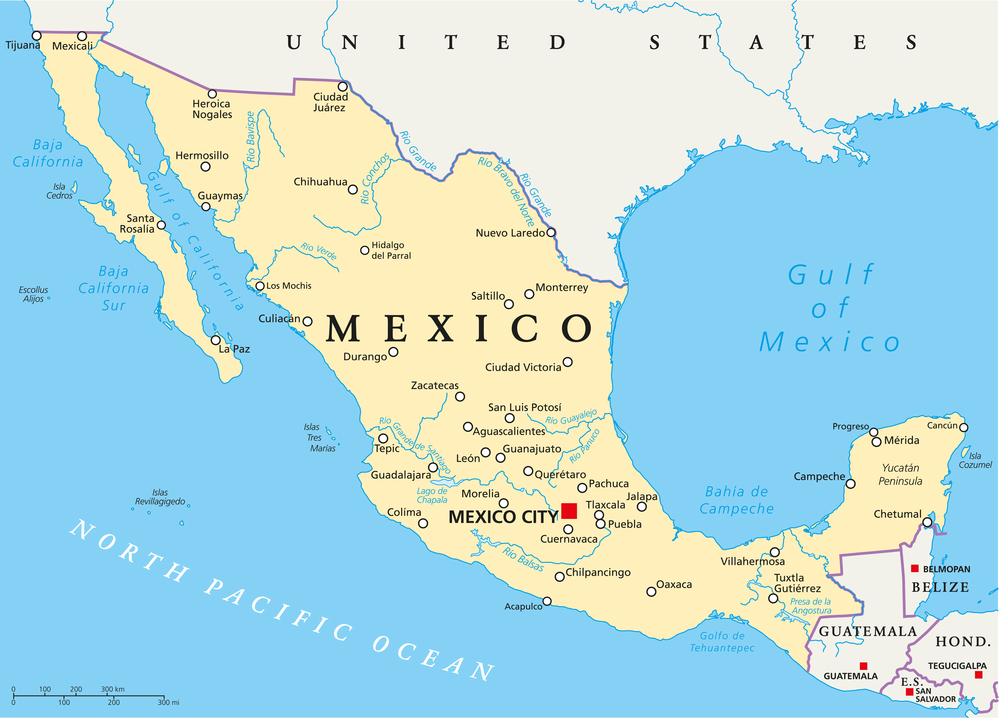
Russian President Vladimir Putin has been invited to Mexico to attend the inauguration of the new Mexican President, Claudia Sheinbaum, on October 1. The invitation is likely to be handed to another senior Russian official, possibly Russia’s Foreign Minister, Sergey Lavrov, to attend on Putin’s behalf, however it does showcase the growing discomfort of the West’s attempts to isolate Russia in global terms.
Sheinbaum is Mexico’s first woman President, and has responded after Putin sent her a congratulatory telegram on winning the Mexican Presidential elections in June. Putin had praised Mexico as a traditionally friendly Russian partner in Latin America, and said he expected steps by the new Mexican president will help develop constructive cooperation between the countries. The move is expected to irritate Mexico’s neighbour, the United States, however may now open the door for a quick flurry of Russian diplomatic visits to the Central American region to take advantage of the opportunity presented by Sheinbaum.
Russia is a key international supplier of fertilizers to Mexico, accounting for nearly a quarter of all Mexican imports of nitrogen and mixed nitrogen, phosphorus, and potash fertilizers. Rolled steel, aluminium, and synthetic rubber are among the country’s other important imports from Russia.
With Russian non-energy exports to the European Union undergoing a significant decline due to sanctions and related political upheavals, Russian exporters and entrepreneurs have been busy finding alternative markets.
Mexico has close relations with Russia and was a significant participant in its Sputnik V COVID-19 vaccine scheme. Mexico’s main exports to Russia include tequila, beer, beef, and automobiles, while Mexico is Russia’s third biggest trading partner in Latin America. Russian multinational companies such as Power Machines operate in Mexico and Mexican multinational companies such as Grupo Omnilife, Grupo Maseca, Nemak, Cemex, Mabe, Katcon, Metalsa, and Gruma operate in Russia.
Mexico’s previous President, Andrés Manuel López Obrador announced in March 2022 that Mexico would not be participating in any economic sanctions against Russia and criticized the overseas censorship of Russian state media. There has been some talk of a Mexican free trade agreement with the Eurasian Economic Union, however, this would probably be a step too far for the neighboring United States, with the US being Mexico’s largest trade partner.
Nevertheless, Russia’s exports of goods to Mexico increased by more than 70% during 2023, according to figures released by the Bank of Mexico, showing a bilateral trade volume of about US$2.7 billion. With Russian diplomats sure to attend Sheinbaum’s inauguration, discussions will undoubtedly take place on the sidelines as how to improve this, while low-key meetings with leaders from other countries also cannot be ruled out.
There are some interesting additional pointers towards increasing bilateral ties. Since 2023 the number of Russians with diplomatic accreditation in Mexico has grown by more than 60%. The current number of Russian diplomats in Mexico is unprecedented, According to the Mexican Foreign Ministry, there are 85 diplomats accredited to the Russian embassy in Mexico City, a considerable increase compared to 32 approximately a year ago.
Mexico has a significant economy with abundant natural resources and is an important player in the energy industry. Establishing stronger economic ties with Mexico would provide Russia with opportunities for trade, investment, and resource access. Russia also views Mexico as strategically important, whether in terms of military cooperation, access to strategic locations, and as part of its broader global development strategy.
BREAKING NEWS: Wednesday August 7 Vladimir Putin has reportedly told Iran to avoid civilian casualties in any retaliatory attack on Israel for the assassination of the Hamas political leader Ismail Haniyeh.
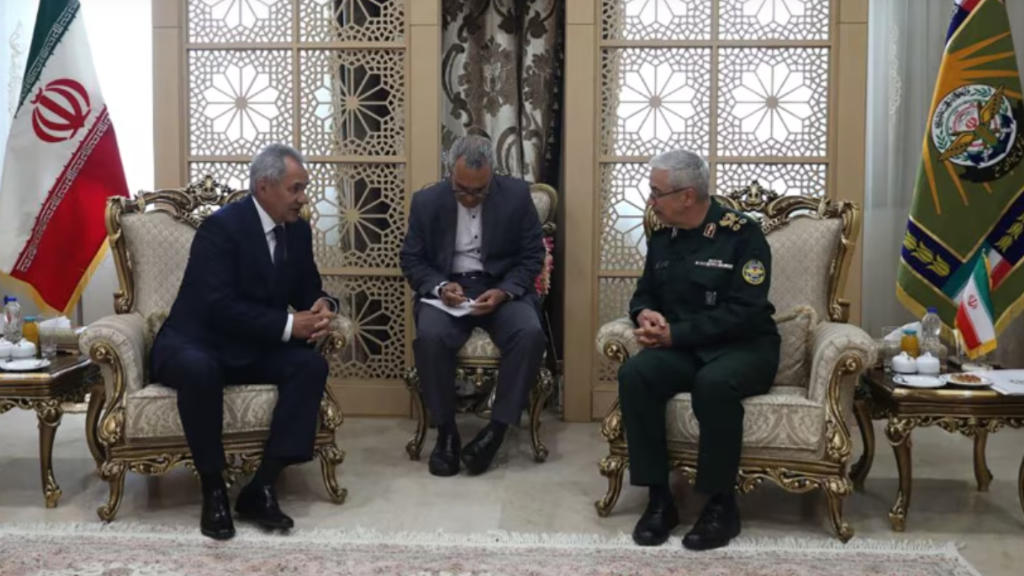
Sergei Shoigu, Russia’s Security Council Secretary, has arrived in Iran for discussions with Iranian Supreme National Security Council Secretary Ali Ahmadian, and the Chief of the Iranian Armed Forces General Staff Mohammad Bagheri. Shoigu was until recently the Russian Minister of Defence and oversaw the situation in Ukraine for the first two years of the conflict.
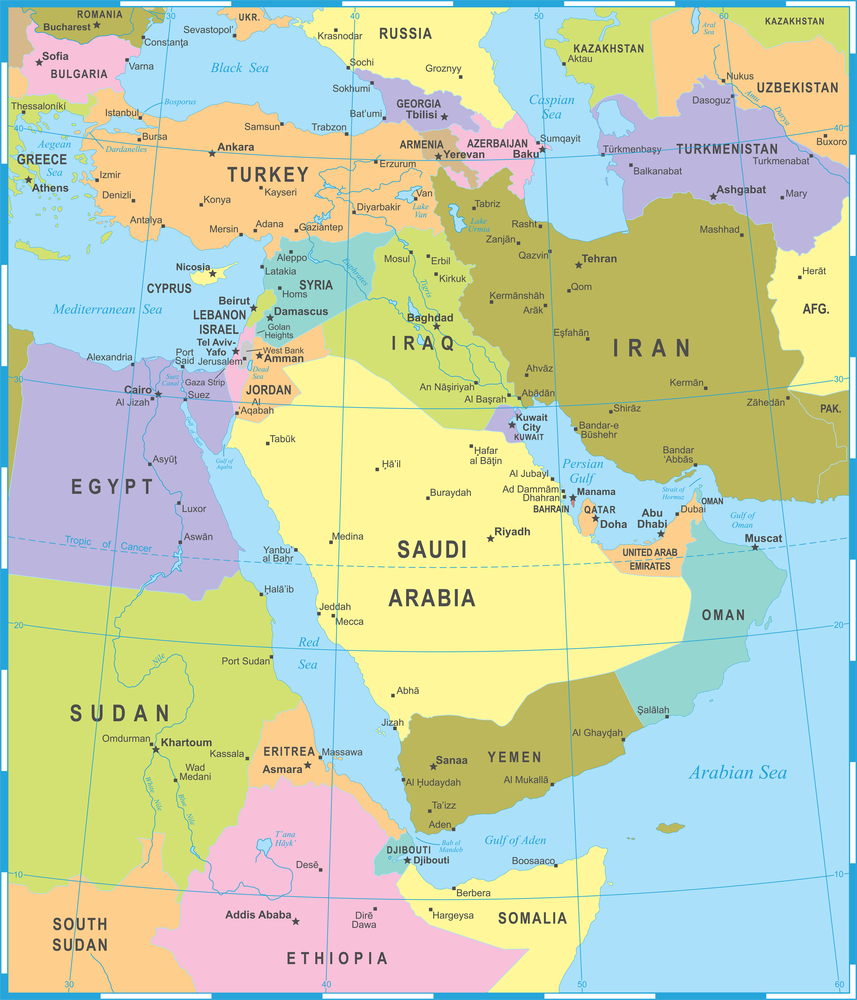
The new Iranian President, Masoud Pezeshkian will also receive Shoigu. The meetings come immediately after Israel’s rocket attacks in Tehran which killed the Hamas leader Ismail Haniyeh, which had occurred hours after an earlier Israeli airstrike killed Hezbollah’s military chief, Fuad Shukr, near Beirut in Lebanon. Israel, supported by the United States and broader Western allies, now faces responses from both Lebanon and Iran.
Shoigu’s visit was aimed at addressing a broad range of bilateral cooperation issues, from security to trade and economic projects, as well as various aspects concerning global and regional security. That has now been bought into sharp focus as Iran’s patience over Israel starts to fray over its perceived persecution of all Palestinians. Hamas, the Palestine affiliated group, attacked Israel in October last year in an operation that, according to the United Nations, saw 1,379 Israeli’s killed and another 479 taken hostage. In response, an estimated 39,145 Palestinian’s, mostly women and children, have been killed by Israeli attacks, mainly in Palestine’s Gaza Strip as Israel seeks to eliminate all Hamas personnel. Now those attacks have spread to neighbouring Lebanon and into Iran. The situation remains highly inflammable and could lead very quickly to a regional Middle East war.
Russia and Iran collaborate on a wide arena of issues, including security, military supplies, and training of militia. Neither will especially wish to see the current situation escalate, with both blaming the United States for aiding Israel to such a degree. The blanket forced removal of Palestinian’s either by death or forced migration – effectively a genocide – has become a cause of great societal concern in the West. The West’s respective governments remain supportive of Israel, a situation that is now creating street conflicts in Europe, typically blamed by these governments on the ‘far right.’
Israel may also be attempting to ‘push’ the newly elected Iranian President, Masoud Pezeshkian, who only took office on July 28, into a military response immediately following his initial Presidential statement that he wanted “better relations with the West.” Israel’s attacks on Tehran seem almost deliberately timed to provoke him into acting against Israel and therefore making it easy for Israel to point him out as an enemy – and denying him those same relations.
Beyond Israel and Palestine however, Russia and Iran have much additional issues to work on. These include mutual developments in terms of joint financial settlements, the expansion of the North-South Transportation Corridor, in addition to Iran’s full membership of BRICS and the Shanghai Cooperation Organisation. Iran also has a Free Trade Agreement with the EAEU, while Moscow will be interested in Iran’s energy sector and other mutual areas of trade and investment. Collectively, these are more important than Israel – a point that Tel Aviv may also wish to create disruptions to prevent.
Russian President Vladimir Putin meanwhile will be meeting with the new Iranian President at the forthcoming BRICS summit in Kazan in October. Pezeshkian had stated that immediately following his recent election that “Russia is a valued strategic ally and neighbor to Iran and my administration will remain committed to expanding and enhancing our cooperation.”
Quite how far that extends to preventing an escalation of conflict in the Middle East and Russia’s involvement in this remains to be seen. The next few days will be telling.
Andrey Avetisyan, Russia’s Ambassador to Tanzania, has identified the country as having attractive potential as a trade hub to develop Russian trade with Africa and beyond. The countries east coast can bee easily connected with the existing North-South Transport Corridor, and lies on the Indian Ocean.
Avetisyan said that “Tanzania has access to the Indian Ocean and is located on the routes to the south of the continent or to Southeast Asia. In addition to this favorable geographic location, there is also political stability and the Tanzanian government’s focus on attracting foreign investors. Tanzania is very attractive for us to create a major trade hub to further develop the Russian presence on the continent.”
He pointed out that there are two possible forms of cooperation. One involves the construction of a deep-water port in Bagamoyo, located near the country’s largest city and financial hub of Dar es Salaam. The second is to use the existing ports in Tanga, Mtwara and Dar es Salaam.
Avetisyan said that “All three ports have been recently modernized and are capable of handling vessels of all sizes and drafts. The port facilities include modern quay walls and necessary unloading equipment, and storage facilities are available. Anything related to Tanzania’s ports attracts foreign investors.”
The Ambassador also noted the potential for Joint-Venture agreements with businesses from other regional players. “Against this general background, the UAE has almost monopolized the operational management of the Dar es Salaam port, and is the leading investor, along with China and India. However, these countries maintain partnership and constructive relations with Russia, so in principle there is nothing preventing us from cooperating and sharing in the risks and rewards.”
Another promising aspect of cooperation between Russian and Tanzania is geological exploration, the ambassador said. “Tanzania has significant energy potential … Local energy resources include hydropower, uranium, natural gas, coal and renewable energy sources. Tanzania is also actively developing the gas industry with about 1.6 trillion cubic meters of potential reserves.”
Currently, Russia’s oil and gas industry have not implemented any projects in Tanzania, but the African country’s shift to a more open policy has already attracted the attention of major Russian companies, as Russia’s shift to new markets continues. Tanzania, for its part, has also shown interest in joining the BRICS.
Tanzania exports to Russia include tobacco substitutes, various fruits, plants for industrial purposes, fodder, coffee, and nuts. Russian exports consist of cereals, fertilizers, mineral fuels, distillation products, paper and cardboard, and aluminum.
In July 2023, it was announced that Rosatom would begin pilot mining and processing of uranium ore in 2023-2025. So far, about 85% of all work has been completed. For the moment, it is planned to extract five tons of ‘yellowcake’ – a type of uranium concentrate powder obtained from leach solutions, in an intermediate step in the processing of uranium ores. It is a step in the processing of uranium after it has been mined but before fuel fabrication or uranium enrichment. The intent is to have an annual capacity of 3,000 tons.
During the 2023 Russia-Africa Summit Tanzania was represented by a large delegation that signed multiple deals with the Russian side. Most of the agreements concern the agricultural, food, and mining industries, which are of particular interest to Tanzania. For example, the two sides are working on boosting the cashew industry and Tanzania believes that a significant part of its cashew exports could go to Russia. In particular, four Russian companies – SEIES, Unigreen Energy, Agrovent, and TD Glass NN Expo LLC – which specialize in agriculture and renewables, have all pledged to invest in Tanzania.
The two sides also want to boost tourism relations amid the Western sanctions on Russia and the latter’s push to re-orient economically toward Asia and Africa. More specifically, a bilateral agreement is planned to be signed in 2024, which will essentially become the basis for the renewal of direct flights between Russia and Tanzania.
Current bilateral trade is running at about US$450 million, and is centered (81%) mostly on agriculture. However, with geopolitical changes and Tanzania’s gas reserves, this could rapidly change, with Russia assisting the country to become a net gas exporter – a key issue when examining Tanzania’s future development prospects and Russia’s vast industry experience. Given Tanzania’s Uranium deposits, the development of its nuclear power industry may also be attractive.
Tanzania’s 2024 GDP growth is expected to be about 5.1%. The country is a member of the East African Community (EAC) and the African Continental Free Agreement (AfCFTA).
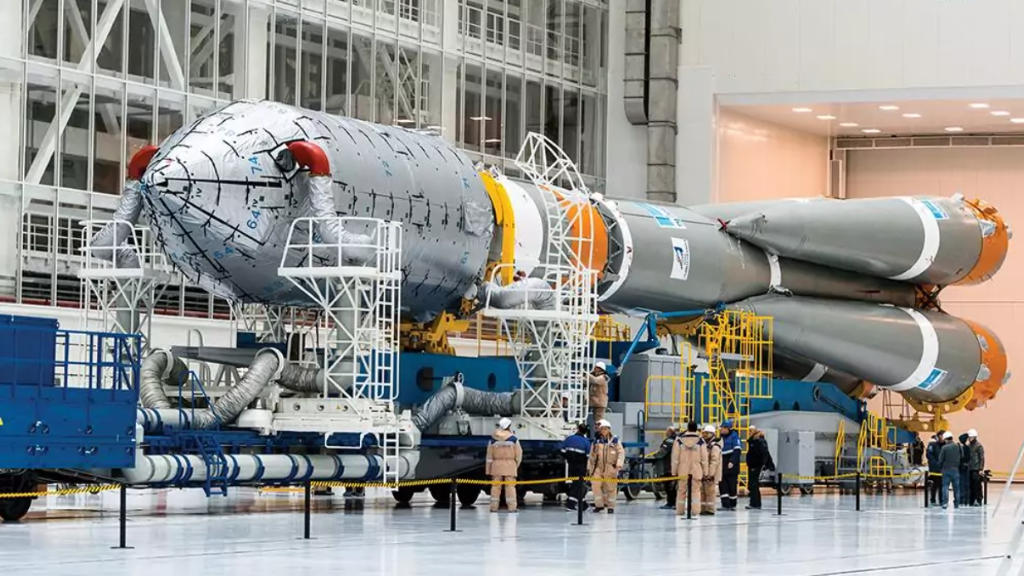
Roscosmos, Russia’s space agency, has had the contracts it possessed with now unfriendly countries all terminated, according to First Deputy General Director Andrei Yelchaninov. The company, with multiple subsidiaries, had been involved with everything from building the International Space Station (ISS) main capsules, ferrying astronauts to the ISS, putting other countries satellites in orbit, monitoring the arctic and space weather, conducting space biological and engineering experiments, and even space tourism.
The company had seen ₽180 billion (US$2.1 billion) losses from the termination of contracts by Western countries. It now plans to regain pre-sanctions level of exports via cooperation with Asian, African and Middle East countries.
Much of this work will be in placing satellites in orbit for emerging economies to assist with their national communications, broadcasting and security use. Yelchaninov said that “This is a long-term strategy, as with all new markets with high competition. If we enter them correctly, the prospects are very good.”
Roscosmos has also been discussing building Russia’s own orbiting space station, as well as permanently manned stations on the moon.
Russia just became the world’s largest crypto economy
As we had predicted, Russia has adopted a law in the second and third readings that allows cross-border settlements and exchange trading in digital currency within the framework of experimental legal regimes (ELR) from September 1. Russian lawmakers also legalized cryptocurrency mining in Russia. The Central Bank has stated that the first settlements in cryptocurrency will begin before the end of this year.
Russia will be the largest economy in the world to accept cryptocurrencies, with this digital step forward marking a significant step in crypto being assimilated into global transaction mechanisms.
Anatoly Aksakov, head of the Duma Committee on Financial Markets, stated that “We are actually making a historic decision. We have allowed many issues related to the settlements of Russian businesses and their foreign partners to be resolved.”
According to the new law, the Central Bank is vested with the functions of an authorised and regulatory body for ELR issues in the sphere of digital money circulation.
How It Works
To be clear, it should be underlined however that the current legislation continues to prohibit the use of digital currency in settlements. What it does do is allow the use of cryptocurrency as a means of payment in foreign trade activities within the ELR. The ELR program must define the rights and obligations of the participants in such settlements, as well as currency control bodies and agents.
The assumption is that should the ELR programme work well, the system may be rolled out as a general service once legislation is approved for this purpose. When this happens, it will fundamentally change financial settlement processes. Central Banks around the world will be paying close attention to what is essentially a huge, controlled Russian experiment – accelerated by the imposition of Western sanctions, yet with the capability of introducing the concept of sovereign-to-sovereign transfers without the need to go via US controlled mechanisms such as the SWIFT payment network, or involve use of the US dollar as an intermediary currency, or any of the US interbank services. In theory, it should make cross-border financial transactions more effective, and less costly.
The Central Bank will also create a special electronic platform for transactions with digital currencies based on the National Payment System (NPS), determine the rules of its operation, as well as the requirements for the activities of its operator. Starting in September, the Central Bank will be able to conduct several experiments at once:
The use of cryptocurrency for settlements in foreign trade,
Conducting exchange trading in cryptocurrency,
The creation of an electronic platform for cryptocurrency transactions based on the NPS.
Crypto Mining
Laws were also adopted that allow the legalisation of cryptocurrency mining in Russia starting in November. Russian legal entities and individual entrepreneurs (IE) included in the register of the Ministry of Digital Development of Russia will be able to engage in mining. Russians who are not IE will be able to mine digital currency without being included in the register if they do not exceed the energy consumption limits established by the Russian government. Legal entities and IE will be able to operate a mining infrastructure operator after being included in the register of such operators, which will be maintained by the Ministry of Digital Development.
At the same time, IEs with an unexpunged or unexpunged conviction for crimes in the economic sphere, against state power, or for intentional crimes of medium gravity, serious and especially serious crimes; included in the list of terrorists and extremists will not be able to engage in mining; as well as legal entities that have such persons among the founders (participants), beneficiaries and managers.
Caveats
A ban on organising the circulation of digital currency in Russia was excluded from the document, while a ban on advertising cryptocurrencies and offering them to an unlimited number of people is now to become effective immediately after the law comes into force.
Blockchain
The Duma Committee on the Financial Market has also recommended the adoption of laws according to which foreign digital financial assets (DFA) will be able to trade on Russian blockchain platforms. As part of these clarifications, the Central Bank is given the right to impose a ban on the placement of individual issues if it determines that this poses a threat to the financial stability of Russia. The amendments also simplify the integration of Russian DFA with foreign systems.
Anton Gorelkin, the Deputy Chairman of the State Duma Committee on Information Policy, Information Technology and Communications explained this by saying “We have made balanced laws that will help the industry develop effectively. We consider cryptocurrencies as a tool for bypassing sanctions and as a focal point for high-tech exports” According to him, Russia currently ranks second in the world in mining.
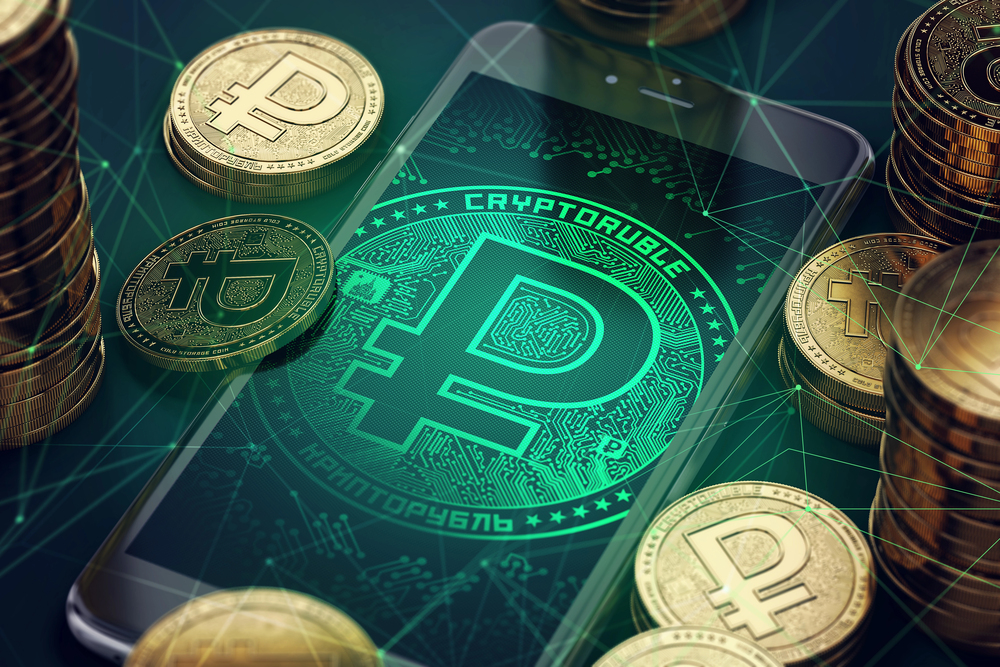
The Digital Ruble
Elvira Nabiullina, the head of the Russian Central Bank, said that “Cross-border payments are vulnerable to sanctions as long as they are made in dollar and euro via SWIFT, which is why it is important to develop alternative channels. What is currently very worrying both for us and Russian businesses are cross-border payments. Business, as a rule, always finds a way out, but within chains, terms are extended, and costs are growing.”
At the same time, the Central Bank expects that the first experimental cross-border payments in cryptocurrencies will take place before the end of this year. “We are already discussing the terms of the experiment with Russia’s Ministries and with the business communty” Nabiullina noted. “In the future, cross-border settlements in Central Bank Digital Currencies are also possible. We are in dialogue with a number of countries about this.”
Foreign Bank Participation
In the third major piece of legislation that Russia passed last week, and again as we predicted,Russia will now allow foreign banks to open one branch in Russia. This change will help create conditions for the development of the international settlement system; and will also help attract foreign investment to the Russian economy. In return for assisting with digital trade and the development of Russia’s alternative, non-US influenced cross-border transactional development, these banks will be able to carry out professional activities in the securities market through a branch in Russia to enable them to turn a profit. As we previously pointed out:
“It should also be noted that the types of banks involved in establishing branches in Russia are not expected to be tier 1 or even tier 2 banks, but instead limited to regional bank with no other international exposure. Otherwise, they could be subjected to sanctions. Having no international exposure means that risk is minimised. This means that say a small provincial bank in India or China could end up becoming a specialist bank dealing exclusively with Russian transactions. Do not therefore be surprised to see banks with obscure titles such as “The Guizhou Trading Bank” or the “Simla Cooperative Bank” (neither of which actually exist) apply for branch offices in Russia.”
Branches of foreign banks in Russia will be able to open and maintain accounts, and transfer funds through them but taking into account the restrictions established for them. These branches will not be able to open accounts for individuals.
Regarding transactions involving individuals, including individual entrepreneurs, a foreign bank through its branch in Russia will only be able to carry out the purchase and sale of foreign currency in cash and non-cash forms without opening bank accounts, as well as transfers without opening accounts, including electronic money.
Branches will also not be able to attract cash and precious metals from individuals and legal entities as deposits; open and maintain accounts in precious metals, conduct transactions with precious metals. They will also be prohibited from engaging in manufacturing, trading and insurance activities.
Systemic Development – Professional Opinions
Georgy Nikonov, CEO of Russia’s Vepay payment service provider, hs said that “It is important to remember that cross-border payments for business are a huge infrastructure that has been built over the years, and the mechanisms for processing such payments were assembled based on the enormous experience gained earlier. Any new working mechanism will definitely be in demand. At the moment, there is no clearly described legislative act and clear procedures regulating the full cycle of the emergence of cryptocurrency, its maintenance in accounts and further settlements. If the regulator and the relevant blockchain platforms or its operators provide clear regulations for all industries engaged in foreign trade activities, this will definitely become interesting.”
Dmitry Tselishchev, Managing Director of Rikom Trust says that “The other side of this interaction is that the recipient of such payments must be connected to Russian blockchain platforms and be able to decrypt the transmitted data, and this requires a significant amount of time for integration, testing and debugging of the service. In addition to admitting foreign digital financial assets, it is important to build a fully functional infrastructure both within the country, the interstate level, while legitimizing digital financial assets as a settlement instrument within Russia.”
Maria Girich, at the Russia-OECD Centre of the Presidential Academy says that “The new norm will allow foreign digital financial assets to be launched on the Russian market. However, the biggest question is that a number of friendly countries (except Brazil and the UAE) simply do not have similar assets. For example, India and South Africa (BRICS countries) do not have a digital financial asset as such, and in China, any cryptocurrencies and digital financial assets are completely prohibited. This will not solve the problem of cross-border payments, since digital financial assets are not currently a popular means of payment. In addition, digital financial assets are actually relevant only for the Russian market; cryptocurrencies will be in demand for foreign markets.”
Whatever the opinions, Russia has taken brave new steps into a Digital Financial World – and is wisely taking it step by step. Much needs to be done to make the systems bullet-proof – one can imagine that the response from the United States is highly likely to be hostile towards any attempts – as Russia’s plans certainly are – to depart the financial transactional global sphere that it has surrounded itself with as a huge planetary sun with other global economies orbiting around it. Russia’s moves are also the preliminary steps in a global, digital financial revolution with the potential to build an entirely new solar system built on the concept of sovereign control over cross-border transactions.
Venezuela could transfer the development rights to its vast oil and gas fields that are currently operated by American energy companies to entities from BRICS nations, President Nicolas Maduro said on Friday. Maduro is currently facing pressure from Washington following contested elections, with Washington recognising his opponent as the legitimate President. Venezuela is also a BRICS candidate member. With an estimated 303 billion barrels, Venezuela accounts for approximately 17% of global reserves of crude oil, according to the International Energy Agency (IEA), which lists the country as having the world’s largest proven oil reserves.
BRICS comprised Brazil, Russia, India, China and South Africa, while at the beginning of this year, Egypt, Ethiopia, Iran, and the United Arab Emirates also joined. The BRICS countries combined now possess 43% of total global oil production. Numerous other countries, including Venezuela, have expressed interest in joining the group. If Venezuela joined BRICS, the total global oil reserves belonging to BRICS countries would rise to 60%.
Maduro said that “If these people up north (the United States) and their global partners make the mistake of their lives as regards our county, then those oil blocks and those gas blocks that were already signed up by them will go to our BRICS allies.” He stated that Washington was at the forefront of plans to destabilize his country and instigate a coup.
Chevron, is the only American energy major still operating in Venezuela, and has a license to pump Venezuelan oil. This licence was granted after the US relaxed sanctions against the country, which came in exchange for the unblocking of Venezuela’s oil proceeds, held in US banks, that had been frozen by US sanctions.
Chevron is currently involved in four onshore and offshore projects in Venezuela through a partnership with state-controlled oil giant Petroleos de Venezuela (PDVSA). Earlier this year, the US company announced it was increasing output by 35% for 2024 by bringing new Venezuelan wells online.
Earlier this week, the White House recognized Western-backed opposition figure Edmundo Gonzalez Urrutia as the winner of Venezuela’s presidential election on Sunday, despite the official results showing incumbent Maduro having won. The Venezuelan leader has urged Washington to “keep its nose out of Venezuela,” saying that the protests that erupted in the country after the results were announced were an attempted “coup.”
Russian President Vladimir Putin congratulated Maduro earlier this week on being re-elected. Kremlin spokesman Dmitry Peskov said on Thursday that Venezuela’s opposition should admit defeat and congratulate the winner. He added that it is important for Venezuela to avoid attempts at destabilization orchestrated by third countries, and to remain free of outside meddling.
Venezuelan Foreign Minister Yvan Gil Pinto has also confirmed that Maduro has received an invitation to take part in the BRICS summit scheduled for October in Kazan.
Venezuela has the world’s largest proven oil reserves, however, its crude oil is very heavy by international standards, and as a result much of it must be processed by specialized domestic and international refineries. Russia has the capabilities to do so while the United States is embroiled in political and sanctions disputes with Caracas.
Russian companies can develop oil production and refining in Venezuela via joint ventures, Venezuela’s State Owned PDVSA CEO Asdrubal Chavez said following a meeting of the Russian-Venezuelan Intergovernmental Commission in December 2022, with Chavez noting the importance of cooperation in all areas of the hydrocarbon value chain. “We have agreed to set up a respective working group to develop five joint ventures between Russia and Venezuela. So, I would like to thank Russia for the presence of these five new companies, which have expressed readiness to support us in the further resumption of oil production and processing. Our companies are interested in the entire range of Russian oil production and refining operations.” Chavez said.
Venezuela is a member of OPEC, the global cartel that fixes energy prices and coordinates production.
Securing Venezuelan oil reserves and refining these would be a major coup for Russia. If accomplished. these would be heading for friendly LatAm, Asian, and African markets rather than the United States or Europe. Russia’s 2023 Foreign Policy Concept, which came into immediate effect in April last year makes specific reference to the Latin American and Caribbean regions as areas to be targeted. The United States would probably conduct military operations in Venezuela to prevent this scenario, however Maduro’s comments do imply that the destiny of Venezuela’s oil resources is a fluid subject.
Further Reading
Russia & Latin America
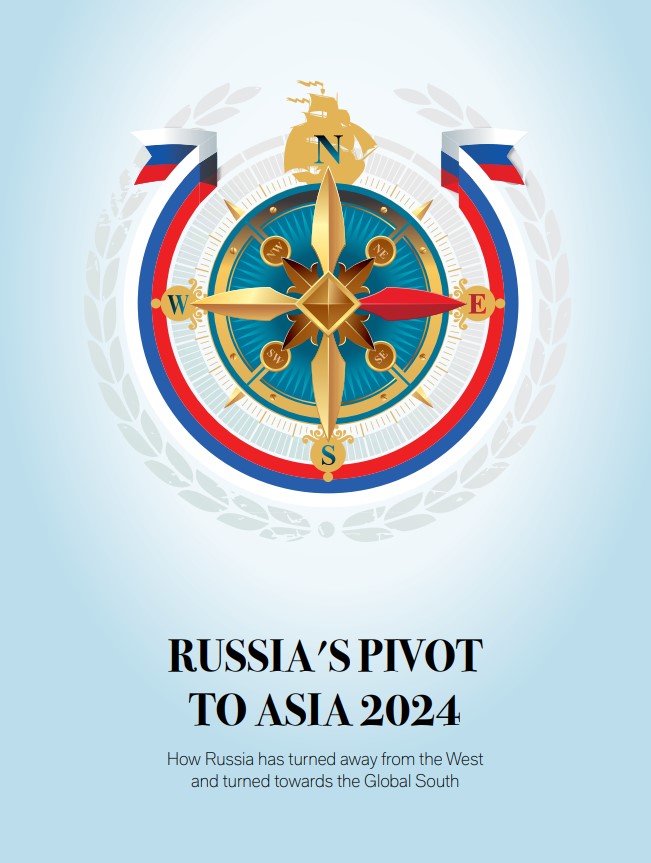
Russia’s trade and development with Latin American nations is comprehensively covered in our 2024 Russia’s Pivot to Asia 2024 Guide. This is a complimentary PDF download and can be accessed in English here and Russian here.
The Indian government has approved a proposal for building a large deep water port on its western coast to connect it with major global trade networks and handle trade with Russia, New Delhi has announced. The port, to be built at Vadhavan in the Maharashtra state, would aid trade flow through the International North-South Transportation Corridor (INSTC) and the India Middle East Europe Economic Corridor (IMEEC). The facility will become a vital part of the International North-South Transportation Corridor for shipping goods via Iran and onto Russia and other destinations.
During his July visit to Moscow, Indian Prime Minister Narendra Modi stressed the importance of improving connectivity with Russia, which would mean developing the INSTC. The two countries have set a trade target of US$100 billion by 2030.
An agreement for the IMEEC corridor, which aims to improve connectivity and economic integration between Asia, the Persian Gulf, and Europe, was signed last year at the G20 summit held in New Delhi. However, the project has run into delays due to the conflict between Israel and militants in Gaza.
Including the acquisition of land, the Vadhavan port would cost 76,220 rupees (US$9 billion), Indian Ports, Shipping and Waterways Minister Sarbananda Sonowal told the Indian Parliament. The port will be developed through a public-private partnership led by the Jawaharlal Nehru Port Authority and Maharashtra Maritime Board, according to Sonowal, who expects the project to create one million jobs. The location is about 10 km from India’s National Railway grid and about 35-40 Km from National Highway 8, which leads to New Delhi. Both will develop spurs to reach Vadhaven.
The facility will handle 15 million TEU (twenty equivalent unit) containers after the first phase of construction is complete and 23.2 million TEUs after the commissioning of its second phase. Once completed, the port would rank among the world’s ten biggest container ports, and is expected to be operational by 2030. The Indian government currently operates 12 major ports across the country.
The move to develop Vadhaven Port is one of the most significant investments yet made by a foreign country to specifically assist the development of trade with Russian and is indicative that the country is considered a long-term growth prospect in the Global South.
Further Reading
For more Russia-India trade and development articles please our Russia-India archives here.
To obtain a complimentary subscription to Russia’s Pivot to Asia please click here.
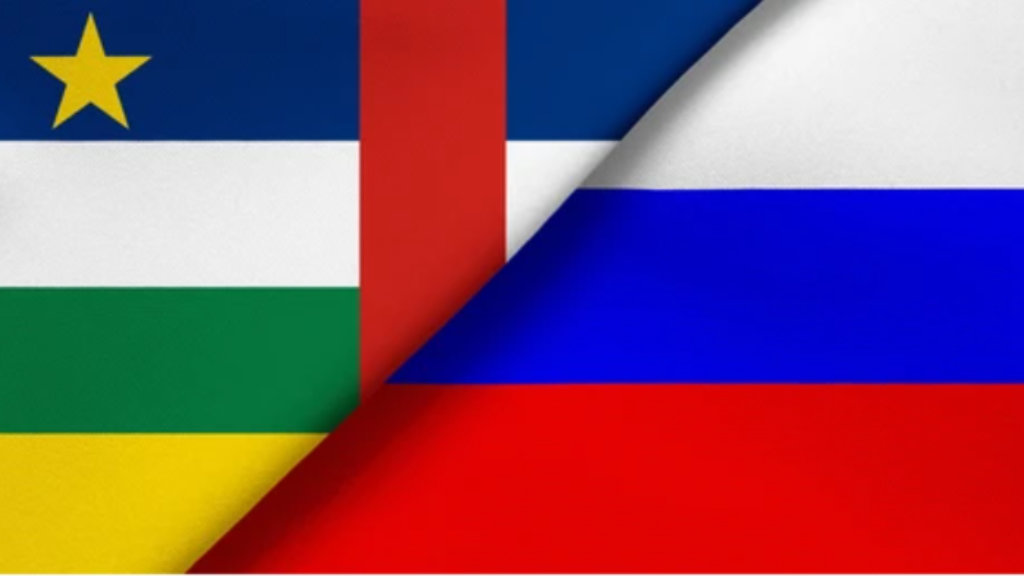
Russia expects to continue fruitful cooperation with the Central African Republic (CAR) in the military and military-technical spheres following the UN Security Council’s decision to lift the arms embargo on the country, Alexander Bikantov, the Russian Ambassador to Bangui has said.
“We count on the continuation of fruitful military cooperation in the interests of our states,” Bikantov said.
The Russian side considers the lifting of the arms embargo against the CAR a significant event for the African country, the ambassador said, adding that it will have a positive impact on strengthening the security and sovereignty of the CAR in the long term.
Moscow is Bangui’s main partner in the military and military-technical fields. However, there is no talk of new Russian deliveries of military products to the CAR at the moment, Bikantov said, adding that in case of the nation’s requests, all of them will be considered promptly.
Russia has been making inroads throughout Africa as many of the continent’s countries look to extract themselves from years of European colonial influence. Many are also threatened with Islamic insurgencies and require assistance with internal security, an issue the Wagner Group have now been deployed to deal with.
Bilateral trade between Russia and the CAR is small at about US$4 million per annum. The CAR exports auto and aviation panels, and Russia exports mainly legumes.
However, with Russia also involved with security and trade developments throughout the West African, Sahel and East African nations, and the CAR part of the African Continental Free Trade Agreement (AfCFTA), the opportunities for Russia, along with China’s infrastructure build will help landlocked countries such as the CAR and their neighbours achieve a better standard of living quality than has been possible in the past.
Further Reading
For more on Russia’s security and trade developments in Africa, please see our Russia-Africa archives here.

 Русский