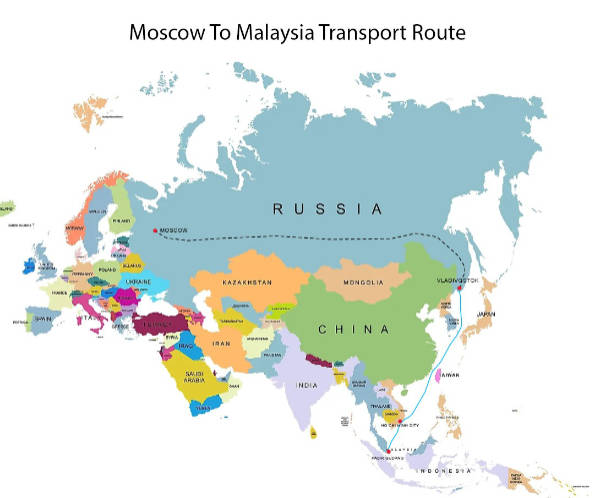
Russia’s pivot to Asia has taken another unique turn by sending bulk cargo to Malaysia, in southeast Asia, from Moscow vi Vladivostok for the first time.
Russia’s FESCO Transport organised the transhipment of technical fat cargo in Flexitanks at the Bely Rast terminal in Russia’s Moscow region. From Bely Rast, the first shipment departed via container train to Vladivostok, where on arrival, the containers were transferred to ship, transited via Ho Chi Minh City in Vietnam, and onto the final destination, Malaysia’s Pasir Gudang port, close to Singapore. The entire route took 32 days, and is intended to become a regular service, created specifically for Russian farmers.
To do so, FESCO added Malysia’s Pasir Gudang Port to its portfolio to expand the geography of the regular line between Malaysia and Vietnam – the FESCO Intra Asia Service (FIAS).
Russia is currently Malaysia’s ninth-largest trading partner among European nations and ranks 28th globally, with a bilateral trade value of US$2.48 billion in 2024.
The growth of bilateral trade between Russia and China in the medium term may be more restrained than it has been in recent years, according to Anton Alikhanov, Russia’s Minister of Industry and Trade. He was speaking at the Russian-Chinese business forum in Kazan and said that among the reasons for the slowdown in growth are sanctions pressure and saturation of certain segments of the Russian market with Chinese products.
Offsetting this, he said that uncertain prospects for the global economy are pushing Russia and China towards a better form of cooperation—industrial and technological cooperation—but the consistency of mutual investments and the massive scale of Sino-Russian joint projects are still undetermined. Many Chinese businesses are focusing on their trade development with ASEAN nations and significantly increasing their investments in these, rather than Russia’s, economies.
Alikhanov said that “in the medium term, we should expect a more moderate growth rate of mutual trade between Russia and China than before.”
During 2024, the volume of Russia/China bilateral trade reached a record US$245 billion, with Russia ranking seventh among China’s main trading partners. However, in 2025, bilateral trade is showing a decline: in the first seven months of the year, trade decreased by 8.1% year-on-year, to US$125.8 billion, implying a 2025 total to be about US$216 billion.
According to China’s Customs Administration, Chinese exports during this 7M 2025 period decreased by 8.5%, to US$56.23 billion, while Russian exports dropped by 7.7%, to US$69.57 billion.
Alikhanov cited the negative impact of Western economic pressure on Russia and China, as well as volatility in some commodity markets. In addition, Chinese products have already saturated certain segments of the Russian market, and the “commodity expansion” is close to exhaustion.
Market Saturation
An example of Russian market saturation has been the Chinese auto sector exports to Russia, where, in the wake of Western auto manufacturers exiting Russia, Chinese auto manufacturers moved in. However, this was not managed correctly and began to damage Russia’s own auto manufacturing industry, as well as create concerns about some of the quality standards of certain Chinese brands. As a result, Russia issued laws stating that imported vehicles now have to have a certain amount of Russian components and assembly production in Russia. As a result, China’s auto exports have dropped by 59% year-on-year during 2025. It is worth noting that this decline has nothing to do with Western sanctions.
Bilateral Trade Diversifying
Alikhanov stated that while overall bilateral trade growth has been slowing, in certain sectors it is changing and will be accompanied by a consistent increase in the share of high-tech and innovative products. The bilateral supply chain structure also includes a wider variety of commodity groups: from metals and food to machinery, equipment, and vehicles. The trade turnover between the two countries is also now better balanced, meaning imports and exports are at comparable levels.
Future Russia-China Bilateral Trade Development Trends
The next stage in bilateral trade development will instead see increasing industrial and technological cooperation between Russia and China as a more promising format for long-term cooperation and will depend less on the immediate market and more on systemic arrangements.
These include initiatives involving investments in joint production, technological transfer, and the introduction of advanced technologies. As examples, Alikhanov stated that the Russia-China Intergovernmental Commission on Investment Cooperation has focused on 63 significant Russian-Chinese projects totalling US$130 billion in the metallurgy, chemical, radio-electronic, automotive, and pharmaceutical industry sectors.
How large-scale high-quality cooperation will be organized remains an open issue, but on the bilateral level this has been slowing, with Chinese investment into Russia averaging about US$1.2 billion per annum between 2011 and 2018, dropping to an average of US$400 million per annum between 2022 and 2023, although there are signs of recovery.
Russia also faces investment competition—China is actively increasing cooperation with the ASEAN countries, with Chinese FDI increasing by 13% in 2024 to reach US$25.16 billion, with most investment concentrated in Singapore, Indonesia, and Thailand. This indicates that South Asian regional integration in the context of the trade confrontation with the United States is becoming increasingly important for Beijing. However, this too will peak over time, with Chinese investors potentially later becoming more interested in the Eurasian markets—especially in the non-energy fields where it is easier for funds and market-targeted Chinese privately held companies to become involved.
Our overall Russia investment prognosis from the Chinese perspective, meanwhile (Russia’s Pivot To Asia has over 30 years of experience in China) appears to be an initial slowdown (which has now occurred), a period of consolidation (which is happening now), and possibly a rebound to Russia as and when the Ukrainian conflict ends and US sanctions in particular begin to be relaxed (which could be 6 months to 3 years from now).
Russia’s Pivot To Asia can provide geopolitical market analysis concerning Russia and Asian dynamics. Please contact us at info@russiaspivottoasia.com for assistance.
Nepochatov said that “We see the demand of the Chinese companies to deepen localization of their products at present. This is driven in the first instance by significant changes in the Russian regulatory environment.”
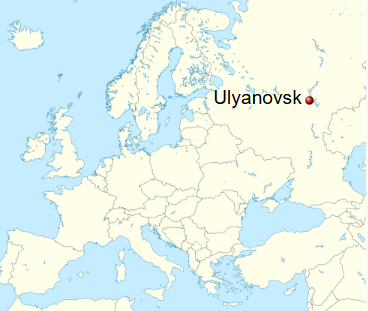
He added that in 2024, China took the lead in the volume of goods imported by the Ulyanovsk Region, while China is also a significant importer of goods from the same. Bilateral cooperation is also increasing in the automotive and machine tools industries, the manufacturing of various component parts, unmanned aerial vehicles, renewable energy, the building materials industry, trade, and logistics. Ulyanovsk is a city and the administrative centre of Ulyanovsk Oblast, Russia, located on the Volga River, 705 km east of Moscow.
Nepochatov stated that “We see prospects for investment cooperation in the following branches: creation of assembly facilities for cars and trucks with further localization prospects, manufacturing of auto parts, agricultural machines, machine tool building, production of components for the machine tool industry, manufacturing of various kinds of electronics and home appliances, fabrication of new materials, composites, and so on.”
At Russia’s Pivot To Asia, we are noticing that although there has been a slowdown in overall Russia-China trade and investment we are also seeing a revival in more considered investments, with these taking more account of Russian regulations designed to better balance bilateral trade. What Russia doesn’t want is Chinese manufacturers exporting finished products to Russia; it wants to be involved in the process, which means that Chinese exporters need to combine their products with Russian components and, ideally, utilize Russia-based assembly and production lines.
This will be a growing trend, as Nepochatov points out. In time, the Russia-China bilateral trade portfolio is also likely to develop from industrial into more high-tech applications as both economies seek to move up the value chain towards innovation and design.
Russia is both developing and integrating its digital transport system with China’s, according to Igor Levitin, an Adviser to the President of Russia and Special Representative for International Transport Cooperation. He was speaking at the Rostki International Forum in Kazan. Speaking at the session on “Russia-China: Logistics Connectivity as a Basis for Sustainable Partnership”, Levitin said that Vladimir Putin instructed the Russian Ministry of Transport to create a single platform for interaction between all participants in the process of cargo transportation.
Russian President Vladimir Putin has already commissioned a Russian national digital platform for handling transport and logistics. Levitin stated that “The Russian Ministry of Transport has been assigned to deal with this. This platform will have interfaces with China’s digital platforms; they already have a developed transport model. It will now have to be docked together. This is hard work for both ministries of transport.”
Levitin said that the Russian and Chinese business communities have already begun work on synchronizing their respective digital systems. According to him, the joint efforts of both governments and the private sector will create an effective model.
The Russian National Transportation and Logistics Platform (NTLP) has been named GosLog—State Logistics. The platform will collect services that will make life much easier for all participants in the freight transportation process. At the first stage, three of the most popular services will be available via a Single Window platform. After uploading a document through the service, it will be in general access for all executive authorities; Secondly, the Digital Profile of the Platform Member will be created —a convenient service for selecting a carrier by specified parameters, while third, the service will track the cargo.
The development of services that will be consolidated into the NTTLP is already underway. Testing began last August, with 11 multimodal routes, including all types of transportation (import, export, domestic transportation, and transit) and all types of transport (sea, road, rail and air) being examined. The process of movement and clearance of more than 30,000 containers from all major players in the freight transportation market was analysed.
In general, NKTLP unites 12 information and analytical services used to organize cargo transportation, which will allow to control the entire path of cargo from transfer to delivery to recipients, providing speed and transparency of logistics services. Full transition to the platform within the first stage is planned by 2030, and will include:
Replacement of paper documents with digital ones—90% of the entire document flow;
Increase in the average speed of cargo delivery—from 409 km/day in 2022 to 470 km/day by 2030;
A 15% increase in the throughput capacity of trunk routes compared to 2022;
Saving of an estimated ₽170 billion (US$2.1 billion) for operators in paper costs;
A reduction of transportation and logistics costs in GDP terms from 13.3% in 2022, to 11.2% by 2030.
India and China have similar solutions. In the long term, it is planned to integrate NTTLP with digital transportation and logistics platforms of states engaged in international trade with Russia, including the BRICS, EAEU, and SCO countries.
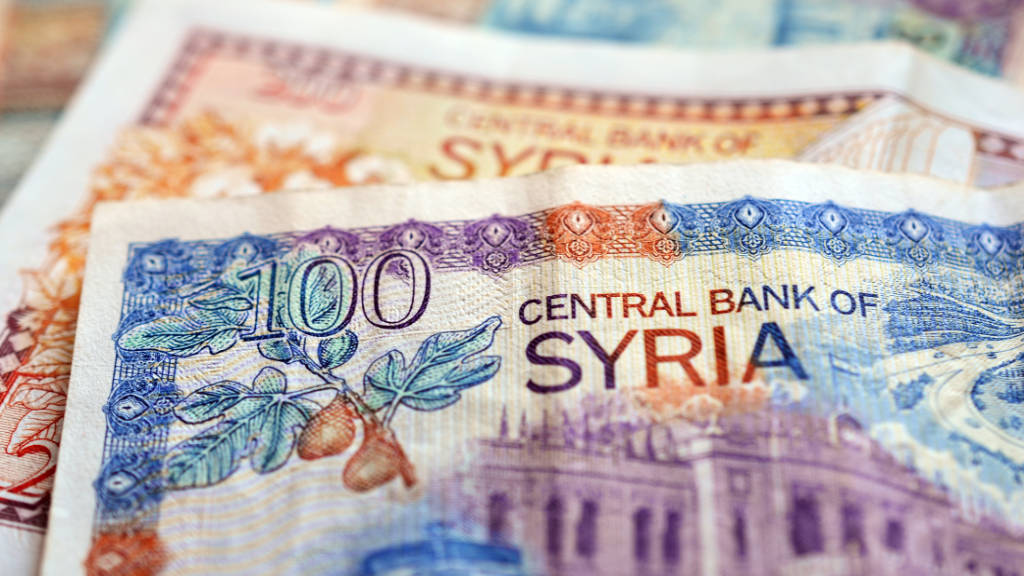
Russia has been given the contract to print the banknotes for Syria’s redesigned and revalued currency, with Damascus to give the severely devalued Syrian pound a makeover and remove two zeroes from the currency in order to ease transactions and restore confidence.
The Syrian pound has lost over 99% of its value since 2011, falling from 50 to around 10,000 per US dollar, crippling transactions and money transfers. On Friday (August 22), Syrian Central Bank Governor Abdelkader Husrieh announced plans for a new currency aimed at “strengthening customer confidence” and easing foreign transactions, calling the move a “necessity.”
Damascus reached a deal with Russian state-owned firm Goznak to print the new notes, according to two bankers and another source with alleged knowledge of the plans. The agreement was reportedly finalized during Syrian Foreign Minister Asaad al-Shaiban’s visit to Moscow in late July.
Goznak printed the Syrian currency during the rule of former President Bashar Assad, who was ousted last year in an offensive led by Islamist group Hayat Tahrir al-Sham (HTS). Assad, a close Moscow ally, was replaced by HTS leader Ahmed al-Sharaa. Earlier this year, reports emerged that the new government, despite maintaining ties with Russia, was exploring alternatives to Goznak, including firms in the UAE or Germany. Goznak is under Western sanctions over the Ukraine conflict.
One goal of the currency overhaul is to bring an estimated 40 trillion pounds circulating outside the formal financial system under oversight. The new notes will also reportedly no longer feature Assad or his father, Hafez, whose portraits appear on the 2,000- and 1,000-pound bills, respectively.
Husrieh said a time frame to introduce the new currency was still “under review,” but there are claims the rollout is planned for December 8—the first anniversary of Assad’s ouster. The official launch will reportedly be followed by a 12-month “coexistence period” for the old and new notes.
Russia’s state-owned nuclear power giant, Rosatom, is considering the establishment of a subsidiary in China, according to information on Russia’s public procurement website. The procurement tender includes preparation of a report on the opening of a subsidiary in China and the company’s registration.
The report states that the potential Rosatom subsidiary in China would ensure the production and supply of foreign-made equipment for nuclear power plants (NPP) under construction by Rosatom in Russia and elsewhere. Rosatom have been highly active in proposing and commencing NPP projects on a global basis, including in Bangladesh, Bolivia and Turkiye, Brazil, Ethiopia, Burkina Faso and Mali, Tanzania, Niger, South Africa, and Malaysia amongst others.
The new company plans activity related to procurement procedures and international payments, ordering and supplying equipment, obtaining security for advances and contract execution by manufacturers, obtaining funding for supply contracts, seeking contractors and suppliers and conducting negotiations.
The subsidiary will analyse China’s tax environment, in particular the purchase and export of equipment from China and the purchase and supply of equipment outside China.
“This tender is to explore the possibility of creating such a legal entity, not to order specific equipment.” Rosatom stated.
Rosatom’s 10-year overseas order portfolio was worth US$128.8 billion in 2024 and its portfolio of overseas orders over the entire life cycle is valued at US$200.4 billion.
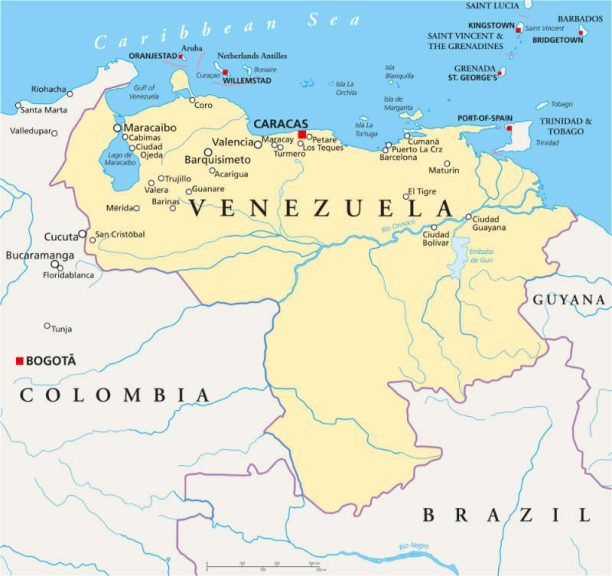
On August 22, Russian Foreign Minister Sergey Lavrov had a telephone conversation with Venezuelan Executive Vice President Delcy Rodriguez Gomez.
In the course of the conversation, the two sides confirmed their mutual intention to further strengthen the strategic partnership relations between Russia and Venezuela. The parties discussed current bilateral issues and agreed to increase interaction and coordination of approaches in global affairs, including within the framework of the Group of Friends in Defense of the UN Charter.
Sergey Lavrov expressed solidarity with the Venezuelan leadership and reiterated full support for its efforts to defend national sovereignty and ensure institutional sustainability amid growing external pressure on Caracas.
On August 20, the U.S. deployed three of its Arleigh Burke-class guided-missile destroyers near the Venezuelan coast, raising fears of a military invasion. The official reason given by the Trump administration was to fight drug trafficking. The U.S. action was seen by President Nicolas Maduro as a direct threat to sovereignty. With American investments departing Venezuela, sanctions being put in place, and financial reserves frozen. President Maduro’s response has been to seek alternative trade development and investment ties with major economies such as China, India, andRussia.
Following Gomez’s phone call with Lavrov, Maduro said, “Today the executive vice president had a long and productive conversation with our close friend, Russian Foreign Minister Sergei Lavrov, who confirmed the expansion of our countries’ economic alliance and the realization of joint investment projects.”
The two countries signed a ten-year Strategic Partnership Agreement earlier this year, which outlined plans for cooperation on global and regional security and counterterrorism, setting a long-term course for deeper ties in areas including the economy, energy, investment, mineral extraction, transport, telecommunications, healthcare, and culture.
Russia is also establishing a Glonass satellite ground station in the country, allowing for improved surveillance and tracking of shipping around Venezuelan waters.
Venezuela holds the largest proven oil reserves in the world, primarily in the Orinoco Belt, and its economy is heavily reliant on the oil industry. Despite facing challenges such as underinvestment and mismanagement, oil production has started to increase, with exports reaching nearly 1 million barrels per day, primarily directed towards Asian markets.
Apart from oil, Venezuela’s industrial sector includes manufacturing activities like food processing, textiles, construction materials, and iron and steel production. The government has been working on revitalizing these industries to decrease its dependency on oil exports and encourage economic diversification. Agriculture also plays a role in the economy, contributing to both exports and domestic consumption. However, the sector faces significant challenges, including land degradation and limited access to modern technology. The services sector, covering areas like finance, tourism, and retail, is another vital contributor to Venezuela’s GDP. The country has also developed a strong presence in industries such as textiles, aeronautics, pharmaceuticals, automobiles, steel, and chemicals.
Venezuela is a member of several regional and international organizations, though its participation has been limited due to political and economic challenges. It is a founding member of the Bolivarian Alliance for the Americas (ALBA) and became a full member of Mercosur in 2012, though its membership was suspended in 2016, and it now holds observer status. Venezuela also maintains observer status in CARICOM and has bilateral trade agreements with several CARICOM members, especially in energy and trade. Additionally, Venezuela has established numerous bilateral trade agreements with Latin American and Asian countries, focusing on oil and agricultural exports. One key agreement is Petrocaribe, which facilitates preferential oil sales to Caribbean and Central American nations.
Last November, during the 18th meeting of the high-level Intergovernmental Russian-Venezuelan Commission, a Protocol on cooperation within the framework of the Eurasian Economic Union (EAEU) tariff preferences system was signed. It simplifies customs procedures for the importation of Venezuelan goods into Russia that fall under the EAEU preferential regime (importation at a 25% reduction in customs duties), which will serve as a driver for further growth of bilateral trade.
The EAEU comprises Russia, Belarus, Armenia, Kazakhstan, and Kyrgyzstan. It also has trade agreements with China and is negotiating a free trade agreement with India.
The meeting also saw the signing of new cooperation agreements on hydrocarbon production, energy, aviation, and information technology.
With a population of approximately 28.4 million people, Venezuela’s GDP (PPP) stands at US$224.5 billion, with a GDP per capita of US$8,486. Despite its economic and political challenges, the Central Bank of Venezuela reported that the national GDP grew 9.32% in the first quarter of 2025.
Bilateral trade between Venezuela and Russia has been increasing and reached about US$270 million in 2024, with a 70% increase over the previous year.
Russia has also diversified its range of exports to Venezuela by supplying high-tech goods (machine tools and equipment) and mineral products. The share of shipments of agricultural goods to the country also increased significantly. Venezuela was the third largest importer of Russian wheat in the LatAm region in 2024.
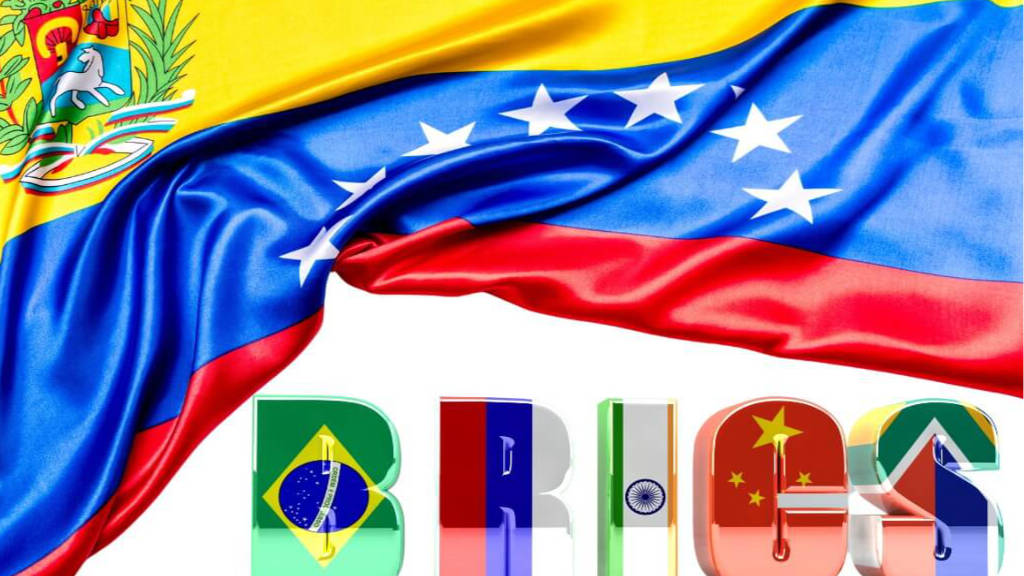
The current Venezuelan political strategy—in the face of continuing political and sanctions pressure from Washington—appears to be mirroring that of larger countries such as Brazil and India, both of whom are also ramping up their trade and investment ties within the BRICS bloc as an antidote to the erratic and unreliable, and in Venezuela’s case, unfriendly trade relations with the United States.
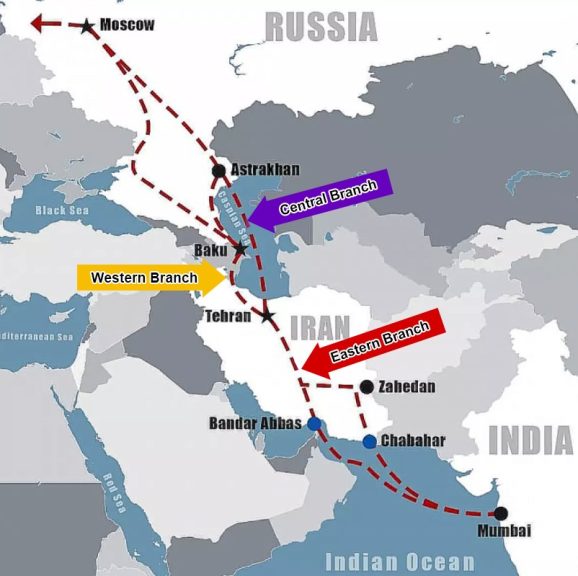
The Iranian Ambassador to Russia, Kazem Jalali, has said that the cargo transit by the eastern branch of the International North-South Transport Corridor (INSTC) may reach its potential capacity of 15 million tonnes in three to four years. He was speaking at the Caspian Media Forum 2025 in Astrakhan.
Jalali stated that “The eastern branch of the INSTC comprises Russia, Kazakhstan, Turkmenistan and Iran. It was activated in 2023. About 2 million tonnes of cargo were brought from there in 2024. The eastern branch is in very good shape. There is a potential, an opportunity to reach up to 15 million tonnes of cargo. Such quantities are unlikely in 2025; it will take time. I believe this can be achieved in three to four years.” An increase in cargo transportation is also expected in 2025, he said.
To put that volume into perspective, 15 million tonnes is more than is processed by the Netherlands Rotterdam Port each year.
Iran is interested in Russia’s supply of grain, oilseeds, oil, paper and livestock products, Jalali said, stating “Our relations have many areas. We are cooperating in nuclear power plants, medications, medical equipment and procurement of vessels.”
The INSTC connects northern Europe to Persian Gulf countries and the Indian Ocean via Russia, the Caucasus and Central Asia, with the multimodal corridor agreement originally signed by Russia, Iran and India in 2000. It now has 12 member participants. The corridor has three branches, including the western branch that goes along the western coast of the Caspian Sea, the eastern along the eastern coast of the Caspian Sea, and the trans-Caspian across the Caspian Sea.
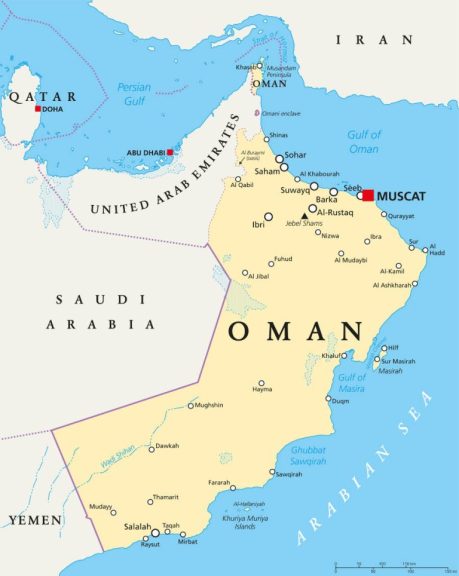
Russia’s FESCO Transport Group has delivered the first refrigerated container with Russian food products from Novorossiysk to the port of Sohar (Oman). The container was loaded with frozen meat semi-finished products weighing 25.5 tonnes, and was delivered by road from the suppliers warehouse in Bryansk to Novorossiysk Port.
It was then placed on a FESCO container ship, which sailed as part of the regular FESCO Indian Line West line to the Jebel Ali Port in the UAE. From there, the cargo was delivered by a feeder vessel to its final destination, the Omani Sohar Port.
Andrey Grechkin, CEO of Dalreftrans, who organised the logistics, said “The Persian Gulf countries are a region that opens up enormous opportunities for Russian exporters. FESCO sees a growing demand for domestic products here and is systematically developing the geography of cargo supplies in this direction. So, in early March, Dalreftrans sent food refueling containers from Novorossiysk to two new ports Qatar’s Hamad and Kuwait’s Shuwaikh. And in April, for the first time, dates were delivered from Jebel Ali to Russia. This confirms the development of this type of logistics within our bilateral trade flows.”
Also of note in this transaction is that Oman supplies of meat must conform with strict Halal preparation requirements, meaning that Russian suppliers are obtaining the relevant qualifications and certification needed to supply these markets.
Also within the region, Russia and Qatar are also in discussions about establishing a Halal Agri-Industrial distribution hub.
The Russian government and the Central Bank of Russia are to motivate Russian companies to raise investment capital by listing on Russian stock exchanges. These measures include subsidizing loans, preferential mortgage rates, providing procurement guarantees and other incentives.
This follows the government’s strategy of encouraging Russian companies to enter the equity capital market, with the objective that raising investment funds through stock exchange placements should become more attractive for companies than simply borrowing from Russian banks.
Proposals of how to motivate Russian businesses to list instead of borrowing have been sent by the Central Bank to the Finance Ministry, the Economic Development Ministry and the Industry and Trade Ministry and contain priority support measures for companies listing on Russian stock exchanges. We discuss these incentives as follows:
Procurement
The Central bank proposes granting newly listed companies priority participation in government procurement contracts – both state procurements (under federal law 44-FZ) and procurements by state-owned companies (under federal law 223-FZ). If such an issuer finds itself in equal conditions with other bidders, it would be granted preferential rights to conclude contracts for the supply of goods, work and services.
State Guarantees
The CBR has proposed that newly listed companies involved with large infrastructure projects should be given priority in obtaining state guarantees. This concept also revolves around the belief that publicly listed companies, compared to non-public ones, have better transparency in their financial and business activities transparency, as well as in their ownership structure.
Mortgages
The regulator has also proposed placing newly listed companies into a separate category of industrial mortgage recipients, (as is currently the case for Russian tech companies) and to allow them preferential mortgage rates to construct property related to their projects.
Indirect Tax Incentives
In addition, the bank has proposed that new listed companies be granted preferential access to production sites, premises and land plots in business incubators, industrial parks and technology parks. These zones typically carry significant tax incentives, such as profits tax breaks, reduced utility costs and reductions in employment benefit expenses amongst others.
The bank has also proposed that newly listed companies seeking property tenancy are able to apply for state and municipal real estate leases on preferential terms.
Qualifications
Qualification for these treatments have been proposed for businesses providing at least 15% of shares in free float on stock market listings, while it was also suggested by Prime Minister Mikhail Mishustin that a two-stage scheme be analyzed – a free float of 15% ensures priority access to state support until 2028, thereafter becoming a mandatory condition.
Background
The Central Bank has previously put forward a number of proposals to stimulate Russian businesses to go public, including mechanisms for subsidizing equity financing as an alternative to subsidizing loans. This idea has received support at the highest level.
In 2024, the Russian equity capital market saw 19 deals (15 IPOs and 4 SPOs) which raised more than ₽100 billion (US$1.25 billion). However, amid the tightening of monetary policy, market activity began to gradually decline last year and has stalled in 2025. Since January, only one small initial placement has taken place – JetLend Holding, owner of the JetLend crowdfunding platform, conducted an IPO on the St. Petersburg Exchange raising ₽500 million (US$6.2 million).
The Central Bank Governor, Elvira Nabiullina has previously stated that currently available incentives for Russian companies to list are insufficient for the development of the capital market, saying at the 2025 St. Petersburg International Economic Forum that “The capital market won’t emerge on its own. We’re currently debating measures with the government. The measures developed so far are insufficient to achieve the Presidential target for increasing capitalization and growing the stock market.”
The Russian government is keen to address the issue; it plans to float 30 state-owned companies on the stock exchange by 2030, as was announced by Deputy Finance Minister Ivan Chebeskov in September 2024.
It should be noted that when China began to do the same thing about fifteen years ago, the Chinese public were immensely supportive—with listing values often soaring several times after debut. Russia’s strategy appears to be following the same trajectory—if the regulator and Finance Ministry can effectively motivate the Russian domestic market.
There were 5,363 companies listed on the Chinese domestic stock exchanges in 2024, according to the China Association for Public Companies. Russia has a total of just 214, meaning there is a huge amount of development potential in this financial sector that is yet to be properly utilised.
The Indian External Affairs Minister, Subrahmanyam Jaishankar has been holding talks in Moscow, meeting with both Sergey Lavrov, Russia’s Foreign Minister, and Russian President Vladimir Putin. The talks come just as the United States has threatened to increase tariffs to 50% on Indian exports to the United States in retaliation for India purchasing Russian oil. Those tariffs are scheduled to commence on August 27.
Russia is currently India’s fourth-largest trading partner, while India ranks as Russia’s second-largest. Both are members of the BRICS group, which has been coordinating trade efforts amongst its members in the wake of US tariffs threats. Brazil has also been subjected to 50% US tariffs for its exported goods and has been seeking help from BRICS members – including China, in diverting what would have been its coffee exports to the United States to new markets. Thus far, this has succeeded. The visit of Jaishankar to Moscow is partially to discuss a similar repositioning of trade from what are increasingly seen as volatile American markets to stable BRICS markets, including Russia.
New Delhi has directly signalled a trade shift away from Washington under pressure from the US tariff threats. Prime Minister Narendra Modi this week described Putin as a “friend” following a call with the Russian leader. In Moscow, Jaishankar stressed the need to remove trade bottlenecks and reduce non-tariff barriers to achieve its trade goals of encouraging more BRICS, rather than US trade.
That is a significant shift that needs to be put into place – “India’s Pivot To BRICS” – as India exports about US$86.5 billion to the United States, including engineering goods, diamonds, pharmaceuticals, chemicals, and textiles.
India-Eurasian Economic Union Free Trade Agreement
In terms of India’s trade with Russia, this hit a record US$68.7 billion in India’s 2024-25 fiscal year, which includes the period March 2024 – February 2025. India has been involved in free trade negotiations with the Eurasian Economic Union, (EAEU) which includes Russia along with Armenia, Belarus, Kazakhstan and Kyrgyzstan, and Jaishankar’s visit to Moscow was partially to expedite this and reach a final agreement, perhaps to be announced later this year. That goal appears to have come closer – India signed a preliminary ‘Terms of Reference’ document with the EAEU on August 20.
Following this, Lavrov subsequently announced that India and Russia aim to boost annual trade by nearly 50% over the next five years, setting a target of US$100 billion as both countries look to ease tariffs and strengthen ties. The pending EAEU free trade agreement is the key to achieving this and will help in adjusting India’s exports to safer markets. For example, Russia has already agreed toopen up its consumer market to Indian agricultural exports.
Ruble-Rupee Trade & Interbank Connectivity
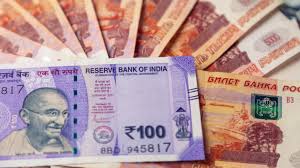
Jaishankar also emphasized the need for India and Russia to diversify trade, expand joint ventures between their companies, and hold regular consultations to resolve obstacles—including those related to payment systems – a reference to Indian trade with Russia being conducted in Rupees and Rubles rather than US dollars, which has largely been accomplished – 90% of all bilateral trade is now in these currencies.
Jaishankar’s comments are also a reference to the two countries uniting their financial messaging systems to get around the use of SWIFT, from which Russia (and Iran, another BRICS member important to India) have been disconnected. In this case, India and Russia are developing their connection by integrating their national payment systems – Russia’s Mir and India’s RuPay – and establishing interbank messaging systems to facilitate bilateral payments in their national currencies. This involves mutual acceptance of the RuPay and Mir card systems and the use of Russia’s System for Transfer of Financial Messages (SPFS) for bank-to-bank transfers. The goal is to create a more predictable and independent financial infrastructure for trade, although challenges remain. New interbank exchange and messaging systems are also being developed between the banks of both countries to provide a more predictable framework for transactions. Of additional note here is that Russia’s Sberbank was granted an Indian operating licence in July.
Russia-India Energy Supply Chains
India also wishes to directly insert itself into Russia’s energy supply chains and secure its own direct assets to facilitate supplies between the two countries. In this regard, Denis Manturov, Russia’s First Deputy Prime Minister announced that Russia and India are to jointly target development of the Northern Sea Route and the International North-South Transport Corridor (INSTC). That statement was made at the 26th meeting of the India-Russia Intergovernmental Commission on Trade, Economic, Scientific, Technical and Cultural Cooperation on August 20, with Manturov saying that “It is obvious that the expansion of trade and economic ties is also linked to forming reliable logistical corridors and creating new container services. We target joint development of the Northern Sea Route and the INSTC in this regard.”
It should also be noted that Russia and India are discussing the building of new icebreakers for the Russian fleet in India’s Gujarat shipyards, while the two countries are also discussing the building of pipelines and shipping of LNG to India from Russia’s Yamal fields in the Arctic, and have been discussing bilateral LNG supplies and investment. Russian oil exploration companies are also drilling in India’s offshore Cambay Basin.
In the sanctions-threatened oil trade sector, India’s Reliance Industries signed a massive, ten year oil refining contract with Russia’s Rosneft at the end of December 2024. While India’s oil refiners initially reacted by pausing imports of Russian crude following Trump’s threats, these have now restarted. Most of India’s oil refiners are privately, not government owned, while the Indian government has dismissed US threats as ‘bullying’. As August 27 approaches, it will be interesting to see what Trump’s reaction to what appears to be India both ignoring his tariffs and pivoting away from US trade will be. Certain American consumer items, including pharmaceuticals, and the clothing sector are going to become a lot more expensive as the cost of imports from India, a major supplier of these items to the United States, increases.
The rapid development of Russia-India energy supply chains will be a bilateral priority. India needs access to Russian energy to continue its transformation into an upper middle-income country and has a requirement to maintain its current annual growth rate of at least 6.5% to achieve its goals. For India, a strong relationship with Russia’s multi-faceted energy sector is key.
The Russia-India defence sector is also very active, with Russia recently delivering a new Frigate to the Indian Navy, supplying twelve Russian Sukhoi SU-30MKIfighter aircraft to India, as well as the SU-57 to the Indian air force, which will incorporate Indian technology in a Russian military aircraft for the first time. The two countries also signed off adefence logistics agreement earlier in the year. Russia and India regularly hold Navy exercises, the most recent being in the Bay of Bengal. Russia also sells tank engines to the Indian army.
Infrastructure
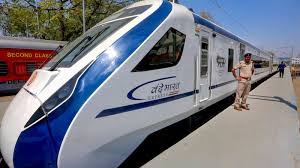
Joint big-ticket investment is also being made in Eurasian infrastructure. Both Russia and India understand that the way to further develop trade is to build infrastructure, which carries its own returns on investment as regards the potential for property development and the services sector requirements to support them. To this end, the two countries are heavily involved in the joint development of high-speed railways and carriages, with some of this production already being earmarked for future export to the CIS countries. Russia’s FESCO is to further invest in India to establish logistics centres, while it should be noted that Russia-India overland trade along the INSTC doubled last year, while Russia-India shipping increased in volume by about 30% in H1 2025.
India is also involved, along with Russia and numerous other Eurasian countries, in developing a Eurasian Commodities Exchangethat would regulate trade throughout the entire region. This would have the effect of stabilising markets, protect producers, enhance quality and promote trade. China, Iran, Kazakhstan, and Uzbekistan are also involved.
India’s Pivot To BRICS
An interesting aspect of India’s Pivot to BRICS is the extent of its trade with the United States, as India’s exports to the US include areas that Russia can also assist with, although India will also be discussing the offsetting of its US exports to other BRICS countries. A major Indian export, and one that can create political difficulties for Prime Minister Modi is the Indian agricultural sector, and primarily the element of this involved in fabric production, such as cotton, linen, silk and jute. This employs about 45 million people in India – Modi will need to find substitutes for US sales fast.
That suggests that Russian and BRICS clothing manufacturers may find opportunities in sourcing materials from India and may also find tax incentives and competitive pricing available as India reacts. Other strong areas of Indian exports include generic drugs, where it is one of the largest manufacturers of household pharmaceuticals in the world. Meanwhile, while India no longer possesses the diamond and gemstone reserves it once did, it remains one of the world’s largest gem processers, with applications from the jewellery to manufacturing industry sectors. Indian investors are already based in the Eurasian Diamond Exchange in Vladivostok, and we see additional synergies between Russia – with the largest diamond reserves in the world – and Indian expertise. A renewal of the gem producing sector in Russia could manifest itself.
We are also more likely to see a shift towards Russia-Indian joint ventures and M&A, as expertise from both countries unite to create a stronger whole. An example of this trend is Rusal’s acquisition of India’s Pioneer Industries for US$243 million, a deal that secures much needed raw materials for Rusal’s aluminium production, in this case bought about by Australia’s refusal to sell to Russia.
As can be seen, India is serious about shifting its export focus to BRICS, and Prime Minister Modi will need to manage this transition away from the United States, even if President Trump decides not to impose the tariffs on Indian exports he has threatened. The damage has already been done – India, with tens of millions of workers employed in its export industries, is not able to tolerate uncertainty in its productivity and employment sectors and whether or not Trump is serious or not, is now taking steps to secure more stable export markets. An example is Modi recently mending diplomatic relations and increasing trade ties with China. The fact that this stability now means the BRICS nations as opposed to the United States is a new sign of the changing times.

 Русский