News

Russian Shrimp Imports From Ecuador Up 15% To 14,000 Tonnes In Six Months

Published on August 14, 2025

Russia imported 14,000 tonnes of shrimp from Ecuador in H1 2025, up 15% compared to the same period last year, according to data from Ecuador’s National Aquaculture Chamber.

The value of shipments rose 30%, reaching US$70 million. Russia’s share in Ecuador’s shrimp exports slightly increased, accounting for 4% in both volume and value terms.

Russian fishermen themselves also caught approximately 15,000 tonnes of shrimp in H1, up 11% compared to the same period last year.

Russia has been completely reinventing all its supply chains since the termination of trade with Europe in 2022 and has been sourcing from emerging markets in the global south instead.  In Ecuador 99% of shrimp are raised in special ponds, making the country the world’s leading producer and exporter of farmed shrimp. Wild shrimp are also harvested, but in small quantities and are mainly sold on the local market. The shrimp farming sector in Ecuador contributes significantly to the country’s GDP and exports and is considered a major employer – in 2021 it was reported that the sector supports about 275,000 jobs.

Ecuador’s aquaculture industry is dominated by marine shrimp (Litopenaeus spp.), making it the world’s leading producer and exporter of farmed shrimp. Tilapia and other freshwater fish are also cultured on a smaller scale, primarily in the inter-Andean region. The shrimp farming sector is a major employer and a significant contributor to the nation’s GDP and exports.

Further Reading

Russia-Ecuador 2025 Trade & Investment Analysis: Update

The Non-Western Nexus: Can Delhi Anchor a Russia–Saudi–India Trilateral?

Published on August 14, 2025

By Dr. Divya Malhotra

As global alliances shift and Washington’s unpredictability vis-à-vis India grows, the time is apt for Delhi to quietly explore alternative partnerships that reflect emerging multipolar realities. A Russia–Saudi–India trilateral, anchored in energy, infrastructure, and soft power may be the next frontier in non-Western geopolitics of the Global South.

As India’s National Security Adviser Ajit Doval returns from Moscow after a high-level meeting with Vladimir Putin, a subtle recalibration of India’s foreign policy is underway amid renewed tensions with Washington. Trump’s public outbursts over India’s continued energy engagement with Russia, alongside threats of tariffs, have sharpened New Delhi’s resolve to push for strategic autonomy and explore alternative geopolitical pathways.

While the headlines fixate on tariffs, oil, and social media jibes, the time may be apt to examine the possibility of a subtle strategic realignment; one that could bind India, its Middle Eastern partner – Saudi Arabia, and old ally – Russia in an unconventional trilateral axis. While far from institutionalised, such a framework grounded in pragmatic cooperation across energy, infrastructure, and soft power would present Delhi with a historic opportunity: to diversify strategic dependencies, safeguard national interests, and shape a multipolar world order from the Global South outward.

From Bilateral Familiarity to Trilateral Possibility

The concept of a Saudi–Russia–India trilateral may appear ambitious, but its foundations are steadily being laid across robust bilateral ties. India-Saudi Arabia relations have peaked in recent years, with trade touching over US$ 33 billion and the kingdom supplying nearly 18% of India’s crude oil needs. The energy partnership has evolved beyond oil to include cooperation in petrochemicals, fertilizers, and even renewable energy. Initiatives under the Make in India campaign, when paired with Riyadh’s Vision 2030, create a natural convergence between a youthful democracy and a reforming monarchy. The first-ever India-GCC summit in 2024 further elevated the seriousness of Delhi-Riyadh engagement.

India-Russia ties, though increasingly transactional, remain foundational. The Cold War legacy of strategic cooperation now manifests in trade surging to over US$ 68 billion in 2024–25, driven primarily by discounted Russian oil and fertilizers. Defence collaboration continues, including the S-400 air defence system and the BrahMos missile joint venture. More telling is India’s nuanced stance on the Ukraine war, a position of strategic restraint that has allowed New Delhi to preserve access to both Western markets and Eastern energy corridors.

Meanwhile, Saudi Arabia and Russia have, since 2016, found surprising synergy through the OPEC+ framework. Their coordination on oil output has stabilised global markets and fostered political trust, despite otherwise divergent ideological paths.

Riyadh’s (cautious) overtures toward BRICS and Moscow’s eastward tilt signal a readiness to disrupt traditional alignments. In sum, all three nations are recalibrating their positions in a fractured global order. The overlap in their energy, economic, and multilateral interests sets the stage for trilateral engagement.

Energy and beyond

At the heart of this potential trilateral lies a powerful strategic asset – energy. India’s surging demand, Saudi Arabia’s production muscle, and Russia’s vast reserves and technical expertise offer an ideal triangulation. A trilateral energy corridor could combine upstream Saudi production, Russian logistics, and Indian refining capacity into joint ventures that reduce dependence on Western markets and price mechanisms.

This model of “Saudi capital, Russian know-how, and Indian markets” could serve as the bedrock of trilateral cooperation. This could extend to petrochemical zones in Indian industrial hubs, ammonia and fertilizer plants jointly funded by Riyadh and Moscow, and potentially even green hydrogen projects, leveraging Saudi investment appetite, Russia’s research depth, and India’s clean energy ambitions. Such collaboration is not merely a theoretical idea. It is scalable, investment-ready, and already underway in bilateral pockets, awaiting a trilateral push.

Infrastructure, Multilateralism, and Soft Power

The International North–South Transport Corridor (INSTC) and the Chennai–Vladivostok Maritime Corridor link India and Russia via Central Asia and the Far East. With Saudi capital and political buy-in, these corridors could transform into viable Eurasian trade arteries. Riyadh’s potential participation in port-to-port logistics and customs integration could catalyse a new layer of Eurasian connectivity, bypassing chokepoints dominated by Western-led initiatives.

Multilaterally, all three states share a growing scepticism toward the status quo. Russia has long advocated multipolarity through BRICS and other forums. India supports inclusive, rules-based governance. Saudi Arabia is currently sitting on the fence w.r.t. BRICS and has not refused! Its acceptance of BRICS membership in the future and its exploration of non-dollar oil settlements show its intent to diversify diplomatic options.

In the soft power domain, the possibilities are vast and underexplored. India’s education ecosystem, ranging from IITs to private universities, can anchor trilateral cooperation in research, technology, and student exchange. Saudi Arabia’s Vision 2030 prioritises human capital development; Russia brings academic and scientific prestige. Together, they can launch think tank collaborations, joint podcasts and publications, and cross-cultural tourism and arts initiatives. Such efforts can build familiarity at the grassroots and intellectual levels, away from the glare of formal diplomacy. Film, language exchange, and scholarship programs can seed the kind of long-term trust formal agreements often cannot.

Challenges to Trilateralisation: The American Elephant in the Room

No serious conversation on this trilateral can be dehyphenated from the Washington-factor. For both India and Saudi Arabia, the U.S. remains a vital partner in trade, defence, and diplomacy. Trump’s resurgence, with his sharp rhetoric and punitive instincts, complicates the calculus. CAATSA sanctions over India’s S-400 purchases and Washington’s unease with Delhi-Russia and Saudi-Russian oil dealings are just a few examples of American pressure mechanisms.

Still, both Riyadh and New Delhi have learnt to navigate Washington’s mood swings with increasing maturity. They know that Washington itself is hedging with Pakistan and with China when convenient. For India, the key is not to antagonise Washington but to clarify that parallel partnerships are not betrayals. They are insurance policies. It is important to emphasise that this trilateral is not about choosing sides. It is about expanding options and shaping a multipolar order where strategic autonomy is preserved, not penalised.

An institutionalised trilateral may still be years away, if it happens at all. But that need not stop progress. Track-II diplomacy, joint research forums, university-level exchanges, and energy dialogues can offer low-risk, high-reward pathways to explore feasibility. Closed-door seminars, business delegations, and co-investment in specific pilot projects can test political appetite and build public confidence. Formal trilateralism may remain elusive until the Ukraine conflict stabilises. But informal engagements, driven by soft power and shared interests, can lay the foundation.

Conclusion: Quietly Building a Non-Western Future

India’s foreign policy must remain nimble in a world of shifting poles. As Western alliances fragment and new power centers emerge, Delhi must ask: Who does it want to build the future with? The answer need not lie in the West or East alone but in smart, interest-driven partnerships across both. A Saudi–Russia–India trilateral may not yet have a flag or a forum. But it has logic, momentum, and strategic depth. As India’s NSA Ajit Doval confers with Russian counterparts, and Washington fumes over discounted oil, now is the moment for India to quietly begin building a new strategic triangle, one that reflects the world as it is becoming, not as it once was!

Dr. Divya Malhotra is a Research Fellow at the Indian Centre for National Security Studies, and a Non-resident researcher, at the Middle East Institute, Delhi.

Further Reading

Russia, India, Coordinate Efforts To Beat US Tariffs & Increase Trade and Investment Cooperation

Eurasian Development Bank Puts Cost Of Building Eurasian Transport Network At US$234 Billion

Published on August 13, 2025

The Eurasian Development Bank (EDB) is promoting the fulfilment of a unified transport network in Eurasia, involving Russia, 12 additional countries, and 325 projects valued at US$234 billion. The EDB is jointly owned by Armenia, Belarus, Kazakhstan, Kyrgyzstan, Russia, Tajikistan, and Uzbekistan and is one of the most significant financial and economic integration projects of the post-Soviet countries.

According to the EDB’s 2024 report, the unification of transport corridors in the west-east and north-south directions will have the greatest effect on developing regional prosperity. The key element of this is infrastructure development.

To assess progress in infrastructure development, the bank has developed the Eurasian Transport Framework (ETF) Observatory, which includes a database of projects and a geographic information system for their positioning along the Eurasian transport corridors.

Evgeny Vinokurov, Deputy Chairman of the Board and Chief Economist of the EDB, states that “The countries of Eurasia need more efficient and cheaper transport links, especially along the North-South axis, which will stimulate trade with the countries of South Asia and the Persian Gulf. The ETF Observatory is a convenient analytical tool for assessing investment needs and plans to increase transport connectivity in Eurasia. It allows us not only to monitor what is happening in the transport space but also to help coordinate the efforts of the countries of the region and international financial institutions to implement projects that are priorities for the entire region.”

Eurasian Map

The observatory covers 13 countries, including Azerbaijan, Armenia, Afghanistan, Belarus, Georgia, Iran, Kazakhstan, Kyrgyzstan, Mongolia, Russia, Tajikistan, Turkmenistan, and Uzbekistan. The project data is based on open information sources, which include national and international transport development programs, press releases, expert assessments, and other available information.

The Observatory includes information about the names of projects with their descriptions, the country of implementation, the transport corridor, and the type of transport, as well as the volume of investments distributed by sources of financing, timing, implementation, and the suitability of Public-Private Partnerships (PPP). The latter is where the respective government puts up part of the capital, with the remainder to come from the private sector. Sometimes, when completed and when there is cash-flow generation (such as railways and toll roads), these projects can then be listed on regional stock exchanges.

As of July 1, 2025, the observatory has 325 ETF development projects, both already underway and planned, with a total investment of US$234 billion. 51% of these projects are being implemented or planned in the road sector. From a country perspective, 7 of the 10 largest ETF development projects are in Russia. With this in mind, the development of the Northern Eurasian Corridor is the most capital-intensive and requires US$78 billion in investments, which is more than a third of the capital expenditures for the development of the entire region.

Project documentation is being prepared for 13% of projects, while 27% are under discussion or planning.

Central Asia accounts for more than 22% of the investments directed to the development of ETF. 90 projects totalling about US$53 billion are being implemented or are planned to be implemented, with 44% of these to be implemented in Kazakhstan.

The EDB says that almost two-thirds of investments in Central Asia are directed towards the development of a network of main roads, which indicates a high need for high-quality road infrastructure for further growth of trade and international transportation in the region.

The 10 largest projects account for 58% of the total investment in the development of ETF in Central Asia. Among them are large-scale projects for the construction of the China-Kyrgyzstan-Uzbekistan railway, the Tashkent-Andijan highway in Uzbekistan, the Centre-West Expressway in Kazakhstan, the Ashgabat-Turkmenabat and the Serakhs-Mary-Serkhetabat highway in Turkmenistan.

The prioritization of projects is an important task in conditions of limited investment opportunities. In the five countries of the Eurasian region—Afghanistan, Tajikistan, Kyrgyzstan, Mongolia, and Armenia—the total cost of developing transport corridors is very significant not only in nominal terms but also in relation to the size of the GDP of these states.

International development banks, such as the EDB, and other development institutions can provide technical assistance in the selection of priority projects and their financing, especially in landlocked, mountainous, and other countries with special development conditions.

The EDB report states, “A total of 113 out of 325 ETF development projects involve the participation of private business in their implementation. Almost half are in logistics and warehouses. About 17 projects are being implemented or may be implemented based on PPP principles, including at least two projects based on cross-border PPP principles: the China-Kyrgyzstan-Uzbekistan railway corridor and the Trans-Afghan Railway Corridor. Increasing the number of projects attractive to MDBs and private investors, including those based on PPP principles, is becoming an important area of transport planning and development of cooperation between the countries of the region in the transport sector.”

Further Reading

Shanghai Cooperation Organisation to Develop Services Along Eurasian Vehicle Silk Roads

Uzbekistan: A Growing Destination of Choice

Published on August 12, 2025

Foreign tourist flow to Uzbekistan increased by 48.3% year-on-year in January-June 2025. The largest number of tourists arrived from Russia, the National Statistics Committee of Uzbekistan reports.

First place went to Russia, with 166,600 tourists visiting Uzbekistan in the first half of 2025. Turkmenistan was in second place, sending 123,000 travelers to Uzbekistan in the same period, and Kazakhstan was in third place with 77,700. The top ten countries for tourist arrivals in Uzbekistan also include Kyrgyzstan (71,600), Tajikistan (49,100), China (39,100), Turkey (29,300), India (22,000), Italy (18,600), and South Korea (14,900). Among the outliers were 14,700 tourists from Germany and 13,200 from the United States during the same timeframe of 2025.

Uzbekistan, despite being a double-landlocked country, has been actively developing its transportation infrastructure to improve connectivity for road, rail, and air travel. This includes expanding railway networks, modernizing airports, and upgrading road infrastructure to facilitate both domestic and international trade and travel and toboth trade and tourism.

There is no consensus on which city in Uzbekistan is the most beautiful, accessible, and well set up for tourists. Several places are usually mentioned.

Bukhara1

Bukhara. One of the oldest eastern cities with a history of more than 2,500 years. Its city center offers a wealth of historical and cultural attractions. Must-see places include the Poi-Kalyan complex, Lyab-i Hauz Ensemble, Samanid Mausoleum, Chor Minor Madrasah, and the Ark Fortress. The city also boasts several museums, including the Workshop Museum of Bukhara Dolls and the Palace of Moonlike Stars.

Khiva image

Khiva. An oasis city with many ancient monuments, included in the UNESCO World Heritage List. Main attractions: the fortresses of Ichan-Kala, Kunya-Ark, and Dishan-Kala; mosques and madrasas; palaces and residences of the Khiva rulers; and ancient caravanserais.

Samarkand image

Samarkand. A city that is over 2,700 years old and is a unique museum where the country’s most famous sights have been preserved. The city was a nexus on the ancient Silk Road and is known for its stunning Islamic architecture and historical sites. Key places include Registan Square, the Shah-i-Zinda necropolis, the Gur-e Amir mausoleum (Mausoleum of Timur), the Bibi-Khanym Mosque, and the Ulugbek Observatory.

Further Reading

Lukoil Researching Kandym Oil and Gas Deposits in Uzbekistan

RusTrans Shanghai – Wrangel Bay Shipping Services to Double

Published on August 12, 2025

Russia’s RusTrans Group marine container line has increased capacity for its service between Chinese ports and the Global Ports Far Eastern terminal (part of Russia’s Delo Group).

The Global Ports Far Eastern Terminal is one of the largest terminals in the Russian Far East. It’s part of the Vostochnaya Stevedoring Company (VSC) and has a direct connection to the Trans-Siberian Trunk Railway. The terminal handles a variety of cargo, including import, export, coastal, and transit containers, as well as general cargo. It also provides stevedoring and forwarding services, including a state-of-the-art picking warehouse. It is located in Wrangel Bay, which also serves as a major hub for exporting Russian coal to the Asia Pacific Region. Wrangel Island is named after Baron Ferdinand von Wrangel (1796–1870), who was a German explorer and seaman in the service of the Russian Empire.

According to the Delo Group, a second container ship, the Hong Li Chang Jiu , with a capacity of 1,100 TEU, is operating on the line. This increases the frequency of ship calls from three to six a month.

According to Global Ports, consumer goods will be delivered to Russia, including clothing, household items, machinery, and electronics. Products from the chemical, timber, and food industries will be exported to China.

In China, ship calls are carried out to Shanghai, Rizhao, and Qingdao (via a bonded barge). The Hong Li Chang Jiu is next scheduled to arrive in Shanghai on 15 August and at Wrangel Bay on 23 August.

The Global Ports Far Eastern Terminal and RusTrans Group also organize a regular service between Primorye and China’s Ningbo Port.

Further Reading

The Russian Arctic Needs to Be Integrated Into National Transport Infrastructure

China Keeps Boosting Trade, Just Not With The US

Published on August 11, 2025

In July 2025, China’s exports jumped more than what experts thought. Instead of the expected 5.4% rise, there was a 7.2% increase, reaching $321.8 billion. It looks like suppliers wanted to ship more goods because they were preparing for extra servings of US tariffs. This might help explain why there’s been a noticeable rise in Chinese shipments to ASEAN countries. That said, it’s still tough to figure out how well China is diversifying its exports. We don’t really know how many of these goods end up in the US after going through other countries and how much remains in those countries. Meanwhile, experts think China is trying to change how it approaches new markets. Instead of competing by lowering prices, they want to focus long-term on providing better quality than their rivals.

According to China’s General Administration of Customs, the country’s trade surplus was $98.3 billion in July, down from $114.8 billion in June. This change is because imports went up: they increased by 4.1% from last year, hitting $223.5 billion. In June, growth was just 1.1%. The rise in purchases might just be people trying to stock up for August. It’s important to note that the trade “truce” between Washington and Beijing ends in the middle of August. Right now, US goods have a 10% tariff, while Chinese goods face a 30% tariff. We don’t know what the new tariffs will be after August 12 because talks are still ongoing.

Despite the uncertain “Tariffs” future, China’s exports grew quickly in July. Shipments rose by 7.2%, which is the best increase since April, bringing the total to $321.8 billion. Experts thought exports would rise by 5.4% after a 5.8% increase in June. However, trade with the US shrank again. Even though tariffs were lowered, US exports to China were $12.08 billion (down from $14.9 billion last July), while Chinese exports to the US were $35.8 billion (down from $45.7 billion). The drop in trade could be linked to US tariffs on certain sectors and restrictions on Chinese chip imports.

China’s exports to Russia grew by 9.6% month over month in July but fell by 9.2% when comparing the year, totaling $9.1 billion. The year-over-year drop might be due to low consumer spending in Russia. On the other hand, imports of Russian goods went up, showing a 7.8% monthly growth and a 4.1% yearly increase to $10.1 billion, likely because some payment problems have been mostly resolved.

According to GTO data, it’s clear that China boosted its exports to ASEAN nations in July: the sales to these countries rose by 16.6% to $54.6 billion. This increase seems to come from suppliers wanting to send out more products before new higher tariffs for re-export take effect. To explain, Washington thinks that Chinese businesses are still bringing goods into the US without paying taxes and wants to put a stop to it. The first step of this plan started on August 7: items sent from other countries to the US through Vietnam, without what is referred to as “substantial processing,” will face a 40% tax.

Current statistics don’t let us see how well China is doing in mixing up its supply sources. We don’t know how much of what they export goes straight to ASEAN and other trade partners versus what is sent through them to the US. The research called “Risks in the New Global Trade Landscape,” which is available on the European research site CERP, indicates that China is still trying to secure new markets in various ways. At the same time, the researchers think that China wants to shift away from relying on low prices as its main competitive strength. Companies are now using new strategies to match local businesses with better, and constantly improving quality. This shift in focus is also shown by an increase in original patent activities happening in China.

Further Reading

The BRICS Economic War vs The United States & Europe

Russia and Vietnam to Develop Agricultural Trade

Published on August 11, 2025

Russia’s state-owned Agroexport Federal Center and the FESCO Transportation Group are working together to promote the establishment of direct contacts between Russian agricultural product exporters and Vietnamese partners, as well as the growth of Russian agricultural exports to the Vietnamese market.

Following meetings at the Vietfood & Beverage 2025 exhibition in Ho Chi Minh City, Ilya Ilyushin of Agroexport said that “We have agreed to work out in detail the needs of Russian exporters for the transportation of food products to Vietnam, as well as to assist Russian exporters and Vietnamese importers in establishing direct contacts.”

The parties discussed opportunities to increase the flow of goods between Russia and Vietnam, including frozen products and products in consumer packaging, existing container shipping routes, and services that FESCO can offer Russian exporters.

The current Russian export base to Vietnam consists mainly of pork and wheat, Ilyushin said. “However, we are ready to expand the portfolio with confectionery, sunflower oil, pulses, molasses, vegetable meals and oilcakes, beverages, and many other products,” he said. Ensuring uninterrupted regular supplies and clear pricing tools is especially important for developing the project to expand the presence of Russian products in Vietnamese retail, Ilyushin said. He recalled the initiative of Vietnam’s Masan Group and Russia’s Magnit to organize corners of Russian products under the Soul of Russia brand.

Veitnam Map

Nguyen Hoang Linh, the deputy CEO of DBF Logistic Vietnam (a FESCO subsidiary in Vietnam), said that the group is able to deliver both packaged products and bulk or liquid cargoes in containers. One of the routes connects the Vladivostok Commercial Sea Port (part of FESCO) with Ho Chi Minh City and Haiphong. “The delivery time from Haiphong to Vladivostok is only about nine days. From Ho Chi Minh City, it’s 11 days. We are therefore among the fastest in the market for cargo delivery to Vladivostok and back,” he said. Another route is shipments from Vietnam to St. Petersburg with a transit time of around 35 days.

The prospects for developing cold chain product deliveries were discussed with the head of the export-import sales division of Dalreftrans (part of FESCO) Makar Varfolomeyev. The company transports meat, fish and other cargoes requiring special temperature conditions, Varfolomeyev said. Dalreftrans operates the largest fleet of refrigerated containers in Russia, as well as its own rolling stock.

Russia supplied Vietnam with agricultural products worth US$200 million in 7M 2025, up 30% compared to last year. Russia and Vietnam have a free trade agreement via the Eurasian Economic Union, while Vietnam is also a BRICS partner state. In 2024, total bilateral trade reached about US$4.59 billion, a 26.4% increase compared to the previous year, according to the Vietnam Economic Times. Vietnam’s exports to Russia were US$2.34 billion, up 34.5%, while imports were US$2.25 billion, up 19%.

Vietnam remains one of the largest buyers of Russian weapons (about 70% of the country’s weapons come from Russia). The Russian Federation supplies the Vietnamese army with Su-30MK2 and Su-27SK multi-role fighters, missiles, Varshavianka-class submarines, and other equipment for rearmament. Vietnamese military specialists are trained at the General Staff Academy, Pacific Fleet ships call at Vietnamese ports for mooring and rest, and joint maneuvers are conducted. Vietnam is interested in developing cooperation with Russia in the aviation sector, shipbuilding, and strengthening its naval forces.

The Russian tourism flow to Vietnam is also increasing. Based on an analysis of statistics from the Russian Federal Security Service’s Border Guard Service and national statistics from various countries, the Association of Tour Operators of Russia (ATOR) reported that Russian tourist traffic to Vietnam increased 2.4 times in the first half of 2025. The growth in tourist traffic is also facilitated by visa-free entry to Vietnam for 45 days. The visa-free regime for tourists from 12 countries, including Russia, ended in March 2025, but the country’s authorities announced an extension of the measure for three years, until March 2028.

Further Reading

Russia’s FESCO Establishes Direct Rail Freight Service From Vietnam To Moscow

Eurasian Economic Union and Tunisia Discuss Free Trade Agreement

Published on August 10, 2025

Meetings chaired by Vladimir Serpikov, the Eurasian Economic Commission Trade Policy Department Director, have addressed the prospects of trade and economic cooperation between the Eurasian Economic Union (EAEU) and Tunisia, according to the Eurasian Economic Commission (EEC).

The EEC stated: “In particular, representatives of designated government agencies, the business community, and the academic community of EAEU member states have discussed the specifics of access of member states’ exporters to the Tunisian market, as well as ways to lift trade barriers. Tunisia is a significant actor in stimulating supply to the dynamic African market. The commission is exploring the relevance of a possible free trade agreement between the EAEU and its members and Tunisia.”

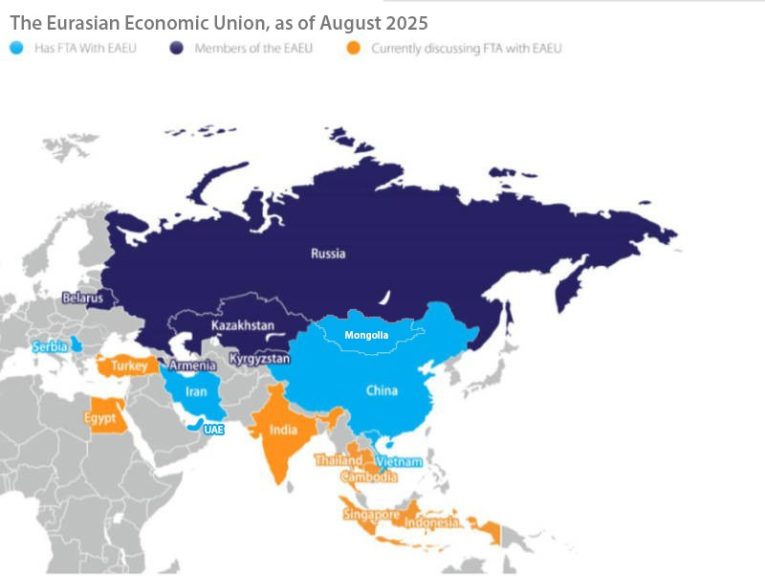
Serpikov added, “The discussion demonstrates the obvious mutual interest of both the EAEU and Tunisia in broadening cooperation. The sides aim to lift trade barriers in mutual trade and see a substantial potential for trade growth.” The Eurasian Economic Union includes Russia in addition to Armenia, Belarus, Kazakhstan, and Kyrgyzstan. It has other free trade agreements with Iran, Mongolia, Serbia, Vietnam, and the UAE and is negotiating similar deals with numerous other countries, including Egypt, India, and Indonesia.

EAEU Map

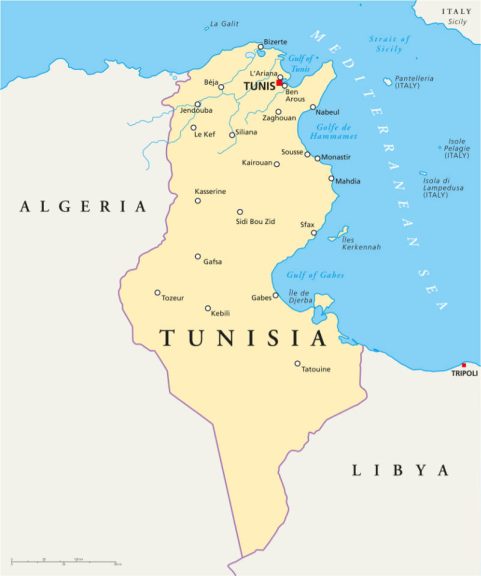
Tunisia is located between the Mediterranean Sea and the Sahara Desert. It serves as a gateway to both Europe and Sub-Saharan Africa. Tunisia’s economy is wide-ranging, with key industries including agriculture, which is a major source of exports, such as olive oil, grains, dates, citrus fruits, and vegetables. The country is also a large producer of phosphates, which are crucial for global fertilizer production. Other minerals like lead, zinc, and marble are mined as well. The textile and apparel industry is another significant sector, exporting clothing to Europe. Tourism plays an important role in Tunisia’s economy, thanks to its cultural heritage and Mediterranean coast. The manufacturing sector includes electronics, automotive components, and food processing. Tunisia is also focused on expanding its energy production, including oil, natural gas, and renewable energy, and its services sector, such as banking, telecommunications, and IT, continues to grow.

Tunisia Map

Tunisia is part of several important trade agreements. As a member of the Greater Arab Free Trade Area (GAFTA), it benefits from reduced trade barriers with other Arab countries. Tunisia is also part of the African Continental Free Trade Area (AfCFTA), which aims to increase trade within Africa. Tunisia has been a member of the World Trade Organization (WTO) since 1995, benefiting from access to global markets. Since 2002, the United States and Tunisia have had a Trade and Investment Framework Agreement (TIFA) in place, which allows American companies to obtain insurance and financing for their businesses in Tunisia, as well as to export goods to that country. Tunisia was one of the first Arab countries to establish economic ties with the People’s Republic of China, and in 2018, the governments of the two countries signed a memorandum of understanding as part of the Belt and Road Initiative. An association agreement between Tunisia and Turkey has also been in force since 2005, and an association agreement between Tunisia and the EU (signed in 1995) has been in force since 1998. Currently, the EU is Tunisia’s largest trading partner, accounting for 67.2% of Tunisia’s exports and 45.2% of its imports in 2024.

With a population of around 12.3 million, Tunisia has a GDP (PPP) of US$122 billion and a GDP per capita (PPP) of US$16,390. The country’s GDP growth is projected to be 1.9% in 2025.

Trade between Tunisia and Russia has increased in recent years and grew about 40% in 2024 to reach about US$2.8 billion. Russia is now a key supplier of wheat, barley, and sunflower oil to Tunisia and has also started exporting powdered milk, meats and fish. Tunisia, in turn, exports dates, olive oil, and seafood to Russia. According to the Russian Union of Travel Industry (RST), Tunisia is considered a growing destination for Russian tourism in 2025, with demand for summer holidays in Tunisia tripling compared to 2024.

Further Reading

Post not found.

Zangezur Corridor A Reopening Of Old Soviet Routes, But Moscow Will Be Wary

Published on August 9, 2025

The opening of the Zangezur Corridor between Armenia and Azerbaijan, dressed up by Washington as the ‘Trump Route for International Peace and Prosperity’ has been announced by President Trump during meetings with Armenian Prime Minister Nikol Pashinyan and Azerbaijani President Ilham Aliyev at the White House. We discuss the background and implications of this.

Nagorno-Karabakh

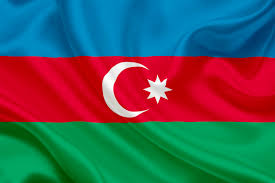
Flag

The arrangement brings to a close the contemporary regional conflicts between Armenia and Azerbaijan. These have included two main areas, firstly the Nagorno-Karabakh region, which had been undergoing conflict for over 30 years with bilateral claims on the region occasionally breaking out into military violence.

Nagorno-Karabakh, claimed by both sides, was part of Greater Armenia (Artsakh) as one of her provinces. In the middle of the 18th century, the territories of Nagorno-Karabakh became part of the Karabakh Khanate. In the early 19th century, as a result of the Russo-Persian War of 1804-1813, the Karabakh Khanate became part of Russia, and in 1822 it was transformed into a province of the Russian Empire. In Soviet times, Karabakh, with more than 90% of Armenian population, was subordinated to the Azerbaijan SSR, with a predominantly Muslim population, “based on the need for national peace between Azerbaijani Muslims and Armenian Christians.” During the Soviet period, the Armenian leadership repeatedly raised the issue of transferring Karabakh under its jurisdiction, but did not receive the support of the allied leadership, while Moscow suppressed any violence between the two sides.

The situation changed after the collapse of the Soviet Union in 1991, when Armenia and Azerbaijan declared independence, and Moscow’s influence weakened. In January 1992, Nagorno-Karabakh declared independence, which marked the beginning of an open armed confrontation between Armenia and Azerbaijan for control of the region. Since then, Nagorno-Karabakh has become a flashpoint between Armenia and Azerbaijan, leading to a war in 2021-22, in which Azerbaijan gained the upper hand. In January 2024, the President of the Nagorno-Karabakh Republic signed a decree on its abolition, and the disputed territory became part of Azerbaijan.

Nakhichevan

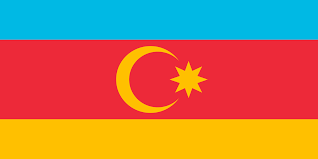
Nakhichevan Flag

In addition to this, Azerbaijan also possesses a narrow strip of land – the Nakhichevan Autonomous Republic which is separated from the Azerbaijan mainland and borders Armenia, Iran and Turkiye.

In medieval times, Nakhichevan was located at the crossroads of the trade routes of the Great Silk Road. The Nakhichevan Khanate was part of Iran, then, after the Russian-Persian War of 1826-28, it was annexed to Russia and merged with the Erivan Khanate into the Armenian region. In 1921, the borders of Nakhichevan were defined between Soviet Russia and Turkiye, and the status of an “autonomous territory under the protection of Azerbaijan was assigned to it, provided that Azerbaijan would not cede this protectorate to any third state.”

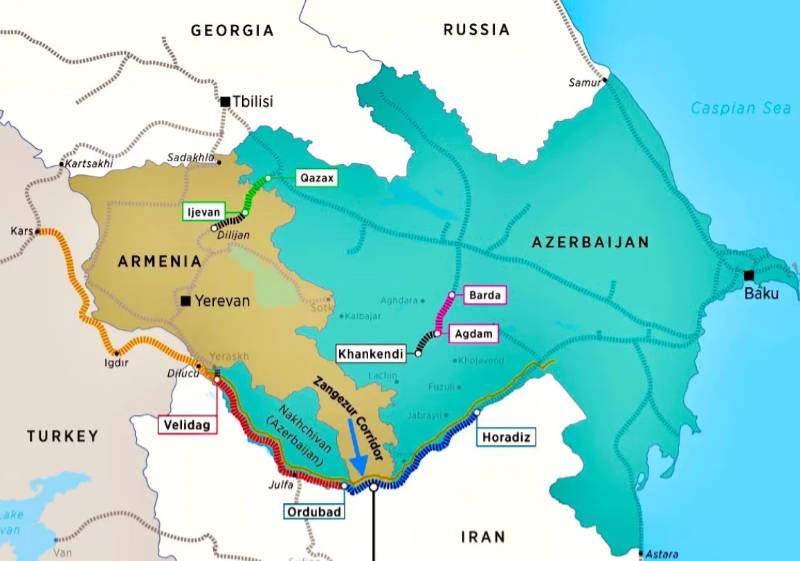
During the Soviet period, transport links between Azerbaijan and Nakhichevan were carried out via the highway and the Transcaucasian Railway. After the collapse of the Soviet Union and the outbreak of the First Karabakh Conflict (1992-1994), the railway line was dismantled, which led to the cessation of land connections between the main part of Azerbaijan and its exclave. Currently, it is possible to get from the western regions of the country to Nakhichevan only by air or through the territory of Iran. The Zangezur Corridor is a transport corridor project with a length of about 40 km through the territory of the Syunik region of Armenia to provide transport links between the western regions of Azerbaijan and its exclave, the Nakhichevan Autonomous Republic.

Zangezur Map

Zangezur

The Armenian and Azerbaijani authorities began discussing the concept of the Zangezur corridor after the First Karabakh War. The idea was again voiced after the Second Karabakh War in 2020, when Azerbaijan took control of a significant part of the territories of Nagorno-Karabakh.

Azerbaijan considers the Zangezur Corridor as a strategic project that will provide direct land communication between the main part of the country and the Nakhichevan Autonomous Republic, which was interrupted more than 30 years ago. Yerevan categorically rejected the concept of the Zangezur corridor in the form proposed by Baku.

Tehran, like Armenia, has expressed concern about the construction of the Zangezur corridor and considers it a potential threat to its national interests and regional influence. Nevertheless, the Zangezur corridor, which will become an integral part of the Trans-Caspian Corridor (Middle Corridor/TMTM) project, may offer shippers a route through Armenia, NAR and Turkey, where new markets will open up for suppliers of goods. China is interested in infrastructure development and investments in this region, as the Trans-Caspian Corridor is a link in China’s Belt & Road Initiative. In this sense, the resumption of the route may be beneficial to Moscow, as it can also be integrated into the International North-South Transport Corridor between Russia and Iran, with onward transit to the Middle East, East Africa and South Asia.

However, relations between Moscow and Armenia have cooled in recent years. Armenia, which is a member of the Eurasian Economic Union, has also expressed interest in joining the European Union – ir cannot be a member of both. .

It has also stopped participating in the Collective Security Treaty Organisation (CSTO) which includes Russia and is designed to provide Caucasian and Eurasian security and assistance. Without that CSTO relationship with Armenia, Moscow is not in a position to provide security along the Zangezur Corridor. Moscow’s relations with Azerbaijan have also cooled. That has left the door open for a rather odd relationship between Armenia, Azerbaijan and the United States, with Turkiye and China also in the wings as they want trade connectivity. 

Trump’s ‘Route for International Peace and Prosperity’ is a signed guarantee between Armenia and Azerbaijan that they will cooperate on developing the Zangezur Corridor and have accepted US (as opposed to Russian) security forces to assist with its management. That apparently will be provided not by the US military but by an as yet unnamed independent contractor. This is a new solution to an old problem, but not everyone is happy – including the new signatories. Yesterday, (August 8), the press secretary of the Prime Minister of Armenia, Nazeli Baghdasaryan, stated: “All statements and publications that Armenia has agreed, agrees or will agree to corridor solutions simply do not correspond to reality.” That does not bode well for Trump’s plans.

The Russian side will also be wary of increased US undercover military involvement along the route, and are especially concerned about the pro-European geopolitical route Armenia is taking. Along with neighbouring Georgia to the west, political uncertainty continues to divide the south Caucasus with decades-long attempts to bring them into NATO and the European Union.

Russia needs the Caucasus nations onside as they are an important supply-chains through to Europe and Turkiye via the Black Sea and the new INSTC routes, with onward connectivity to other regional markets.

The paradox for Russia is that while on the face of it, improved Zangezur connectivity is a positive for Moscow, any underlying political moves to further push the south Caucasus away from Russia could itself become a geopolitical and possibly military hotspot. Georgia in particular is at risk of becoming another Ukraine – Moscow has already indicated that the country is a red line that NATO should not cross. Nonetheless, with the west having had its nose bloodied in Ukraine, we suspect there is not much incentive right now to engage further with Russia in another regional military conflict.

On the face of it therefore, the Zangezur Corridor project is a good thing – but US involvement is untried, inexperienced, and may well mean that if it is not successful or overstretches its trade transit remit to further destabilise the south Caucasus – then Moscow may once again have to become involved.  

Further Reading

Post not found.

Russia, UAE Trade, Investment & EAEU Free Trade Agreement: August 2025 Update

Published on August 8, 2025

The Russian President, Vladimir Putin, has met with President of the UAE, Sheikh Mohammed bin Zayed Al Nahyan in Moscow. 

Putin stated “I am delighted to see you once again in the capital of Russia. We attach special importance to our relations with the United Arab Emirates. For Russia, the UAE is a friendly nation, and we have been maintaining contacts at a high political level. There has been upward momentum in our economic ties, including both trade and investment. In fact, mutual investment has been on the rise.

Let me note that Russia has been investing significantly more in the United Arab Emirates than vice versa. In fact, our investment is almost double the amount invested by the UAE here. That said, we recognise that your sovereign wealth fund and the Russian Direct Investment Fund have been quite effective in forging closer ties. Thank you for trusting Russian specialists in investment. We keep a close eye on this sector, which has been delivering tangible results.

Humanitarian cooperation between our two countries has been good too. I am referring to our contacts in education and culture. I know that you have been interested in Sirius, our Sochi-based centre for talented youth, and how this operates. It has come to the attention of your family members who travelled to Sirius. I do hope that we will make further strides in developing our relations along this track.

Of course, we should exchange views on regional developments and international security during today’s meeting. Our two countries have been proactive in working together in various formats, starting with the United Nations, and the UAE has recently joined BRICS as a full participant. The UAE has also signed a trade agreement with the EAEU, which I believe contains a positive decision on 85% of our bilateral traded product categories, with many customs duties reduced to zero.”

Sheikh Mohammed bin Zayed Al Nahyan replied “Relations between our two countries have been gathering momentum in recent years. We are pleased with the way these relations have been developing in their current form. Trade between Russia and the United Arab Emirates has reached US$11.5 billion. In terms of our trade with EAEU countries, this figure has reached US$30 billion. We would like these results to double within the next five years, both in terms of our bilateral trade and our relations with the EAEU countries.”

EAEU Map

The UAE-EAEU trade agreement was signed off by Russian Economic Development Maxim Reshetnikov and UAE Minister of Foreign Trade Thani bin Ahmed Al Zeyoudi on Wednesday (August 6). The EAEU includes Russia along with Armenia, Belarus, Kazakhstan, and Kyrgyzstan and fills a geographic space between eastern Europe and western China.

Reshetnikov said that “The agreement will give a fresh impetus to the positive and mutually advantageous cooperation between Russia and the UAE. It will promote broader bilateral trade and economic cooperation through trade in services, trade diversification, and bolstered cooperative ties. There will be no restrictions on operations of Russian service suppliers and investors in areas as computer services, research and development, technical testing, technical consulting, computer backup in air transport, repair of ships and aircraft, rail transport, management, educational and legal services. Russian companies will be guaranteed the possibility of opening subsidiary banks, healthcare establishments and news agencies with 100% Russian capital in specialized free areas of the UAE.

It applies to a vast range of products in our trade, and the key task for 2030 is to increase trade volumes by 40%. Another important step to help achieve this goal is today’s agreement on free trade in services. The UAE market, the market of services to be exact, traditionally has rather strong protection by barriers. By today’s agreement, the UAE opens 64 sectors and sub-sectors to our services industry. It also unlocks the insurance sector, which is highly relevant to us, considering its relation to maritime and air transport services.

At the same time, the Russian Federation has opened its markets to UAE companies in 12 sectors, those related to aircraft leasing and services, meaning boosting trade. Trade in services accounts for almost US$14 billion in our bilateral turnover. This is a highly significant number, and we are also hoping to double it roughly by 2030-2031.”

The liberalisation of the UAE finance and insurance industry sectors to Russian investors is a significant development considering the western sanctions Russia has been subjected to in precisely these areas. It will help accelerate alternative financial flows between Russia and Asia and may assist alleviate the re-insurance sector in shipping. The EU is particular has been targeting Russian ships with sanctions. The overall services sector – which is considerable in the UAE, will also be of interest to numerous Russian investors, including in the professional services industry as well as the logistics sector. This will also help with trade development with Iran, UAE’s neighbour, itself a full BRICS partner with an EAEU free trade agreement. 

UAE Map

Russia and the UAE are also working on developing their mutual aviation and maritime transport sectors. The UAE is a key part of the International North-South Transportation Corridor (INSTC) and facilitates freight transit between Russia, the Middle East, East Africa and South Asia. 

In air passenger traffic, Russia’s Transport Minister Andrei Nikitin said “Air transport levels grow every year, and we already see this year’s statistics exceeding last year’s by about 20%-25%, anticipating another annual record. Expectations are very positive. If we agree and open several more Russian airports to Emirati airlines, these statistics will only improve.”

A total of 1.35 million passengers were transported between the countries in 2024, while nearly 750,000 were carried in 5M 2025.

Russia and the UAE are also working on maritime transport, with improvements to the regulatory framework in this sector ongoing.  

Further Reading

Post not found.

Russia, Malaysia Bilateral Trade, Nuclear Energy, & Investment: August 2025 Update 

Published on August 8, 2025

The Russian President Vladimir Putin has met with the current Malaysian Head of State, Sultan Ibrahim Iskandar of Johor, in Moscow. Malaysia is a constitutional monarchy, with nine Sultans each rotating the position as Head of State for five year terms. The Head of State is titled “Yang di-Pertuan Agong” with Sultan Iskander having been in the role since 2024.    

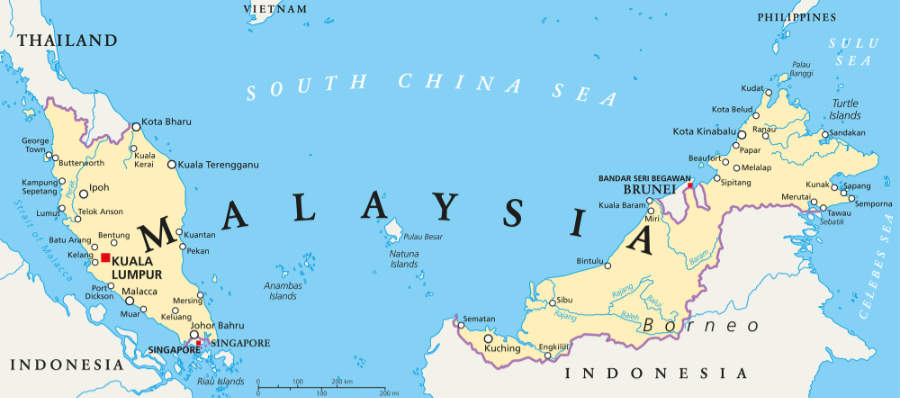
Russia and Malaysia have been accelerating their relations, with Malaysia discussing nuclear power needs and joining the BRICS as a Partner State. Trade has also been increasing, with Russia’s Foreign Minister, Sergey Lavrov, visiting Kuala Lumpur in July.

Putin stated “Our trade is growing at an impressive pace. I note that bilateral trade grew by over 40% in the first five months of this year. Russia and Malaysia cooperate on various international platforms, including the United Nations. It is well known that promoting dialogue with the ASEAN, which Malaysia chairs this year, remains one of Russia’s key foreign policy priorities in Asia.

We were pleased to support Kuala Lumpur’s interest in joining BRICS as a partner state – a landmark step that will benefit both our bilateral relations and the future of BRICS. Your country’s contributions to the recent summit in Rio de Janeiro were highly commendable.

We also appreciate Malaysia’s active participation in the Russia – Islamic World strategic vision group, which has become an effective tool for fostering mutual understanding and cooperation between Russia and Islamic nations.”

Sultan Iskander stated “It is my great honour to meet you here in Moscow. It has always been my dream to meet you in person. I admire your leadership. You have steered Russia through significant and often challenging moments. You have proven yourself as a statesman in times that demanded strength, vision and resilience.  

Our diplomatic relations span more than five decades, having been formally established in April 1967. I am reminded that Malaysia was among the earliest ASEAN nations to establish ties with Moscow. For Malaysia, Russia is a trusted and important partner. This state visit is, therefore, a reflection of my sincere wish to reinforce our relationship and cooperation. As a Russian saying goes, friendship is more valuable than money. It is the spirit of friendship, I believe, that will continue to shape the direction of the relationship between our two nations for the benefit of our people.”

Nuclear Energy

FNPP image

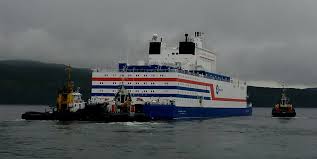
Meanwhile, Russia and Malaysia have begun working on an intergovernmental agreement on deliveries of floating nuclear power plants (FNPP), according to Alexei Likhachev, the CEO of state nuclear corporation Rosatom. He said that “We are preparing an intergovernmental agreement that will describe all mutual relations. They really want the FNPP. The Malaysians will select the electricity supply model, not construction of a nuclear power plant there or the transfer of a unit to them, but the construction of a floating nuclear power plant and sale of electricity directly off the side to Malaysia’s consumer grid. The Malaysians are choosing floating NPPs with capacity of 100 MW each and a fuel cycle of up to seven or eight years, essentially floating batteries. They can be built here in Russia and shipped there for use.”

Nuclear cooperation with Malaysia is developing rapidly, with interest Russian FNPPs was first being discussed a few months ago. Putin also held talks with Malaysia’s Prime Minister Anwar Ibrahim in May, with Kuala Lumpur selecting specific technologies for transmission of electricity.

Russia is a world leader in the operation of floating nuclear power plants. Rosatom built the world’s first such plant, the Academic Lomonosov, which has been operating successfully in Pevek, Chukotka since May 2020. The floating generating units are built at shipyards and can be delivered by sea to any location in the world with a coastline.

Malaysia Map

The advancement of nuclear energy is becoming increasingly relevant for Malaysia, as the company expects electricity demand to grow by 2030 amid the development of data centers and industrial clusters.

Malaysia is one of Asia’s largest semiconductor exporters with an annual volume of US$8.7 billion. The electronics sector contributes almost 6% of Malaysia’s GDP, with about a third of Malaysian exports to Russia being electronic goods. Malaysia has a developed auto industry, in particular the Proton and Perodua brands. In 2022, the country produced more than 790,000 cars – more than Russia.

Russia imports mainly agricultural produce such as palm oil, rice, and fruits from Malaysia, while Russia exports mainly energy resources, such as oil and gas, along with metals and chemical products to Malaysia.

Russia-Malaysia bilateral trade reached US$2.48 billion in 2024, with Putin’s comments suggesting an increase in this to about US$3.5 billion for 2025. 

Further Reading

Post not found.