The Central Bank of Russia has set the minimum annual income threshold for obtaining the status of a Qualified Investor at ₽12 million (@US$150,000) according to Mikhail Mamuta, Head of the Russian regulatory body for the Protection for Consumer Rights and Ensuring the Availability of Financial Services. He was speaking on the sidelines of the NAUFOR Russian Stock Market 2025 conference.
The Qualified Investor status must be accompanied with educational criterion, an academic degree, or by passing a complex test.
QI Status
In order to obtain the status of a “Qualified Investor” in Russia, an application must be submitted to a broker, management company or trustee. From 2025, similar circumstances will also apply to forex dealers. The application the intermediary company requesting the investor to complete should be accompanied by documents confirming the right to getting such status. There is currently no unified register of qualified investors, meaning Russian brokers must validate and do their due diligence on prospective individuals.
To provide safeguards, a professional intermediary that allows a transaction with a complex instrument to be conducted by an unqualified investor may be deprived of its business license. If a stock market participant obtained the status unlawfully, conducted a transaction with an instrument of increased complexity and suffered a loss, they may demand compensation for financial losses from the broker. The broker is obliged to repurchase assets at their purchase price and compensate for the withheld amounts of transaction commissions. If the reason for the unlawful assignment of the status is the provision of false information or forged documents by the investor, any losses will not be reimbursed.
Russia’s Savings Market
The domestic Russian investor market has acquired a substantial financial pool of investment grade capital due to it being essentially cut off from Western financial services. Giving that capital the relevant outlets to help finance and develop the Russian economy is a key domestic strategy, as Russia continues to develop infrastructure projects on a national basis to assist with the pivot to the global south and non-Western markets. Many of these are Russian domestic projects, while others are key cross-border infrastructure requirements, such as infrastructure with China for example. Russia is keen to get Russia’s substantial private capital into financing its national development, such as via stock market listings.
Russian domestic savings, measured by the gross national savings rate, are forecast to increase between 2024 and 2029, averaging 28.95% in 2029 despite recent fluctuations. This suggests a trend of increased savings within the Russian economy. Additionally, household savings as a share of disposable income have shown a stabilization in savings behaviour, alongside increased attractiveness of bank deposits and real estate.
To compare, the current gross national savings rate in the EU is currently 12.7% and in the United States 17.2%. Russia’s gross national savings rate was 30.4% in September 2024.
Russia intends to introduce wool auctions and include wool among exchange-traded commodities to regulate and structure this market segment, according to Kseniya Bobyleva, deputy director of the Department of Light Industry and the Timber Complex at the Russian Ministry of Trade and Industry. She was speaking at the 25th Russian Exhibition of Pedigree Sheep and Goats which has been taking place in Dagestan.
Bobyleva said that comprehensive adjustments are currently being made to state approaches for regulating the wool market to eliminate excessive intermediaries and ensure trade transparency. She stated that “To address this situation, we plan to implement wool auctions and subsequently include wool among exchange-traded commodities, primarily for external markets, to make this trade transparent and understandable for all participants. This approach may not appeal to everyone, but as we see it, such cooperation cannot be established otherwise.”
A register of light industry enterprises engaged in wool processing has been compiled to connect consumers with producers, she said. A similar register of wool producers is expected to help processors identify sources for this valuable commodity.
Last year, a new roadmap for developing advanced wool processing was approved, she said. One long-term objective of the program is increasing domestic wool processing volumes from the current 13,000 tonnes to 20,000 tonnes by 2027.
Animal husbandry requires attention and some stabilisation mechanisms due to the impact of global warming and the potential for increasingly erratic weather conditions. Adding mechanisms such as futures contracts, which protect producers by guaranteeing certain price levels related to market demand can assist in catering for these variables. Stability is important as a way of protecting an agricultural mainstay employing millions of workers in different disciplines, from shepherds to designers.
China is the world’s largest wool producer, followed by Australia and New Zealand. Russia is currently the world’s ninth largest, but has eyes on breaking into the top five. The world’s top ten wool-producing countries accounted for 69.6 % of all global wool supplies in 2022.
Russia’s FESCO shipping has completed its first direct ship call to Ho Chi Minh City, on Vietnam’s east coast. The service operates on FESCO’s Baltorient Line (FBOL) service, which takes in St. Petersburg, as well as ports in India and China. The transit time from St. Peterburg to Ho Chi Minh City is about 34 days. The route uses FESCO’s own assets and transits via the Suez Canal without calling at any European ports.
FESCO’s container ship arrived at the SP-ITC terminal in Ho Chi Minh City on May 2, and left the same day for Shanghai. FESCO established its Vietnamese operations late last year.
Herman Maslov, Vice President of the FESCO Line Logistics Division said that: “A few years ago, we successfully connected Vietnam’s ports directly with Vladivostok. Now, in order to optimally distribute container flows, we are connecting Vietnamese terminals with St. Petersburg. The first ship call of our container ship to Ho Chi Minh City as part of the FBOL line has demonstrated that this can be a popular destination for shipping goods from Southeast Asia to Russia and back.”
The rotation of the service includes the key Chinese ports of Qingdao, Lianyungang, Shanghai, Ningbo, Yantan, as well as the Indian ports of Navasheva and Mundra. In addition, the FBOL service is connected to ports in Malaysia, Thailand, Indonesia, South Korea, the United Arab Emirates and other Asian countries via feeder connections.
Vietnam has a free trade agreement with Russia via the Eurasian Economic Union and is also a BRICS partner state. The two countries have plans to increase bilateral trade to US$15 billion by 2030.
The Russian Foreign Minister, Sergey Lavrov, has given an interesting speech and held a Q&A session with the Diplomatic Club in Moscow, which includes attendees from the Russian Foreign Ministry academy, Russian Regional Governors, and Foreign Ambassadors. The event was the first to be held since the covid pandemic.
In a wide ranging presentation, Lavrov discussed the art of diplomacy, its current failings, geopolitical developments in the Middle East, Eurasia, and European Union, Eurasian Security, the concept of Sovereignty, the development of Artificial Intelligence, Tourism, Russophobia, the role of the United Nations, and the Istanbul Peace talks. It is a useful introduction to Russian foreign policy and how Moscow sees its current struggles within what it perceives as having become an unbalanced global order. This is what he had to say:
“It is a pleasure to welcome you on this wonderful occasion.
The Diplomatic Club
The Diplomatic Club has resumed its activities. We used this format for quite some time, and it was very popular. Then, the covid pandemic broke out followed by post-pandemic inertia. After the special military operation had begun, we introduced the Minister’s meetings with Foreign Ambassadors to clarify our Ukraine crisis-related actions. We have held eight such meetings so far, and the ninth one will be held soon.
It is gratifying to see the full-fledged work of the Diplomatic Club resume. It will focus on a wide range of issues that are of interest to you. Our expert community, academia, cultural and artistic figures, and, of course, representatives from Russian regions will take part in the club’s meetings. I’m pleased to see Nizhny Novgorod Region Governor Gleb Nikitin, who pays great attention to external factors in his region’s development and to strengthening ties in the context of our foreign policy.
We want everyone who works with the Foreign Ministry’s Diplomatic Academy engage in these activities. This platform gave birth to the Diplomatic Club’s traditions. I would like to thank Acting Rector Sergey Shitkov and everyone else who made this event possible, as well as VEB.RF, for providing the opportunity. Russian business is a very important part of your work in the Russian capital. We will do our best to ensure that business diplomacy helps you better understand the tasks set before you by your leadership and determine the most effective ways to fulfil them.
I would like to make a brief introduction and then we will have an interactive dialogue which is the most engaging part of any back and forth with the audience.”
The Future Of Diplomacy
“Contrary to the predictions of futurists, the diplomatic profession continues to be highly relevant. This is becoming ever clearer each day. True, they say that artificial intelligence is hot on our heels. But a diplomat’s heels are sturdy and certainly not an Achilles’ heel. For a true diplomat, no artificial intelligence will ever replace your natural intelligence, intuition, experience, and erudition. The erudition of artificial intelligence is somewhat different, and we’ve all had the chance to see what it is.
Only a living person with real-world experience and knowledge can find creative solutions. That is what diplomacy is all about. There are many creative and innovative solutions of that kind that are grounded in strong principles and a balance of interests to prevent the recurrence of crises. Everyone is focused on Ukraine in light of the developments unfolding in Istanbul. But let’s not forget the Gaza tragedy and, more broadly, the tragedy of the Palestinian territories and other Middle East issues created by the aggressive policies of NATO countries that resort to armed force without thinking twice as soon as they spot something or someone that’s not to their liking.”
Iraq, Libya, and Yemen
“Iraq was laid to waste and later it became clear that it was destroyed for no reason at all, because there were no weapons of mass destruction in that country. The upshot? Tony Blair expressed regret in his memoirs, and that was it. Libya was destroyed merely to take revenge on Muammar Gaddafi for his independent policies and to cover up the fact that he provided funding to a presidential candidate in France. The candidate, who later became president, was very keen on hiding the evidence that he had received money from a foreign country. These examples abound. All of that was done under dramatic declarations about upholding democracy, human rights, and other such things.
In addition to ongoing crises, I would like to also mention Yemen and the situation involving the Houthi movement. There are situations that call for negotiating skills. Consider the Iranian nuclear programme, or a host of other issues arising from geopolitical transformation and competition where ambitions collide. Take the current developments in the Asia-Pacific region which the West is now calling the Indo-Pacific region in order to impart its policies a clear anti-China slant. In doing so, the West hopes to pit our great friends and neighbours, India and China, against each other. This is the divide and conquer policy, which President Vladimir Putin mentioned recently.”
Asia Pacific & ASEAN
“The Asia-Pacific region is home to some of the most important geopolitical spaces, such as Central Asia. A great number of diplomatic processes are unfolding around it. The C5+1 format has been established with more than a dozen countries showing the sheer number of those who are eager to build relations with our Central Asian friends.
Consider what is happening in and around Southeast Asia. Just like in every other part of the world, our Western colleagues want to play the leading role here as well and to undermine the centrality of ASEAN, which has been universally accepted for decades. ASEAN’s role was based on creating a unifying regional space with its dialogue partners in politics, military cooperation, and defence. All of that operated according to the rules devised and approved by ASEAN members themselves. When joining the format, every dialogue partner solemnly pledged to follow them.
Our Western colleagues are gradually pushing aside rules of consensus and rules underlying the efforts to find common ground in an attempt to lure certain ASEAN members into openly confrontational rather than unifying sets of three or four countries. NATO Secretariat leaders are earnestly saying that, despite being an alliance created for the defence of its members’ territories, they are “compelled” to expand their infrastructure into Southeast Asia, the Taiwan Strait, and the South China Sea, supposedly because these regions now pose direct military threats to the Alliance. Clearly, such claims are pure fantasy of a rather unseemly nature.”
Iran & The Middle East
“Of course, there are regional processes as well. I mentioned the Iranian nuclear programme, but there are also ongoing processes between all coastal states of the Gulf, namely, Iran and the Gulf Cooperation Council, which includes six Arab monarchies. These states are also in the process of normalising relations, which we wholeheartedly welcome.”
The Eurasian Continent
“Eurasia, our continent, is home to great civilisations, China and India. The Ottoman (Turkish: ed) civilisation is undergoing a revival as well. We hope this revival will be harmonised with other sub-regional trends, so that these millennia-old processes do not contradict one another but instead come to fruition as an example of coexistence. There are no other continents like Eurasia, where so many civilisations not only coexist but have retained their identity and relevance in the modern era.
At the same time, Eurasia remains the only continent that does not have its own pan-continental entity. Africa has the African Union. True, they have sub-regional formats as well, but the AU stands above them as a unifying entity. Latin America and the Caribbean also have many sub-regional integration initiatives, but there is also the Community of Latin American and Caribbean States (CELAC), which is a continental entity. Eurasia doesn’t have anything like that. There is a clear need for such a unifying process that can harmonise the interests of many large and truly great powers and civilisations. So far, these types of processes have only been observed in Western Eurasia, and even those have largely been based on Euro-Atlantic concepts such as NATO and the OSCE, which was originally created as a Euro-Atlantic entity. That even includes the European Union which might sound strange, but I will explain.”
The European Union
“The European Union however was created for entirely different purposes. It was created to pool efforts and to promote more effective economic growth among European countries, making it easier to address multiple social problems facing post-war Europe. However, more recently, the EU has also morphed into a Euro-Atlantic construct, and everything it does gets coordinated with NATO. A couple of years ago, a Joint Declaration on NATO-EU Cooperation was signed, under which the EU pledged to provide its resources, including territory, transport infrastructure, and anything else NATO may need should it, for the sake of argument, wish to move more troops and military hardware closer to Russia’s borders. It’s being talked about quite openly.”
Eurasian Security
“With regard to the eastern portion of the Eurasian continent, the President of Kazakhstan, Nursultan Nazarbayev, came up with a valuable initiative to create a Conference on Interaction and Confidence Building Measures in Asia (CICA). This initiative has made notable strides over the years. Now, after many years of Kazakhstan’s leadership, Azerbaijan holds the chairmanship, and the process of transforming the conference into an organisation is underway. This reflects a trend toward unification, which we welcome. Ultimately, though, the goal should be the creation of a pan-Eurasian framework similar to what Africa and Latin America have. It does not necessarily have to be called an organisation. It can be a pan-continental process, as long as it is open to all Eurasian countries without exception, not just those in its European or Asian regions, but every country and association with a clearly discernible Eurasian dynamic.
It will not be an easy process, but one has to start somewhere. Usually, such efforts begin with reflection. We are particularly grateful to our Belarusian friends. A couple of years ago, President Alexander Lukashenko initiated the annual Eurasian Security Conferencewhich has met twice and will meet the third time this autumn. It will be an annual event. In connection with these discussions, Russia and Belarus are proposing the development of a Eurasian Charter of Multipolarity and Diversity in the 21st Century. I would like to emphasise that this initiative is open to all Eurasian countries without exception, including the countries of western Eurasia, when our colleagues from that region are ready to engage in a dialogue without arrogance or condescension, without the rudeness they routinely display towards Russia and other countries. We hope they will eventually be willing to talk on the basis of the principles they once signed on to when they joined the United Nations.”
The Principles of Sovereignty
“The Sovereign Equality of States is a foundational principle. All other principles of the United Nations Charter are absolutely relevant as well. The problem however, is that the West either does not adhere to them altogether as in the case of the sovereign equality of states, or observes them haphazardly. They would pick out one principle that fits their purposes and ignore all others. Everyone knows that in Kosovo they said it was about self-determination of the Kosovars. In the case of Crimea, though, they claimed it represented violation of the territorial integrity. Why is it not a case of self-determination in Crimea, too? There was a referendum in Crimea, but no referendum in Kosovo. Regarding Ukraine, our Western, and some non-Western, colleagues, such as UN Secretary-General Antonio Guterres, with whom I discussed this matter several times, keep saying that they support resolving the crisis based on the UN Charter and territorial integrity of Ukraine.
He is the Secretary-General after all. He is supposed to have read all of the Charter. But what about the principle of self-determination, which came handy in Kosovo, and which the International Court of Justice said was perfectly up-to-date and applicable? The court clearly stated that the secession of a portion of a state and it becoming an independent entity does not necessarily need consent of the central government. It’s written right there. The Secretary-General should not forget about the principle of self-determination. All the more so as he represents a country that was once a colonial power. The process of decolonisation and liberation from the yoke of the colonial power was based on the international legal principle of the peoples’ right to self-determination.
Back in 1970, the UN General Assembly stated that all countries must respect territorial integrity of other countries, but only the countries whose governments observe the principle of self-determination and thus represent the entire population of a territory in question. Did the colonial powers of the mid-20th century represent the peoples of Africa? Of course, they didn’t. Then, their peoples decided that since everything was in alignment and there was the right of nations to self-determination and, ultimately, justice, the colonial regimes that the peoples didn’t want to see in their respective countries stopped being colonial regimes.
Who can claim that the government that came to power in Ukraine in 2014 as a result of a coup represented the people of Crimea or Donbass? Or, that it represents the people who have embraced Russian culture for centuries now? The people whose ancestors built these cities, factories, and ports have now been declared “non-indigenous” people of Ukraine and banned from using the Russian language across all spheres of life. Why haven’t we heard a single voice coming from the West? Whenever the West speaks at the UN or at other venues, and when the issue is about Russia, China, India, Venezuela, Iran, or any country for that matter, human rights are always part of their unending lectures.
Just for the sake of it, go online and read everything you can find posted there since 2014 concerning Western leaders criticising Ukraine on human rights grounds. You won’t find any such information online. Our friends from Hungary might have consistently defended the rights of the Hungarian ethnic minority and issued statements to that effect. However, those who claim to be the leaders of the “free world” – France, the UK, and Germany, not to mention Poland or the Baltic states – never have. Nor has the European bureaucracy, including President of the European Commission Ursula von der Leyen and the likes of her. When we urge everyone to observe the UN Charter principles, including the principle requiring to uphold human rights regardless of race, gender, language, or religion – language and religion are precisely what was outlawed in Ukraine – when we say ask them to use their influence on their clients at least in the morning hours when they wake up and are still capable of making out what they are being told, and to demand that they repeal these laws, the only thing President of the European Commission Ursula von der Leyen, EU High Representative for Foreign Affairs and Security Policy Kaja Kallas, and others have to say is that Ukraine is defending European values. That’s all. This means Europe supports Nazism, because Nazism thrives in Ukraine. It has been legalised through public holidays honouring collaborationists who fought on the side of Nazi Germany.”
Ukraine
“Why am I speaking about this in such great detail? Many in Europe have recently become quite agitated with regard to the meetings in Istanbul. I close with what we started with. First, Zelensky made some statements saying he wanted President Putin to attend talks in person. Zelensky is a pathetic figure. Everyone – except him and those who pull his strings – is clear about where things stand. His overseers told him not to act foolishly, because talks are necessary.
Over the past three or four days, the West has pushed the word “ceasefire” back. We provided detailed clarifications. French President Emmanuel Macron gave an interview three days ago in which he said that talks and meetings were indispensable, but a ceasefire should be front and centre, and Ukraine must negotiate from a position of strength. That’s a straightforward answer. It’s a wholehearted confession of what they need a ceasefire for. It is to pump weapons into Ukraine for it to get ready for talks from a position of strength.
President Macron was informed that this was not at stake at that point. The Americans supported our President’s proposal to give talks a chance. No one can guarantee that things will go smoothly and without a hitch. On the contrary, problems are inevitable, just like three years ago in Istanbul, when the already-initialed principles were ready to be put into a formal agreement, but the British told the Kiev regime to terminate the process which could have led to a settlement. Britain is walking Zelensky through the jungle of international politics this time again. A national security adviser to the UK Prime Minister has even been seconded to Zelensky to make sure he doesn’t say something he shouldn’t say and ruin beyond repair his own reputation, as well as the reputation of his coaches.
They say something must be done quickly, because the United States wants results, and there is much more on its agenda than Ukraine. The most straightforward approach would be to refer to the UN Charter which says something about human rights, including language and religion, and a number of conventions on the rights of ethnic minorities that Ukraine has signed. These conventions were signed under the auspices of the UN and the Council of Europe. In addition, Ukraine’s Constitution mandates respect for the rights of the Russian minority (which is explicitly highlighted) and other ethnic minorities in education, media, and everywhere else. This would be the most straightforward approach that would set aside the ongoing war and the fact that Ukraine is under pressure from the West, China, Brazil, Africa, or any other country, or a group of countries.
So, why haven’t the Western handlers of the Kiev regime advised or even insisted on Ukraine repealing all laws that violate the UN Charter, international conventions, and Ukraine’s own Constitution? That would have been a tangible result. It wouldn’t cost the Americans or Europeans anything to do so. Washington has always promoted the human rights agenda. What needs to be done here is to normalise the regime. It is not a concession. It’s about fulfilling the commitments that they once signed, and other people believed that they did so in good faith.
I’ve talked longer than I planned. Let’s switch to an interactive mode.”
Q&A Session
Tourism
Question: “We’ve covered extensively the influence of soft power through the lens of tourism. Here’s my question. Patriotic tourism is not about history, but rather modern-day reality. I’d like to know whether the Foreign Ministry has anything on its mind to bring more visitors to our major museums. I’m asking this because, as we know, our Western partners claim they won World War II, whereas, in fact, we did. We were first in space. I visited the Atom Museum, a state-of-the-art museum harnessing innovation. We would like our foreign partners to know and recognise that Russia is the technological and cultural engine of the world. Through the lens of our modern museums, such as the Atom Museum and the Cosmonautics and Aviation Centre, we want the world to see us precisely as the driving force pushing humanity towards a bright future.”
Lavrov: “I think ambassadors, by virtue of position, can be expected to show interest in ensuring that the citizens of their respective countries – especially its leaders – know more about the history of the country in which they are accredited.
There are many representatives of the diplomatic corps in the audience. As far as I understand, they are well aware of the importance of this work, beyond the fact that any rational person is naturally interested in learning more about history. It is also important because that knowledge can be applied in practice.
History repeats itself, and not necessarily as farce. Sometimes, it repeats itself as a lesson that can provide ideas that can be used today. It’s hard for me to come up with something off the top of my head. If you have anything on ways to hold special events for ambassadors, we do have some practical experience in this regard. We don’t usually suggest group visits to museums, but we do organise trips around the country. Several times a year, we announce travel routes, and ambassadors who may be interested form groups. These trips include meetings with regional leaders, visits to core enterprises of a particular region, and sightseeing tours featuring spectacular natural landscapes and cultural landmarks.
I hope that patriotic tourism includes more than monuments related to Victory in the Great Patriotic War, and also includes broader history of our people which is expressed in a variety of forms, such as architecture, fine arts, and the beauty of nature.
A year ago, Nizhny Novgorod Region Governor Gleb Nikitin joined the ministry in holding a BRICS Foreign Ministers’ Meeting. The delegates will never forget what saw in Nizhny Novgorod.
I hadn’t been there in a while and was inspired by transformations that had taken place in that city. Importantly, the approach to renovating it was clearly delicate. It’s becoming a modern city while efforts are being made to preserve its historic character and spirit which permeates the natural surroundings, churches, and many other sites in that part of Russia. So, we are entirely supportive. If you have suggestions based on your experience on how to further encourage the diplomatic corps to travel around the country, please do share them.
Before the conference began, I was told that the collection of the Nizhny Novgorod art treasury is being expanded. Mr Dudakov is kindly showcasing a portion of it here. Of course, that will also serve as a magnet.”
Question: “We maintain close cooperation with both legislative and executive authorities. I have recently observed an initiative regarding requests from friendly nations, particularly in Africa and beyond, concerning tourism. You mentioned organising visits for diplomats to various regions. This could be expanded into a more substantive initiative. Perhaps, as one option, we might establish more systematic engagement – a more comprehensive “cross-pollination” – by reviving the Government’s Tourism Coordination Council, which could include diplomats… No, would that not be feasible?”
Lavrov: “You should consider a career in diplomacy. You began with what seemed a straightforward question about diplomats travelling across the country, yet now you are effectively lobbying for your interests within the Government.”
Question: “There is genuine demand from foreign states to observe how tourism functions in Russia and to establish B2B cooperation. I am familiar with this matter, having delivered lectures at the Russian State University of Tourism and Service in 2024 specifically for BRICS representatives. I understand this issue from the inside. Today, colleagues mentioned this existing demand. Work is already underway in this regard. Perhaps we could simply make it a more structured, measured agenda, integrating existing efforts.”
Lavrov: “Tourism falls under the purview of the Ministry of Economic Development. Our (Foreign Ministry) role does not extend to these matters; rather, we facilitate optimal conditions – to the extent possible – for diplomats (ambassadors and their staff) to operate within the Russian Federation. We are keen for them to gain deeper insight into our country. That is our remit.”
Question: “Understood. When they visit the regions, it would be beneficial if they could engage beyond just…”
Lavrov: “So they might advocate for establishing a tourism ministry?”
Question: “Rather, to better understand the potential. For diplomats, this could serve as a gateway for their countries business interests.”
Lavrov: “Governors would consider it both a privilege and an honour to arrange itineraries. It is in their interest to showcase their region’s potential. From this perspective, there is no shortage of resources.”
AI
Question: “Early on during your presentation, you mentioned artificial intelligence. There are many questions about it. Perhaps, we could have a discussion about AI as part of club activities. I have a sense that the issue isn’t only about AI inadequacy, but about a clash of perspectives between my generation and the younger one. It would be interesting to hear experts discuss this, since I share your views on diplomacy and artificial intelligence.”
Lavrov: “I also find myself thinking occasionally that times are changing, and today’s youth and even children see things very differently. Many things that were science fiction to us when we were their age are now as commonplace as breakfast cereals for them, and they can’t do without them.
Speaking about how new generations create new ways of life, who knows, maybe today’s toddlers, who are using iPhones, smartphones, and Huawei phones as if they were born with them, will one day, 50 years from now, meet up and say “We used to have artificial intelligence. Now we barely have intelligence at all.”
It’s an important topic. We have a Department of International Information Security at the Ministry, which deals with cybersecurity. But that’s a narrower field compared to artificial intelligence. We want to reform this department. We will hold a dedicated meeting of the Foreign Ministry’s Board within the next 30-45 days. My staff is working on it.
This issue touches on critical matters like national security and development. It’s no coincidence that President Vladimir Putin said a couple of years ago at the economic forum that whoever leads the artificial intelligence efforts in practical fields will be the global leader.
I think there will be several such countries. AI needs to be utilised in diplomacy. In the past, you had to do lots of legwork. When I started my career, I had to run from office to office. A typist would type something for you and, God forbid, made a typing mistake. She would then have to white it out and correct the typo. Sure enough, working with a live typist is better than working with any kind artificial intelligence. That has to be acknowledged. But it was a long and drawn out process. Now, things happen instantaneously. Any information you may need is at your fingertips, which is something to be appreciated. This process should be continuously improved.
But once you’ve found what you need – I mean facts from past history, or even recent events such as the Ukraine crisis origins – you need to engage your brain. These days, we often have to remind the French, the Germans, and the British – who outright lie – about the facts.
Just a month ago, French President Emmanuel Macron said that President Vladimir Putin refused to implement the Minsk Agreements. The narrative was flipped just a couple of years after the fact when Macron’s predecessor admitted that they never intended to implement them. So, being able to retrieve these facts and refresh your knowledge with the press of a button without having to dig through files and thousands of pages is crucial. But once you’ve done that, your brain needs to go to work.”
Russophobia / Racism
Question: “I am aware of Russia’s contributions to sport, culture, and science. What I do not understand is the nature of Russophobia – the West’s animosity towards Russia. We observe that Russophobia, or hatred, is already a symptom. In your view, what explains such behaviour or approach? It is evident that they perceive us – the Africans – as a “lower” race. However, you are white-skinned, akin to them. You are intelligent; you advance science and sport. Why such animosity towards you? I wish to understand.”
Lavrov: “There are numerous theories on this matter.
I have cited historical examples. Napoleon, the great Emperor of France, amassed virtually all of Europe into his army to assault the Russian Empire. We are all aware of how that concluded.
Following the First World War, it is said that Germany was aggrieved and humiliated – seeds were sown for it to seek revenge. However it transpired, what is significant is the result. Once again, it mirrored Napoleon’s campaign. Virtually all of Europe was rallied under the banners of the Third Reich that launched an assault on the Soviet Union. And it was not solely the Germans – nearly all European nations participated. The Spanish, the French, all partook in the siege of Leningrad. Nearly every major European country, which had capitulated to Adolf Hitler and failed to defend their own homeland, was sipping coffee on the Champs-Élysées.
France had illustrious figures – we recently commemorated Charles de Gaulle and those who led the Resistance movement. In November 2024, we marked another anniversary of the distinguished Normandie-Niemen Regiment. These are matters we hold dear. Those were individuals who, defying the authorities of their own countries, joined the Resistance. They were the ones who upheld the national pride of France itself.
Today, we observe nearly the same circumstances. The Joe Biden administration likewise united all of Europe – adding to this coalition its Asian satellites, Japan and South Korea, which it regards as compliant executors of its will – and directed all these states against Russia. Primarily, of course, through financing the Kiev regime, supplying it with the most advanced armaments, including for strikes deep into Russian territory. All this, too, unfolds under Nazi slogans. The most “seasoned” combat units of the Ukrainian armed forces, as they term them, are Nazi battalions – Azov, Aidar (recognised as terrorist and prohibited in the Russian Federation). They are now lifting up their heads, and Vladimir Zelensky fears them. They openly display Nazi insignia, flags, tattoos. In Ukraine, torchlight processions continue in honour of the birthdays of Stepan Bandera, Roman Shukhevich, and other traitors who executed Russians, Poles, and even Ukrainians themselves. When we speak of de-Nazification, this is what we also imply.
But why does this occur? Why is the West so unyielding in its quest to inflict a “strategic defeat” upon us on the battlefield? Perhaps they resent the fact that Russia is independent.
Currently, Europe and the United States are diverging in their perspectives. The Trump administration, of course, also aspires to make America exclusively great and solely number one. Any US administration would advocate such a stance. At least the current administration has returned to normalcy, where, irrespective of the contradictions, politicians – and especially diplomats – must engage in dialogue. Even during the Cold War, when there were utterly irreconcilable differences, dialogue was consistently maintained. Yet the previous US President Joe Biden simply terminated it. And obediently, all of Europe followed suit. Relations were severed not diplomatically, but practically.
I was astonished when, a year ago, under the Biden administration, new ideas were being deliberated. There were various events in the European Union – summits, meetings of foreign ministers. They adopted some texts concerning Ukraine.
Previously, we convened Russia-EU summits twice a year. We also regularly held meetings with EU ambassadors every six months (just as we engage with ambassadors from the African Union, and soon we will host events with Latin America, Asia, the CIS, our immediate neighbours). We invited all EU ambassadors and a representative of the European Council to a special meeting with the Foreign Minister to discuss Ukraine and address any questions. They collectively refused. I am saying this not because I am so proud, resentful, or vulnerable. Yet, when you serve in any country and the foreign minister invites you to an open dialogue, [and you refuse], you are no longer an ambassador – you … (I know some words, but…) This is a disgrace for any diplomat. Hence, we currently refrain from engaging with them. They likewise avoid engagement with us, except when compelled by urgent matters.
Returning to your question, historians will likely debate it for years to come. In Russian history, there have been numerous wars, the overwhelming majority of which we did not initiate. Yet in all conflicts brought to us from the East – most famously the Tatar-Mongol yoke – we managed to negotiate humanely. Ultimately, agreements were reached. A similar pattern emerged in the Russo-Turkish wars.
Now, reflecting further: while much blood was spilled on the eastern flank, we eventually achieved a mutually respectful balance. Yet on the left, the lads remain restless. They recently reaffirmed that, sensing growing disunity between the United States and Europe – not solely over Ukraine but also due to the Trump administration’s desire to remove obstacles to mutually beneficial economic cooperation with Russia – they persist in their schemes. We are not opposed to cooperation, provided such cooperation is genuinely reciprocal and equitable.
Russian President Vladimir Putin recently outlined to members of the Delovaya Rossiya National Public Organisation the conditions under which companies that left the Russian market may return. Naturally, we will not act to the detriment of Russian businesses. Nevertheless, we remain open to this. US President Donald Trump is similarly keen to develop normal, mutually advantageous ties in the economy, finance, and logistics with any nation.
His current visits to Saudi Arabia, Qatar, and the UAE appear successful. Moreover, the Trump administration itself acknowledges other priorities: the Iranian nuclear programme, Arab-Israeli relations, and the People’s Republic of China – designated in US doctrinal documents as the “principal challenge” to Washington’s goal of perpetual primacy in economics, finance, and military affairs. Consequently, European matters are being relegated. Trump administration officials have even publicly stated that if Europe rejects their proposals, so be it – let Europe handle its own affairs while they focus on more pressing matters.
There is ample evidence that Berlin, Paris, Brussels, and particularly London oppose any peace in Ukraine. They reason that if the US withdraws from active support (which would also affect NATO), Europe must fend for itself. French President Emmanuel Macron has already concocted notions of a European army and proposed pooling nuclear warheads into a “common pot.” As far as we are aware, their internal discussions still revolve around one directive: Europe’s mobilisation against Russia must not cease. In this context, Ukraine remains an invaluable instrument. It teems with mercenaries – NATO military personnel masquerading as contractors. Now, they seek to deploy some stabilisation forces there.
We have repeatedly emphasised that this is wholly unacceptable to Russia, yet they persist. There is a Russian expression: they are “pushing their luck.”
Two days ago, French President Emmanuel Macron stated in an interview with TF1 that direct confrontation with Russia must be avoided to prevent a third world war – which they claim not to desire. Thus, they position themselves not on the frontline but further back on Ukrainian territory. According to him, this will deter Russia, which allegedly seeks to defeat Ukraine and then invade Europe. These are the words of a president – not of some fledgling state, but of a nation with centuries of history, culture, and tradition. A tragedy. We have an expression for this too – no rational mind can comprehend this.”
United Nations
Question: “This year marks not only the 80th anniversary of the Great Victory but also the 80th anniversary of the UN, which is a memorable date. We know that you spent a long time working at Russia’s Permanent Mission to the UN. What three wishes do you have for that universal organisation?”
Lavrov: “I would like to wish it to survive, recalling the recent scandal after the publication of the latest statistics of the UN Secretariat. They concern contributions from member states. The UN annual budget is US$3.72 billion. The current shortfall is over half of that sum. UN Secretary General Antonio Guterres and his official representative have been asked what would happen in that situation and whether the UN could be dissolved. He confidently replied that this would not happen and proposed the need for major staff cuts. This is a distinct possibility, like in the case of all major bureaucracies.
I remember UN Secretary-General Boutros Boutros-Ghali meeting with a head of state, whose car entered the territory with the buildings of the UN General Assembly and other intergovernmental agencies. Standing next to them is the 38-storey building of the UN Secretariat. That head of state, who was there for the first time, asked how many people worked in that building. “About half of them!” Boutros-Ghali replied. It is a joke based on fact.
Like in the case of any bureaucracy, major staff cuts are a distinct possibility. Money can be saved more effectively, especially now. We have just mentioned artificial intelligence, which can save a great deal of time.
But it would be wrong to trim UN’s capabilities. The biggest debtor is the United States, with around US$3 billion unpaid dues, including for peacekeeping operations, which have a separate budget. Russia is the third largest debtor in terms of dues to the regular budget and to peacekeeping operations. This is not because it is negligent but because the sanctions imposed by President Biden’s group prohibit Russia from transferring its contributions to the UN. I have been talking about this with Secretary-General Guterres for over two years now, but he only gestures helplessly. It is sad when the UN Secretary-General cannot convince a member state, let alone the host country, which is duty bound to ensure a normal functioning of the UN, to stop blocking the transfer of a sovereign country’s legitimate contributions to that universal organisation.
We have had a number of problems with my friend Antonio Guterres. For example, in 2016 US President Barack Obama ordered the seizure of Russian diplomatic property. We appealed to the UN General Assembly Committee on Relations with the Host Country and provided the relevant facts.
One of our complaints is that the United States as the host country must ensure the functioning of all delegations. Instead, it restricted our diplomats’ travel outside New York and later even within New York, threatening us with sanctions for violating these restrictions. We raised the matter with the Committee on Relations with the Host Country, which recommended the UN Secretary-General to take the necessary steps to solve the problem, including through an arbitral procedure. However, he has refused to move the matter to the court of arbitration for eight years despite direct instructions from the Committee on Relations with the Host Country.
I had many questions to the UN. The simplest of them concerned the Bucha massacre near Kiev, which the West used as a reason for disrupting agreements Russia and Ukraine reached in April 2022 and adopting a new package of sanctions against us. Nobody knows to this day how that investigation ended. I have publicly spoken about this on numerous occasions, and we specifically requested information from the UN Human Rights Council, which has a special commission on Ukraine. Icy silence. We know that they have certain information, but they have been prohibited from disclosing it. This means that they receive instructions from individual governments rather than collective UN bodies.
As a last resort, I several times publicly asked the UN Secretary-General, who attended a UN Security Council meeting alongside other delegations, if he could help us receive the list of the names of those whose bodies were shown by the BBC journalists, who “chanced” to be in that Kiev suburb at that time, the persons about whom nobody knows anything.
Moreover, during my last two visits to New York I held news conferences, which all global media attended. I asked them for help. Colleagues, I said, journalists like to investigate and get to the bottom of things, while everything is plain to see in this case. Can we get through you the names of the people whose corpses were lying there, neatly arranged along the road? None of them reacted in any way. Does this make us think? Yes, certainly.
Now they have again raised the issue of the Malaysian Boeing. A day before Prime Minister of Malaysia Anwar Ibrahim came to Russia on a visit, the ICAO released a document on the results of the investigation into the Malaysia Airlines Boeing crash in July 2014. It turned out that the majority of the ICAO members have not seen the text of the ruling. This means that the ICAO leaders have published the document before the ICAO Council members saw it. It does not take into account any of the facts which we pointed out many times, including that Ukraine, which was obliged to, but did not close the air space over the combat zone, also refused to heed our numerous requests for sharing radar data.
This issue has now been laid to rest, even though we provided the data available to us, including initial radar data. The United States also refused to share the relevant satellite images, although they blamed us for the crash and sent the relevant information to the investigation team, saying that Russia’s alleged guilt was proved by the data they acquired from the satellite images. The final report of the investigation team quotes the United States as saying that it has the data proving the guilt of Russia. They have not provided that information, yet their word is taken on trust. Over a dozen witnesses have been questioned, but only one of them was interviewed in person. Nobody has seen any of the other witnesses, yet their anonymous testimony has been included in the report. As Arnold Schwarzenegger said in his favourite role, “Trust me.” There is nothing more to say. There are a number of other discrepancies, which nobody has yet explained.
It can be said that the UN Secretariat has been privatised, not to mention the seats of over a hundred deputy secretaries-general. Most of them deal with sectoral issues of secondary importance, which do not offer access to direct control of the Secretariat. The post with direct control is the seat of the UN Secretary-General, currently held by a citizen of Portugal, which is a NATO member.
There is a deputy secretary general who represents Africa. She has certain powers but not direct control of the world body. So, Western countries hold all the vital posts, including the posts of secretary-general (a NATO country), under-secretary-general for political affairs (US), under-secretary-general for peace (France), under-secretary-general for humanitarian affairs, which offers access to funds and dispatch of rescue teams and humanitarian aid (UK), and under-secretary-general for safety and security at the UN (Canada). Russia has the position of under-secretary-general for counterterrorism, but this is a specific format. China has the post of under-secretary-general for economic and social affairs, but these functions, although important, are limited to the non-political aspects of management at UN bodies. Several years ago, we proposed a revision of the criteria for forming the UN Secretariat, so that the assignment of posts does not depend on a country’s economic potential (the West would maintain its priority if the choice is based on the size of GDP) but on the principle of the sovereign equality of states laid down in the UN Charter. It could be modelled after the principle of workforce recruitment, when it does not matter if you are male, female or transgender (unlike in Europe, where a certain share of the workforce must be from a certain group of population). What should matter is your professional skills and a desire to work in a given job.”
Istanbul Peace Talks
Question: “The Russian delegation (has been) to talks in Istanbul. What are the main points we bring to the talks? Ukraine has put on a real show around the talks in recent days. Do you think it is possible that they may be derailed eventually? If they do happen, what outcome would Moscow see as satisfactory?”
Lavrov: “I mentioned this at the beginning of this meeting. President Vladimir Putin has said this on multiple occasions. The idea is not to agree on a truce to buy the other side enough time to rearm Ukraine and incite it to continue the war, but to ensure a lasting and sustainable settlement that would fairly reflect the security interests of all parties involved. To achieve that, the root causes of this conflict must be addressed. We have been warning them for years against creating these root causes, referring to what the group of coup plotters was doing – the group that eventually seized power in Kiev in 2014. First, they created threats to Russia’s security by pulling NATO infrastructure into the territory of Ukraine (something NATO was pushing for). And the other thing that the usurpers did was exterminate the Russian language, Russian culture, and anything that connected Ukraine and Russia, in one way or another.
The denazification requirement has to do with that second part. What the Zelensky regime is doing with regard to all things Russian amounts to Nazism. The other requirement is demilitarisation, because, as I said, the root causes include NATO’s plans to occupy the territory of Ukraine, to build military bases in the country, and naval bases in Crimea, which were planned even before the coup. The usurpers were to facilitate the materialisation of those plans in the Sea of Azov. This is what they were doing. The question of Ukraine’s future military capabilities is far from rhetorical. Any foreign military presence is absolutely out of the question.
I would rather not comment on the prospects because diplomacy is not about guessing – it is about doing. This job must be done professionally. This means not shouting into a microphone like Vladimir Zelensky, demanding that President Vladimir Putin come to see him personally, but really doing things.”
Summary
Lavrov’s speech laid out very specific details of how Russia views the Eurasian continent, including how Moscow feels that the United Nations is not representative enough as concerns the region and is instead highly Western-influenced. To that end he describes Eurasian and Asia Pacific regional security and other measures designed to boost the Eurasian psyche and decision making. He also discussed at some length the concept and principles of ‘sovereignty’ and how these must be adopted multilaterally rather than discriminatory. He also remarked about the increasing trends towards Russophobia and racism, in addition to the development of ‘patriotic tourism’ and of course Ukraine and the recent Istanbul peace talks. These insights include the development of new alliances and relationships that are beginning to shape the new world order moving ahead.
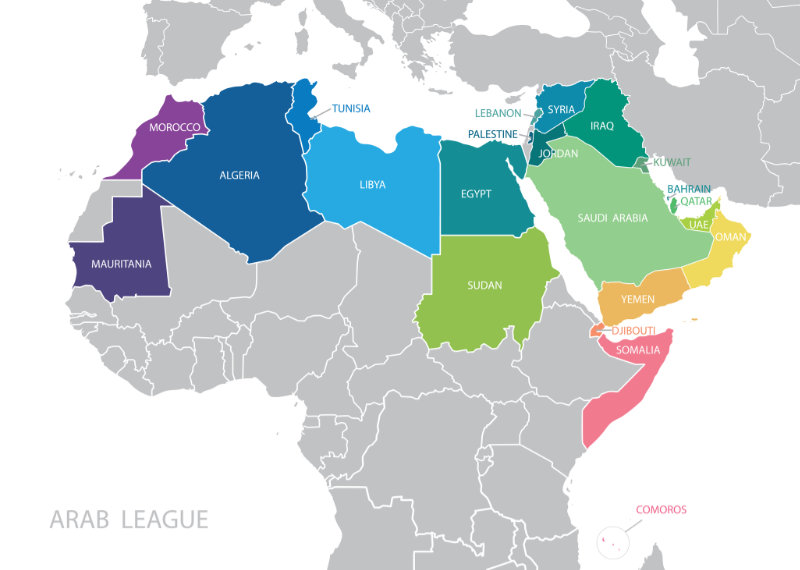
The Russian President, Vladimir Putin, has invited all Heads of State and the Secretary General of the Arab League for the first Russia-Arab summit on October 15, according to a statement from the Kremlin.
Putin has stated that “I am confident that this meeting will contribute to the further strengthening of mutually beneficial, multifaceted cooperation between our countries and will help in finding ways to ensure peace, security, and stability in the Middle East and North Africa.”
The Arab League is a regional organisation of Arab states in the Middle East and parts of Africa, has 22 member states who have pledged, among others, to cooperate on political, economic and military affairs in the region. It includes Algeria, Bahrain, Comoros, Djibouti, Egypt, Iraq, Jordan, Kuwait, Lebanon, Libya, Mauritania, Morocco, Oman, Palestine, Qatar, Saudi Arabia, Somalia, Sudan, Syria, Tunisia, the United Arab Emirates, and Yemen. Collectively, these represent a total population of 462 million with a GDP (PPP) of US$8.3 trillion. It is headquartered in Cairo.
The Arab League was founded in 1945, and to date has not lived up to its real potential, with other regional blocs such as the Gulf Cooperation Council tending to take precedence. However, its unification of the Arab world and the league’s geographical reach are strategically very important. The region is going through changes, especially in Africa, where the withdrawal of European colonial troops has created some instability. Russia is already involved in providing security in the Sahel region, while there have been long standing problems in Libya, Palestine, Sudan and Syria that also threaten Jordan and the Lebanon.
In terms of trade development and investment, Russia has also been developing regional ties and has interests in multiple energy infrastructure projects. Several countries are also major buyers of Russia grains and fertilizers.
The move may also be to help counterbalance increasing US influence, with U.S. President Donald Trump having a successful visit to the Gulf region last week, during which Washington said it had secured several deals, including a US$600 billion commitment by Saudi Arabia to invest in the United States, and a US$142 billion in arms sales deal, an AI partnership with the United Arab Emirates, and meetings with the Syrian President to discuss security and trade possibilities.
Russian diamond-mining giant Alrosa has stated that it has mined the largest diamond in Russian history. The 468-carat, amber-colored diamond has been named “80 Years of Victory in the Great Patriotic War,” referring to the Soviet victory in World War II.
Alrosa CEO Pavel Marinychev said: ‘To date, this is the largest gem-quality diamond mined in Russia. It is symbolic that it was found in the year of the 80th anniversary of the Great Victory. That’s why we decided to name it in honour of such a significant event for our country,‘ said Pavel Marinychev, ALROSA’s General Director’. The diamond was discovered just a month after Alrosa announced that it had completed the cutting of the 100-carat honey-gold New Sun diamond, which was the largest in Russian history at the time.
Alrosa holds a 99.6% share of Russia’s diamond output and accounts for nearly 30% of global supply.
Russia is one of the world’s biggest producers of diamonds, with the EU sanctioning the industry and prohibiting Russian diamonds to be exported to the West. However, due to lobbying by Belgium, the home of European diamond trading, Antwerp, the traditional home of diamond cutting was exempted from EU sanctions over the invasion of Ukraine until the 12th round and is now only being phased in gradually. That will prove to be Belgium’s loss as the industry moves onto new foreign trade centres and consumer markets.
The diamond industry in Belgium has thrived for centuries and accounted for over half of Russia’s total diamond exports of 28.2 million carats, worth approximately US$2.5 billion in 2021. In response to sanctions, Alrosa has shifted its focus to markets in Asia and the Middle East.
Russian diamond exports to Hong Kong were up 18-fold in the first half of 2024, while Dubai has also emerged as a major alternative non-EU market for diamond trading. The stone is likely to be cut by Indian professionals and divided into different gems, possibly as part of a set. The eventual price tag can be expected to run into tens of millions of dollars.
Russian President Vladimir Putin spoke by phone with the Chairman of the People’s Council of Turkmenistan, Gurbanguly Berdimuhamedov, who flew to Kazan to participate in the International Economic Forum “Russia – Islamic World”. The conversation between the politicians was reported by the Kremlin press service.
“Vladimir Putin and Gurbanguly Berdimuhamedov warmly congratulated each other on the 80th anniversary of the Victory in the Great Patriotic War and exchanged views on the further development of mutually beneficial relations of strategic partnership between Russia and Turkmenistan.”
“Our multinational country for centuries has been open for wide interaction with the states of the Islamic world” – these words of greeting from President Vladimir Putin were read out by Deputy Prime Minister Marat Khusnullin after reading the Quran at the plenary session of the International Economic Forum “Russia – Islamic World: KazanForum”. Russia’s head of state expressed his willingness to expand cooperation with Islamic countries in all areas. “And today, despite the difficult situation, we continue to successfully and consistently expand economic, scientific, educational, humanitarian and interregional contacts,” read out Marat Khusnullin.
At the same time, Vladimir Putin emphasized the special role of Tatarstan in maintaining contacts with Muslim states. ‘For centuries, our multinational country has been open for interaction with the countries of the Islamic world. And today, despite the difficult international situation, we continue to successfully and consistently expand economic, scientific, educational, humanitarian and interregional contacts.’ the Russian President noted.
Gurbanguly Berdimuhamedov, the national leader of the Turkmen people, speaking about the prospects of co-operation with Russia, said: ‘The Islamic world has every opportunity to become one of the locomotives of global development. But Turkmenistan would like to co-operate on an equal basis, not in a one-sided manner’. According to him, in the conditions of geopolitical tension, it is necessary to rethink ‘the roles of our countries as the basis of a new world order’ and move to implementing major breakthrough projects, to take more decisive steps towards economic integration with Turkmenistan. ‘Our countries have brilliant indicators in demography, geographical location and trade resources. The technological level is growing, the scientific and educational sphere is being strengthened. All these are prerequisites for initiating major breakthrough projects in various spheres,’ Gurbanguly Berdimuhamedov said. – In a strategic sense, such a belt can become a bridge with Asia.
The Turkmen leader spoke in favor of reviving the Great Silk Road, referring to the need to activate commodity flows along the eastern bypass of the Caspian Sea through Kazakhstan, Turkmenistan and Iran. ‘Turkmenistan’s approach to international economic cooperation is based on priority of transport and logistics. Islamic countries are called upon to organize a unified energy, transport and technological belt of Eurasia. This approach will ensure the shortest routes in energy supply,’ he believes. In this sense, the Islamic world will show an example of an efficient and attractive model, and is ready to help strengthen logistics links.
On the other hand, he warned against making unequal decisions when choosing transport routes. ‘Turkmenistan’s position is to see equality in global processes. In particular, our country opposes lopsidedness in energy and logistics and insists on the need for their diversification for broad international participation,’ the Turkmen leader stressed.
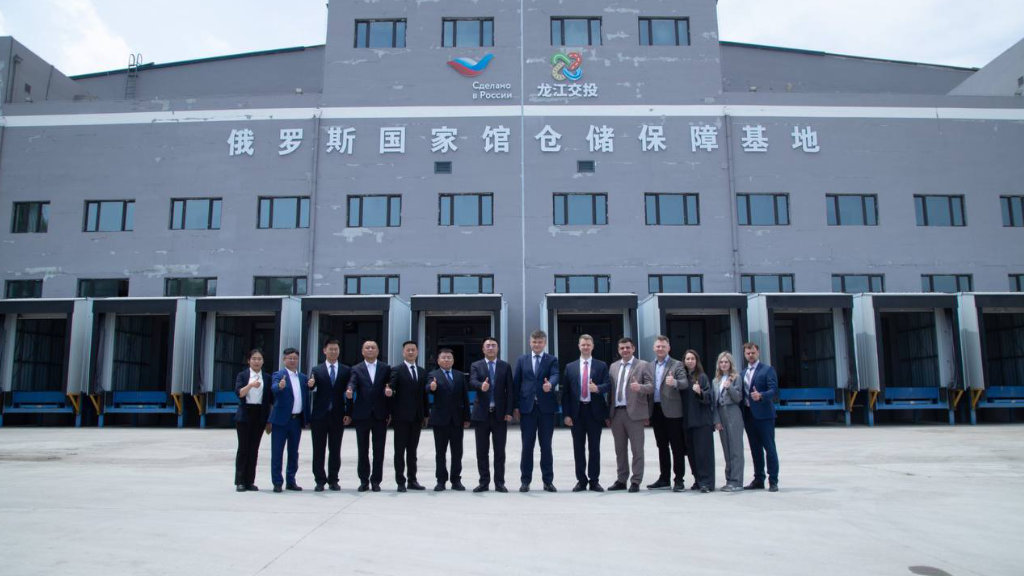
This past May 16, 2025 in the town of Suifenhe, Heilongjiang Province, China, the Russian Export Center (REC) jointly with Chinese partners opened the first warehouse distribution center under the “Made in Russia” brand.
The total area of the warehouse distribution center in Suifenhe is 4,600 sq. m. The warehouse already stores more than 900 product items from 70 Russian manufacturers participating in the promotional program in China together with the Russian national pavilion. The main Russian national pavilion is in Shanghai, and Made in Russia retail stores are located in the cities of Harbin, Chengdu, Shenzhen and Shenyang.
“The warehouse has optimal conditions for storing high-quality products of Russian exporters. This is a key link in the supply chain, which will allow uninterrupted supplies to the “Made in Russia” retail store chain that is developing in China,” emphasized Alexei Solodov, Vice President of the REC.
Placement of their non-resource products with the Russian national pavilion gives Russian companies the opportunity to establish business contacts in China, increase brand recognition among consumers, conclude export contracts and product deliveries. The opening of the warehouse distribution center in Suifenhe gives Russian enterprises additional opportunities to strengthen their positions and expand their presence throughout China.
The grand opening ceremony of the warehouse distribution center was attended by representatives of the Russian Export Center, Heilongjiang Transport and Investment Company, Heilongjiang Trade Company “Treasure of the Russian Sea”, representative of the Ministry of Agriculture of Russia in China Dmitry Klishin, representatives of Chinese and Russian businesses.
On May 17, as part of promoting the national brand “Made in Russia”, a retail store with products under the “Made in Russia” brand will open in Harbin, the capital of Heilongjiang Province. It will be the seventh retail outlet under the Russian national pavilion. Concurrently, from May 17 to 21 the trade fair/fesitival “Made in Russia” will open, which will be attended by more than 100 manufacturers from 50 regions of Russia.
On the same day (May 17) as the fair in Harbin, the first international fair of online sales of Russian brands will open. The organizers of the online fair of Russian goods in Moscow are the Ministry of Industry and Trade of Russia, the Russian Export Center (REC, VEB.RF Group), the Roscongress Foundation, the Agency for Strategic Initiatives and the Moscow City Government with the support of the China Committee for the Promotion of International Trade.
The Russian Export Center is a state institution that supports non-resource, non-energy exports. It provides companies from various industries with both financial and non-financial assistance at all stages when entering international markets, including the online export assistance platform My Export.
Dubai has been building its crypto credentials for several years and sees itself as a Middle East crypto hub. In March 2022, it established VARA, calling it the world’s first independent crypto regulator, and has awarded licenses to exchanges including Binance and OKX. It also initiated a metaverse strategy aiming to attract 1,000 metaverse and blockchain companies by 2030.
The Dubai government has also signed a Memorandum of Understanding (MOU) with crypto exchange Crypto.com. The agreement is part of the United Arab Emirates’ cashless roadmap, which aims to shift 90% of public and private financial transactions to cashless methods by 2026. Specifically, Dubai’s MoU with Crypto.com will allow individuals and businesses to use cryptocurrency as a payment method for government services. Specifically, users can use their Crypto.com wallets to pay for services with digital assets that the platform will then convert into dirhams for payment.
The agreement allows the government “to harness financial technology in launching a new digital payment channel on the government’s digital portals,” it said in the release. The cashless strategy is expected to add at least 8 billion dirhams ($2.2 billion) annually to the economy.
Crypto.com received its license to offer regulated virtual asset services in Dubai in 2023 and has been expanding its operations since. In April 2024, the company announced it had secured a limited license to offer crypto derivatives, following approval from VARA. These developments reflect the governments continued support for licensed crypto firms and its commitment to a regulated digital finance ecosystem.
Emarat, one of the UAE’s major fuel retailers, recently teamed up with Crypto.com to launch the first-ever crypto payment service at petrol stations across the Middle East and North Africa (MENA) region, a deal that makes it possible to fill up your tank and pay with crypto.
The Department of Finance’s announcement is timely, especially with the growing adoption of crypto payments in Dubai’s private sector, particularly in the hospitality sector. Shortly after the government revealed its plans, Grand Millennium Hotel Dubai announced a partnership with Bybit which has relocated its headquarters from Singapore to Dubai, United Arab Emirates. Bybit is one of the world’s largest cryptocurrency exchanges by user base. The hotel will now accept payments through the Bybit Card, a crypto-and-fiat card that has been issued to over 1.7 million users globally, according to the company.
Other hospitality providers in the city have already been accepting crypto payments. Palazzo Versace Dubai, through a partnership with Binance, allows guests to pay in Bitcoin (BTC), Ethereum (ETH), and Binance Coin (BNB) for room stays, dining, and spa experiences. The Manor by JA in Al Furjan has implemented a crypto-to-crypto payment gateway, also powered by Binance. Several cafes and restaurants across the city are reportedly embracing digital assets as payment options.
It is apparent that Dubai is enabling the broader use of cryptocurrencies across both public and private sectors. From hotel check-ins to government service fees, digital assets are steadily gaining ground. And with supportive regulations and infrastructure in place, paying with crypto in Dubai may soon become a common convenience—not a novelty.
This crypto-friendly approach should also serve to increase business and tourism, especially with companies and people that are from countries affected financially by Western sanctions, with include Cuba, Iran, North Korea, and Russia that are restricted from using the US Dollar.
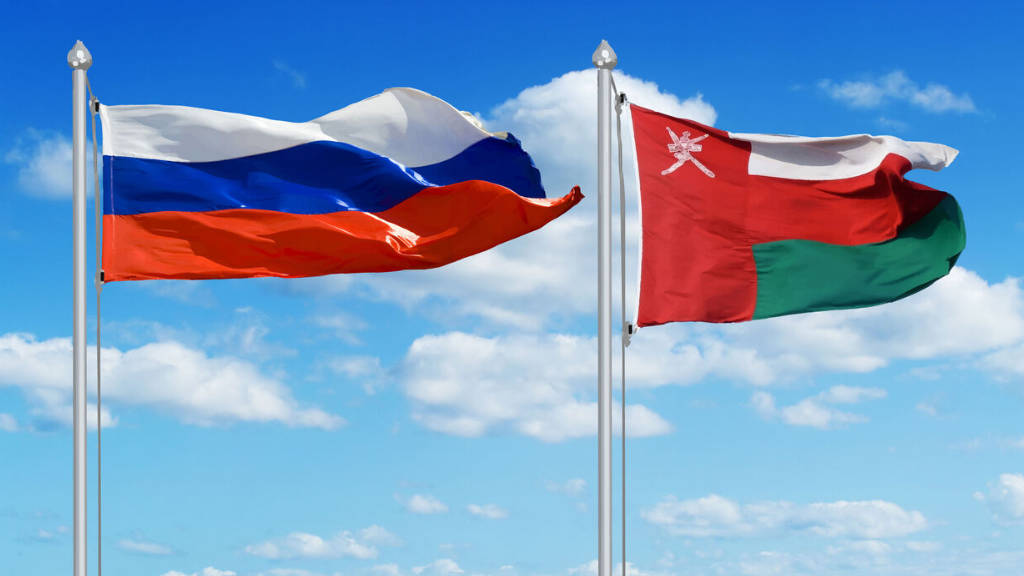
Russian businesses are increasingly interested in Oman as a business jurisdiction than the traditionally popular United Arab Emirates, whose status as the Middle East’s standard hub for registering companies and conducting settlements could be at risk from a tightening of Western regulatory requirements and sanctions compliance.
More frequent requests are being seen to register companies, open bank accounts and obtain resident visas in Oman according to lawyers and consultants that have been asked.
They see Oman as a more predictable alternative, especially for cross-border settlements, as UAE banks have tightened their policy towards Russian clients in the last few months. There have been cases where accounts have been blocked without explanation, while Oman remains neutral.
In trying to reduce sanctions risks, Russian businesses are looking for neutral jurisdictions with simplified capital requirements and which are friendly to non-residents. Oman is less integrated into the Western financial system than the UAE, which lowers the risk of accounts being blocked. The UAEs’ reputation as a safe haven for Russian investors has been affected by the imposing of secondary sanctions by the USA for violating American anti-Russian sanctions.
The agreement on the avoidance of double taxation on December 28, 2023 has made Oman attractive to Russian businesses as. Oman is particularly attractive for medium and large businesses focusing on manufacturing projects aided by developed special economic zones and the ports of Salalah, Duqm, Sohar and Muscat, which bring convenient logistics.
Oman is turning into a key link in the expanding logistics chains between Russia, India, China and Africa, and it is there that Russians are most frequently setting up companies and settlement offices for transit operations, signing contracts and trans-shipping commodities. Oman’s special economic zones offer foreigners preferential terms, and buying real estate has an added advantage by making them eligible for a resident visa and to open a bank account.
In summation, while every country has its pluses and minuses, Oman is a strategically rational location for businesses that interact with international markets and are sensitive to Western sanctions risks.
The XVI International Economic Forum “Russia – the Islamic World: KazanForum” is taking place from May 13 to May 18 in Kazan. The main theme of the forum in 2025 is “Digitalization: a new reality and additional opportunities for expanding cooperation.” Several thousand people taking part representing over 100 countries.
To put it in a demographic context, it is estimated that 2,045,604,763 people around the world identify themselves as adherent to the Islamic faith, which represents over 25% of the world’s total population of 8,182,419,052. The religion of Islam is the official religious system in 26 countries in Asia, Africa, the Middle East, and sub-Saharan Africa.
The Kazan Expo International Exhibition Center is showcasing the achievements of various countries in different fields. “The forum is very important because it brings together leaders, experts, and representatives of public organizations from different countries. In recent years, it has turned into a landmark international event,” Vladimir Kuznetsov, director of the UN Information Center in Russia.
The Kazan forum, according to participants asked, is an important international gathering that has become a positive tradition, attracting more attention every year. Akila Omri, a professor from Tunisia, told a TASS correspondent that, for example, 20 years ago “Russia was more isolated from other countries, but in recent years it has not only been actively developing itself, but also strengthening ties with many countries,” so its international isolation is out of the question.
According to Hakan Coskun, who represents Turkish manufacturers at the exhibition, said “this shows that all companies are willing to cooperate with Russia, Turkey’s main neighbor and largest partner.” “This proves Russia is not an isolated country,” the businessman pointed out.
Many Russian regions are also participating and developing deeper cooperation with other countries. One such example is Donetsk People’s Republic’s Acting Industry and Trade Minister Natalia Kozina who said that their region has “great industrial potential in heavy industry, chemical industry, machine building, light industry, furniture industry, food industry, as well as agriculture.” She went on to say“I am sure that this platform is very important for us because we can not only find partners here, but also investors in the DPR.”
From the financial side, and according to Alexey Yakovlev, Director of the Financial Policy Department of the Russian Ministry of Finance, said at the KazanForum. “Partnership financing, Islamic banking, is one of the tools, part of the infrastructure that will allow us to continue building this cooperation and deepen it. It’s an additional tool that, in our view, has yet to be fully tapped. Our task now is to move toward the practical implementation of such cooperation, using mechanisms that have already proven effective in other countries,” He went on to say that Islamic banking, can be a useful tool for building cooperation with other countries, and should be utilized more for such purposes.
Islamic banking, or partnership banking are somewhat similar in their approach to financing. Conventional Banks treat money as a commodity and lend it against interest as its compensation. Islamic Banks must be interest free. Islamic banking products are usually asset backed and involves trading of assets, renting of assets and shared participation on a profit & loss basis. A further advantage is that it doesn’t need SWIFT to work efficiently and well.

 Русский