News

North Korea To Permanently Honour Soldiers Who Died In Kursk

Published on April 28, 2025

North Korean leader Kim Jong-un has praised the country’s troops deployed to Russia under a mutual defense agreement as heroes, pledging that their sacrifices will be permanently honored in the homeland, according to the Korean Central News Agency (KCNA).

The presence of North Korean forces in Russia’s Kursk region, where they were deployed to expel Ukrainian soldiers, was officially confirmed on Saturday (April 26) during a meeting between Russian President Vladimir Putin and the Chief of the General Staff, Valery Gerasimov, who praised DPRK troops for “demonstrating high professionalism, courage, and heroism in battle.”

North Korean soldiers were protecting Russian soil “as their own,” demonstrating “indomitable will and ultimate sacrifice,” the Central Military Commission in Pyongyang has announced. Their heroic deeds, it added, recorded “legendary achievements” and further proved the “unbreakable alliance” between the two states. “Those who fought for justice are all heroes and representatives of the nation’s honor,” Kim Jong-un declared, as cited by KCNA.

The West had been aware of the presence of North Korean soldiers in Kursk, and had subjected their presence to ridicule of both their capabilities and that of the Russian military. The strategic decision to invade Kursk was made to force Russia to redeploy its own soldiers from the east Ukraine frontline. Instead, Russia requested North Korean soldiers be deployed to fight the Ukrainians while the Russian soldiers stayed in position. The result has been that an estimated 75,000 Ukrainian troops in Kursk died and their forces expelled, while Russia has maintained its eastern offensive.

The situation also has implications for NATO as the North Koreans have effectively defeated a NATO-backed military force, as well as having experienced NATO-supported military operations under battlefield conditions for the first time.

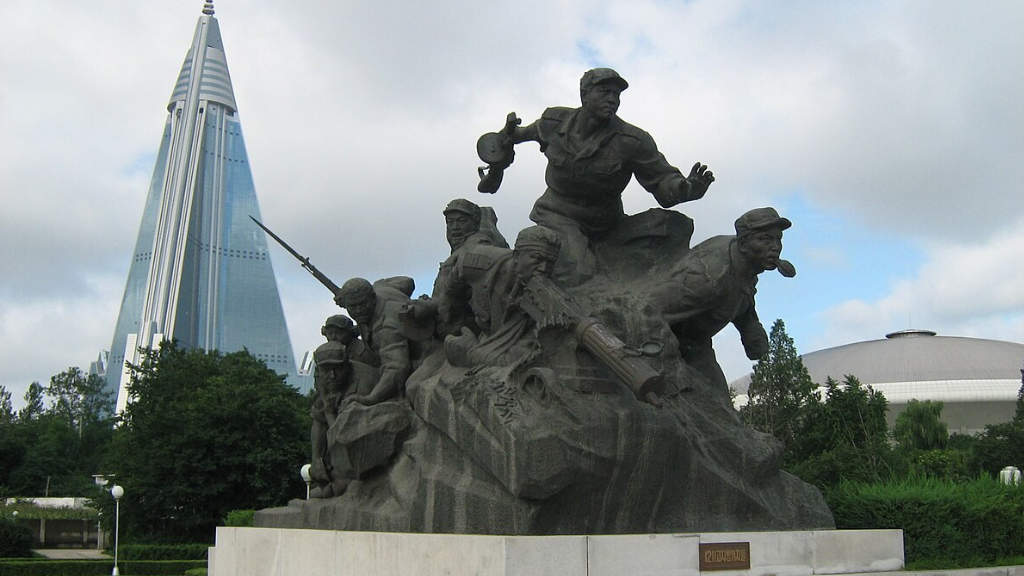
A monument honoring their combat feats will soon be erected in our capital, and everlasting flowers will be laid before the gravestones of the fallen by the nation and the people.

Pyongyang did not reveal the exact number of North Korean troops deployed or how many lost their lives in battle, but Kim emphasized that the homeland must always remember their spirit and take special national measures to honor and care for the families of veterans.

“The combat spirit and heroism of our soldiers, who glorified the name of the strong and victorious, will shine forever on the high pedestal of respect and honor,” he said.

The North Korean leader also extended his “heartfelt and combative greetings” to Russian forces and the Russian people, congratulating them on a “great victory” in Kursk.

Moscow hailed Pyongyang’s “solidarity,” with Foreign Ministry spokeswoman Maria Zakharova calling the assistance of “our Korean friends” a “manifestation of the high, essentially allied level of our relations.”

Kiev and its Western backers had long alleged that North Korean troops were involved in the hostilities in Kursk Region, which was invaded by Ukrainian forces last August. Until the area was secured last week, Pyongyang and Moscow neither confirmed nor denied the reports, while the Russian president insisted it was up to the two nations to determine how they fulfill their obligations under their partnership pact.

Further Reading

Russia – North Korea 2024 Trade & Security Developments

Oman Joins International North-South Transport Corridor

Published on April 27, 2025

Roman Starovoit, Russia’s Minister of Transport, has met jointly with President Vladimir Putin and Sultan of Oman Haysam Bin Tarek Al Said, with an MoU in transport and transit signed between the transport authorities of the two countries.

The document realizes the transit potential of the North-South international transport corridor, increases the efficiency of transport links for the organisation of cargo and passenger transportation in bilateral and transit traffic.

Sri Lanka Map

The use of Oman’s port infrastructure will make it possible to attract additional volumes of cargo to the ITC and increase its attractiveness to carriers, including by creating conditions for the opening of an end-to-end transportation service along the transport corridor.

Russia has been looking to create a MENA corridor between Tunisia, in North Africa, and Oman, on the Persian Gulf, with Oman opertaing at the eastern end of this supply chain, which bypasses Europe but increases MEAN trade and links with Russia via Azerbaijan, Iran and the Caspian Sea. 

Further Reading

Oman and Qatar Want To Join The North-South Transport Corridor

Russia, Sri Lanka Trade Increased 2.4 Times In 2024

Published on April 26, 2025

The bilateral trade turnover of agricultural products between Russia and Sri Lanka grew 2.4-fold to reach US$343.7 million in 2024, Russia’s Agroexport federal centre has said. While relatively small, the results show an improvement in the Sri Lanka economy, with the country defaulting on its foreign debts in 2023. Russia has provided some aid assistance. Colombo has now partially restructured its debt and is able to resume normal trading patterns.

Bilateral trade growth rates have significantly increased, with bilateral trade being just US$142.6 million in 2023. Imports from Russia that year rose 2.1-fold to US$13.4 million, while exports from Sri Lanka grew 1.2% to US$129.2 million. Russia primarily exported coriander seeds (51.9%), peas (31.5%) and sunflower oil (10.9%) to Sri Lanka. Coriander exports rose 2.5-fold and peas grew 2.1-fold. However, Russian flour shipments declined.

In 2024, Russian exports surged 14.9-fold to US$199.2 million mainly due to the resumption of wheat supplies. Sri Lanka mainly exports tea to Russia, which accounted for nearly 94% of its exports in 2023. The top three exported products also included frozen fish (1.6%) and coconut oil (0.8%).

Sri Lanka Map

Analysts estimate Russia’s annual agricultural export potential to Sri Lanka as capable of reaching US$200 million, with Russia export prospects primarily tied to wheat. There are also opportunities for exporting confectionery products (mainly chocolate and baked goods), wheat or wheat-rye flour, and milk and cream. Sri Lanka has also become a favoured destination for Russian tourists and digital nomads. 

Further Reading

Russia, Sri Lanka Discuss Energy and Investment Projects

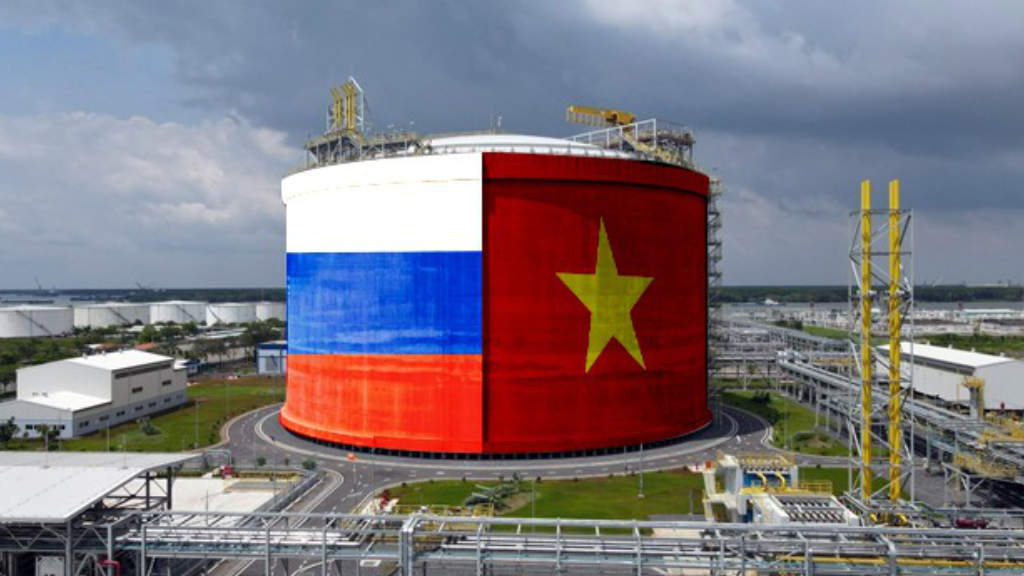
Russia, Vietnam Discuss Increased LNG Supplies

Published on April 25, 2025

Russia and Vietnam have been discussing supplies of Russian liquefied natural gas (LNG) to Vietnam, during meetings between Russian Energy Minister Roman Marshavin and Vietnamese Deputy Industry and Trade Minister Nguyen Hoang Long. The sides discussed their thus far successful interaction in the oil and gas sector, including the approval of agreements to expand cooperation and supplies.

Vietnam’s 2025 economy is targeted by the government to achieve 8% growth, and it needs increased energy supplies to reach its goals. Marshavin said that “We will do everything possible to sign the necessary documents before the meeting between the leaders of our states. The projects we are discussing now are aimed at long-term interaction, they set the vector of our cooperation for long years ahead.”

Russia President Vladimir Putin met with To Lam, the General Secretary of the Central Committee of the Communist Party of Vietnam, yesterday (April 25).

Putin said during his visit to Vietnam last summer Russia could participate in the construction of natural gas liquefaction capacities in Vietnam, which has resources, and supply LNG to the country. Novatek and PetroVietnam then signed a memorandum of mutual understanding on cooperation in Vietnam. Sakhalin Energy (co-owned by Gazprom, Mitsui and Mitsubishi), Yamal LNG (owned by NOVATEK, TotalEnergies, Chinese CNPC and SRF), Gazprom LNG Portovaya and Cryogas-Vysotsk produce large-tonnage LNG in Russia.

Further Reading

Russia, Vietnam 2025 Bilateral Trade Developments 

Russia, Iran Working On Expanding Overland Gas Pipeline Capacity

Published on April 25, 2025

Russia and Iran are continuing to work on joint projects to create new land corridors for Russian gas shipments to Iran, according to a joint statement issued by Russian Deputy Prime Minister Alexander Novak and Iranian Petroleum Minister Mohsen Paknejad. The two sides also discussed the implementation of other joint energy infrastructure projects. They also discussed their bilateral coordination within OPEC+ and the Gas Exporting Countries Forum.

Novak also said that Russia is ready to help Iran broaden its trade and economic ties with the Eurasian Economic Union. The Iran-Eurasian Economic Union Free Trade Agreement commences from May 15. 

The talks were held ahead of the 18th meeting of the Russia-Iran Intergovernmental Trade and Economic Cooperation Commission on April 25. The meeting is expected to lead to the signing of a number of cooperation documents in various sectors.

In early 2025 Iran and Russia agreed on the itinerary of a gas pipeline from Russia to Iran: it would pass through Azerbaijan. Initially the pipeline would have a moderate capacity of 2 billion cubic meters per year, but there was a preliminary agreement to increase that to 55 billion cubic meters, according to Russian Energy Minister Sergei Tsivilev.

Last week Iran’s Ambassador to Russia Kazem Jalali said the two countries had almost fully resolved their issues in the framework of a project to transit Russian gas across Iran, saying that “The document has been signed. We are fully prepared and are conducting technical studies, while issues are 90% resolved. In the project framework, there is a possibility to start using the existing gas pipeline, and to also build a new one as a branch of the existing pipeline.”

Further Reading

Russia, Iran 2025 Relations: Update

Russia, China, Uzbekistan Discussing Investment In Uzbekistan Nuclear Power Plant 

Published on April 24, 2025

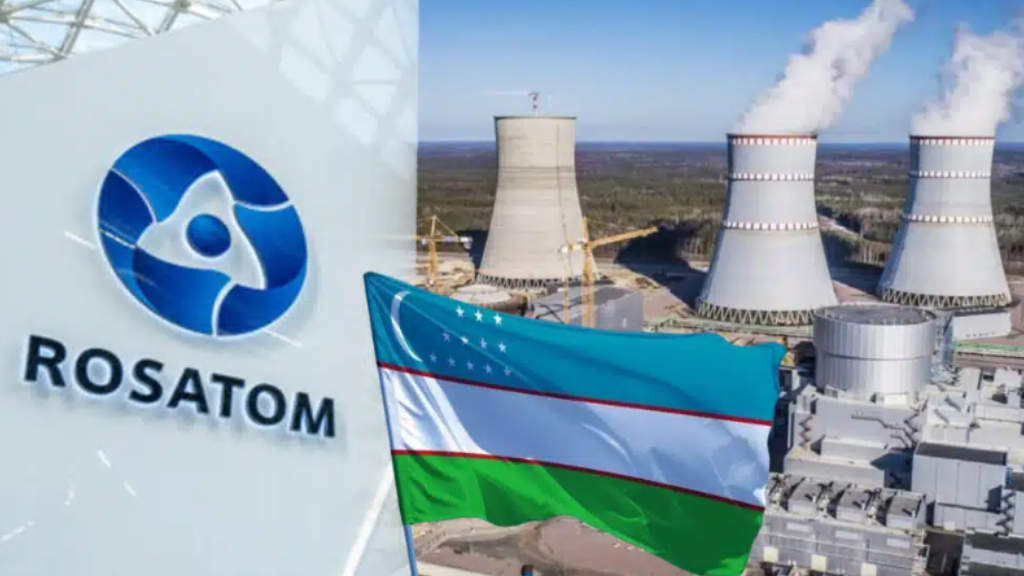
Uzbekistan’s atomic energy agency Uzatom, Russia’s Rosatom Group, China National Nuclear Corporation (CNNC) division CNOS, and Shanghai Electric have been holding negotiations on building turbine equipment and assessing the prospects of adapting it for a nuclear power plant (NPP) project in Uzbekistan.

Uzatom has stated that “In the course of the negotiations the parties discussed issues related to the development, production and delivery of equipment for the nonnuclear island of an NPP in accordance with established technical standards. The discussion covered a broad range of technical aspects, including the particulars of the process equipment needed to implement the project.”

The Chinese side proposed to consider signing a trilateral agreement between Uzatom, Rosatom and CNNC. They said that “This document is intended to clearly define the role and responsibility of CNNC in the project to build an NPP in Uzbekistan, which will be an important step in the further progress of the project.”

Uzbekistan Map

Rosatom’s engineering division, Atomstroyexport (ASE) signed a contract to build a small capacity NPP with Uzatom’s NPP Construction Directorate in May 2024. The project calls for building a 330 MW Russian-designed NPP with six 55 MW reactors in Uzbekistan’s Jizzakh Region.

Work on setting up a construction and assembly base at the site of the future plant began in mid-April. Uzatom expects to receive a permit to build the plant at the beginning of 2026. The plant is scheduled to go into operation in stages in 2029-2033.

Further Reading

Post not found.

Rosatom To Start Kyrgyzstan Wind & Solar Farm Constructions in 2026

Published on April 24, 2025

Rosatom Central Asia have stated that the first deliveries of the equipment for a wind farm in Kyrgyzstan’s Issyk-Kul region is scheduled to be delivered in the second half of 2025, while construction will start in 2026. Kyrgyzstan’s Energy Minister Taalaibek Ibraev said that “We are starting construction of a wind farm with capacity of 100 megawatts with Rosatom. We are also building a solar farm with capacity of 250 MW with Russian companies in the village of Toru-Aygyr, Issyk-Kul region and a 500 MW gas plant in the village of Chaldybar, Chuy region.”

This is the first foreign wind power project for Rosatom Renewable Energy (formerly known as NovaWind). The technical assessments have been done and several suitable sites were proposed, one of which is close to the village of Kok-Moynok-1, near the city of Balykchy in Issyk-Kul region. A capsule for the construction of the 100 MW wind farm in Kyrgyzstan was laid in September 2024.

The wind farm is expected to generate 250 million kWh of electricity annually and 7 billion kWh over 25 years.

Kyrgyzstan Map

Rosatom and Kyrgyzstan’s Cabinet signed the investment agreement at the end of December 2024.

It had previously been reported that Rosatom could build up to 1 GW of wind farms in Kyrgyzstan. NovaWind previously signed an agreement with the country’s Energy Ministry to explore and implement renewable energy projects. The wind farm in Issyk-Kul is a pilot project. “In the second stage there are plans to work out the locations for renewable energy facilities with combined capacity of up to 900 MW,” the company said earlier.

Rosatom also recently submitted a preliminary feasibility study for the construction of a small capacity nuclear power plant in Kyrgyzstan to the country’s Energy Ministry so it can assess the key aspects and technical parameters of the project. The decision to proceed further will be up to the ministry.

Further Reading

Post not found.

100% Russian-Made Sukhoi Superjet Makes Maiden Flight

Published on April 24, 2025

A Sukhoi Superjet 100 (SJ-100) aircraft with all of its component parts made in Russia has joined Russia’s test flight program, the aircraft manufacturer, Rostec has stated.

The aircraft, bearing factory number 97003 performed its maiden flight in Komsomolsk-on-Amur. The trials were designed to test and prove the capability and stable operations of all the Russian-made systems.

Rostec First Deputy General Director Vladimir Artyakov said that “The third prototype performed the inaugural flight today (April 23). It is testing interaction between PD-8 engines and domestic aircraft systems. The third aircraft joining test flights will expedite the certification program. We are on schedule.” 

Russia’s First Deputy Prime Minister Denis Manturov also commented that “The successful beginning of test flights of an aircraft with fully Russian made parts signifies the transition to the final stage of the project. This aircraft will perform about 130 certification flights, including special trials under extreme low and high temperatures. The flight lasted for about 40 minutes, during which the plane climbed 3,000 meters and reached a top speed of 500 kilometers per hour. Control, hydraulics, air conditioning, piloting and navigation systems were tested on minimal to maximal speeds. In addition, gas dynamic stability of the PD-8 engines was tested. The landing gear was retracted and released in mid-air.” 

Vadim Badekha, general director of Rostec’s United Aircraft Corporation (UAC), said “The import-substituted version of the aircraft is being developed on a very tight schedule. We are planning to finalize certification trials by the end of this year in order to start deliveries to airlines in 2026.”

Three aircraft are taking part in test flights. The first SuperJet prototype with Russian-made systems and units and a joint venture produced SaM146 French-Russian engine started flying last year. The second prototype with Russian PD-9 engines and several imported systems joined the program in March 2025. The Aviadvigatel PD-9 is a turbofan engine designed and manufactured in Russia. It is designed for high-performance commercial aircraft and is intended to be a domestic alternative to Western engines like the General Electric GE9X and Rolls-Royce Trent 1000.

As part of the import substitution project, the aircraft has been equipped with Russian-made engines, avionics, landing gear, auxiliary power unit, and control, power supply, air conditioning, fire safety and other systems. It also has a new fuselage, modified to simplify aircraft production and maintenance, Rostec said. The PD-8 bypass turbofan engine with an eight-tonne thrust was made of new Russian materials using advanced technologies.

Scheduled production of SJ-100 aircraft with foreign-made parts and engines was suspended in 2022. The delivery of the import-substituted, all-Russian version is due to begin in 2026, according to respective ministries.

According to the current aircraft construction schedule, 30 SJ-100 aircraft will be built in 2026, and 142 will manufactured by 2030. The aircraft production plans are subject to revision later this year as the certification process nears completion.

Two major aircraft manufacturers, Boeing and Airbus, are banned from doing business with Russia, providing airlines or service companies in Russia with aircraft parts, maintenance or support services under sanctions. China is also refusing to buy aircraft from Boeing and Airbus as sanctions against Russia have severely impacted its reputation for fleet maintenance prospects. China has launched its own aircraft, the Comac C919 and this is also now in service.

Further Reading

Russia’s Aircraft Manufacturers To Move Into Aircraft Export Industry

Hyundai, Kia Preparing To Return To The Russian Market? 

Published on April 23, 2025

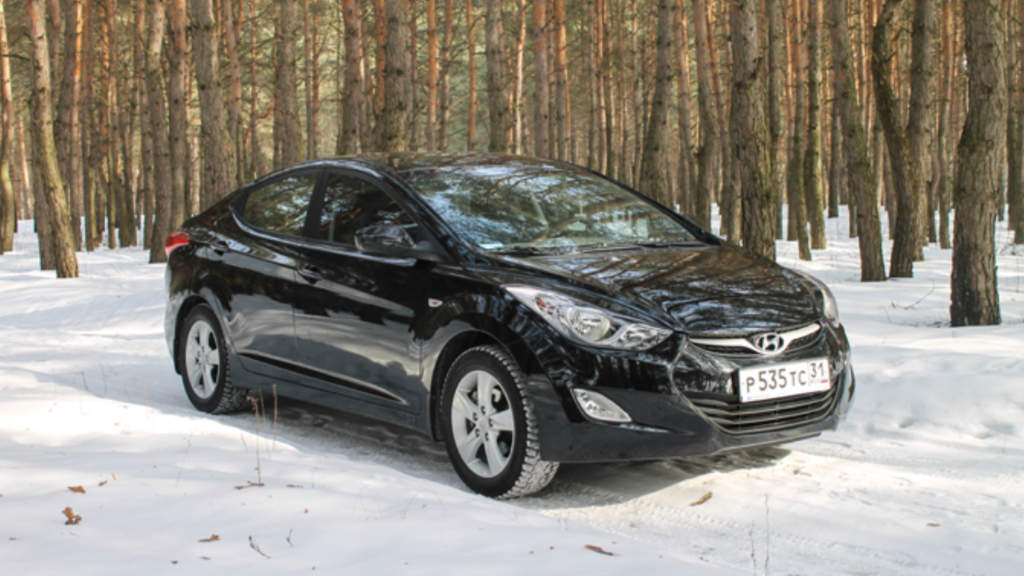
In signs that some businesses are preparing to return to the Russian market, South Korea’s auto giant Hyundai has registered at least eight new trademarks with Russia’s intellectual property service, Rospatent, this month.

The filings suggest that Hyundai could be preparing for a return to the Russian market. The new trademarks grant the company the right to manufacture and sell a wide array of vehicles in Russia, from passenger cars to buses, tractors, and heavy trucks. The registration also covers key auto components, including tyres, shock absorbers, engines, and wheels.

Hyundai suspended operations in Russia in March 2022 after the introduction of sanctions against Moscow, related to the Ukraine conflict. The manufacturer cited the resulting difficulties with parts supplies as the reason for its decision.

The registered Russian patents reportedly include a range of models, such as Hyundai H-1, N Performance, N Line, Hyundai Axis, Eleccity, Xcient, Hyundai H100, and Hyundai Coupe. The variety of names points to potential activity across both commercial and passenger segments, including performance and luxury sub-brands.

The rights to use the Hyundai trademarks in Russia will remain valid until 2034, according to the filings. A similar move was previously made by another South Korean automaker, Kia, which has filed at least six trademark applications with Rospatent.

Hyundai and its affiliate Kia, once among the three best-selling car brands in Russia, joined a mass international corporate withdrawal amid Western pressure and Ukraine-related sanctions on Moscow.

Hyundai Motor Group sold 100% of its Russian assets, including its St. Petersburg plant, for a symbolic ₽10,000 (US$123), while securing a buyback option valid for two years. It means the group must make a decision on restarting production at the facility before the end of this year.

Other major foreign brands have also been positioning themselves for potential reentry and asset reacquisition in Russia.

Last month, LG Electronics confirmed it has resumed operations at its home appliance plant in Moscow, which produced washing machines and refrigerators. Italian household appliance manufacturer Ariston also recently announced its return to Russia after exiting the market in 2022.

Further Reading

Russia, South Korea To Establish Multimodal Transport Services

Russia Imposes 35% Import Tariffs On Cosmetics & Perfumes From Unfriendly Countries

Published on April 23, 2025

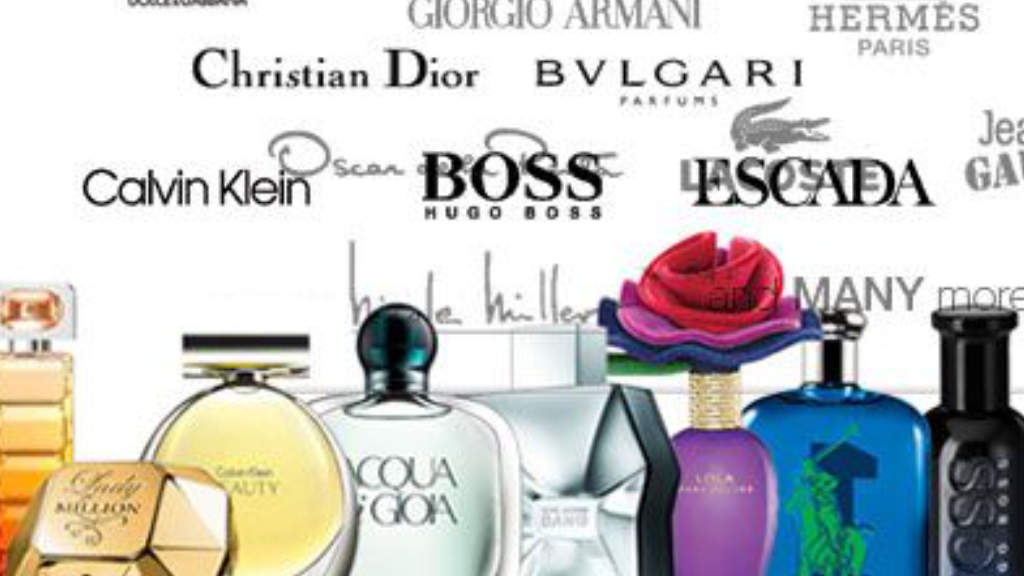
Russia’s Trade & Industry Ministry has stated that Russia will impose increased customs duty of 35% on perfume, eau de toilette, powder, hair and lip makeup products, as well as skin care products imported from unfriendly countries. The tariffs are immediately effective.

The Ministry notes said that the updated list of goods subject to duty was determined jointly with the Russian business community. The new measure will affect only those types of products where Russian manufacturers already produce products that are not inferior in quality and range.

The tariffs will hit primarily United States, most European, Japanese and South Korean cosmetics manufacturers, although French perfumes were excluded and are subject to only 20% import duty.

A way around these tariffs would instead to commit to manufacturing these products in Russia itself. A similar situation is evolving within the Russian auto market. Chinese and Indian cosmetics and perfumery producers may also benefit in Russia when competing against Western imports.

The ministry stated that these measures have proven effectiveness and beneficial for Russia’s domestic manufacturers, saying that “Russian production in these sectors grew by 22% in 2024 compared to 2023. An increase in the localization of production was also observed. The niches freed up as a result of the departure of Western manufacturers and timely support from the state in promoting Russian brands contributed to the fact that the share of national brands by the end of 2024 accounts for 68% of the total market, which is almost 17% more than in 2023.”

The Russian cosmetics market is a large and rapidly growing segment of the beauty industry, estimated at being worth US$3.12 billion in 2024 and projected to reach US$3.47 billion by 2028. This market is characterized by a shift towards domestic manufacturing and a focus on Asian markets for retailers.

Further Reading

Russian beauty retailer Golden Apple enters Saudi Arabian market

Louis Vuitton Preparing To Return To The Russian Market? 

Published on April 23, 2025

French luxury brand Louis Vuitton has registered up to six new trademarks in Russia, according to media reports citing records kept by the country’s federal intellectual property agency, Rospatent.

Louis Vuitton filed an application in October, and Rospatent registered a new trademark this month, which is valid until 2034. The Rospatent database apparently shows that the brand has registered trademarks covering the sale of perfumes, jewellery, watches, cosmetics, and shoe care products, suggesting that they intend to manufacture and sell jewellery and fashion items once again in Russia.

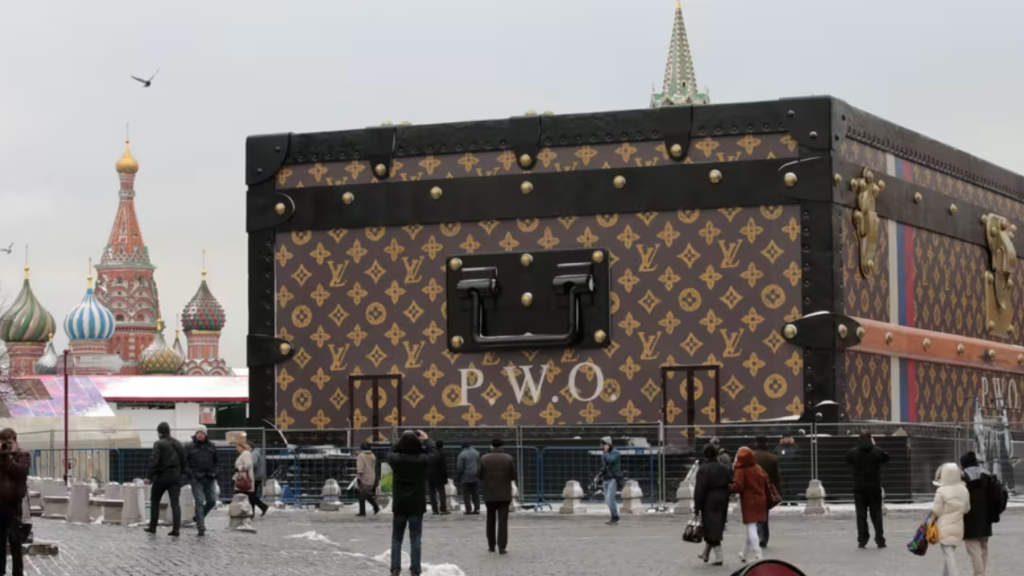
LV are renowned for their high-end leather goods, apparel, and accessories, but closed its Russian stores in March 2022 as part of a broader withdrawal by Western brands following the escalation of the conflict with Ukraine. That withdrawal from the Russian market lead to some backlash against LV and other luxury brands such as Chanel in Russia, with several social media personalities cutting up LV products online in a show of defiance as what they called a lack of duty to their long-standing customers. Louis Vuitton also upset Muscovites with a huge ‘disrespectful’ pop-up store they erected in Red Square in 2013. France had invaded Russia 200 years earlier resulting in the destruction of Moscow. Brands such as these will have to work hard to gain back respect for their products in the Russia market.  

Many of Louis Vuitton products are made in Asia, with numerous leather goods produced in Taiwan.

The new trademark registrations suggest a strategic effort to maintain brand presence and protect intellectual property rights in the Russian market. Other brands such as IKEA, Christian Dior, Gucci, Coca-Cola, and Starbucks have also filed to register or renew trademarks in Russia since their exits.

Further Reading

Russian Disposable Income Levels Grew By 8.6% In 2024: Economic Analysis