The Indian Embassy in Moscow has stated that during 2024, the number of Indian tourists visiting Russia exceeded 120,000 people, and added that “If this trend continues, the mutual tourist flow can potentially surpass 450,000 for 2025.”
In 2023, around 60,000 Indians visited Russia, while an estimated 160,000 Russians travelled to India – more than the combined figures for 2021 and 2022. Now, Russia ranks among the top ten countries in terms of the number of travellers to India.
India has shown interest in the further liberalisation of the mutual visa regime and has emphasised the importance of extending the validity period of electronic visas. The Indian Embassy stated that the expansion of air links between Russia and India, the development of cultural exchanges, and the organisation of joint sectoral events would contribute to the growth of mutual tourist flows.
In July, Moscow will also host, for the first time, a large-scale tourism congress with the participation of specialists from relevant departments and employees of leading Russian and Indian companies.
Russia’s JSC A7 Holdings, wholly owned by former FESCO co-owner and Board Chairman Andrei Severilov, has founded a new legal entity in the freight transportation sector. According to the Russian Unified State Register of Legal Entities, A7 African Cargo Lines LLC (A7 ACL, Moscow) was registered on April 17 with an initial charter capital of ₽10 million.
A7 Holding owns 99% of the company, with the remaining 1% held by A7 Infrastructure LLC. The company’s primary activity is listed as railway freight transportation.
Severilov has stated that “We intend to operate in West Africa. At the first stage, with the assistance of the Russian trade mission in Nigeria, we are implementing a project to establish a direct shipping line. The launch of a maritime route between Novorossiysk and Nigeria’s Lagos Port is planned for mid-June, with two container ships chartered for the line’s inauguration, each with a capacity of 700 twenty-foot equivalent units (TEU).
Future plans also include establishing maritime connections with Senegal (Dakar port), he said.
Russia-Nigeria Trade
Nigeria is Africa’s most populous nation and its largest economy. Nigeria is a key member of the African Continental Free Trade Area (AfCFTA), which is fostering intra-African trade and economic integration. As a founding member of the Economic Community of West African States (ECOWAS), the country benefits from regional trade facilitation and cooperation. Global trade agreements like the World Trade Organization (WTO), the African Growth and Opportunity Act (AGOA) with the United States, and bilateral agreements with countries such as China and India bolster Nigeria’s international trade and investment ties. It became a BRICS partner nation in January 2025.
With a population of approximately 232.7 million, Nigeria has a GDP (PPP) of US$1.116 trillion and a GDP (PPP) per capita of US$5,063. GDP growth for 2025 is projected at 3.3%.
Russian companies are showing increased interest in Nigeria, for example in reviving the countries largest steel plant. There is also interest in investing in Nigeria’s energy sector.
Russia’s exports to Nigeria currently amount to about US$1.51 billion, mainly consisting of refined petroleum, wheat, and malt, while Nigeria exports a small amount to Russia, primarily cut flowers, other oily seeds, and nuts. However, given Nigeria’s move to embrace the BRICS, bilateral trade with Russia and the other BRICS nations can be expected to grow.
Russia-Senegal Trade
With a population of around 18.5 million and a GDP (PPP) of US$80 billion, Senegal is experiencing solid growth, with a GDP per capita (PPP) of US$4,350. Senegal is projected to experience strong GDP growth of 10.1% in 2025, driven by the start of oil and gas production, with the IMF projecting it to be the second fastest-growing economy in West Africa.
In terms of trade with Russia, the relationship has been strengthening, with both sides stating in late 2024 that they have discussed joint projects in energy, mining and processing of minerals, increasing trade and economic and investment partnership volumes, improving the contractual and legal framework, and implementing promising joint projects in the fields of geological exploration, extraction and processing of minerals, energy, fisheries, and agriculture. Senegal has also expressed interest in joining the BRICS.
The Philippines has authorized supplies of beef and cattle by-products from Russia, Russia’s Federal Service for Veterinary and Phytosanitary Surveillance (Rosselkhoznadzor) has said. It is the first time that Russia will have exported beef to the country.
Rosselkhoznadzor said that “As result of our work to open new foreign markets, with active participation from the Russian trade mission and the representative of the Russian Agriculture Ministry in the Philippines, we now have access for Russian meat and cattle by-products to the Philippine market.”
Beef and beef by-products, excluding the head (including pharynx, tongue and associated lymph nodes) have been specifically approved for supply. Two Russian beef producers are currently certified for exports to the Philippine market, being Miratorg (Bryansk Meat Company) and Tkachev Agrocomplex.
The Philippines ranks among major global beef buyers. Annual demand for beef exceeds 400,000 tonnes, with over 200,000 tonnes imported annually. Agroexport estimates Russia’s annual beef export potential to the Philippines at approximately US$10 million.
Sergei Yushin, the head of Russia’s National Meat Association, said that “Given import volumes and consumption growth potential, the Philippine market is interesting for Russian exporters. Per capita beef consumption currently remains low there, but will increase alongside economic growth and rising incomes, including demand for bovine meat. Competition in the Philippines market is intense, but any new market is important for Russian producers as an opportunity to diversify supplies and respond to shifts in demand.”
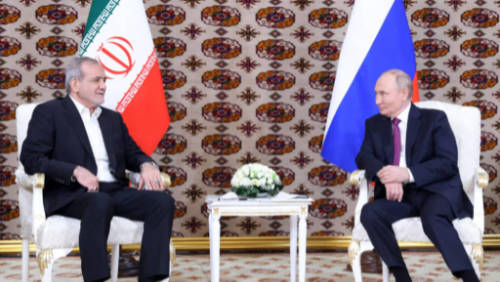
The Iranian Foreign Minister, Abbas Araghchi has been visiting Moscow and has met with both President Putin and Russia’s Foreign Minister, Sergey Lavrov. Apart from mediating in the proposed United States-Iran nuclear agreement, the two sides also held extensive discussions concerning Russia-Iran bilateral relations. Following these, Lavrov held a press conference to describe the latest agreements between them. Detailed were the Russia-Iran Strategic Partnership, the EAEU-Iran Free Trade Agreement, Bilateral Trade, Tourism, Infrastructure, the BRICS and SCO, the mutual relationship with the United Nations, Palestine and Syria and Iran’s nuclear programme.
The following are excerpts of Sergey Lavrov’s speech and his answers to the media’s questions, structured according to the topics set out below. The full transcript of the press conference is available on the website of the Russian Foreign Ministry
Overview
“We have engaged in comprehensive discussions with Abbas Araghchi, the Foreign Minister of Iran. These talks reaffirmed our commitment to achieving further positive outcomes in our bilateral relations and international collaboration, building upon the agreements reached by our Presidents and in light of my visit to Tehran in February of this year.
Our joint assessment is that Russian-Iranian relations are of a distinctive nature, fully aligned with the spirit of comprehensive strategic partnership. These bonds continue to develop dynamically, despite the complex regional and global situation, as well as attempts to exert pressure on our nations in order to hinder the development of both Iran and Russia.”
Strategic Partnership
“On April 8, 2025, the State Duma ratified the Treaty on Comprehensive Strategic Partnership between Russia and Iran. This treaty was signed during the official visit of President Masoud Pezeshkian to the Russian Federation in January 2025, and on April 16, 2025, the Federal Council approved the ratification law. We are confident that the enactment of this historic document will have a positive impact on our collaboration across all spheres, both bilaterally and on the international stage.
Our political dialogue remains highly active. Recently, our Presidents have met on three occasions: in Ashgabat on October 11, 2024, at the Interconnection of Times and Civilisations International Forum; in Kazan on October 23, 2024, on the sidelines of the BRICS Summit; and on January 17, 2025, during the official visit of President Pezeshkian to Russia.
Today, as a follow-up to the meeting at the Kremlin yesterday, where President Putin also received Minister Araghchi, we focused on a range of specific issues on the international agenda and discussed bilateral matters in greater detail, particularly in the realm of trade and economic cooperation.”
Tourism
Q: “The leadership of both countries had said that our countries had reached the level of strategic partnership. How is the work progressing to simplify visa requirements for tourists and other categories of travellers?”
Lavrov: “Iran is one of the many countries included on the electronic visa list that was introduced last year. This is the most simplified procedure. In addition, we are now taking additional steps with regard to a number of documents in order to fully exempt embassy staff, both diplomats and holders of service passports, from visa requirements. The draft agreement on visa-free tourist travel for citizens of Russia and Iran is nearly complete.”
Bilateral Trade
“Our trade turnover has demonstrated positive growth. By the end of last year, it increased by more than 13%, nearly matching the record figures of 2022 (approximately US$5 billion). This upward trend continues despite severe sanctions imposed by the West against Russia and Iran.”
INSTC
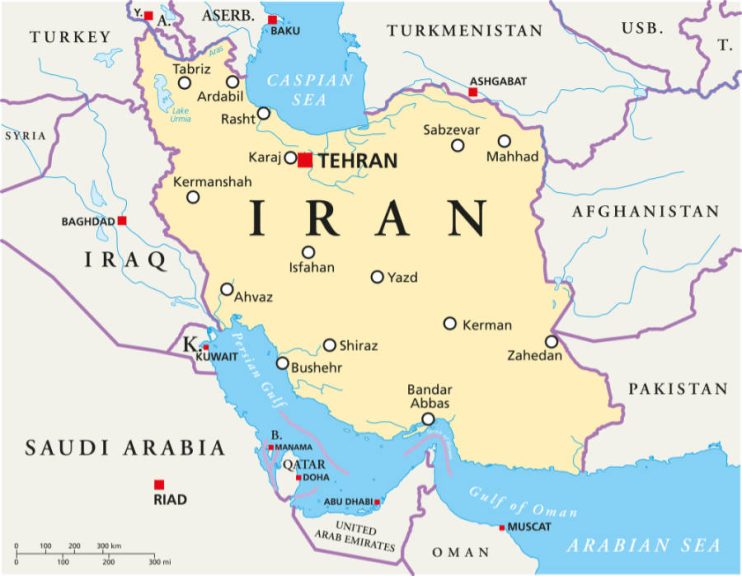
“We reviewed the preparations for the upcoming 18th meeting of the Intergovernmental Commission on Trade and Economic Cooperation, which will take place here in Moscow from April 23 to 25, 2025. Key topics for discussion include bilateral infrastructure, logistics, and investment cooperation, particularly the implementation of the flagship project to construct the Bushehr Nuclear Power Plant and the Rasht-Astara railway section, financed through a Russian loan as part of the International North-South Transport Corridor. This corridor will play a pivotal role in significantly expanding trade, economic, and other ties across our shared region.”
Free Trade Agreement
“We agreed to expedite the implementation of existing agreements to create the necessary conditions for the effective and comprehensive realisation of these projects. We also endorsed the further intensification of business ties. We are confident that the Free Trade Agreement between the Eurasian Economic Union and Iran, which will enter into force on May 15, 2025, will facilitate the expansion of trade turnover and the simplification of mutual trade procedures.”
United Nations
“We engaged in a constructive discussion of pressing international issues. We are of one mind when it comes to the importance for all countries to respect international law, primarily, the principles of the UN Charter in their entirety and interrelation, rather than selectively, as our Western “colleagues” often do.
We have a vested interest in strengthening the Group of Friends in Defence of the UN Charter which was established in 2021 and is drafting policy papers and circulating them in the General Assembly and other UN bodies.
Countering illegal, destructive, unilateral, and coercive restrictions was among the priorities that we discussed today. These restrictions cause more harm to the countries that levy them, and international trade, than they do to the countries on the receiving end, because they sharply limit competition and all other principles underlying the WTO and other entities serving the global economy.
We agreed to continue substantive work on these issues. In addition to counteraction at the political level within the UN and other multilateral platforms, we will continue to apply bilateral efforts in order to taper off the effect of these illegal sanctions to zero. We are fully confident that we will be able to accomplish this.”
BRICS / SCO
“We agreed to step up cooperation at the SCO and BRICS.”
Note: Iran is a full member of the BRICS group, which includes other full members Brazil, Russia, India, China, South Africa, Egypt, Ethiopia, Indonesia and the UAE. Partner states include Belarus, Bolivia, Cuba, Kazakhstan, Malaysia, Nigeria, Thailand, Uganda and Uzbekistan. Algeria, Turkiye and Vietnam are in the process of joining but have not yet ratified their agreements. Ten of these nations are Islamic.
Iran is also a full member of the Shanghai Cooperation Organisation, which aims to strengthen stability and security, fight terrorism, develop economic cooperation, energy partnership, scientific and cultural interaction. Full members of the SCO are China, India, Kazakhstan, Kyrgyzstan, Pakistan, Russia, Tajikistan, Iran and Uzbekistan; Afghanistan, Belarus and Mongolia are observer countries; Armenia, Azerbaijan, Bahrain, Cambodia, Cambodia, Egypt, Kuwait, Maldives, Myanmar, Nepal, Qatar, Saudi Arabia, Sri Lanka, Turkey and the UAE are SCO dialogue partners. Sixteen of these countries are Islamic and seven of them are located in the Middle East.
Palestine & Syria
“We have coordinated our strategies with regard to other matters of international politics, including the situation in the Palestinian territories, which is a matter of deep concern, as well as the developments in Syria after the change of government in December 2024, and in the Middle East in general. We continue cooperating as part of the Caspian Five and on South Caucasus issues.
Iranian Nuclear Programme
“We had a substantive discussion of the Joint Comprehensive Plan of Action on the nuclear programme of Iran. We both believe that Washington scuttling this plan in 2019 marred the general atmosphere of the talks. Nevertheless, we welcomed the push to reach objective and mutually acceptable agreements, including the ones that have been and continue to be discussed by Iran and the United States. Russia is willing to facilitate this process and will support in every possible way the agreements that factor in the legitimate interests of Iran.”
Q: “On April 19, indirect talks between the delegations of Iran and the United States will take place in Rome. We have spotted mixed signals coming from the United States. Do you think the Americans are genuinely willing to come to terms?
The US media reported some time ago that President Trump had asked President Vladimir Putin to mediate negotiations with Iran. Is this request being reviewed and what format of the deal does Moscow see as the most acceptable to ensure security in the region?”
Lavrov: “I noted in my opening remarks that we are prepared to help, to mediate, and to play any role that will be useful and acceptable to the United States from Iran’s point of view.
We believe that an agreement focusing exclusively on nuclear matters is the way forward if we want to reach an agreement. Notably, Iran is willing to look for an agreement as part of the Treaty on the Non-Proliferation of Nuclear Weapons. This is a matter of principle that must be taken into account by those who are trying to saddle the talks with non-nuclear issues and thus create a situation that is fraught with risks.”
I believe our talks were productive and held on time. We will continue to carry out the principled agreements reached by our respective presidents and to maintain constant contact.”
For further updates on Russia-Iran trade and development, please visit our Russia-Iran archives here.
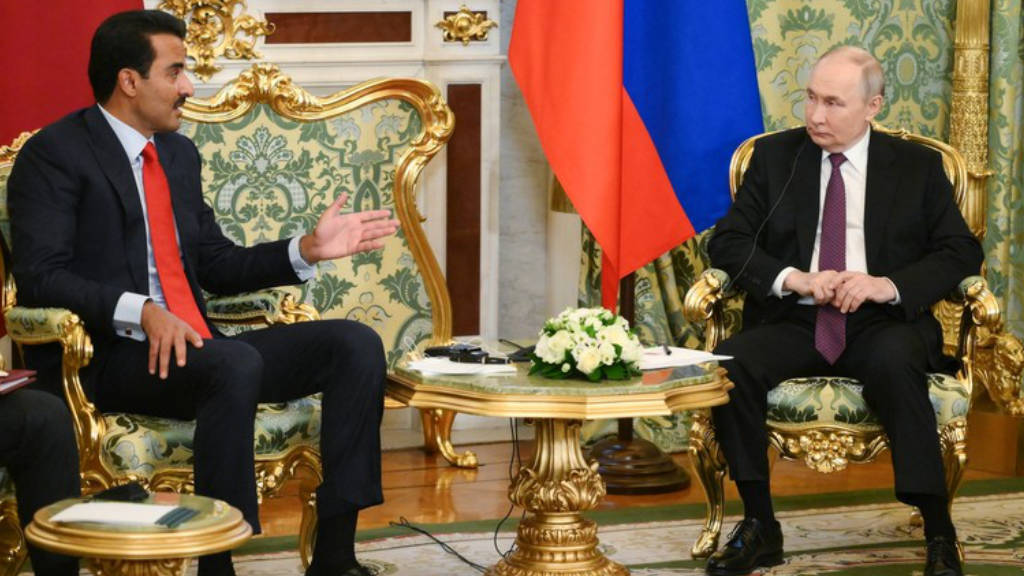
Russia and Qatar have signed an agreement to establish a new US$2 billion investment platform aimed at strengthening economic ties and boosting bilateral cooperation. The deal was signed on Thursday (April 17) following talks in Moscow between Russian President Vladimir Putin and Qatari Emir Sheikh Tamim bin Hamad Al Thani, who was in Russia on a state visit.
Under the agreement, the countries’ sovereign wealth funds will expand their partnership, focusing on joint investments in technology, healthcare, mineral extraction, and other areas of mutual interest. The Russian Direct Investment Fund (RDIF) and Qatar Investment Authority (QIA) will each contribute US$1 billion to the new platform.
The RDIF and QIA launched their first joint investment venture in 2014, with US$4 billion in capital. That platform has since backed projects across Russia in areas such as financial and banking services, artificial intelligence, metals, logistics, transport and other sectors.
The new partnership opens up “significant potential,” said RDIF CEO and Putin’s investment envoy, Kirill Dmitriev, creating opportunities for Russian companies in Middle Eastern markets and supporting Qatari businesses entering the Russian market. Dmitriev stated that “Together with Qatar, we’ve already invested in more than 15 projects worth over US$1 billion.”
In addition to the investment deal, the sides have also signed agreements and memoranda of understanding in finance, healthcare and sports. Putin and Al Thani also discussed prospects for diversifying and increasing the volume of bilateral trade.
Qatar is a highly influential Middle Eastern country known for its vast natural gas reserves and strategic position in the Gulf. Qatar’s economy is dominated by the energy sector, particularly natural gas production. The country is one of the world’s leading exporters of liquefied natural gas (LNG), and the North Field expansion, which will significantly increase LNG output by 2030, is a key part of its future economic growth. Additionally, Qatar is investing in renewable energy, particularly solar power, as part of its efforts to transition to a more sustainable energy mix.
Manufacturing is another sector seeing heavy investment, especially in petrochemicals, plastics, and metallurgy. The financial services industry in Qatar is growing rapidly, supported by the rise of digital banking, Islamic finance, and the country’s efforts to establish itself as an international financial hub. The construction and infrastructure sectors are thriving, particularly following Qatar’s hosting of the 2022 FIFA World Cup. Large-scale infrastructure projects, aligned with Qatar National Vision 2030, continue to drive growth.
Tourism is also becoming a key part of Qatar’s economy, with investments in luxury tourism, cultural events, and sustainable tourism initiatives aimed at attracting international visitors. Qatar’s transport and logistics networks, including advanced roads, rail, and ports, are also central to its regional connectivity and trade operations.
The country also benefits from several regional agreements within the Gulf Cooperation Council (GCC), including the GCC-EFTA Free Trade Agreement and the GCC-Singapore Free Trade Agreement. Qatar has signed 63 Bilateral Investment Treaties (BITs) with countries such as China, France, and India.
With a population of approximately 3.05 million, Qatar’s GDP (PPP) stands at US$356 billion, with a GDP per capita of US$115,075. Qatar’s 2025 GDP growth rate is projected at 2%.
Bilateral trade with Russia has shown a decrease over the past three years and is currently running at about US$100 million, with the two sides keen to improve upon this. Qatar exports perfumes and cosmetic oils, industrial fatty acids, coffee and tea extracts and dried fruit and vegetables to Russia, while importing Russian electrical equipment and some energy industry products.
Russian President Vladimir Putin met with Qatari Emir Sheikh Tamim bin Hamad Al Thani in Moscow on Thursday (April 17) to discuss regional security issues in the Middle East, focusing on the Israeli-Palestinian conflict and the situation in Syria. The visit marked Al Thani’s first official trip to Russia since 2018.
Palestine
Both leaders expressed concern over the ongoing civilian suffering in Gaza. Al Thani said Israel had failed to uphold the internationally brokered ceasefire deal agreed with Palestinian authorities in January, in which Qatar played a key mediating role.
Al Thani stated that Doha continues its efforts to broker a lasting ceasefire in the region adding “As you know, we reached an agreement months ago, but unfortunately, Israel did not abide by this agreement.” Putin and Al Thani both reiterated their support for a two-state solution to the Israeli-Palestinian conflict, with Putin saying that “Civilians continue to die in Palestine, which is an absolute tragedy. We believe – and our positions here are the same – that a long-term settlement can be achieved only and exclusively on the basis of the United Nations decision on the creation of the Palestinian state.”
Syria
Putin and Al Thani also discussed the situation in Syria following the ouster of longtime President Bashar Assad by a broad coalition of armed groups led by the Islamist Hayat Tahrir al-Sham (HTS) late last year. Assad, a close ally to Moscow, was replaced by HTS leader Ahmed al-Sharaa.
Putin said that Moscow was ready to work with Doha to address the humanitarian crisis and stabilize Syria, citing ongoing challenges in politics, security and the economy, adding “We would like to do everything to ensure that Syria remains a sovereign, independent and geographically integrated state.”
Al Thani said he recently met with Syria’s new leader, who conveyed an interest in maintaining strong relations with Russia, saying that “We discussed with al-Sharaa the historical ties between Syria and Russia, which were and are of a strategic nature. He is determined to continue cooperation with Russia, to secure ties based on mutual respect and the interests of the two peoples,” Al Thani said. Syria is “going through a very difficult period” and needs international support to preserve its territorial integrity and sovereignty, he added. This is one reason why the Russian military bases in Syria are currently remaining.
Both leaders reaffirmed their commitment to expanding cooperation in trade, investment, and regional diplomacy in Russia-Qatar relations.
Russia’s Permanent Representative to the UN Vasily Nebenzya has stated that Russian troops will be staying at their bases in Syria, as Moscow continues to hold talks with the new Syrian government in Damascus. Nebenzya said that “Russian servicemen will stay where they are. We are talking to the current Syrian government.”
Syria’s armed opposition units started a major offensive on government troops at the end of November and entered Damascus on December 8. Bashar Assad resigned as president, left the country and is now in exile in Moscow. That has created some political differences between Syria and Moscow, although for now Russia has taken a pragmatic approach and are supporting the new government. The new Damascus regime also requires military and economic assistance to prevent a return to civil war. Russia has a naval base in Tartus and the Hmeimim airbase near the port city of Latakia.
The de facto leader of Syria is now Ahmad al-Sharaa, also known under his nom de guerre Abu Mohammed al-Golani, who heads the militant group Hayat Tahrir al-Sham, which is currently designated as a terrorist organisation in Russia. On January 29, he declared himself the country’s interim president for a period that he said could last four to five years.
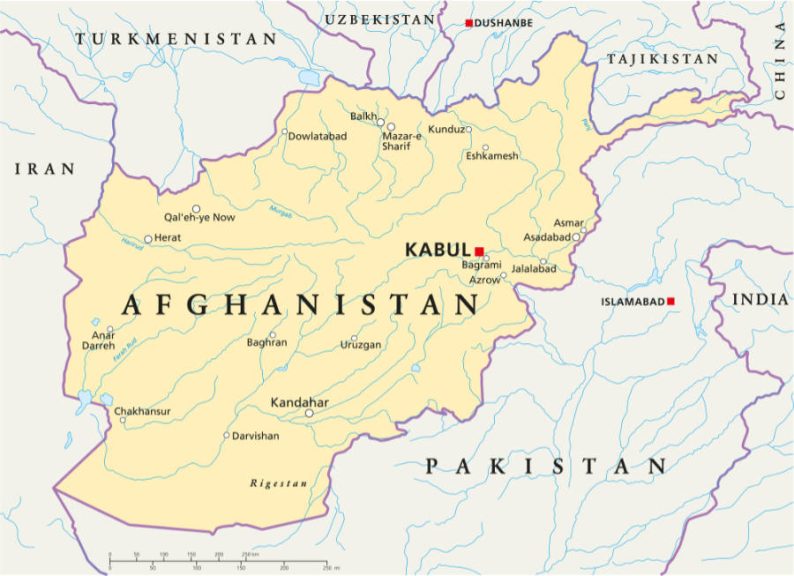
The Russian Supreme Court has, with immediate effect, removed the Taliban organisation in power in Afghanistan from its list of terrorist organisations. The Taliban movement, which took power in Afghanistan four years ago, had been listed as a terrorist entity since 2003, making any contact with its members a criminal offense under Russian law.
The decision follows calls from Russian officials to engage with the Taliban to help stabilize Afghanistan. The group returned to power in August 2021 following the withdrawal of US and NATO forces after their two-decade presence in the Central Asian country.
Since that time, Moscow has resumed diplomatic contacts with Taliban officials. Last year, President Vladimir Putin said it was “necessary to build relations with the current government” as they are now in control of Afghanistan.
In May 2024, the Russian Foreign Ministry and Ministry of Justice formally proposed lifting the ban. Earlier this month, the Prosecutor General’s Office submitted the motion to the Supreme Court, leading to Thursday’s ruling.
Previously, Russian law had no mechanism for removing organizations from the terrorist list. However, amendments passed in 2023 to the federal law on countering terrorism now allow the courts to suspend the designation if the group in question has ceased activities involving propaganda, justification, or support of terrorism, and no longer violates the Criminal Code.
Although the Taliban government is not officially recognized by the international community, Afghani officials have been attending Russian investment forums, and several Central Asian countries have recently renewed ties with Kabul. Kazakhstan removed the group from its terrorist list in June 2024, followed by Kyrgyzstan in September. Turkmenistan has resumed cooperation through the TAPI gas pipeline project, and Uzbekistan signed several joint agreements with Kabul in August 2024.
Mohammad Suhail Shaheen, the Taliban’s envoy to Qatar and its de facto international spokesman, said earlier this month that Kabul welcomed Russia’s move, saying the ban had stood “in the way of cooperation” between the two countries.
The move paves the way for increased cooperation between Moscow and the Taliban, which could include trade and investment agreements and other bilateral projects such as agreeing loans and mineral rights between Russia and Afghanistan.
Afghanistan has significant mineral reserves yet little infrastructure to extract them. Russia is interested in this potential, however the security situation remains tense.The proposed Uzbekistan-Afghan-Pakistan railway would also help with Afghani imports and exports.
With a population of approximately 42.6 million, Afghanistan has a GDP (PPP) of around US$88.38 billion, with a GDP growth rate of 2.3% for 2025. The GDP (PPP) per capita currently stands at US$1,365.
Afghanistan’s bilateral trade with Russia has shown growth, increasing from approximately US$86.6 million in 2021 to an estimated US$3 billion in 2024. That can be expected to increase as can enhanced Russian involvement in minerals exploration, mining and the realization of serious economic and infrastructural projects.
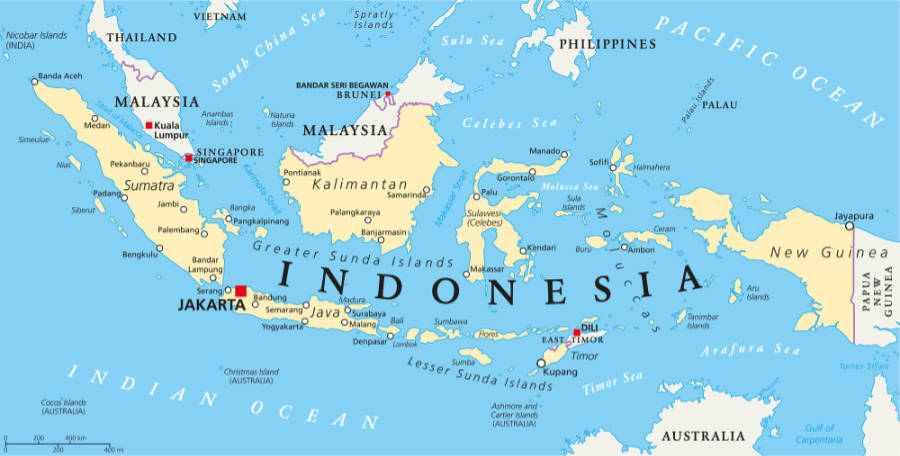
A meeting of the Russian-Indonesian Intergovernmental Commission was held last week in Jakarta at the Ministerial level, led by Russian First Deputy Prime Minister Denis Manturov. The meetings had a wide-ranging agenda, including the proposed free trade agreement, inter-banking, energy, and industrial and agricultural developments.
Indonesia is a major Southeast Asian economy with a population of 281 million, a GDP (PPP) of US$4.98 trillion and a 2025 expected GDP growth rate of 5%, driven by domestic demand and government initiatives. It is a member of the ASEAN bloc and a full member of BRICS. Bilateral trade with Russia is growing and reached US$4.3 billion in 2024 – leaving plenty of room for bilateral trade growth opportunities.
Russia-Indonesia Free Trade Agreement
Both sides are expecting the process of signing a deal on a free trade zone between the Eurasian Economic Union (EAEU) and Indonesia to speed up amid the United States’ decision to boost tariffs for its foreign trade partners, according to Russian First Deputy Prime Minister Denis Manturov. He said that “The talks are in progress, and I hope the agreement will be signed before the end of this year. The United States’ initiative to considerably increase foreign trade tariffs, it may give an additional impetus to speed up the signing of the deal.” Russian Deputy Economic Development Minister Vladimir Ilyichev said in February that the EAEU talks with Indonesia are scheduled “to sign an agreement on free trade in goods in 2025, or to at least complete the talks.”
Interbank Relations
Manturov said that establishing direct settlements between Russian and Indonesian banks is currently being addressed by both countries’ regulators, saying that “Given current realities, I must emphasize the importance of uninterrupted mutual settlements. The key task today concerns expanding direct correspondent banking relationships between our countries’ financial institutions.”
Russian-Indonesian trade turnover over the past five years has grown more than 80% with Indonesia becoming one of Russia’s top three trade partners in ASEAN last year.
Energy
Russia’s Deputy Energy Minister Roman Marshavin said during the Russia and Indonesia Energy Dialogue that Russia and Indonesia are considering joint projects in the area of renewable energy, developing hydrocarbon deposits, and nuclear energy. A “Course for Expansion” discussion was held involving representatives from Rosatom state nuclear energy corporation, the Institute of Oil and Gas Initiatives, the Indonesian authorities and its domestic energy companies. Marshavin said that ‘Russia and Indonesia have significant resources and potential for mutually beneficial co-operation.’
Indonesia has coal and petroleum industries, and imports refined and crude petroleum.
Russian-Indonesian cooperation in the energy sector may include joint projects in geological exploration, production and processing of hydrocarbons, with Manturov saying that “We see potential for expanding cooperation in the energy sector, including both the supply of fossil fuels in demand in Indonesia and joint investment in the geological exploration, production and processing of hydrocarbons, adding that Russia is “ready to share expertise and advanced solutions to support Indonesia’s plans for developing its own nuclear energy industry.”
Industrial Cooperation
Manturov also said that Russia could increase its exports to Indonesia through timber and metallurgical products, adding that “Diversifying Russian exports to Indonesia is important. We are already seeing positive developments here. Alongside energy products, we’re increasing exports of food and mineral fertilizers. In 2023, Russian wheat shipments resumed. We see opportunities to develop exports of timber and metallurgical products.”
Manturov also mentioned plans by Russian logistics companies to develop port infrastructure in the region. “We’re paying special attention to transport cooperation, focusing on economically efficient container routes and integrated multimodal solutions. Major Russian logistics operators are also developing investment projects for port infrastructure development.”
FESCO have also announced plans for its first vessel call at Indonesia’s Jakarta port this month as part of its Vietnam-Malaysia line. Delo Group Board Chairman Sergei Shishkarev spoke about plans to create a dedicated palm oil import terminal in Novorossiysk. Indonesia is the world’s leading producer of palm oil.
Manturov also said that “There is mutual interest in joint shipbuilding projects, with Russian companies ready to offer expertise in hovercraft and hydrofoil vessels. The key potential lies in ship component manufacturing, vessel design and construction, particularly hovercraft and hydrofoils, as well as innovative electric-powered vessels.”
Halal Certification
Nazary Skrypnik, Head of the Federal Accreditation Service, and Ahmad Haikal Hasan, Head of the Halal Product Quality Assurance Agency of the Republic of Indonesia (BPJPH), signed a Memorandum of Understanding on Halal quality infrastructure. ‘The Memorandum will be the basis for further cooperation on the issues of recognising the accreditation of Russian Halal certification bodies and reducing trade barriers between our countries,’ said Nazary Skrypnik.
The ability to verify Russian product quality under the halal system is linked in particular to expanding supplies of livestock products, and other products to the Indonesian market.
Agricultural Relations
Russia’s grain exports to Indonesia grew 22% in volume terms in 2024, with further development of bilateral agricultural cooperation expected to include both grain and livestock products, with Manturov stating that “Russia and Indonesia have significant potential to develop bilateral trade in agricultural products. Our country is the world’s leading wheat exporter, while Indonesia is one of the largest global buyers. This creates a foundation for mutually beneficial cooperation.”
Wheat currently accounts for 92.3% of Russia’s trade in agricultural products with Indonesia, coriander seeds make up 2.6% and frozen fish 2.2%. Bilateral trade in agricultural products between the two countries jumped 41.4% to US$1.5 billion in 2024.
Livestock
Manturov said that work is underway to open the Indonesian market to Russian livestock producers, adding that “In March this year, Indonesian representatives visited Russia to inspect beef production facilities. We currently await Indonesia’s position following this visit.”
Last week, Russian Deputy Agriculture Minister Maxim Borovoi and Russian Export Center head Veronika Nikishina had discussed prospects for Russian beef producers entering the Indonesian market. Nikishina linked potential agricultural export growth to plans for signing a free trade agreement between the Eurasian Economic Union (EAEU) and Indonesia. Final tariff negotiations are now underway.
Borovoi said that the two countries are discussing “increasing the volume of animal product supplies, in principal opening Indonesia’s animal products market.” Indonesia currently sets quotas for beef imports, but Russian companies cannot apply for a share of them due to their lack of certification to the country’s regulatory standards, Borovoi said. Talks are being held on launching the certification process.
Borovoi said “Our market is big, so we are prepared to meet all the demand there is. But, at the same time, competition in Indonesia is high, so our colleagues will have to work with their local partners.” Russia is also discussing exporting poultry meat, dairy products and other animal products to Indonesia.
Russia Air Base
Western media reports of Russia requesting the use of a military air base in Indonesia’s eastern Papua region have proven false, with Australian Leader of the Opposition Peter Dutton admitting he ‘made a mistake’ in asking why the Australian Prime Minister did not appear to be aware of the issue. The incident, which was widely reported as Russian aggression in the Western media, can be read about here.
In fact, this fake news illustrates how Western politicians are using Russia as a political scaremongering tool in attempts to gain domestic leverage over their rivals.
Summary
Indonesia follows a non-confrontational and essentially neutral foreign policy and tends not to take sides in diplomatic or military issues that do not directly affect it. Due to its distance, trade and investment with Russia has traditionally been limited, however with changing supply chains and economic growth dynamics, the future of bilateral trade has significantly improved. Indonesia is a powerful and rapidly growing economy, with a strong and fast-growing middle-class sector.
Russia’s diverse engagement with Indonesia can only help develop this potential further as mutual trade and investment ties are explored.
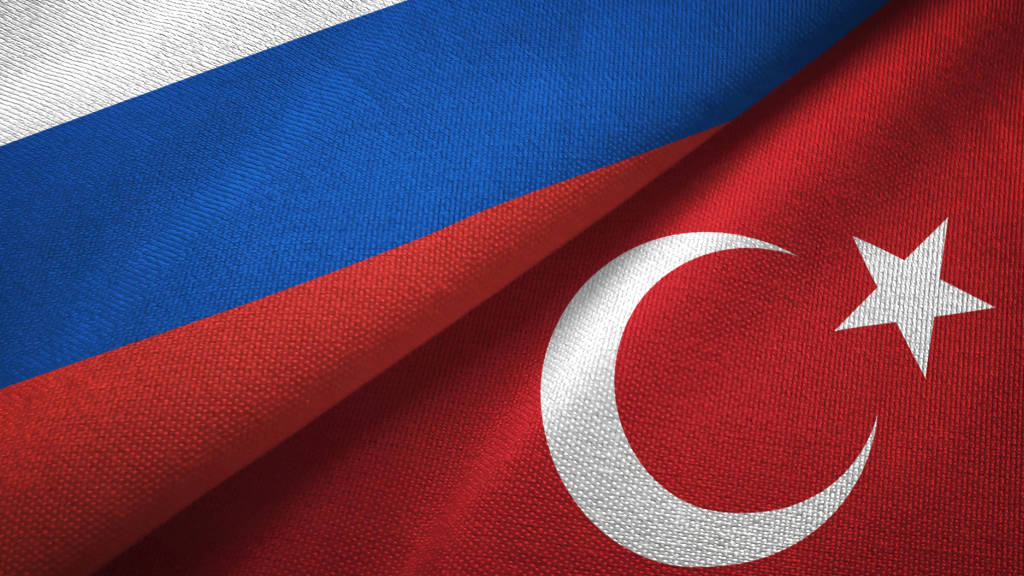
The Russian Foreign Minister Sergei Lavrov and his Turkish counterpart Hakan Fidan have discussed the situation in the South Caucasus and the Black Sea region and Russian-Turkish economic and energy cooperation, during the Antalya Diplomacy Forum held last week.
The Antalya Diplomacy Forum (ADF) is an annual conference on international diplomacy that is held in Antalya, Turkiye since 2021. During the forum, ideas and views on diplomacy, policy and business are exchanged by policy makers, diplomats and academics. The meeting brings together some 3,000 participants for up to three days to discuss global issues across several sessions.
Key bilateral items on the global and regional agendas, including the situation in the Middle East, North Africa, the South Caucasus and the Black Sea region were discussed in detail. Positions were compared on topical issues of the bilateral political dialogue, and trade, economic and energy cooperation.
Navigation in the Black Sea is a key issue, as Turkiye controls the Bosphorus exits to the Eastern Mediterranean and global markets. How this is managed and secured in a post-Ukraine conflict era is a substantial matter. The two countries also collaborate on the joint Turkstream gas pipelines which originate in Russia, are combined with Turkish gas and then exported onwards to the European Union.
Bilateral trade with Russia has seen fluctuations, growing from US$33 billion in 2021 to US$68 billion in 2022, before declining to US$57 billion in 2023. Trade stabilized at US$56 billion in 2024, with Russia being Turkiye’s second largest trade partner after China.
Turkiye is an observer nation to the Shanghai Cooperation Organisation and is a partner of the BRICS group. Both countries have committed to increasing bilateral trade to US$100 billion by 2030.
China’s auto manufacturers have leapt to a 45% Russian market share over the past three years as European manufacturers exited the market and Chinese brands swept in to replace them. However, oversupply and changes in Russia’s import tariffs on vehicles have meant that up to ten Chinese brands may leave the Russian market due to lack of demand
The Russian Automobile Dealers Association has stated that “The number of Chinese automotive brands that has flooded the market has turned out to be higher than market capabilities.” They note that a combination of warehouse overstocking, high lending rates and low consumer activity means that the departure of some brands is inevitable. These will likely include China’s Oting, Kaiyi, SWM, Livan, VGV and MG as the main losers.
According to studies by Gazprombank Autoleasing and AutoBusinessReview, 213 Chinese auto showrooms closed in Q1 2025, with the total in Russia decreasing to 2,700. AutoBusinessReview noted that “The contraction of business of such brands as Bestune (FAW) looks especially noticeable — the loss of 26 showrooms.”
Other reasons for the lack of success of some of the Chinese entrants has been poor maintenance and spare parts capabilities. Russian dealers will refuse to renew contracts with Chinese brands that generate losses, according to Maxim Kadakov Editor-in-chief of Za Rulem, an industry publication.
Nikolai Ivanov, director of the new cars department at the Rolf auto distributor, says that Russian dealers are increasingly deciding to terminate franchises that do not provide economic efficiency. Ivanov says that for distributors, this requires a reduction in the distribution chain costs, including retail representation, suggesting that “As a result, the manufacturer loses the infrastructure base necessary for presence on the market.”
Sergey Udalov, executive director of Avtostat says that Russian dealers are in no hurry to take part in tenders for dealership of Chinese brands: “No-one wants to open a new dealership or take extra cars to the warehouse.”
Andrey Terlyukevich, CEO of AutoSpetsTsentr, says that “Judging by the sales statistics for the first quarter of 2025, the question “Why are you here?” is raised by many brands. For example, Forthing, VGV, MG, Oting, JMC, Livan, whose monthly sales in the country do not exceed several dozen cars.”
At least one brand from China has already left the Russian market – Skywell, whose distribution contract was not renewed. Many of these brands however are moving onto new exports markets such as the UAE.
Renat Tyukteyev, Deputy General Director for New Car Sales at Avilon, says that brands whose sales in three months do not exceed 60-70 new cars have a lower chance of survival. Several brands, mainly in the budget and mid-price segments, may leave the market. “In some cases, we are talking about a specific output of five to seven cars per month per dealership, which does not cover basic costs and leads to financial losses on the part of the dealer,” said Nikolai Ivanov. Brands whose sales in the passenger car segment do not reach 1,000 units per year are at risk.
Well-known brands with a developed dealer network have a better chance of gaining a foothold in the market. Russians increasingly choose them to avoid problems with service, rather than cars of lesser-known brands, even with a more favourable price. At the same time, some brands may not immediately leave the Russian market, despite low sales. “Preserving the image, justifying investments, avoiding responsibility to car dealers or hope for growth in the future – there are many reasons to stay” notes Terlyukevich.
The situation has been further compounded by Russia adapting to an excess importation of Chinese-made cars by imposing tariffs of the equivalent of US$7,500 on all imported cars, more than doubling the rate set in September 2024. The fees will continue rising by 10-20% annually until 2030.
That has meant that Chinese auto brands with longer-term attitudes towards the Russian auto market are now investing in Russia to manufacture and assemble vehicles, to bring the industry in line with the Russian governments industrial policies.

 Русский