Russia imported 20,000 tonnes of seafood from Iran in 2024, up 25% from the previous year, the Russia Fish Union said, citing the European Market Observatory for Fisheries and Aquaculture Products (EUMOFA). In monetary terms, imports also increased 25%, reaching US$60 million in value.
Russia accounted for 10% of Iran’s total seafood exports in volume and 17% in value, while ranking fourth among the top five buyers of fish and seafood from Iran.
Fish makes up the majority of Iran’s exports, with a share of 81%, followed by crustaceans (17%), while the remaining volume consists of molluscs. However, the structure of supplies to Russia differs significantly from the overall picture, the union said. The bulk of Russian imports – 89% by weight – consists of Vannamei shrimp (King Prawn). A total of 18,000 tonnes were imported, up 25% compared to 2023. Trout supplies were up 35% to 1,800 tonnes, accounting for 9%.
Iran has had a temporary free trade agreement with Russia via the Eurasian Economic Union since 2018, with the full FTA coming into effect on May 15.
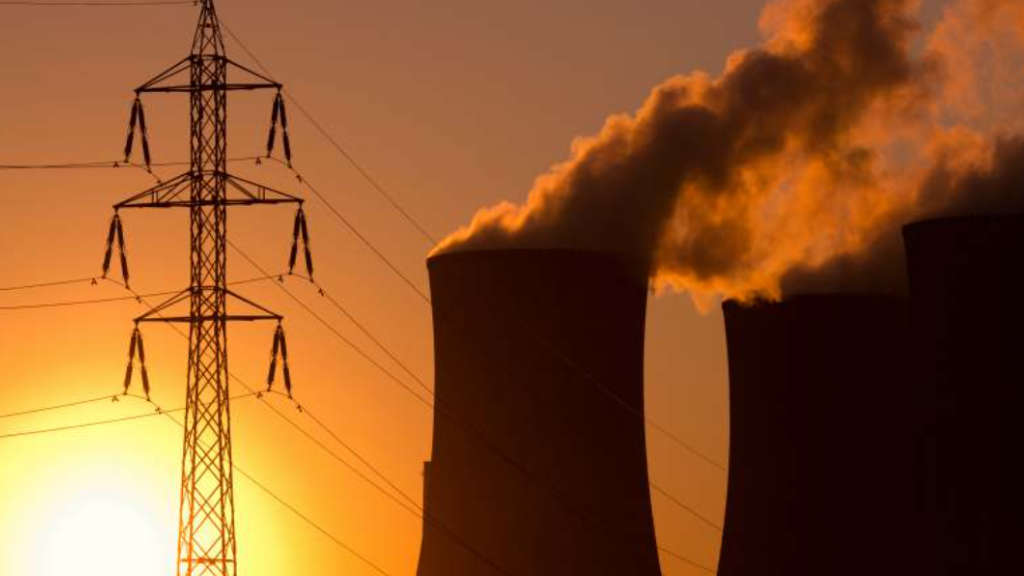
Inter RAO Export Project Management (a division of Inter RAO) plans to develop a project for the construction of the Kiwira thermal power plant (TPP) in Tanzania.
The approximate cost is US$1.6 million. In 2025, only the development of the feasibility study is planned, including the contracting of an appropriate subcontractor from the Russian side.
More than 90% of Tanzania’s energy system depends on the use of firewood as fuel. The country’s most powerful power plant is the 204MW Kidatu hydroelectric plant, but its operation is unstable and unreliable due to drought problems.
The Kiwira Mine-2 Power Plant in Tanzania is has several units of different capabilities, none of which are currently operational. The Tanzanian government is looking for a partner to form a public-private partnership and US$437 million in financing to complete the project.
Inter RAO Export – Project Management is a specialised company within the Inter RAO Group, and was established in 2011 to develop international business in energy equipment supply and engineering, including construction, reconstruction and repair of power facilities.
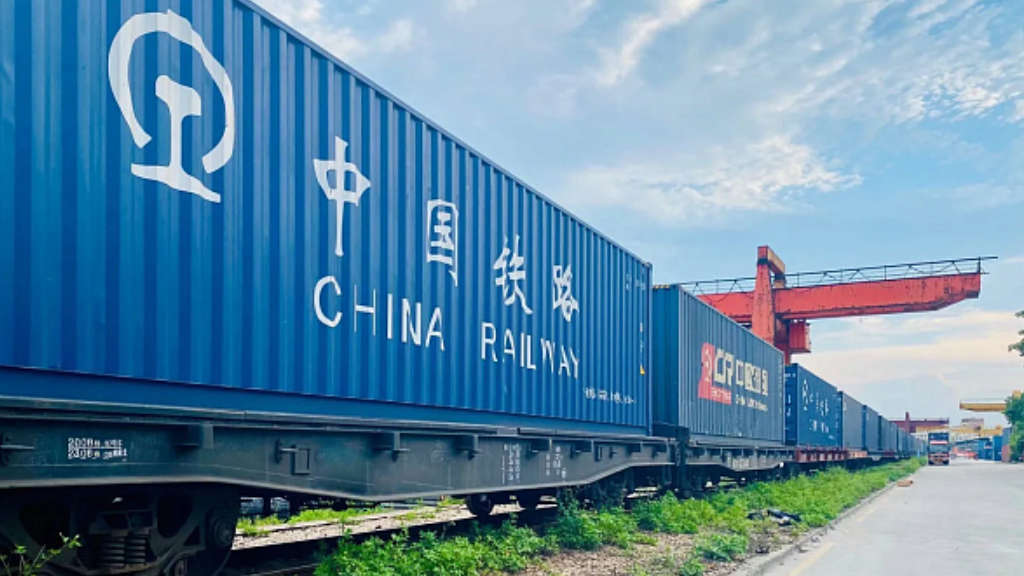
The time and cost of shipping containers from China to Russia have significantly decreased, with the supply of transportation now exceeding shipping demand. The transportation time has dropped to three weeks, and the rates on the Shanghai-Moscow route are now about US$5,000 per container.
Oleg Poluektov, a Director of logistics for the Russian company ModernWay has stated “From November to February, tariffs for road and direct rail transportation from China to Russia decreased by 30%, and for sea shipments to ports in the Far East by 20%.”
The rapid drop in tariffs for rail transportation is due to a shortage of goods from China shipped to Russia the supply of transportation exceeds demand. The reason is the global reduction in the volume of Russian purchases from China, with orders from the fashion industry for the 2025 summer season reduced by 30-35%.
Igor Rebelsky a director of VIG Logistics has said that “This is partially due to the increase in the key bank lending rate, that has directly affected purchases of goods traditionally financed by loans, with the decline especially noticeable in the fashion segment.”
The resumption of external factors such as a rise in bank interest rates to fund imports, while impacting certain non-essential Russian importers, is also a sign that normal market factors are now replacing external factors such as the impact of sanctions on Russian imports which had previously been the main driver in determining import-export costs.
‘Right now the growth rate is 9 per cent. I think the year-on-year growth rate will be at least 8%. Because we have summer track work ahead of us. These winter months now are the maximum efficiency of the railway. But at the same time we are developing. I think that an increase in traffic of not less than 8% for the year’, – said RZD first deputy CEO Sergei Pavlov on the sidelines of the TransRussia exhibition.
In 2024, 175 million tonnes of freight were transported by rail between Russia and China, 14 million tonnes more than in 2023.
Russia’s VTB bank has launched phone number-based transfers to Azerbaijan, in moves that circumnavigate the financial sanctions placed on Russian banks using the SWIFT financial transfer service. Russian retail clients can now instantly send money to Azerbaijan using the recipient’s phone number to clients of the subsidiary bank – VTB Azerbaijan.
The transfer is made from a Ruble account and the funds will be instantly credited to the recipient’s account opened with VTB Azerbaijan in Azerbaijan’s national currency, the Manat. The transfer fee is 0.5% (minimum 30 rubles), while clients can transfer up to ₽300,000 (USD3,670) in each transaction. The service is available to users via internet banking and the VTB Online mobile app for Android smartphones.
Alexei Khranilov, the head of the transfers department at VTB’s Retail Transactional Business Division said “Seventy percent of our retail clients choose phone number-based transfers to send money abroad because it is fast and simple. Understanding how much users are interested in this method of transactions we are expanding our horizons to Azerbaijan.”
Russians can also send phone number-based transfers to Azerbaijan, Armenia, Belarus, China, Tajikistan, and Uzbekistan.
In 2024, VTB’s retail clients made 2.1 million transfers to friendly countries’ currencies, up sixfold compared to 2023. The largest share in terms of volume and number of transactions was held by transfers to Tajikistan, China, Belarus, Uzbekistan, Kyrgyzstan, and Kazakhstan.
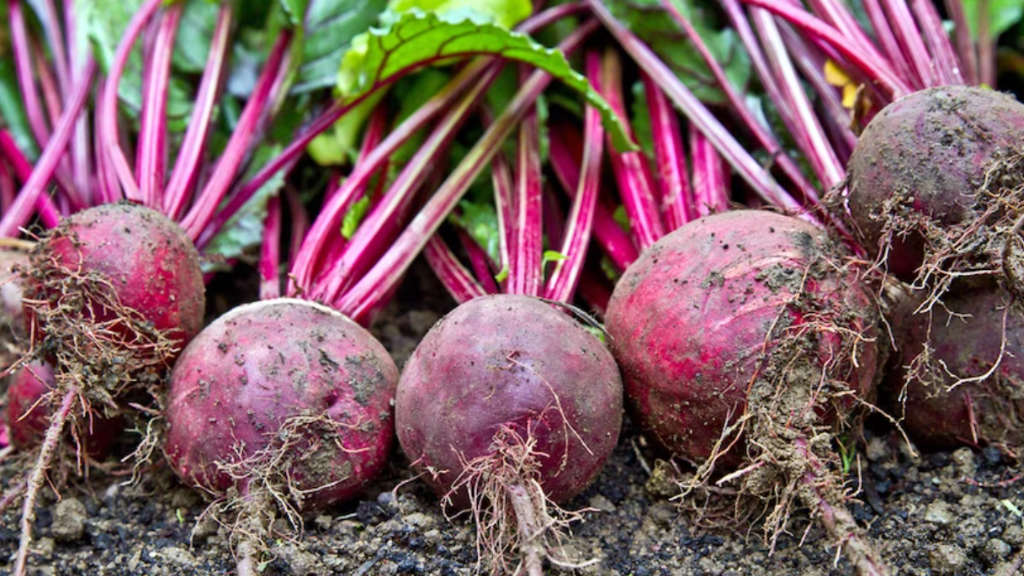
Russia has begun exporting beet pulp (a byproduct of sugar beet processing) to Egypt for the first time. More than 6,500 tonnes of the product were shipped in January, according to Russia’s Agroexport center.
Morocco is the largest global buyer of Russian beet pulp, with exports to the country increasing six-fold in January to more than 27,000 tonnes, compared to nearly 4,500 tonnes a year ago. European countries were among the largest buyers of Russian beet pulp, however this market has now been suspended with Russian exporters looking to alternative markets.
Beet pulp is primarily used as fodder for livestock, particularly horses and cattle, due to its high fibre content and energy density. It can also be used in human food applications and as a feedstock for biofuels and other biotechnological processes.
Russia is a major global producer, along with Germany, the United States, France, the United Kingdom, Spain and China. In 2024, the Global Beet Pulp Market was valued at US$169 million. The size of this market is expected to increase to US$228 million by 2031, growing at a Compounded Annual Growth Rate (CAGR) of 4.4%.
This unique and brand new 2025 Guide includes Russia’s trade, investment and development status with Benin, Burkina Faso, Cape Verde, The Gambia, Ghana, Guinea, Guinea-Bissau, Ivory Coast, Liberia, Mali, Niger, Nigeria, Senegal, Sierra Leone, and Togo.
West Africa is a diverse region, with a considerable European colonial past and some regional conflicts, especially in the Sahel region. Parts of it are changing fast as colonial powers depart with Russian diplomacy replacing decades of European influence.
Key to Russian interests in West Africa are its maritime accessibility and the Atlantic Ocean, while the region can be seen as a developing longer-term strategy in African mineral and energy ventures as well as a substantial consumer growth market. Russia for example is one of the world’s largest producers of wheat, while conflicts and global warming are diminishing Africa’s ability to feed itself. Consequently, Russia’s involvement in West Africa is also diverse.
Significant multilateral confidence and trade and investment gains have been made by the recent ‘Russia-Africa Summits’ as well as Russia’s soft power via its ‘Russia House’ programmes, many of which have been in place since Soviet times. That longer-term is now paying off, politicians now in power, such as Ghana’s current President, have graduated from Russian Universities.
Burkina Faso, Mali, and Niger meanwhile have created the Alliance of Sahel States as a separate trade bloc.
In addition to this, the West African Economic and Monetary Union (UEMOA), brings together eight West African states of which seven were French colonies until the late 1950s. This includes Benin, Burkina Faso, Guinea-Bissau, Ivory Coast, Mali, Niger, Senegal and Togo.
The West African Monetary Zone (WAMZ) is a group of six countries within ECOWAS that plan to introduce a common currency called the eco. This includes The Gambia, Ghana, Guinea, Liberia, Nigeria and Sierra Leone.
Finally, the African Continental Free Trade Agreement (AfCFTA) includes all West African countries. This guide is a complimentary download and can be obtained free of charge here.
The Russian President, Vladimir Putin, has been discussing bilateral relations with the Tajik President, Emomali Rahmon, in Moscow. They discussed prospects for expanding bilateral relations of strategic partnership and alliance, with a focus on trade, investment, cultural and humanitarian cooperation in addition to exchanging opinions on key regional issues. Both countries are members of the Commonwealth of Independent States and the Shanghai Cooperation Organisation.
Bilateral agreements on cooperation in cleaning up areas of Tajikistan affected by uranium mining and ore mining operations, and on the creation of an Industrial Park in Tajikistan were signed. In addition to these, the Strategic Partnership Programme of the two countries’ Defence Ministries for 2026–2030, the Agreement between the Russian Ministry of Industry and Trade and the Tajik Ministry of Industry and New Technologies on industrial cooperation, as well as digitalisation and information technology were also agreed and signed.
Russia is among Tajikistan’s largest foreign trade partners. Last year, trade grew by more than 7%, reaching US$1.5 billion. Russia is also a leading investor in Tajikistan’s economy, with more than 300 Russian invested enterprises operating in Tajikistan with a combined capital investment of about US$1.6 billion.
Putin summarized Russian involvement in Tajikistan as follows: “Russia and Tajikistan have almost completely stopped using foreign currency in mutual settlements. The Ruble’s share of commercial transactions exceeded 96% at the end of 2024, while sustainable channels of credit and banking cooperation are being consistently built. A number of Tajikistan’s banks have connected to the financial message transmission system of the Central Bank of Russia. Russian and Tajikistani citizens have the opportunity to make cross-border money transfers through the fast payment system. Issues related to wider use of the Mir Russian payment cards in Tajikistan are being resolved.
Russia supplies large volumes of oil and oil products to Tajikistan, almost completely covering the needs of the Tajik economy for hydrocarbons. Gazprom Neft is actively operating on the Tajik market, owning a network of oil depots and petrol stations and providing a significant share of all tax payments to the state budget of the country.
Russia is also helping Tajikistan develop hydropower. The Sangtuda hydroelectric power station, built with Russian participation, produces 12% of the electricity consumed by Tajiksitan. Russian companies are ready to continue assisting in operating and upgrading existing generation capacities in Tajikistan based on the most advanced technological and environmental standards.
Industrial cooperation is also deepening. Russia’s BTK Group is implementing a project to create a full-cycle light industry cluster in Tajikistan, starting from cotton cultivation to the production of finished garments. Deliveries of mechanical engineering products, cars, pipes, rolled metal products to the Tajik market have been established, and, in accordance with the intergovernmental agreement signed today in Dushanbe, a Russian-Tajik Industrial Park will soon be set up.
It is well known that about a million of Tajiks live and work in Russia. They are employed in various sectors, especially such dynamically progressing ones as construction and housing and utilities, transport, and logistics. They make a big contribution to the development of the Russian economy.”
The full free trade agreement between the Eurasian Economic Union (EAEU) countries and Iran will go into effect on May 15, according to Andrei Slepnev, the Eurasian Economic Commission Trade Minister. The EAEU includes Armenia, Belarus, Kazakhstan, Kyrgyzstan and Russia. It fills the geographic space between Eastern Europe and Western China.
The EAEU said in a statement that the commission had received official notification from Iran about the completion of domestic procedures necessary for the full-scale FTA agreement to go into effect. Iran was notified in January that procedures in the EAEU had been completed.
Slepnev said “According to the agreement, following the exchange of letters confirming the completion of the necessary procedures, a period of 60 days is envisaged for the document to take effect. Therefore, the agreement enters into force on May 15, 2025.”
According to EEC (Eurasian Economic Commission) estimates, the new agreement will become an effective tool for the development of trade between the countries and will more than double trade turnover to $12bn. Russian companies will have preferential access to supply 90% of goods, which is 99.2% of current Russian exports to Iran.
The average duty rate for Russian suppliers will drop from 30% to 4.5%. At current export levels, this should save US$380 million in Iranian tariffs on Russian imports, Slepnev said earlier, citing EAEU estimates.
The Murmansk Sea Fishing Port (MMRP) plans to expand multimodal shipments of frozen seafood exports, according to its CEO Andrei Borodin. This involves frozen, pre-boiled crab being shipped from MMRP to Vladivostok in refrigerated containers and then by sea to South Korea’s Busan Port.
Borodin said that “This pilot project is important because until last year there was virtually no container handling at the fishing port and we are essentially developing this new cargo stream from scratch. Last year we handled 139 containers and this year we expect to approximately triple this cargo traffic.”
The project is being carried out with fishing company Antey Group and railway shipper Dalreftrans, who are also working on bringing other Russian fishing companies and Chinese customers into this logistics chain.
Antey Group previously announced it had started exporting live Barents Sea caught Kamchatka crabs to China. The supply chain included shipment in special trucks from Murmansk to Moscow, then by air to Shanghai and Beijing. The group later said its vessels had worked out a route along the Northern Sea Route to ship live crab from the Barents Sea to Asia.
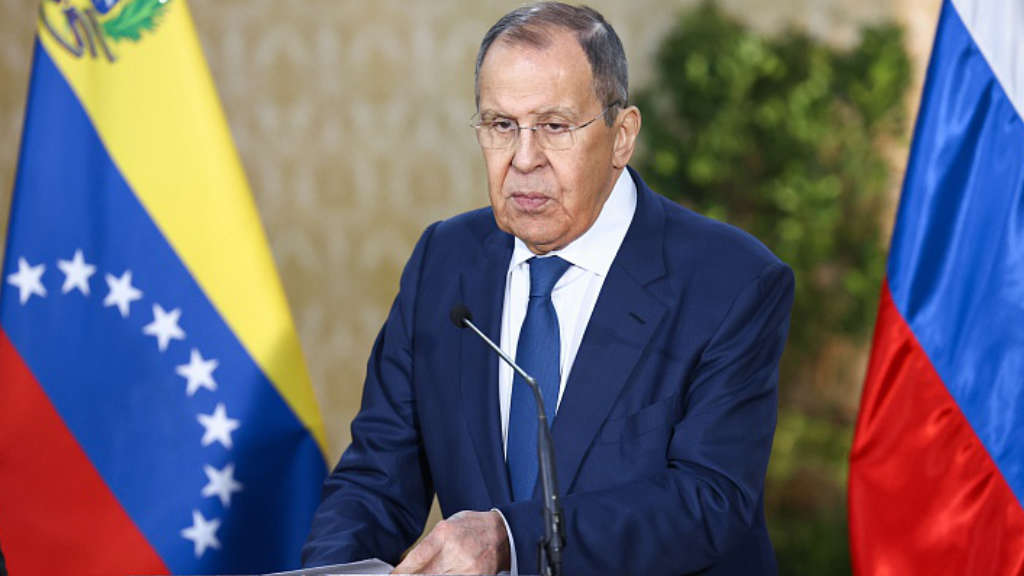
Russia and Venezuela are celebrating their 80th year of diplomatic relations this year, with Russian Foreign Minister Sergey Lavrov giving comments on contemporary relations on Friday (March 14). This is an edited overview of what he had to say, concentrating on the trade and investment issues:
Background
“Today, Russian-Venezuelan relations are developing on a firm basis of the Treaty of Friendship and Cooperation, which was signed in 1996, and a common foreign policy philosophy focused on establishing and protecting national sovereignty and a balance of interests in international relations. Our countries are committed to the creation of a more just polycentric world order based on the principles of the UN Charter in their entirety and as a whole, and the right of nations to independently determine their paths and models of political and socioeconomic development.
United Nations
Russia and Venezuela have developed a practice of mutual support at the UN, where our partner goes on record by making vocal statements in support of the key Russian initiatives when it has no right to vote because of the Western sanctions. Venezuela has traditionally co-authored our draft resolutions on combating the glorification of Nazism, on the no first placement of weapons in outer space, transparency and confidence-building measures in outer space activities, the prevention of an arms race in outer space, and on international ICT security.
OPEC & BRICS
We attach great importance to the further strengthening of our cooperation to stabilise the global energy market, including within OPEC+ and the Gas Exporting Countries Forum.
We value Venezuela’s interest in deepening cooperation with BRICS – a association advancing the interests of the Global South and East, and a pillar of the multipolar world order.
COLLABORATION
Political engagements rest on robust and multifaceted trade, economic, and investment cooperation. Despite Western sanctions, we have advanced mutually complementary collaboration. Moreover, unilateral restrictive measures against Russia and Venezuela have brought our nations closer, while our economies have developed resilient immunity to such pressures.
Practical coordination is channelled through the High-Level Russian-Venezuelan Intergovernmental Commission. At its 18th session (Caracas, November 7, 2024), a long-term plan for developing key cooperation areas until 2030 was signed.
BILATERAL TIES
Energy-sector investments in Venezuela underpin economic ties. Bilateral trade volumes grow via Russian exports of chemical, petrochemical, pharmaceutical, and agribusiness products. The Russia-Venezuela Council of Entrepreneurs operates effectively.
We systematically address logistical challenges within new geo-economic realities. Alternative financial mechanisms are being refined through interbank correspondent networks and central banks’ cooperation. The Russian-Venezuelan Evrofinance Mosnarbank functions successfully. Since 2024, Venezuela has accepted Russia’s Mir payment system cards via partner bank terminals. Independent transport and technological infrastructure leveraging domestic solutions is under development.
Military and military-technical cooperation, strengthened by joint exercises, visits of Russian vessels to Venezuelan ports, and initiatives to maintain the combat readiness of the Venezuelan Armed Forces, forms a cornerstone of bilateral relations.
Direct Caracas-Moscow-Caracas flights, operational since May 2021 via Venezuela’s state airline Conviasa, further deepen our ties. This route significantly contributes to tourism growth and strengthens friendship and trust between our peoples.
People-to-people ties have been a major element in our relations. Russia has been seeking to expand them by allocating state-sponsored scholarships so that Venezuelan nationals can enrol in Russian higher education institutions. The Centre for Open Education in the Russian Language and Teaching Russian at the Bolivarian University’s Francisco de Miranda Professional Training Institute operates successfully in Caracas, promoting mutual understanding. Universities have been forging closer ties too and there have been more delegation exchanges among civil society, research, educational and youth associations, coupled with joint lectures and workshops. There is also the good tradition of regularly receiving members of the Venezuelan Foreign Ministry as interns at the Russian Foreign Ministry’s Diplomatic Academy.
Based on the experience we have accumulated in our relations and by being creative in building on this legacy, we reaffirm our commitment to further strengthening our friendship and promoting lasting, stable, predictable ties. We look to the future with optimism. We are certain that our bilateral relations will keep expanding into new domains, while our alliance on the foreign policy front will enable us to achieve our objectives.”
The full text of Lavrov’s speech can be found here
ADDITIONAL COMMENTS
Venezuela holds the largest proven oil reserves in the world, primarily in the Orinoco Belt, and its economy is heavily reliant on the oil industry. Despite facing challenges such as underinvestment and mismanagement, oil production has started to increase, with exports reaching nearly 1 million barrels per day from November 2024, primarily directed towards Asian markets.
Apart from oil, Venezuela’s industrial sector includes manufacturing activities like food processing, textiles, construction materials, and iron and steel production. The government has been working on revitalizing these industries to decrease its dependency on oil exports and encourage economic diversification. Agriculture also plays a role in the economy, contributing to both exports and domestic consumption. However, the sector faces significant challenges, including land degradation and limited access to modern technology. The services sector, covering areas like finance, tourism, and retail, is another vital contributor to Venezuela’s GDP. The country has also developed a strong presence in industries such as textiles, aeronautics, pharmaceuticals, automobiles, steel, and chemicals.
Venezuela is a member of several regional and international organizations, though its participation has been limited due to political and economic challenges. It is a founding member of the Bolivarian Alliance for the Americas (ALBA) and became a full member of Mercosur in 2012, though its membership was suspended in 2016, and it now holds observer status. Venezuela also maintains observer status in CARICOM and has bilateral trade agreements with several CARICOM members, especially in energy and trade. Additionally, Venezuela has established numerous bilateral trade agreements with Latin American, European, and Asian countries, focusing on oil and agricultural exports. One key agreement is Petrocaribe, which facilitates preferential oil sales to Caribbean and Central American nations.
With a population of approximately 28.4 million people, Venezuela’s GDP (PPP) stands at US$224.5 billion, with a GDP per capita of US$8,486. Despite the economic and political challenges, the country’s economy is projected to grow by 3% in 2025.
Bilateral trade between Venezuela and Russia has been increasing, and reached about US$270 million in 2024, with a 70% increase over the previous year. The two countries also signed new agreements in November 2024, covering energy cooperation and petroleum exploration.
Russia has also diversified its range of exports to Venezuela by supplying high-tech goods (machine tools and equipment) and mineral products. The share of shipments of agricultural goods to the country also increased significantly. According to the results of the third quarter of 2024, Venezuela was the third importer of Russian wheat in the region.
A protocol on cooperation within the framework of the EAEU tariff preferences system was also signed. This will simplify customs procedures for the importation of Venezuelan goods to Russia that fall under the preferential regime of the EAEU (importation at 25% reduced customs duties) which will drive further growth of bilateral trade.
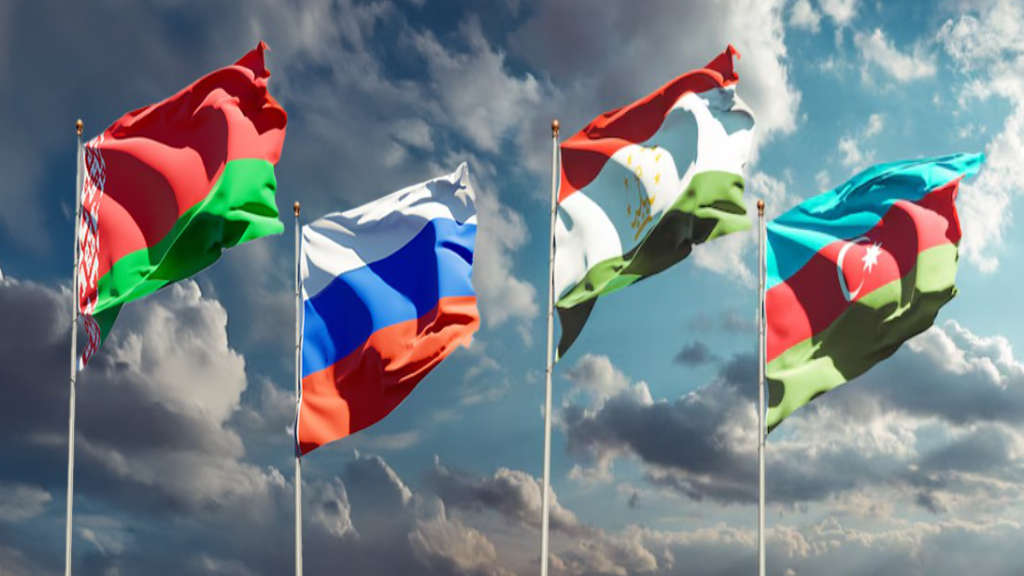
The Russian President Vladimir Putin, Belarusian President Alexander Lukashenko and Tajik President Emomali Rahmon, and their Azerbaijani counterpart Ilham Aliyev held informal discussions on Friday (March 14). All are members of the Commonwealth of Independent States, and discussing how to further develop interstate relations.
Lukashenko had been on an official visit to Moscow from March 13, and held talks with Putin on Thursday and Friday. They signed an agreement on measures for mutual protection of citizens from unjustified prosecution by various foreign countries and international justice bodies.
Putin held talks with Rahmon, who is also paying an official visit to Russia, in Moscow on Monday (March 17), during which prospects for further development of the Russian-Tajik strategic partnership and alliance were discussed with an emphasis on trade, investment and humanitarian cooperation. They also exchanged views on current regional affairs and are due to sign several other bilateral documents.
All four participants agreed to meet in Moscow on May 9 during the celebrations dedicated to the 80th anniversary of Great Patriotic War Victory (World War 2).

 Русский