The Russian company Basis LLC, a joint venture between Rostelecom, Yadro, and GS Invest that develops software for managing dynamic IT infrastructure, has reached an agreement to supply its solutions to Banif Investimento Participacoes S.A., a Brazilian provider of investment banking services.
The companies signed an agreement at the Kazan Digital Week 2025 forum, which has just taken place.
At the initial stage, the partners will test Basis virtualization products on a Software Development Kit (SDK) model, which presumes the transfer of a set of components, libraries, and technical documentation, the company said. Based on these solutions, Banif Investimento will be able to create its own product, adapted to the regulatory requirements and specifics of the local market.
Pilot rollouts of Basis solutions will take place in the infrastructure of the largest Brazilian banks, Itau Unibanco and Bradesco. The company has already formed a specialized team within the commercial division to work in Brazil.
The entry into the Brazilian market is the first step in Basis’s strategy for international expansion, the company has stated, with CEO David Martirosov saying, “We plan to develop a presence in countries of the Portuguese-speaking cluster, including the most promising countries of Africa, such as Angola, that have strong potential for digitalization and friendly relations with Russia. Cooperation with Brazil also opens up new opportunities for working on the market of BRICS countries.”
Russia is the fifth-largest exporter to Brazil, with the Brazilian IT market growing by 13.9% in 2024 and accounting for 36% of the whole Latin American IT market.
Basis LLC was formed in 2021 with the merger of assets belonging to Rostelecom, KNS Group (Yadro), and GS Invest’s Rubytech.
The company’s 2024 revenues rose 50% to ₽4.5 billion (US$54 million), according to its latest accounts. Its customer base grew by 30%, and the number of projects to install its solutions jumped 120% to 160. There have been reports that Basis might carry out an IPO before the end of 2025.
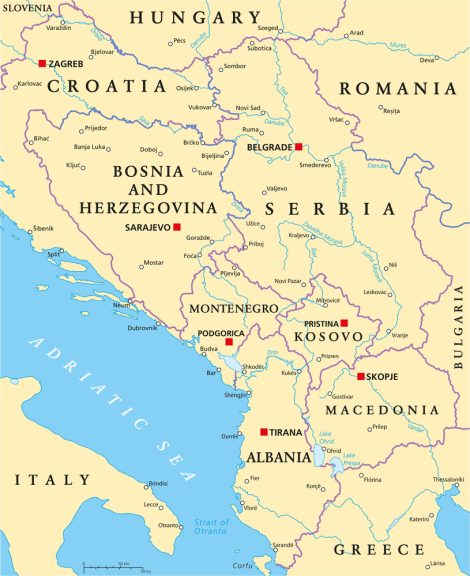
The Serbian Ambassador to Moscow, Momčilo Babić, has said that the Serbian government has begun a substantive dialogue with Rosatom on a Nuclear Power Plant (NPP) construction project. The Serbian Parliament has now lifted a prior moratorium on nuclear power plant construction, due to a projected quadrupling of national energy consumption by 2050. Belgrade is currently selecting a partner for the project, with options including Russia, South Korea, China, and France. Analysts believe the Russian proposal is the most advantageous, as it encompasses all segments of the nuclear energy sector.
Babić said “We are seriously discussing this with Rosatom. I don’t think there’s a better company in the world for building a nuclear power plant. I’m confident there will be progress in the coming years, because we need electricity. We’ll do it no matter what.”
In November 2024, the Serbian Parliament lifted the ban on NPP construction, which had been in place since 1989 and had been imposed after the Chernobyl accident in Ukraine. This stance has now changed due to Serbia’s rapidly growing electricity consumption forecasts. This is partly due to the rapid growth of the Serbian economy: the country’s GDP grew by 3.8% in 2023, by 3.9% in 2024 and is expected to reach 3.5% for 2025. This is over three times the current growth rate in the European Union.
Serbia has also been subjected to EU attempts to cut it off from Russian oil and gas, with the EU wanting to eliminate all energy supplies from Russia by 2028. That has meant an embargo on maritime shipments of Russian oil, which has been in effect since December 2022. As Serbia is landlocked, this has created supply chain problems. Coal, oil, and gas currently account for over 85% of Serbia’s energy supplies. Switching to nuclear power is an affordable way to ensure its energy security. Serbia’s Minister of Mining and Energy, Dubravka Djedović-Handanović, began developing a national program for the use of nuclear energy in July this year.
Rosatom faces competition. Earlier this month, the Serbian government signed two memorandums of understanding with the South Korean company KHNP on cooperation in the field of nuclear energy. KHNP has previously won the tender for the reconstruction of the Cernavoda Nuclear Power Plant (CNPP) in Romania.
Last year, the Serbian Ministry of Energy hired the French company EDF to conduct a study on the potential use of nuclear power. However, although France has extensive experience in the nuclear sector, it has not built any new NPP for several years.
Meanwhile during the Serbian President, Aleksandar Vučić’s visit to Moscow for the May 9 end of war celebrations, discussions were also held that led to Rosatom’s interest in the Serbian project. Rosatom is ready to offer Serbia designs for both small and large NPP.
Negotiations between Russia and Serbia on the construction of a proposed NPP could take up to two years, with development planned immediately after a successful conclusion. It is also possible that Russia will provide Belgrade with a preferential loan to assist with the project. Rosatom has some competitive advantages as its portfolio includes the construction of NPP in addition to maintenance, nuclear fuel supply, and waste disposal. They are the only nuclear power operator that operates in all segments.
The capacity of the proposed NPP will largely depend on the Serbian authorities’ willingness to reduce the share of its other energy sources. If Belgrade decides to build a large NPP, Rosatom will likely propose an option with two VVER-1200 reactors. A similar project is currently being discussed with Kazakhstan, while a plant of this type was previously built in Belarus. If a smaller NPP is chosen, Rosatom could offer RITM-200 or RITM-400 reactors. These would be sufficient to power a large city, such as Belgrade or a region of the country.
It is possible that several different operators could become involved. Hungary’s Paks II nuclear power plant is an example: although Rosatom is the main contractor for the construction of two large power units, German and French subcontractors are also making significant contributions.
Rosatom currently ranks first in the world in terms of the number of nuclear power plant construction projects abroad, with 39 power units under construction in 10 countries. New construction projects include a NPP in Kazakhstan, a small NPP in Uzbekistan, and plans to build a small NPP in Myanmar.
However, the European Union could impede the construction of a Serbian NPP if it involves Russian participation. Brussels had previously attempted to exclude Russia from Hungary’s Paks II project, but Budapest succeeded in securing sanctions exemptions. Currently, the EU is not imposing restrictions on the Russian nuclear industry due to the dependence of France, Slovakia, and Hungary on nuclear fuel supplies from Russia. The European Commission meanwhile expects the EU nuclear sector to completely transition away from Russian nuclear products by the 2030s.
Serbia is also an EU candidate nation, with Belgrade currently harmonizing its legislation with European legislation. Brussels is already demanding that Serbia join anti-Russian sanctions, meaning that the EU will try to prevent Russia’s participation in major projects in Serbia.
The European Union is currently attempting to influence the Serbian authorities by exploiting the protests that have been ongoing since November of last year. Russian Foreign Intelligence Services have reported that the unrest in Serbia is linked to subversive activities by the European Union, aimed at installing a loyal leadership. According to their information, an attempted “colour revolution” could take place on November 1 – being the anniversary of the tragedy at the Novi Sad train station on November 1, 2024, which killed 16 people.
The situation in Serbia remains politically tense – with both the European Union and Russia vying for influence. Serbia currently has a Free Trade Agreement with the Eurasian Economic Union – while Rosatom’s expertise and Russian state financial assistance should be enough to allow Belgrade to proceed with Rosatom – however, two years is a long time in European politics – while Vucic faces Parliamentary elections in 2027.
Russia became one of the top five exporters of agricultural products to the Indian market for the first time during 2024, according to Russia’s Agroexport. They mentioned the statistic in a report which it has prepared ahead of a business trip to India for Russian exporters on September 25-28.
Agroexport said that Russia retained a firm position among the top five exporters of vegetable oils and legumes last year, which are among the key agricultural products imported by India. According to them, Russia’s total agricultural trade with India increased 1.6-fold in 2024 to a record US$3.5 billion in value.
Russian Exports
Agricultural and food exports from Russia to India doubled in 2024, reaching US$2.6 billion. Russia now ranks fifth with 7.3% of India’s total imports, behind Indonesia, Brazil, Malaysia and Argentina. Exports grew 2.5-fold in weight terms to 3.168 million tonnes.
Oil and fat products made up the greatest share of Russia’s exports in this sector, totalling 2.167 million tonnes or US$2.165 billion in value terms, increasing 1.8-fold and 1.7-fold respectively. Sunflower oil exports grew from 1 million tonnes to 1.9 million tonnes over the year, and from US$1.1 billion to US$1.8 billion in value terms. Russia had a 12.8% share in India’s overall imports of oil and fat products.
A second major export product was legumes, including dried peas. Exports rose from 36,800 tonnes to 946,600 tonnes in 2024, and from US$34.5 million to US$406.9 million in value terms, as a result of which Russia became one of the top four suppliers of the products to India.
Indian Exports
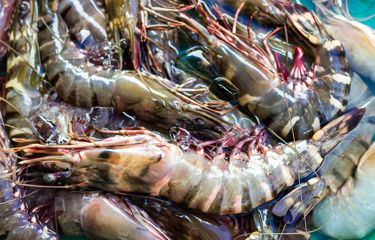
India exported 428,600 tonnes of agricultural products to Russia worth US$805.2 million in 2024, compared to 399,200 tonnes for US$800.9 million the previous year. Crustaceans made up the largest proportion of this with 15.4%, followed by tea with 9.4% and non-food extracts and natural resins with 9.2%. The largest growth was in grapes and peanuts, exports of which grew almost 1.6-fold, and sesame seeds, which increased 17.4%.
Agroexport reported that representatives of over 25 Russian and over 40 Indian companies will take part in next week’s business trip, which will involve an extensive business program including more than 200 B2B meetings.
Free Trade Agreement
India and Russia are also shortly to start discussing a Free Trade Agreement, with the first round of final discussions due to be held in November. This agreement involves the Eurasian Economic Union, which also includes Armenia, Belarus, Kazakhstan and Kyrgyzstan. Provided that the products involved do not create difficulties for domestic Indian manufacturers, the chances of success are quite high. Current Russia-India bilateral trade levels are running at US$68.7 billion, with both governments committed to increasing that to US$100 billion by 2030. The FTA would be a significant step to reaching that goal.
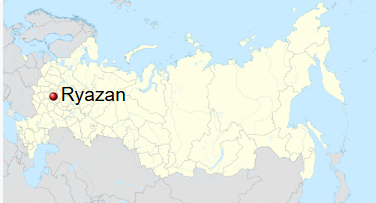
The first ‘business accelerator’ in Russia, assisting local businesses to do business in China, has opened in Russia’s Ryazan region. Russian experts possessing China expertise will help prepare local entrepreneurs to work with Chinese partners, according to Pavel Malkov, the regional governor.
He stated that “The first country accelerator for China is launching today. Sinology experts will help entrepreneurs prepare for working with Chinese partners, from the specifics of business communication to the conclusion of export contracts. In the future, we will launch such accelerators in other countries based on the requests of Ryazan entrepreneurs.”
Malkov announced the expansion of cooperation between Ryazan and China during a local business forum “Days of International Business in the Ryazan Region”. He said that the Chinese Greenwood Business Park and the Ryazan Regional Business Development Agency have signed an agreement that will allow using the park’s infrastructure for online promotion of Ryazan exporters to the Chinese market.
Ryazan is the largest city and administrative centre of Ryazan Oblast, Russia. The city is located on the banks of the Oka River in Central Russia, 196 km southeast of Moscow. The primary industry base in Ryazan is electronics, with about a quarter of Ryazan’s population working in this sector. The most notable company in this sector is Plasma, which produces plasma screens for vehicles including for military vehicles and railway engines, as well as LCD screens, industrial gas lasers and medical lasers.
Russia’s search giant Yandex has a 40MW data centre in Ryazan, hosting hundreds of thousands of servers.
Malkov also said that China’s share in the Ryazan Region’s foreign trade increased to 25% in Q1 2025, saying that “Ryazan businesses have a great interest in joint projects, and we help to find partners, organise negotiations and meetings.”
The growth rate of the Russian economy should outpace the dynamics of the global economy, President Vladimir Putin has said at a government meeting on economic issues. He stated, “It is obvious that the stability of public finances and the implementation of planned projects and programs directly depend on the state of affairs in the Russian economy. And here we have set the main goal, namely, to ensure the growth rates necessary for this.”
According to Putin, the Russian economy should not just keep pace with the global economy but outperform it. “The Russian economy should strive to outpace the dynamics of the global economy by realizing its own industrial potential and that of our regions and territories, developing ties with foreign partners, looking to the widespread introduction of advanced technologies, and mastering new promising areas of the modern economy.”
However, the Russian economy still has work to do to outpace the global average GDP growth, which for 2025, according to the IMF, is set to be 3% for 2025 and 3.1% for 2026. Russia’s economy has been partially stifled by the 20,000+ sanctions issued against it by the West. Russia’s expected 2025 GDP growth will be about 1.5%.
That lower growth rate has also been impacted by high inflation rates, which the Russian Central Bank has been grappling with by holding interest rates at high levels—they are currently at 17% although are slowly reducing. However, these high rates suppress lending and economic development.
On the medium-term positive side, the Russian economy is also going through a managed transitional period. It has mainly absorbed the impact of trade and supply chain sanctions, as well as conducted an entire economic and trade switch from west to east. While that had initially created volatility, the economy is now settling down and going through a period of some rebalancing, achieved both by reforms and adjustments. For example, while Russia-China trade showed rapid growth in 2023/24, it will show a decline during 2025. Yet this is expected to be a blip as both countries and their respective investors adopt a more mature attitude to their respective markets.
Anything other than short-term economic forecasting is very difficult in the contemporary global economic environment, with the United States constantly threatening sanctions and tariffs and the European Union constantly threatening sanctions. However, it should be noted that in Russia’s new target markets, GDP growth is significantly above the global average – IMF forecasts are below:
Country/Region
2025 GDP Growth
2025 Russia Trade Value (US$ billions)
China
5.0%
213
Central Asia
4.7%
107
India
6.4%
69
Africa
4.3%
27
ASEAN
4.8%
20
Middle East
3.0%
15
Latin America
2.2%
14
As can be seen, most are higher than global average growth markets, with Russia still making infrastructure and related efforts to further boost this trade. The intention is that as the higher global economic growth is in these regions, Russia’s alignment with them will have similar impacts on its economy, especially as Russia is generally a net exporter to these markets.
We can compare with the Western economies as follows:
Country/Region
2025 GDP Growth
2025 Russia Trade Value (US$ billions)
European Union
1%
80
United States
1.8%
5
While there is growth in the west, this is largely within the United States, while the EU remains both low and somewhat uneven in its development. Both are below the global average growth rate.
Had Russia remained as a significant trade partner with the EU as opposed to switching its trade to Asia and the Global South, the Russian economy would have been in serious trouble. But that hasn’t occurred, precisely because it made the ‘Pivot to Asia.’ The task for the Russian authorities now in order to meet President Putin’s GDP growth objectives, is to further develop and expand its supply chain infrastructures and investment into trade with the Global South.
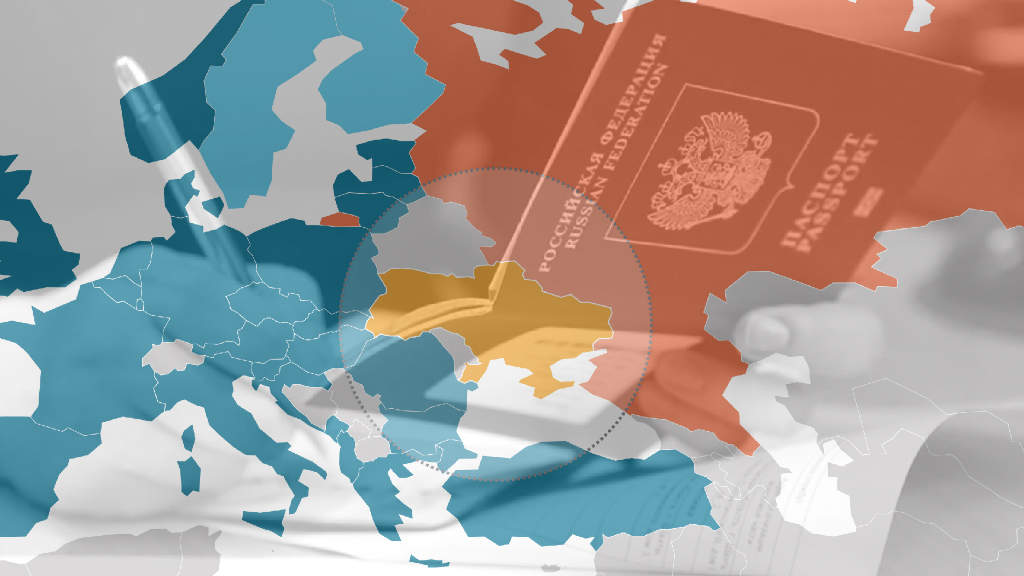
The Head of the European Union’s Foreign Policy, Kara Kallas, has called for a complete ban of the EU issuing visas for Russian nationals, with a post on X stating, “Stop issuing tourist visas to Russians. Visiting Europe is a privilege, not a human right.”
That position has been contradicted by the European Commissioner for Internal Affairs and Migration, Magnus Brunner, who stated on Sunday (September 14) that the EU was not able to issue such a ban, saying, “Visa issuance is the competence of the member states, so there is no possibility for the EU to have a complete ban on that.”
Apart from the somewhat embarrassing statement by Kallas, who appears to have overreached her actual capabilities, Latvia, Lithuania, Estonia, Poland, and Slovakia halted tourist visa issuance for Russians in 2022. Slovakia resumed issuing Schengen visas earlier this year, after previously restricting them to Russians with family ties, work needs, or diplomatic status.
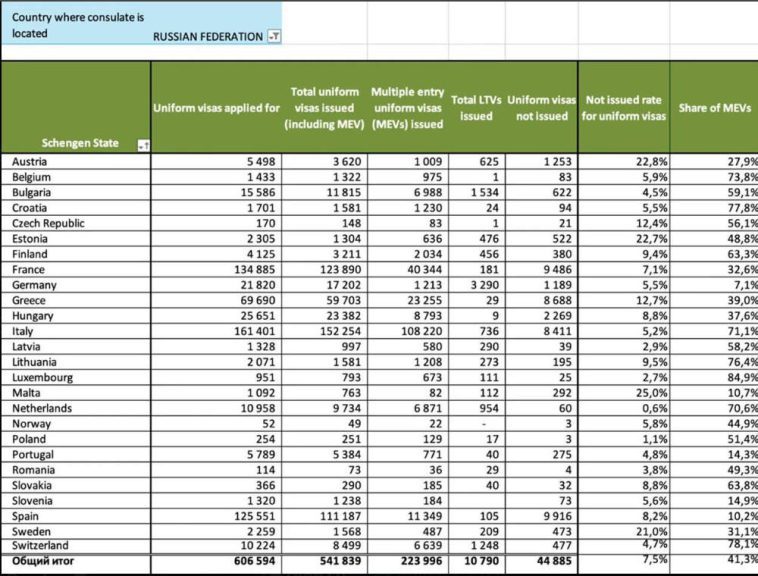
According to the European Commission, Russian nationals filed more than 606,000 Schengen visa applications in 2024, up from around 520,000 in 2023. Around 7.5% of these, or about 45,450 were rejected.
A complete analysis of Schengen visas issued by EU members during 2024 is as follows:
An estimated 6.4 million Russian tourists travelled overseas during summer 2025, a 24.8% increase from last year, according to forecasts made by the Russian Association of Tour Operators (ATOR).
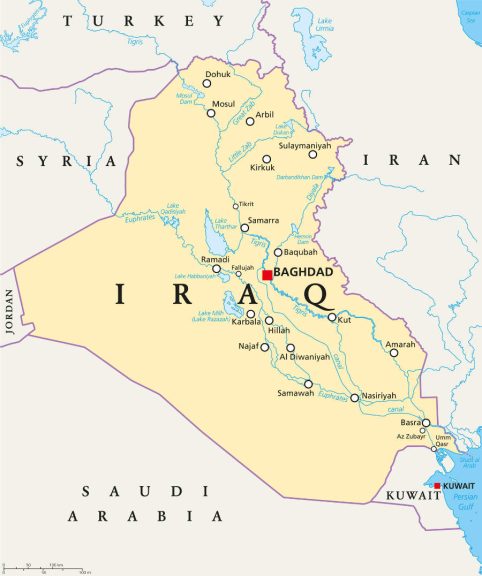
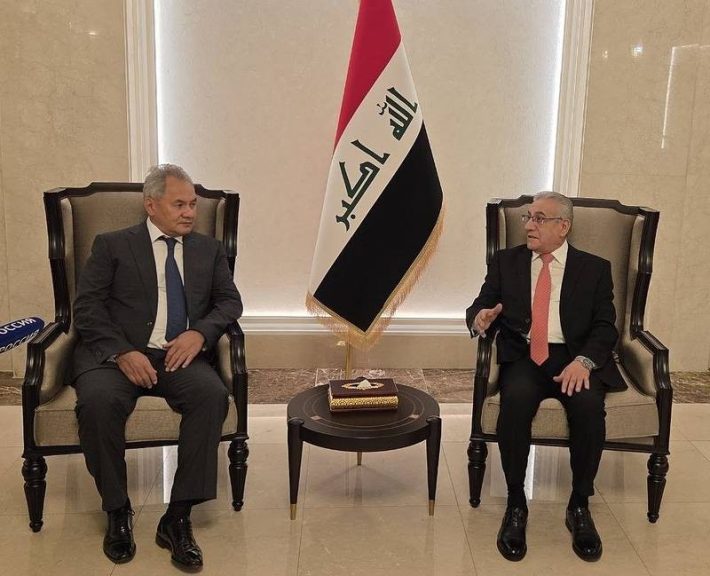
Russia’s Security Council Secretary, Sergey Shoigu, has been visiting Baghdad and has been holding meetings with Iraq’s top political and military leadership during his visit to the country. Visits of this type typically involve security issues; however, these can also interface with regional trade and investment projects.
Shoigu said that communications between Moscow and Baghdad are becoming more intense, with business, economic, transport, military, and military-technical cooperation issues all being discussed, stating that “Contacts are becoming more intense and multidirectional. This concerns business, the economy, and transport, military and military-technical cooperation.”
Part of Shoigu’s meeting is likely to have been concerning security for nuclear materials, as Iraq is sending an official delegation to Moscow later this month for talks on building nuclear power reactors. The Iraqi Ministries of Foreign Affairs, Electricity, Higher Education and Scientific Research, and the Iraqi Atomic Energy Commission are authorized to sign a preliminary deal if an agreement is reached, according to Iraq’s Shafaq news agency, which stated, “Russia will assist Iraq in building nuclear power plants to generate electricity, in addition to providing nuclear fuel cycle services and training local personnel to manage and operate nuclear facilities.”
Russia is additionally expanding its oil interests in Iraq, capitalizing on opportunities created by Baghdad’s need to modernize its hydrocarbon sector and boost crude exports. In February this year, Moscow and Baghdad signed four major energy cooperation agreements and memorandums of understanding, marking a significant escalation in bilateral energy ties.
Russian oil companies have already invested about US$19 billion into Iraq’s oil sector, according to Iraq’s Ministry of Oil. These include:
Lukoil, which operates the West Qurna-2 field, one of Iraq’s largest, with estimated reserves of over 14 billion barrels. Block 10, operated by Lukoil and Japan’s Inpex, has shown promising results with estimated reserves of over 2.5 billion barrels.
Gazprom Neft is involved in the Badra oil field, producing around 85,000 barrels per day (bpd).
Bashneft is involved with Block 12 exploration and contributing to upstream development.
Another breakthrough in Russia-Iraq bilateral energy agreements includes the resumption of crude exports from Iraq’s Kurdistan Region (KRI) to Türkiye’s Ceyhan port, which was halted in 2023 due to legal and political disputes. That suspension reportedly cost Iraq over US$23 billion in lost revenues. Russian firms, particularly those involved in pipeline infrastructure and field services, stand to benefit from the reactivation of the Kirkuk–Ceyhan pipeline and the return of KRI volumes to international markets. Security advice is also likely to have been involved in this segment of bilateral relations.
Moscow and Baghdad have agreed to review and expand existing oil and gas contracts from 2025 to 2030, signaling an improved commitment to energy diplomacy and bilateral cooperation. The objectives are:
To secure stable Russian oil investments in Iraq’s southern and central regions
Expand technical assistance and upstream services
Facilitate technical knowledge transfer between Rosneft, Tatneft, and Iraqi national oil companies
To position Russia as a long-term partner in Iraq’s oil development roadmap.
Iraq holds the world’s fifth-largest proven crude oil reserves, estimated at over 145 billion barrels as of 2025. These reserves are predominantly located in the southern region, including the supergiant Rumaila and West Qurna fields. This sector is vital to Iraq’s economy, accounting for a significant portion of government revenue. In 2024, Iraq produced approximately 4.5 million barrels of oil per day, making it the second-largest producer in OPEC.
However, Iraq faces challenges such as political instability, infrastructure issues, and security concerns. The government is actively seeking foreign investment to boost production and aims to increase its proven reserves to over 160 billion barrels.
Sergey Shiogu with Iraq’s Deputy Advisor to the Prime Minister
The energy agreements are part of a larger geopolitical strategy to reinforce Russia-Iraq economic relations across multiple sectors. The latest cooperation packages also include:
Maritime transport and logistics infrastructure, aimed at improving Iraqi export capabilities,
Public health initiatives, including medical training and equipment supply,
Trade and commerce facilitation, with a focus on dual-currency trade mechanisms using the Russian ruble and Iraqi dinar, partially insulating both economies from Western sanctions.
In the non-oil sector, Russia increased its exports to Iraq by 27.8% in 2024, with the majority of shipments consisting of food products, steel, wood, and pulp/paper goods. Non-energy bilateral trade reached about US$1.4 billion. According to the IMF, the Iraqi economy is expected to grow by over 3% this year – three times more than the European economies.
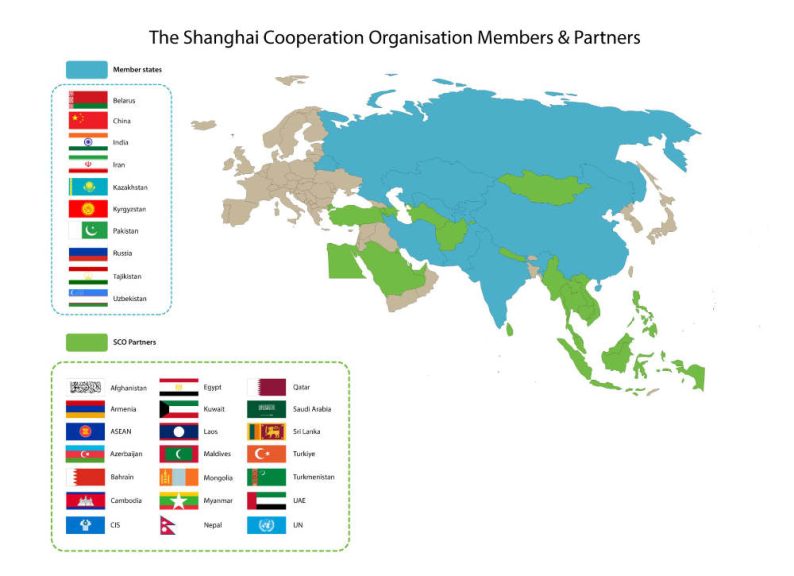
The Shanghai Cooperation Organisation (SCO) and the Eurasian Economic Commission (EEC) are to expand cooperation in the energy and transport sectors, following a working meeting between Arzybek Kozhoshev, the Minister of Energy and Infrastructure of the EEC and T.R, Midhun, the Deputy Secretary General of the Shanghai Cooperation Organisation (SCO) on September 9, in Beijing.
The EEC is the governing body for the Eurasian Economic Union (EAEU) whose members include Armenia, Belarus, Kazakhstan, Kyrgyzstan and Russia. It is a common free trade area, extending from Eastern Europe to Western China. They are also all involved with the Shanghai Cooperation Organisation.
Kozhoshev noted the key role of energy in the dynamically developing processes of Eurasian integration within the EAEU and other international associations. He also discussed with Midhun the ongoing work on the formation of common markets for energy resources of the EAEU.
In accordance with the Memorandum of Cooperation between the EEC and the SCO Secretariat dated September 17, 2021, a draft joint action plan is due to be approved, after which both associations will work more closely together.
Kozhoshev stated that “The EEC is closely monitoring the activities of the SCO. An important area of work is the development of energy projects, including the modernisation and construction of interconnected energy, transport, and logistics infrastructure. The issues of gas and oil transportation, as well as ensuring free access to energy resources, are among the SCO’s priorities. This is very close to what we are doing as part of the formation of common EAEU energy markets.”
Kozhoshev and Midhun discussed cooperation between the EAEU and the SCO in developing new approaches to energy conservation and energy efficiency, as well as renewable energy development.
In addition, it was noted that the EAEU and the SCO attach special importance to the development of transport corridors. One of the priority areas of cooperation is the development of interconnectedness and the creation of efficient transport corridors.
Kozhoshev said that “Since 2024, the EAEU member states and the EEC have started implementing a comprehensive plan for the development of Eurasian transport corridors. The share of Eurasian transport corridors accounts for about 70% of the volume of transit traffic in the EAEU. The EEC considers it important to increase the effectiveness of coordination of efforts with relevant international organisations and associations, as well as international and regional financial institutions for the development of transport and infrastructure, multimodal transportation, and containerisation of goods.”
At the meeting, proposals were made to hold joint events in the EAEU-SCO format on the development of transport and energy infrastructure, as well as mutual participation in international events, forums, conferences, and meetings of relevant SCO working bodies and the Eurasian Economic Commission.
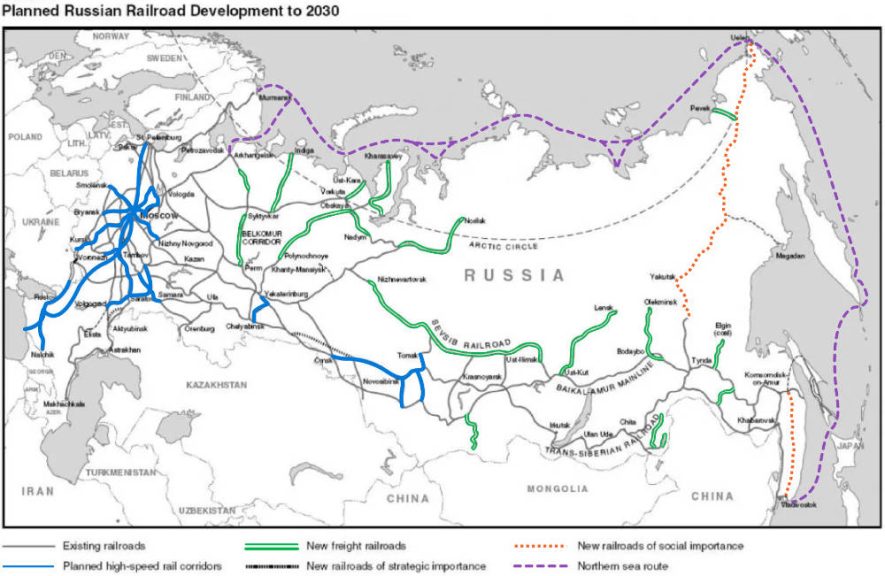
The North Siberian Railway, when built, will become part of the Transarctic Transport Corridor, according to Gennady Guselnikov, the Chairman of the Siberian Agreement Association. The Siberian Agreement is an interregional association of economic cooperation of the subjects of the Russian Federation. Currently, the subjects of the Russian Federation consist of three federal districts — the Ural, Siberian and Far Eastern regions. It appeared in 1990 with the aim of building inter-regional, inter-sectoral integration between Siberian territories in market conditions.
In late 2023, Russian President Vladimir Putin instructed the Russian government, the Kemerovo Region’s government, the Russian Academy of Sciences, and Russian Railways to consider building the North Siberian Railway. The project’s cost is estimated at ₽8 trillion (US$97 billion). The payback period will be about 20 years.
Guselnikov said “The North Siberian Railway will have to be integrated because the route will become part of the Transarctic corridor. We have the main transportation arm and product delivery routes on hand to fill the Northern Sea Route. As an addition to the ports of the Northern Sea Route, we envisage a railway in one configuration or another”
The volume of freight traffic on the North Siberian Railway is estimated at 115 million tons per year, while the share of coal is about 50 million tons. “We are now actively studying the experience of the Pacific Railway, which was built very quickly,” Guselnikov said, adding that private businesses in Siberia could also consider participating in the railway project.
The Russian Prime Minister, Mikhail Mishustin has also stated that the Russian government is looking at delivering goods from Siberia and the Urals using the Northern Sea Route, saying last week that “Another very important, significant task set by President Putin is the development of the Transarctic corridor, for which it is necessary to form modern shipbuilding centres that are capable of producing the various categories of vessels required for Arctic waters.”
At the Eastern Economic Forum a few days ago, Putin noted the need to open direct access for goods from Siberia and the Urals to the Arctic Ocean routes and stated the need to create shipyards that would produce tugboats to supply vessels for dry cargo and ice-class gas carriers, as well as nuclear icebreakers. According to Putin, the Transarctic Transport Corridor should be formed as a single integrated system that should combine sea, rail and road modes of transport. He also noted the growing interest in the Transarctic transport corridor from St. Petersburg to Vladivostok from Russian companies operating in the Arctic and from foreign carriers.
The Transarctic Corridor is a route connecting the western and eastern parts of Russia, via the St Petersburg in the west, Murmansk and Arkhangelsk on the northern seas and Vladivostok on Russia’s eastern Pacific coast. It is designed to connect the Russia’s industrial, agricultural, and energy production hubs to Asian consumer markets with a shorter, safer and economically profitable route.
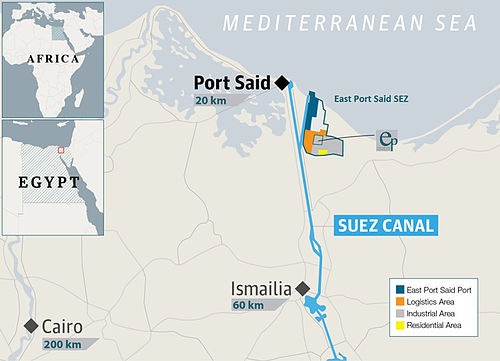
The Russian Deputy Prime Minister Alexei Overchuk, who is about to visit Cairo, is to follow up on issues relating to the development of the much-delayed Russian Manufacturing & Development Zone based at Port Said near the Suez Canal.
The intergovernmental agreement on the creation of the Russian Industrial Zone within the Suez Canal Economic Zone was originally given the green light by Russia and Egypt in 2018.
The zone is expected to provide Russian companies with a base to manufacture goods, using a mix of imported Russian and domestic components, for resale in the Egyptian and African markets. It has a total area of 50 hectares and direct access to the Ain al-Sokhna Port. The Suez Canal Economic Zone already has investors in the auto components, construction and building materials, home appliances and electronics, textiles and garments, agri-business and food processing and pharmaceutical sectors.
Overchuk said that he will assess the state of the infrastructure of the Russian site, after which it will become possible to determine the possible timeframe for starting construction of investing businesses in the zone. Overchuk said that preparations for such projects normally take up to three years.
Russia and Cairo finally signed a contract for the long-term right to use the land plot, which outlines the commercial conditions for its operation, in May. This caters for a three-year rent-free grace period for investors for lease of land plots at the zone. That period has not yet begun, giving investors the opportunity to decide on investing in the zone.
Russian companies operating in the pharmaceuticals, agro-industrial, and auto and machine-building sectors have already shown interest. Overchuk also mentioned that there are candidates for the status of anchor (primary) investors in the zone, whose presence may also drive their suppliers to invest. He stated, “We have gathered a group of interested Russian entrepreneurs, as well as representatives of business associations. We believe that the Russian industrial zone will become a convenient point for our business to enter both Egypt itself and the African continent. During the visit, we will go to the site, while the Egyptians will speak about the advantages of their economic zone.”
Overchuk commented on when the first Russian investors would commit, stating that “It is too early to say; investors need to be familiar with the zone, the conditions, the available incentives, and the quality of the infrastructure, and based on that, will be making their decisions. This is a big project, and it requires time.”
There are major incentives why investing in the zone makes sense. If production in the zone includes a proven 30% minimum of Egyptian manufactured components, the final product can obtain “Made in Egypt” status, which exempts products from customs duties when exported to other African countries, the Middle East, Latin America and other countries and blocs with Egyptian trade agreements. In total, Egypt has agreements covering markets of about 1.5 billion consumers, with 100 million in Egypt itself. The zone also connects investors with established and emerging markets: 8% of global trade passes through the Suez Canal. Shipping time and cost are lower from Egypt – 7 days less to the USA than from Vladivostok and 50% cheaper compared to the UAE.
Investing manufacturers in the Russian Industrial Zone are also exempt from import duties on equipment and materials and property tax, VAT, and can enjoy a 50% reduction of profits tax for seven years. Egypt’s standard corporate income tax rate is 22.5%.
Residents can also import unlimited production resources and finished products from the mother company of a non-resident.
The Russian Industry and Trade Ministry has said that their financing for the creation and development of the Russian Industrial Zone in Egypt between 2023 and 2026 has reached ₽9.5 billion (US$114 million).
Mishustin said he hoped the Russian zone would be operational by 2030. Russia’s bilateral trade with Egypt was worth US$9 billion last year, and US$24 billion with the rest of the African continent, with annual growth rates hitting 32% and 37% respectively.
The International BRICS Competition Law and Policy Centre at Russia’s Higher School of Education (HSE University) has stated that the global grain market is dominated by the largest agribusiness traders, making it economically vulnerable. BRICS countries may want to establish a grain exchange in response, with antitrust regulators invited to participate in its creation. The issue has been discussed in the HSE report “From Farm to Futures: Competition, Finance, and Digitalization in Global Grain Value Supply Chains,” which was presented on Friday (September 12) at the 9th International BRICS Competition Conference in Cape Town.
The report pays particular attention to the activities of global grain traders amid economic and technological transformations in BRICS markets and states, “For a long time, the global grain market has been controlled by the oligopoly of the largest agribusiness traders in the ABCD+ group (ADM, Bunge, Cargill, Louis Dreyfus, COFCO, Olam and so on). This concentration of market power, along with certain structural features of this market, makes it vulnerable to price fluctuations and various speculative practices, which negatively affect both grain producers and consumers in BRICS countries. It also creates risks for global food security as well as for the sustainable development of the agricultural sector in the BRICS economies.”
The report describes several key trends that directly affect farmers, consumers, and the global grain trade. “First and foremost is financialization, being the close link between financial and trading infrastructure. Grain trading is increasingly accompanied by financial speculation that influences global price formation. Grain traders are engaged in large-scale yet largely unregulated banking operations, which are becoming more profitable for them than the grain trade itself. This phenomenon remains outside the scope of traditional antitrust analysis. The financial activity of traders is made possible thanks to information asymmetry – access to exclusive data unavailable to other market participants. As the ABCD+ group strengthens control over logistics and infrastructure, their informational advantage only grows. Digital platforms reinforce this trend.”
The authors of the study also note several other trends, including the growth of corporate interconnectedness and cooperation between global traders, in part through the simultaneous participation of institutional investors.
Against this backdrop, researchers suggest that BRICS countries develop a coordinated antitrust response and involve competition authorities in the design of the BRICS Grain Exchange as a unified platform with transparent pricing and clear, accessible hedging mechanisms necessary for the effective organization of grain trade.
If implemented properly, the creation of such an exchange could be a step towards reducing price volatility, increasing pricing transparency and improving market competition in the global grain trade, the authors said. This would require the active involvement of antitrust authorities from BRICS countries.
For the exchange to function successfully, it is critical to eliminate information asymmetry, especially regarding data on grain reserves in key logistics hubs, which at present are available only to global traders, the authors of the report said. Antitrust measures could require them to disclose such information, thereby reducing opportunities for speculation and ensuring more inclusive and sustainable operation of the future exchange, they said.
Alexei Ivanov, a director of the International BRICS Competition Law and Policy Centre and professor at HSE University, stated, “We call on the antitrust agencies of BRICS countries to pay closer attention to grain markets and to the activities of global grain traders. One of the conclusions of our report is that the proactive stance currently taken by antitrust authorities in the digital sphere should also be applied to agricultural markets.”
The Russian Union of Grain Exporters first proposed creating a BRICS Grain Exchange at the end of 2023. The initiative was approved by President Vladimir Putin during a meeting with agricultural producers in Stavropol Territory in March 2024. The proposal to establish the exchange was supported by the members of the association in October 2024 at the BRICS summit in Kazan.
Concept development and other issues related to the creation of this trading platform are being handled in Russia by an interdepartmental group under the Economic Development Ministry. In mid-June 2025, it was reported that the draft concept was currently undergoing interdepartmental review and is being prepared for submission to BRICS partners.

 Русский