Russia’s Ministry of Transport of Russia calculations for 2024 land border crossing have been evaluated and found some surprising conclusions –the largest volume of goods transiting Russia by road were sent not across the border of Russia with China, but across the border of Russia with Georgia through the Upper Lars checkpoint. That was followed in second place by the Yarag-Kazmalyar checkpoint on the border with Azerbaijan.
In total, by the end of 2024, 4.8 million tonnes of cargo were transported through the Upper Lars checkpoint on the Military Highway on the Russia-Georgia border. The Yarag-Kazmalyar checkpoint on the Russia-Azerbaijan border handled 3.7 million tonnes of cargo, while the Zabaikalsk-Manzhouli checkpoint, between Russia and China is in third place with 2.5 million tonnes of cargo.
However, this trend is quite simple to explain as the bulk of goods and raw materials in communication with China – which remains Russia’s largest trading partners – are transported by sea and rail. Road deliveries to China are the least bulk usage option.
This trend also illustrates the capabilities of the parallel imports into Russia, where European manufactured goods transit through Georgia or Turkiye onto Russia. RPA visited the Georgian Military Highway last summer and observed first hand the volume of traffic along the route, with lorries backed up for long distances waiting to cross. We even saw trucks with Armenian licence plates transporting brand new Porsche cars into Russia.
There are other fluctuations that sometimes result in more activity for road haulage, when due to difficulties with the shortage of fitting platforms for shipping containers from ports and rising tariffs midway through 2024, logistics operators temporarily shifted to road transport, but these occasions are becoming less common as Russian maritime supply chain bottlenecks are being dealt with.
However, due to geographical peculiarities of Russia-Georgia supply chains rely on road transport. The lack of railway connections remains a problem. There is only one railway line between Russia and Georgia, but there has been no railway connection between Georgia and Russia since the early 1990s, when Georgia lost control over Abkhazia.
Russia’s railway connectivity with Azerbaijan however is currently being developed. At the end of last year, an agreement was signed between Russia and Azerbaijan, according to which Russia must provide a guaranteed volume at least 5 million tonnes per year to the Azerbaijani side for rail transit. That agreement will come into operation from January 1, 2028, when the Rasht-Astara section on Iran’s border with Azerbaijan will be put into operation. That means that rail transport directly from Russia to Iran via Azerbaijan can be routed, as part of the North-South International Transport Corridor from Russia to markets in Iran, to the Persian Gulf and beyond.
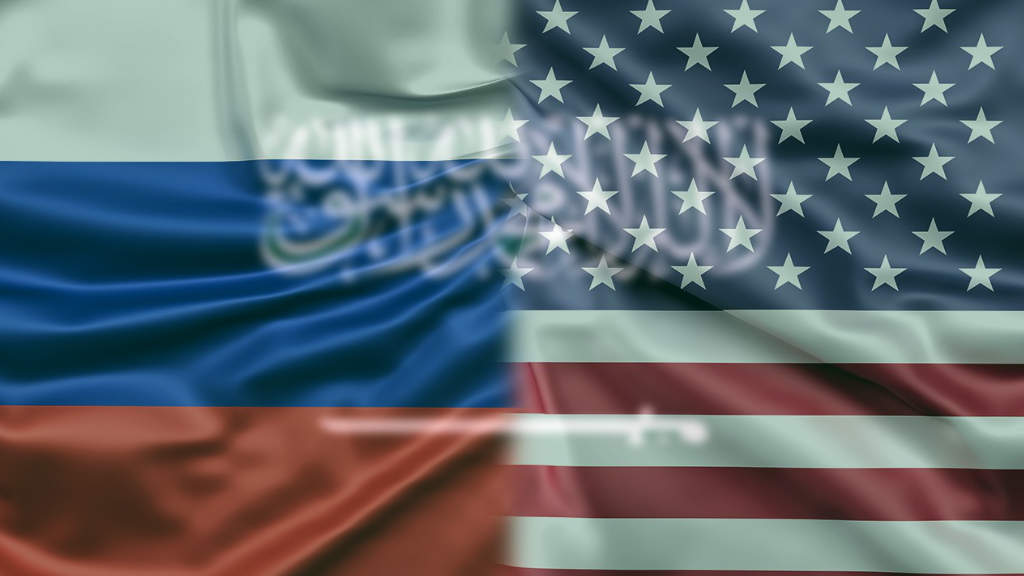
The Russian Foreign Minister, Sergey Lavrov and Marco Rubio, the US Secretary of State, are holding preliminary discussions concerning their relations and resolving the Ukraine conflict in Saudi Arabia. That is with a view to a bilateral President to President summit to be held between Vladimir Putin and Donald Trump. However, before negotiations can commence, much work, including agreements on how to proceed, need to be undertaken first, and lines of communication reestablished.
Neither Lavrov nor Rubio have met before, with their only prior communications coming in phone calls to set up the Saudi summit, with the last one being on February 15.
The US side has also gone through extensive changes with new personnel and even government departments now in existence that were not in place when the two President last met in Helsinki in 2018 – over five years ago. During this time, relations between the two countries have fallen to their lowest ever level with bare minimal contact. Those communication structures need to be reconnected and the individuals responsible and the connectivity channels all agreed – prior to any discussions about Ukraine. The Russian Foreign Ministry has also said that the main item on the agenda between Lavrov and Rubio is the normalization of relations and the activation of contacts.
Dmitry Peskov, the Russian presidents press secretary, has also stated that the first discussions will be concerned with the restoration of the entire range of Russia-American bilateral relations, followed by agreements on how to begin discussions about Ukraine.
Almost all dialogue between Russia and the United States was frozen at the initiative of the previous US President, Joe Biden, in early 2022 when the Russia-Ukraine conflict began. Moscow-Washington relations subsequently reached levels lower than during the Cold War, with the two sides barely talking. Initial discussions are likely to include global strategic development issues rather than Ukraine – another reason why the EU, UK and Ukraine have been sidelined.
These talks can be expected to revolve around the future of bilateral relations between Russia and the United States, the security architecture of the Eurasian continent and the rest of the world. Interestingly, Rubio has already mentioned that the time of American unipolarity is now over and that the world will have to move towards multipolarity. This is a significant deviation from the status quo that has developed over the past 200 years and may in fact be the primary, longer term issue that arises out of this summit. It will not be purely about Ukraine.
Illustrating this is an apparent US gesture of goodwill – Dmitry Peskov has stated that the activation of a bilateral dialogue is already having an impact. Apparently, the US Treasury is developing a list of approximately 20 Russian banks that will be reconnected to the SWIFT system and will be able to carry out a full range of operations. It is possible that Visa and Mastercard will return to the Russian market, and that user cards will be reactivated.
Then there is the role of Saudi Arabia.
A Saudi delegation will also be involved, and will probably include Mohammed Bin Salman, the Saudi Crown Prince. The agreement to host the summit in Saudi Arabia is also of note: previous Russia-US summits used to be held in Helsinki, however Finland has subsequently joined NATO. Whether Helsinki will regret this decision as it has now sidelined itself away from being a global deal-maker between superpowers is a moot point, however Riyadh maintains good relations with both Russia and the United States and has significant trade relations with both. US-Saudi bilateral trade reached US$25.9 billion last year, and with Russia, close to US$5 billion. Saudi Arabia has also shown interest in joining the BRICS group, with a decision still pending. While Bin-Salman is almost reviled in Europe, he is considered a pragmatic and forward-thinking personality by both Putin and Trump. It is likely that he will act as a mediator between the two sides.
Then there is Ukraine.
Sergey Lavrov has already stated when discussing a future peace process that there can be no talk of any territorial concessions to Ukraine and emphasized that European countries have no business in the negotiations on Ukraine if they are aimed at freezing the conflict for the further arming of Kiev. That appears to have been taken on board: European leaders have not been invited to participate.
Without the Lavrov-Rubio discussions and in the absence of any outcome as of now, it is too early to talk about any progress concerning Ukraine. That will be hammered out by both the Russian and American sides should Putin and Trump meet.
Meanwhile, Ukrainian President Zelensky has said that he knows nothing about the negotiations between Russia and the United States and does not intend to recognize them. Perhaps coincidentally, he is also to attend meetings in Riyadh, but a day after the Lavrov-Rubio meetings on February 19. According to Zelensky, that trip was planned a long time ago, and Zelensky has ruled out any contacts with either Lavrov or Rubio. However, some sources claim that a Ukraine-United States dialogue will still take place, but only after the Russian-American interaction. Zelensky, if that happens, will talk a lot about security guarantees for Ukraine.
The European Fait Accompli
American Vice President J.D. Vance also spoke about this subject at last week’s Munich Security Conference, and identified the real problems for European security – mostly being within European policies, and a lack of leadership to date. He also stated that he is ready to come to Moscow for talks. The US position now appears to be that the Europeans need to pay for their own security, including the purchase of American weapons.
It is possible that after the conversation between Lavrov and Rubio, the leaders of the two countries will meet very soon. This could happen by the end of February. Both Putin and Trump have expressed their readiness for a face-to-face conversation several times, meaning that at the organizing of a Presidential summit should be on the agenda of the negotiations between the Russian and American delegations in Riyadh.
What seems increasingly likely to happen is that Russia and the United States will make an agreement concerning global strategy and security moving ahead, with added input from Saudi Arabia also on the regional issues involving Palestine. It would be an interesting scenario if Russia were able to provide some Palestinians a home – Russia needs to boost its population and has a labour shortage.
Then an agreement on Ukraine is likely to be struck. What could happen then is that both Ukraine and Europe would be faced with a fait accompli to pick up the security arrangements and implement them under US instructions. If so, it will represent a complete turning point for the future direction of the European Union. At present, it retains a fear based on Soviet-era thinking that Russia is the aggressor and needs to be defeated, or even broken apart. Clearly, attempts to do so under the banner of a conflict in Ukraine have not worked. Meanwhile, Russia has completely restructured its economy, looked instead towards the global south, and has left its Soviet past behind.
The Saudi Arabia summit can be expected to not just resolve the Ukrainian conflict, but to deal with the Palestinian fall out – and if European politicians are capable – push them into a new Eurasian mindset of collaboration as opposed to isolation. If not – the current batch of European politicians who got Europe into this situation – and who are mostly anti-Trump, Putin and Bin-Salman in any event – can be expected to face extreme political and trade pressures to give up their existing grips on EU policies and be replaced by a team more aligned with the development of a multilateral world order.
The European Union (EU) has a rotating Presidency, alternating every six months between member states. Currently held by Poland, then to be taken over by Denmark for July-December this year, the Presidency gives each member state the ability to press its own government agendas and acts as a conduit for the country concerned to express its opinions on matters concerning EU policy.
What is interesting about the upcoming Presidency roles is who will be holding them – none are major economies and all have political and trade aspects concerning Russia. This will have an impact in how the EU decides to later manage its relations with Moscow and indeed how to handle the issue of sanctions.
While Poland will hold the current EU line, we can examine the upcoming EU Presidencies and see what influences there may be from now until the end of 2030.
Denmark: July-December 2025
Denmark’s relations with Russia are mostly concerned with the Arctic, with the two countries being full members of theArctic Council, which has recently begun to include Russia again after an initial suspension. Denmark will want to discuss Arctic navigational issues and shipping. Bilateral trade between the two nations has never been huge – €355 million in 2022 – but this did include shipbuilding materials in both directions and some fishing catch. If Denmark has eyes on using the North Sea Route to Asia it will need to improve relations with Moscow.
Cyprus: January-June 2026
Cyprus has been badly hit by sanctions imposed upon Russia, with hundreds of Russian offshore companies both registered and listed there relocating to other emerging offshore financial centres such as Dubai and Almaty, or to Russian SEZ’s such as Vladivostok. The tourism sector has also been badly hit while Russia also cancelled a lucrative double tax treaty. It remains to be seen whether the Cypriot offshore industry can ever recover its previous Russian client base, but it will certainly be pushing for some type of restoration, as will the tourism sector.
Ireland: July-December 2026
Ireland lost its Russian aircraft leasing business, while several other Irish businesses ceased operations in the country, including brand names such as Guiness and Diagio, although parallel imports mean their products can still be found in Russia. A major Irish export to Russia is aluminium oxide. Bilateral trade in 2023 was about €570 million and remained constant during 2024, although Ireland will follow the main EU policy and is unlikely to enhance trade with Moscow.
Lithuania: January-June 2027
As one of the Baltic states, Lithuania has been highly aggressive in its critical decisions about Russia and has been heavily involved in putting on sanctions pressure. However, there are significant fault lines – the current population of Lithuania includes about 5% ethnic Russians, with many businesses previously reliant on Russian trade. Internally, Lithuania may face political pressures to restore better trade relations with Russia, putting the current government potentially at odds with its own people. Political issues such as the permitting of dual nationalities have also yet to be resolved despite polls suggesting most Lithuanians would support this. In 2023, Lithuanian exporters sent €2.21 billion of produce to Russia. By 2024 that halved as Vilnius introduced more sanctions. Lithuanian exporters will be wanting that market back.
Greece: July-December 2027
Greece is another traditionally pro-Russian country, with long established ties via the Eastern Orthodox Church and the Cyrillic alphabet. Its trade and tourism market from Russia has been badly damaged by EU sanctions policies, with many Greeks keen to see this return. The new Greek President has been highly critical of Russia, although the business community may see things rather differently. Bilateral trade reached €3.43 billion in 2022, by 2024 this had decreased to €2.01 billion. Russian tourism volumes to Greece have dropped from 1 million arrivals in 2018 to just 32,000 in 2023. Differences of opinion in Athens can be expected to be substantial.
Italy: January-June 2028
The Italian business community is also pro-Russian, with the two countries sharing many cultural ties. The incumbent government however has been highly critical of Russia. However, the business community has taken a hit, with sanctions imposed on Russia meaning that Italian exports to Russia dropped from €5.8 billion in 2022 to €3.6 billion in 2024. Russian tourist arrivals are also down, from 1.6 million in 2018 to 900,000 in 2024. Rome can also be expected to showcase differences between the wishes of the politicians and those of the Italian business community.
Latvia: July-December 2028
Latvian politics are decidedly anti-Russian, although the country has an ethnic, Russian speaking population making up about 10% of Latvia’s total. This also creates societal dividing lines. Latvia has been Russian-dependent as regards electricity supplies, however, has recently disconnected itself from this and connected instead to EU supply networks. There has been however a noticeable and immediate increase in Latvian consumer energy bills which may lead Latvians to question the governments Russia policies. Curiously, Latvian exports to Russia have increased from 2021 to 2024, reaching €1.21 billion last year, mainly as a result of transiting other European goods through to Russian ports, a loophole that the government is also looking to close.
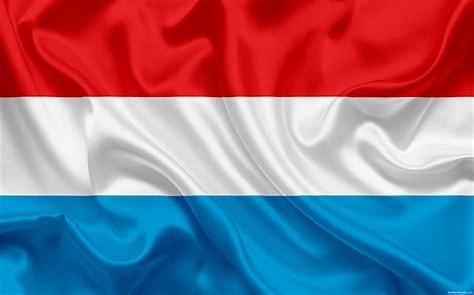
Luxembourg: January-June 2029
Luxembourg is another European tax haven that was badly impacted by the loss of Russian capital being parked in the jurisdiction amidst the imposition of EU sanctions. Numerous Russian businesses are involved in multi-billion euro lawsuits to recover assets, and upcoming court hearings regarding frozen assets in the country will become headline news over the coming years. Luxembourg will follow EU regulations and policies lest it attract too much attention, however its Russian client business is probably irretrievable.
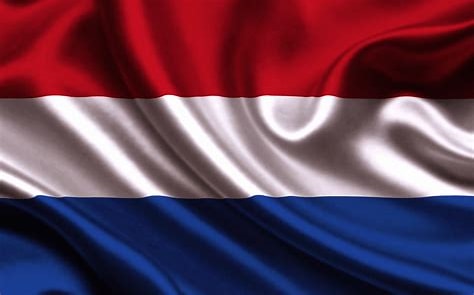
Netherlands: July-December 2029
The Netherlands also had a lucrative double tax treaty with Russia that Moscow cancelled in late 2022, with the two countries previously enjoying good relations in the energy and other sectors. That has diminished from bilateral trade worth about €20 billion in 2019 to €3.8 billion in 2024. Both countries energy sectors have recovered, while the on-going EU focus of the Netherlands makes it unlikely much rapprochement with Russia is achievable.
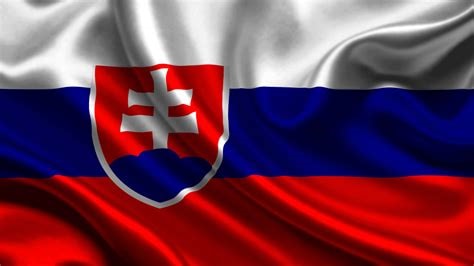
Slovakia: January-June 2030
Slovakia is largely pro-Russian, much to the chagrin of many of its EU partners. Much of this lies with traditional energy and trade supplies from Russia, while despite its EU membership, relations have remained warm. In 2022, bilateral trade reached slightly over €5 billion, mainly in Russian energy imports. By 2024, this figure had remained constant. Bratislava will want to remain in Russia’s orbit and will be looking to increase trade and diplomatic ties.
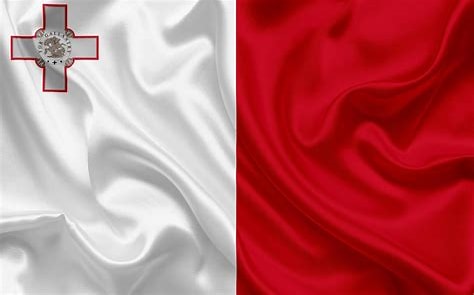
Malta: July-December 2030
Malta is the EU’s smallest country and generally does what it is told to by Brussels. However, it has a sizeable Russian expatriate diaspora, mostly digital nomads engaged in the gaming IT sector. It will not want to rock its local business community as concerns Russian nationals, while being seen to toe the EU’s overall policies.
Summary
The upcoming EU Presidential nations over the coming five years represent a bit of a mixed bag for Moscow but will probably be less anti-Russian rhetoric driven than they have been in the past. It should also be noticed that none of the countries concerned have significant trade clout with Moscow, a legacy of the massive sanctions and exiting from the Russian supply chains that many European nations endorsed. That has cost them not just revenues, but both trade and diplomatic leverage with Moscow. It should be noted that current Russian trade with Nigeria for example is more than many of the EU nations mentioned.
That said, there does appear to be a groundswell of disapproval developing from several European business communities, some of them represented above, who may begin to start questioning their own governments political views of Russia. This will be especially true should, as seems possible, a lasting peace treaty be negotiated between Russia and Ukraine, brokered by the United States.
It also appears true that the US President Trump is highly critical of Europe’s policies towards Russia, saying in his view that the conflict would not have occurred were he in office at that time. Multiple European leaders were also highly critical of Trump’s first term in office; with such attitudes now likely to rebound back upon them. This new narrative, with rather less ambivalence towards Europe than in the past may also begin to shape European policies, and especially attitudes towards Moscow. The Kremlin’s relationships with the countries in line to take on the European Presidency could all, with one or two exceptions, certainly be improved. Natural and long-lasting ties with the Greek and Italians in particular may well prove to be new fertile ground – however there is also the issue of anti-Russian views still permeating throughout their governments. This suggests some shocks may be in store as European business communities wish to regain lost ground, economies certainly require a boost, yet cold war political attitudes remain incumbent. The prognosis is that the EU could well be in for a rocky road over the coming five years. How Moscow reacts will be telling.
The discussions between US President Donald Trump and Ukrainian figurehead Volodymyr Zelensky concerning giving the United States access to Ukrainian rare earth deposits has hit a snag – most of the concentrated deposits referenced by Zelensky are actually in Russia.
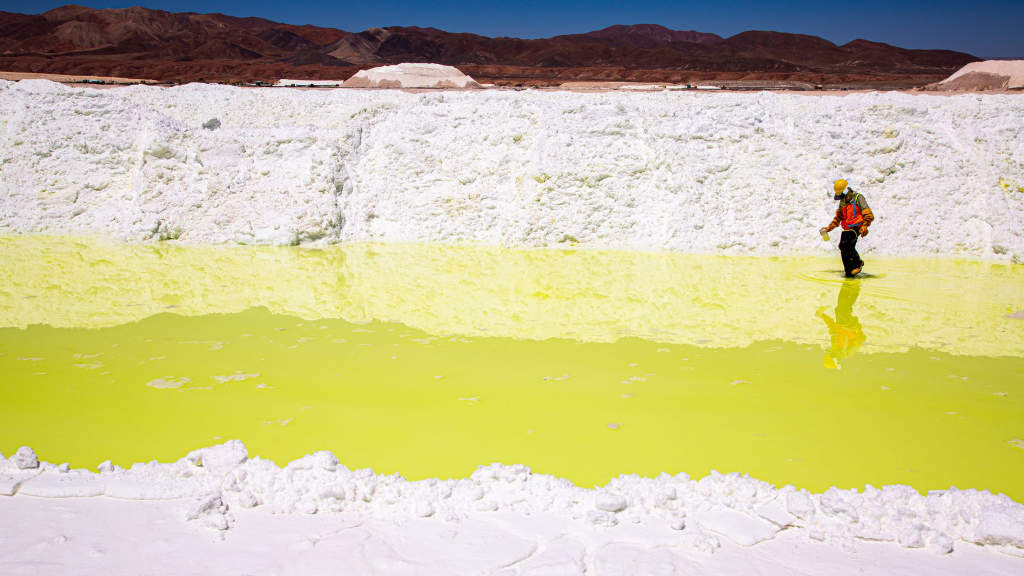
In an article by the UK’s Independent Newspaper the news media provides an interactive map of where Ukraine’s rare earth deposits actually are. Estimates indicate that these are worth over US$15 trillion, with the minerals being vital for global electric vehicle production, other clean energy efforts, and in defence. The Independent goes on to say that included in that is half a million tonnes of lithium, none of which has been tapped. This would make Ukraine the largest lithium resource in Europe.
However, what the Independent fails to point out is that most of these deposits are in territories now claimed as part of the Russia Federation.
According to the Independent’s interactive map, these include Luhansk, with rare earth deposits worth some US$3.25 trillion, Donetsk over US$3 trillion, and Zaporizhzhia at US$488 billion. All became part of the Russian Federation in September 2022. While both Ukraine and the West have rejected Russia’s claims, Moscow has stated on numerous occasions that any peace deal must reflect the situation ‘on the ground’. In fact, most of the collective Donbass region of Ukraine – the Oblasts identified – has not been under Kiev’s administration since 2014. They are also extremely unlikely to return, regardless of Western opinions.
It is also understood that Zelensky proposed the same assets as part of his ‘Peace Plan’ involving Europe and effectively promoted them to ensure finance would be forthcoming. What is apparent is that these are extremely tenuous claims to be making: whatever the situation one thing is apparent – these are not under his, or Ukraine’s control. The bulk of the lithium reserves – vital for the EV industry as a component for batteries – are also in Russian-held territory.
Trump has earmarked US$500 billion in rare earth values to repay back US loans to Ukraine. Kiev still has access, if the Independent statistics are correct, to an estimated US$7.5 trillion of rare earths that it does control, although these will require investment into mining and extraction facilities. The EU will also want to acquire some of these reserves.
Regardless, the episode does point out dynamic reasons for Zelensky’s apparent immediate exclusion from peace talks – his financial evaluations of what Ukraine does or doesn’t own or control, and what it can or cannot actually provide as collateral, are considered unreliable and unrealistic. For Russia however, the reserves may assist with replenishing the damage caused to its own economy and losses in standing up to Ukrainian and European duplicity. The development of Russian EV, probably in JV’s with China, will also be worth looking out for with both domestic and export markets in the CIS and BRICS expected target markets.
Russian fifth-generation Su-57 fighters are being supplied to Algeria, the Algerian state TV has announced, and added that Algerian pilots have already begun training in Russia.
The arms trade allows Russia to further develop and continue to conduct further sales in North Africa. Igor Malikov, an Honored Test Pilot and Hero of Russia was quoted as saying “We are currently maintaining contacts with North Africa, and countries in the region have previously purchased our equipment, we do not stop our cooperation. The Su-57 is one of the most advanced aircraft in the world. It has many new systems, including weapons. In particular, its missiles allow it to destroy targets at a distance that is inaccessible to other existing imported and domestic aircraft. This is a delicate political issue. For example, we used to sell weapons to Finland, but now it is in NATO, and of course we will not transfer anything there anymore. But I think that countries that are well-disposed towards us will have the opportunity to buy these aircraft.”
Algeria and Russia have a long history in military aircraft sales. After Algeria gained independence from France in the late 1950s, the process of forming the Air Force of the new army began. The country received its first Soviet MiG-15 fighters from Egypt in 1962. At the same time, the USSR delivered multi-purpose Mi-4 helicopters. This was the period of formation and training of pilots of the young Algerian Air Force. Pilots were trained both in neighbouring Arab countries and in the USSR, and that relationship has continued.
Algeria’s purchases of the Su-57 are their first export, and it is assumed that Algeria will receive at least 1-2 squadrons, meaning a total of 12 to 24 aircraft. It is highly likely that the export of Su-57s will lead to the expansion of their serial production, and also to continue providing upgrades, with numerous other countries also in the market to acquire such aircraft.
The Russian Navy has sent some of its Pacific Fleet ships to the Indonesian island of Bali to participate in the international exercise Komodo-2025. The Russian ships travelled more than 6,000 nautical miles, conducted a number of exercises and visited the Chinese Far Eastern port of Qingdao. As part of the exercises, the sailors of the two countries will practice joint manoeuvring as part of a squadron, search for submarines, repulsion of air raids of the conditional enemy, as well as exercises in the fight for the survivability of ships. In addition, sports and cultural events will be held during the visit. During the visit, the crews of the corvettes and tankers of the Talnakh Concentrator will visit Indonesian Navy ships and conduct visits to their Indonesian colleagues ships.
The Russian detachment includes the corvettes Aldar Tsydenzhapov, the Rezkiy and the tanker Pechenga who have all arrived at Bali. During these visits, the ships’ crews conduct exercises together with the Indonesian navy foreign sailors and study the seas in the southern hemisphere.
The Russian Navy is strengthening its positions in the Asia-Pacific region, as the fleet has rarely visited the southern seas since the collapse of the Soviet Union. However, over the last two decades, the role of the Asia-Pacific region in world politics and economics has increased, meaning a Russian presence there has become necessary. Russia also has the capacity to provide it, as its Pacific Fleet has strengthened in recent years. It currently consists of 10 large ships of the first and second ranks, of which the frigate Marshal Shaposhnikov has undergone modernization, while five new corvettes were recently added to the fleet from Russian shipyards.
Russia has a special relationship with Indonesia, assisting the then-emerging nation in its liberation from Dutch occupation after WWII, supplying weapons – including cruisers and submarines to the Indonesian navy. Last year, three Russian corvettes – Gromkiy, Aldar Tsydenzhapov and Rezkiy all sailed from Vladivostok to the Indian Ocean, where they took part in the Orruda-2024 naval exercises for the first time, which Indonesia has been organizing for several years.
Indonesia is one of the largest countries in southeast Asia, with a population of 278 million and a rapidly growing economy, and became a full BRICS member in January, while continuing to negotiate a Free Trade Agreement with Russia via the Eurasian Economic Union. That is expected to be concluded later this year.
Russia is also making progress in naval co-operation with Cambodia, Laos and Vietnam, and has concluded a comprehensive strategic partnership treaty with North Korea.
The period from 2025 to 2037 will be particularly important for Indonesia and Russia’s efforts to strengthen their strategic partnership. The two countries can forge a strong and sustainable alliance that will enhance regional security, support economic growth and ensure international stability by focusing on maritime cooperation, defence modernisation and strategic diplomacy.
Last year, ships and vessels of the Russian Navy made over 50 long-distance voyages, visiting numerous ports in the Global South. These included Cuba, India, Venezuela, China, and the Middle East, while the cruiser Varyag and the frigate Marshal Shaposhnikov completed a seven-month voyage, sailing from Vladivostok to the Mediterranean Sea and back . They took part in a number of exercises and made port calls in various countries, including Eritrea’s Massawa port – the first visit by a Russian warship since Eritrea’s separation from Ethiopia.
The frigate Admiral Gorshkov, together with the nuclear submarine Kazan, visited Havana in the summer, being the first stop at a foreign port by a Russian nuclear submarine since 2004.
Last year, the Russian Navy held its largest naval exercises since the Soviet era, dubbed Ocean 2024 Exercises. That involved Russian navy forces from the Baltic, Northern and Pacific fleets, the Caspian flotilla and the permanent naval formation in the Mediterranean Sea. That was aimed at checking the readiness of the senior staff of the Russian Navy to operate all-arms groups of forces in the areas of responsibility, to solve non-standard operational tasks, and to make full use of high-precision weapons, advanced and modern weapons and military hardware.
The exercises took place from September 10 to 16, 2024, and involved 400 ships, and about 90,000 servicemen. Almost all the Russian navy participated with the exception of the Black Sea Fleet which were engaged off the Ukrainian coast. For the first time, the Chinese navy also took part in the exercises.
Etihad Airways are to launch direct flights between Abu Dhabi, one of the UAE Emirates, and Sochi, on Russia’s Black Sea coast, from May 29. Flights will be operated on Airbus A320 three times a week.
The new route will improve transport accessibility between Russia and the UAE and is aimed partially at Emirati citizens and Russian expats in the UAE escaping the searing summer heat in the Middle East for the balmier climate of southern Russia.
About 350,000 Russians are based in the UAE, seeing it is an alternative operational base after the West imposed sanctions on Russia. Many have purchased property, founded companies and begun subsidiaries of their Russian operations. Nearby Dubai’s neighbourhoods have also changed, where the Russian community can now find familiar cafes, such as Dodo Pizza or Angel Cakes.
The UAE is a member of BRICS and is expected to shortly sign a Free Trade Agreement with the Eurasian Economic Union. Russia and the UAE have also finalised a Double Tax Agreement that will take effect next year.
Russia is increasing liquefied natural gas production and exports despite sanctions and could expand shipments to India, First Deputy Energy Minister Pavel Sorokin has said. He was speaking at the India Energy Week in New Delhi, and said that India, already the largest buyer of Russian crude oil, could also become a major market for LNG.
India’s primary LNG suppliers are currently Qatar and the United States, which together meet about 50% of its demand. However, India’s natural gas consumption is expected to rise by 60% between 2023 and 2030, doubling its LNG import needs, according to the International Energy Agency (IEA).
Sorokin said that “India is one of the furthest points for our LNG. Previously, we didn’t have spare LNG to contract with Indian partners, but this is changing. We are expanding in the LNG market, launching new projects, and hope India will become a major trading partner in this space.”
He emphasized that Russia offers “competitive pricing” and will continue trading with its partners despite mounting sanctions from Washington and its allies. “We are ready to compete in a free market, as long as it’s not accompanied by illegal measures such as sanctions.”
India currently has seven LNG import terminals with a total capacity of about 47.7 million metric tons per year. The IEA suggests that surging demand will necessitate additional import capacity in the latter half of the decade.
Russia is one of the world’s largest gas exporters, shipping a record 33.6 million metric tons of LNG last year, over half of which went to the EU, according to analytics firm Kpler. In December, Deputy Prime Minister Alexander Novak stated that “Russia has big projects ahead, with new volume capacity being built, and LNG supplies ready to go to both Europe and Asia.”
While the EU has banned Russian coal, seaborne crude oil, and refined oil products, it has not imposed direct sanctions on gas and LNG due to its reliance on the fuel. However, the United States has sanctioned Russia’s major LNG producer, Novatek, and its Arctic LNG 2 project, which was expected to produce nearly 19.8 million metric tons of LNG annually, mainly for Asian markets. In January this year, the US sanctioned two Indian entities for allegedly supporting Russia’s Arctic LNG 2 project.
Washington, at the same time, has been pushing India to increase imports of both LNG and oil to reduce the trade imbalance between the two countries. The same pitch was made by US President Donald Trump on Thursday when he met Indian Prime Minister Narendra Modi in the White House. This indicates very strongly that US sanctions are being imposed purely for trade competitive reasons. This breaks all concepts of a free market and also WTO rules and regulations.
Speaking after the meeting, India’s Foreign Secretary Vikram Misri said: “I think we purchased about US$15 billion in US energy output. There is a good chance that this figure will go up as much as US$25 billion.”
Russian Foreign Minister Sergei Lavrov will head the national delegation to the meeting of G20 Foreign Ministers in South Africa next week, according to Russian Foreign Ministry spokesperson Maria Zakharova, who said “The first meeting of the G20 foreign ministers to be hosted by our friends and like-minded associates from South Africa in their presidency debut is being prepared. It will take place in Johannesburg, South Africa, on February 20-21 this year. Our Foreign Minister Sergei Lavrov is planning to head the Russian delegation. Current issues of the integrity and effective functioning of the global economic system will be addressed.”
G20 members include the world’s major economies, representing 85% of global GDP, 75% of international trade, and two-thirds of the world’s population. Members include Argentina, Australia, Brazil, Canada, China, France, Germany, India, Indonesia, Italy, Japan, Mexico, Russia, Saudi Arabia, South Africa, South Korea, Türkiye, the United Kingdom, the United States, the European Union, and the African Union. Six of the group are full BRICS members, with another two full members and three BRICS partners within the African Union, plus several potential members also participating. Next week’s G20 summit therefore contains a significant pro-BRICS majority.
The event is the first of this year’s calendar, with Brazil holding the Chairmanship. The Heads of State summit will take place later in the year in Rio De Janeiro.
Meanwhile, US President Donald Trump has suggested that Russia rejoins the G8, from which it has been suspended since 2014. The current G7 is an intergovernmental political and economic forum including Canada, France, Germany, Italy, Japan, the United Kingdom and the United States; with the European Union as a non-enumerated member. G7 members are major IMF advanced economies. However, Kremlin spokesman Dmitry Peskov said on Friday, (February 14) in response to US President Donald Trump’s proposal to readmit Russia, that the G7 has “lost its relevance” and is “obsolete because economic growth centres have shifted to other parts of the world and are not represented in the current configuration.”
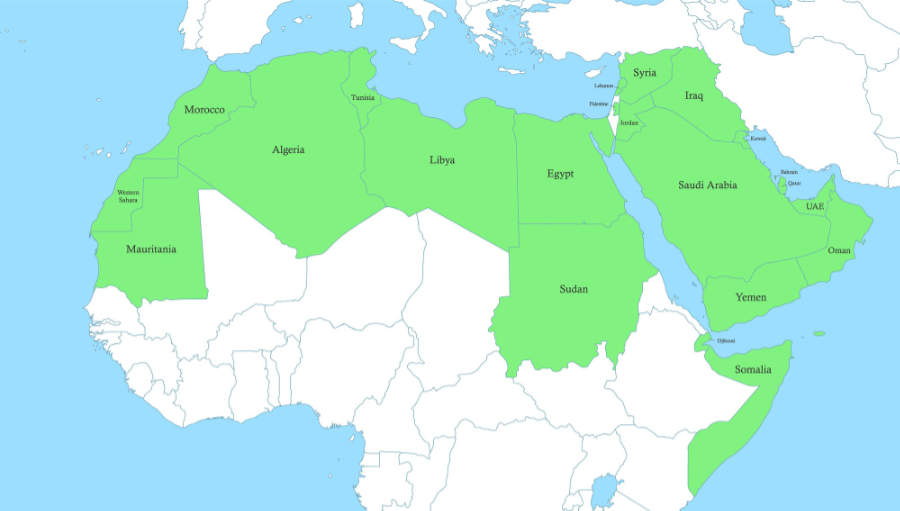
Anton Mardasov, a Russian policy academic specialising in the Middle East, has stated that following Russia’s recent discussions involving Syria and Sudan, Moscow is still looking for other options for its military presence in the region and beyond, with the potential of creating an African-Middle Eastern trade and security corridor.
Discussions are ongoing with the new Syrian leadership concerning Russia’s naval and air force presence at Syria’s Tartus and Latakia ports, while Sudan has granted Russia use of its Port Sudan facilities on the Red Sea. If Russia can continue its Tartus port use with Syria, it can further extend these connections West and East.
According to Mardasov, the main negotiations between Moscow and Damascus are the Russian facilities in Tartus and Latakia. “They can be used as entry points for cargo transit and ship repairs en route to Africa, taking into account direct sea and air links with Libya or Guinea for the transfer of cargo to the countries of the Sahel Alliance.”
The Sahel Alliance includes Burkina Faso, Mali, Mauritania, Niger, and Chad, all of which are actively involved with Russian diplomacy, military support, and small, if developing trade. However, the Sahel region is one of the world’s richest, with vast energy and mineral resources including oil, gold and uranium. Difficulties though include European colonial exploitation, a lack of infrastructure, extreme poverty, corruption and regional conflicts.
Addressing these issues, Mardasov has commented “Of course, safety options are necessary. That is why the modernization of a number of facilities in Libya is continuing. Negotiations are under way with Sudan on the economic involvement of Russian companies. Onward agreements with Oman and a return to efficient transit through Tunisia are also possible.”
Although Russian transport logistics around the Syrian facilities have been well established, there are sticking points. Mardasov has said that “Moscow’s actions are understandable and logical, as the Russia-Syria negotiations are taking place against the backdrop of a long pause in West-Syrian contacts. Those are now being reestablished with negotiations with the EU, with Damascus using the presence of Russian bases to bargain with Europe on the lifting of sanctions. There is also the issue of Syria’s previous government, including Assad’s family and several hundred high-ranking military and intelligence officials of his regime being given refuge in Russia.”
While Assad and his officials can be considered as yesterday’s men, Syria will require ironclad guarantees that they will not be able to influence any aspect of Syrian politics. Strong bonds of trust need to be built between Moscow and Damascus. The EU meanwhile will attempt to sabotage any developments between Russia and Syria; however, they also have a major disadvantage that Damascus will be listening too: colonial Europe’s history of dictating terms and its exploitation of the wider African mineral resources. To this extent, whether Moscow can see its dream of creating a trade and security corridor that runs from North Africa through the Middle East and to the Indian Ocean will depend in part on how well Syria can manage its diplomatic relations with Egypt, (pro-Assad), Libya, and the Sahel Alliance nations. If Damascus can pull that off, Syria could become a trade and transit hub between North Africa, the Persian Gulf, and the Indian Ocean. While Russia can provide the logistics and military support to support this, the yet undefined aspect is China’s Belt & Road Initiative and the extent that Beijing will also be prepared to invest. The regional dynamics are fascinating. Can Damascus deliver?
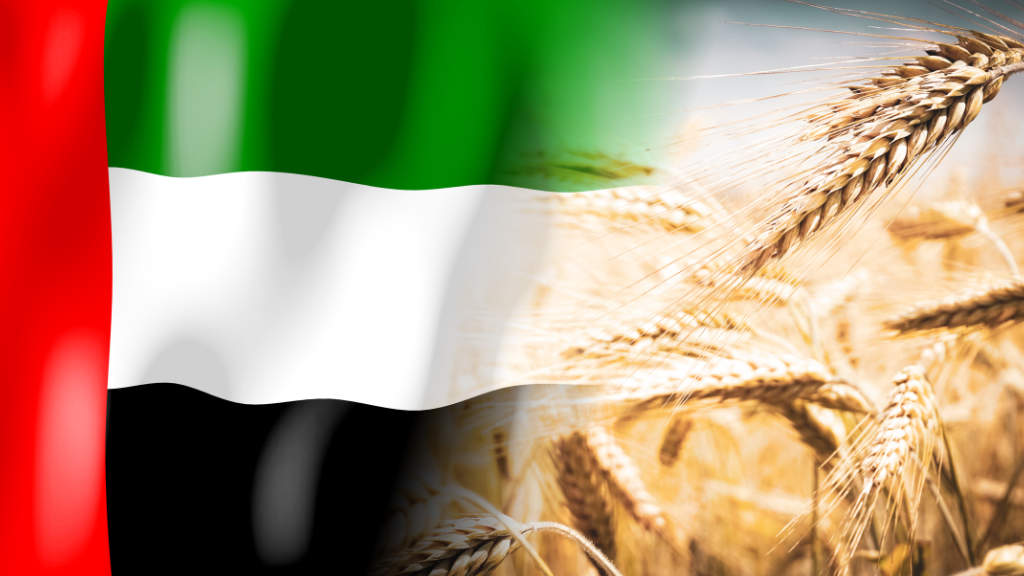
Russia exported over 1.2 million tonnes of agricultural products to the United Arab Emirates (UAE) in 2024, up 40% compared to the previous year, according to Russia’s Agroexport Centre. The top five agricultural products included wheat, which accounted for 71%, barley at 17%, peas at 4%, dried lentils at 2% and chickpeas at around 1%.
Agroexport also said that Russia exported approximately 10,000 tonnes of poultry meat to the UAE in 2024, up 2.2 times compared to 2023. The majority of this (83%) was chicken meat.
The news comes as the world’s largest international food convention, Gulfood 2025, takes place in Dubai next week. It is one of the key events for exporting companies, where manufacturers and suppliers from around the world will showcase their products and establish new business connections.
The UAE is a promising market for agricultural product suppliers due to its developed infrastructure and advantageous geographical location, serving as the economic hub of the Middle East. However, due to climatic conditions, only a small portion of the territory is suitable for agriculture, making the country one of the largest importers of agricultural products in the region. Russian agricultural exporters will be there in force to boost exports to the region.

 Русский