News

Russian Foreign Ministry: “Developing Trade With Asia Is A Key Task”

Published on February 11, 2025

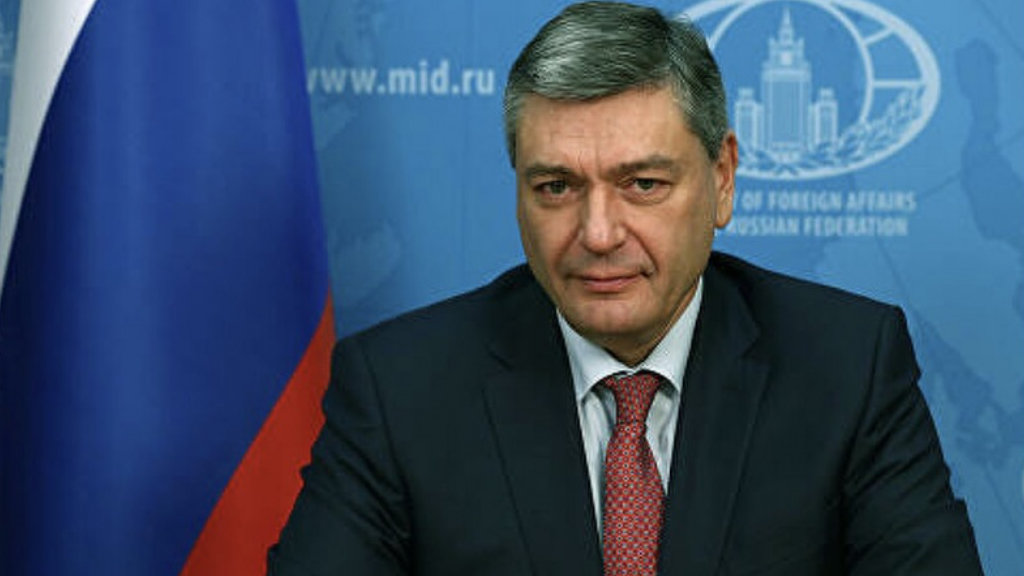
Advancing practical cooperation with Asian states is among Russia’s key tasks, Russian Deputy Foreign Minister Andrei Rudenko has said, to mark ‘Diplomat’s Day’ yesterday (February 10).

“Advancing practical cooperation with Asian states is listed among key tasks. Despite the unprecedented pressure of the collective West on our partners and the illegitimate anti-Russian sanctions, trade and energy cooperation are developing and mutual trade is steadily growing,” Rudenko said, continuing “Joint projects in energy, prospecting and development of natural resources, and prospective transport and logistics routes have been discussed. Stable interregional contacts are being maintained. The network of direct airways is expanding, and Russian airlines perform regular flights to cities in Thailand, Vietnam, Indonesia and Myanmar.

In 2025, we will give particular attention to celebrating the 80th anniversary of the victory in WWII and preserving historical memory of our country’s crucial contribution to defeating Nazism and fascism in Europe and Japanese militarism in the Far East and Asia. We are expecting to continue active exchanges, including those at the summit level, in 2025. We are expecting heads of certain Southeast Asian states to attend celebrations of the 80th anniversary of the victory in the Great Patriotic War in Moscow. We also hope they will be represented at the proper level at multilateral events in Russia, above all the St. Petersburg International Economic Forum, the Eastern Economic Forum, and the Russian Energy Week.”

Further Reading

Asia Now Buys 45% Of All Russian LNG

Russia 2025 Double Tax Treaty Agreements: An Update  

Published on February 10, 2025

Russia suspended its double tax treaties with numerous ‘unfriendly’ countries in 2022, a decision that created some shock waves at the time as these agreements prevented the taxing of income in both Russian and mainly Western-aligned countries. As was shrewdly observed at the time “Why should Russia treat unfriendly foreign nations to tax reductions when they impose sanctions on our trade?”

Double Tax Treaties work on the basis that the same income cannot be taxed twice in different countries. This basic premise is of use when structuring cross-border investments and trade between countries because tax rates differ between different countries. For example, the Corporate Income Tax rate in Russia is currently 25%, meaning that Russia will levy a CIT tax of that amount on profitable income. However, if this money is generated by a Foreign-Invested Company, which then want to repatriate those profits after taxes back home, the CIT rate back in their home country might be different.

For example, in India, the CIT rate is 34.94%. But Indian companies, upon returning their Russian sourced profits back to India don’t have to pay another 34.94%. Instead, they will pay the difference between the tax they paid in Russia (25%) and the tax balance due to India (9.94%). Hence the term “Double Tax Treaty”.

However, DTA, when used correctly, can also help reduce the overall profits tax via a simple and legitimate method of transferring the category of tax liabilities. This is where Russian businesses should be paying attention to these documents. DTA are usually bespoke agreements containing provisions that reflect the bilateral trade strengths between the participating nations. A clause to pay specific attention to concerns royalty payments for the use of patents or trademarks (brands). Often this identifies a ‘Withholding Tax’ rate – typically of 15%.

Crucially, if this is lower than the CIT rate of the country being invested in by a Russian business, for example Algeria, the Algerian CIT rate is 26%. However, in Article 12 of the Russia-Algeria Double Tax Treaty, it is clearly specified that the Royalty rate applicable for “any means payments of any kind for the use or right to use any copyright of literary, artistic or scientific work including films and recordings for radio and television broadcasting, any patent, trademark or trademark, design or model, plan, secret formula or process secrets, as well as for the use or right to use any industrial, commercial or scientific equipment or for information concerning experience gained in industrial, commercial or scientific experience” is 15%.

This means that in order to minimize the Algerian CIT rate of 26%, it would be a good idea to agree royalty payments to be charged to the Algerian subsidiary (or trading partner) of a Russian-owned business in Russia. In Algeria this royalty rate is classified as a legitimate expense – reducing the overall profitability and allowing the transfer back to Russia of these expenses.

Currently, Russia has Double Tax Treaties in force and remaining valid with the following countries:     

Algeria, Armenia, Azerbaijan, Belarus, Botswana, Brazil, China, Cuba, Egypt, India, Iran, Israel, Kazakhstan, Indonesia, North Korea, South Korea, Kuwait, Kyrgyzstan, Lebanon, Malaysia, Mali, Mexico, Moldova, Mongolia, Morocco, Namibia, Oman, Philippines, Qatar, Saudi Arabia, Serbia, South Africa, Sri Lanka, Syria, Tajikistan, Thailand, Turkey, Turkmenistan, Uzbekistan, Venezuela, and Vietnam.

We will be examining the specifics of some of these agreements in upcoming articles.

For tax advisory involving Russian investments overseas, please contact us at info@russiaspivottoasia.com

Further Reading

Russia 2025 Individual and Corporate Income Tax Rates

Trade With Southeast Asia and Latin America Now Accounts for 70% of Russia’s Exports & Imports: Foreign Ministry Interview

Published on February 10, 2025

Trade with the economies of Southeast Asia and Latin America already accounts for more than 70% of Russia’s export-import transactions, and the share of settlements in national currencies under foreign contracts with them is about 90%, according to Alexander Pankin, the Russian Deputy Foreign Minister.

He emphasized that Moscow will continue to deepen cooperation with the countries of these regions at the international level during 2025, while the doors to BRICS and the EAEU remain open. In particular, the Eurasian Economic Union is counting on the active involvement of Nicaragua, which claims observer status, while a highlight will be the conclusion of an EAEU Free Trade Agreement with Indonesia.

Pankin was being interviewed by the Russian economic news outlet Izvestia, which the West has banned from viewing in its territories. Izvestia is the Russian version of the Financial Times and The Economist.

The interview is as follows:

IZ: What is the most important thing for you in the work of a diplomat? How do you see the ideal diplomatic worker? What qualities should he have?

AP: “The main thing in the work of a diplomat is probably, first of all, faith in one’s country. Belief that a diplomat is doing an important and necessary thing and doing it well, that this helps strengthen the image of Russia and consider our interests in the international arena. Ultimately, this promotes active cooperation with various countries, from which they, and the Russian people benefit.

The ideal diplomat has, to have the ability to listen and understand, speak and convey information and arguments. Psychologically, it is the ability to be prepared for unpleasant and complex conversations, show respect, never get personal, because the interlocutor-diplomat does the same work. And, of course, this is knowledge of the culture, way of life and traditions of the interlocutor, so as not to insult or violate his usual foundations. It is important to find a way out of seemingly deadlock situations, show ingenuity, reach compromises without compromising the fundamental interests of your country, and believe in what you say.

Is there such an ideal diplomat? Our President (Vladimir Putin) is a great diplomat. So is my boss (Russian Foreign Minister Sergei Lavrov). In general, we have a huge cohort of people in the Ministry of Foreign Affairs of the Russian Federation, and beyond, who are involved in public, public and top-level diplomacy.

We have honest diplomacy. Perhaps ideas about her have been twisted for many years, decades and even centuries. For example, I absolutely do not share the point of view that a diplomat thinks one thing, says the second, but does the third. Our partners value honesty in us. Maybe we don’t agree on what we can and can’t talk about, but we never seek to deceive.”

IZ: In rather difficult times for diplomacy, settlements in national currencies are of particular relevance. Thus, Russia, together with the central banks of the BRICS countries, is developing the BRICS Bridge settlement platform. Should we expect its launch in 2025? Was it possible to agree on the introduction of a single digital currency?

AP: “Significant attention during the Russian chairmanship of BRICS in 2024 was paid to the creation of a settlement and payment infrastructure that is equally accessible to all BRICS countries. We are talking about promoting practical initiatives proposed by Russia to create mechanisms for making cross-border payments, settlement, clearing and reinsurance infrastructure. The relevant departments continue to actively engage in this, including issues of connecting the financial markets of the BRICS countries and introducing new mutual settlement schemes. We expect that this work will continue during the current Brazilian presidency.

Today there is no talk of a single BRICS currency, although there is a lot of speculation and rumours. The main focus of attention of the participating countries is now aimed at creating conditions for the widespread use of national currencies in mutual settlements. All BRICS states are determined to achieve practical results and are ready to increase such interaction, with this intent confirmed at last year’s BRICS summit in Kazan last October.”

IZ: BRICS has recently been replenished with a new category of partner countries. Should we expect this list to expand in 2025? Do you admit that in 2025 or maybe within two or three years, BRICS will have new full members?

AP: “In accordance with the agreement reached at the summit in Kazan, since January 2025, Belarus, Bolivia, Kazakhstan, Cuba, Malaysia, Nigeria, Thailand, Uganda and Uzbekistan have become BRICS partners. Indonesia became a full member. We are convinced that the involvement of new like-minded people in the work of the association contributes to the formation of a fairer, more equal and multipolar architecture of international cooperation. During the period of the Brazilian Chairmanship, in agreement with all BRICS members, we will facilitate the involvement of partner states in cooperation with the members of the association where possible, — primarily in outreach and BRICS+ formats.

Of course, we cannot ignore the growing interest on the part of the world majority states in building interaction with BRICS. This confirms the attractiveness of our strategic partnership and the principles on which cooperation in the association is based. This is mutual respect, balance of interests and consensus. The doors of BRICS remain open, while increasing efficiency and consolidating the expanded strategic partnership remains a priority.”

Further Reading

What To Expect From BRICS 2025?

Xi Jinping Expected To Visit Moscow In May For World War Two Victory Day Celebrations

Published on February 10, 2025

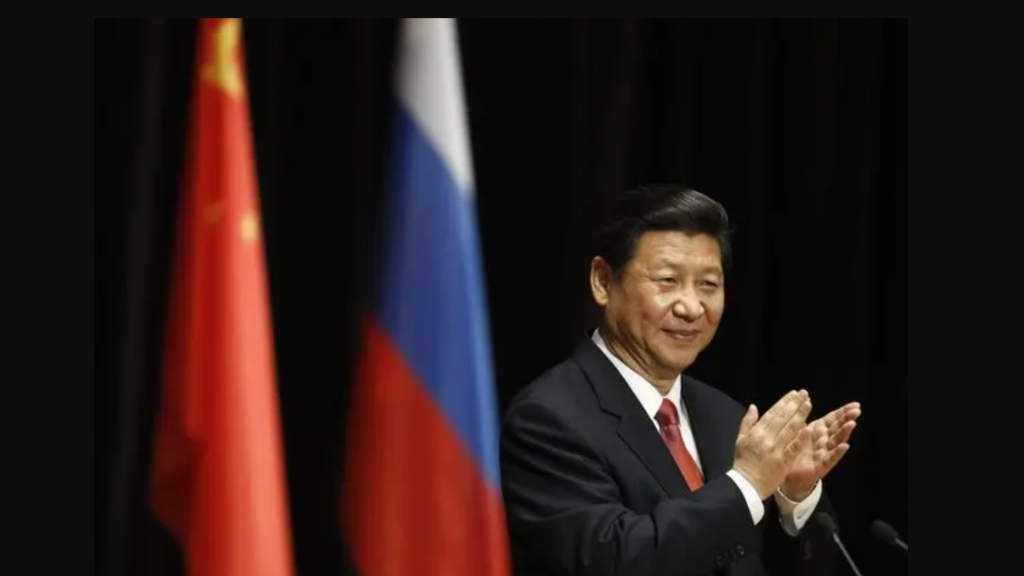
Chinese President Xi Jinping has accepted an invitation to attend the celebration in Moscow of the 80th anniversary of Victory in the Great Patriotic War (World War Two), according to a statement announced by the Russian Ambassador to China, Igor Morgulov. Chinese authorities have not yet commented on the information.

Morgulov stated that “The Chairman of the People’s Republic of China, Xi Jinping has accepted an invitation to take part on May 9 in Moscow in the celebrations marking the 80th anniversary of Victory in the Great Patriotic War and, in turn, invited Vladimir Vladimirovich Putin to China for the (similar Chinese) celebrations planned for early September.” Presidential press secretary Dmitry Peskov said, that Russia will invite many heads of state to the event. Most European countries, despite the fact that Russia helped defeat Nazi Germany and Imperial Japan at great cost, and guaranteed the freedom of Europe, will not be attending. Most view it as a ‘propaganda’ event. 

However, Russia (as part of the Soviet Union), China, the United States and most European allied forces cooperated during WWII to defeat Nazi Germany and its allies. The USSR lost about 27 million soldiers and civilians during the war. Europe is estimated to have lost about 20 million, including 6 million Jews during the Holocaust.       

The previous time Xi Jinping visited Moscow was in March 2023, for a three-day visit.

Further Reading

2025 Russia-China Presidential Visits Confirmed As Putin & Xi Discuss Trade and Development

Russian Domestic Investment Grade Diamond Sales Increase Threefold

Published on February 10, 2025

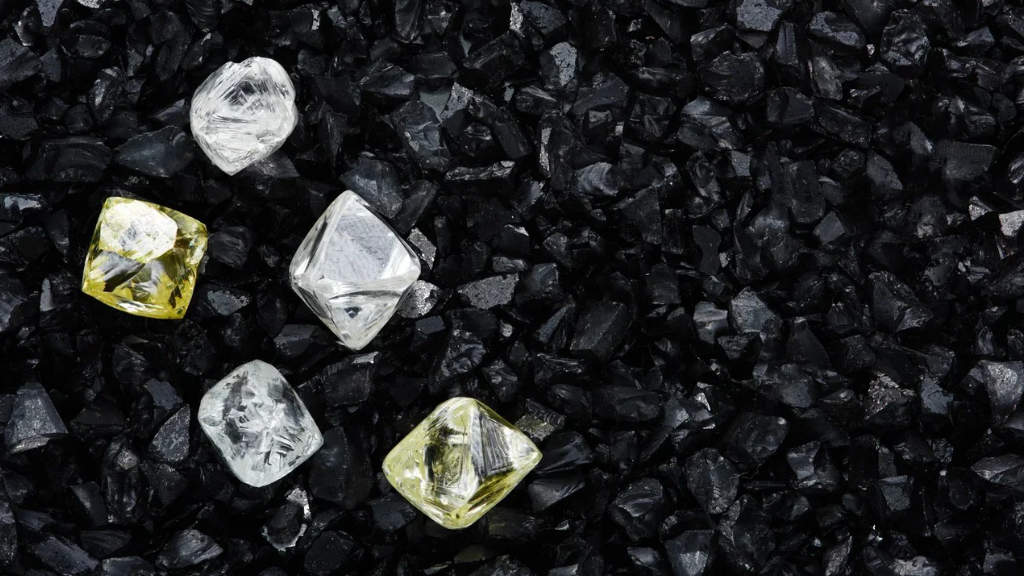
ALROSA, which produces about 90% of diamonds in Russia, increased sales of investment-grade diamonds by a multiple of three times in 2024, to more than 1,000 units, the company has said.

The investment category includes diamonds from 2 carats with certain colour and purity characteristics. Their price point starts from ₽2 million (over US$20,000) per gem.

Russia is the world’s largest producer of diamonds, contributing to about 25% of the global supply, and also has the world’s largest and richest diamond reserves.

ALROSA began to develop this market following the EU imposing sanctions on Russian diamonds, which were intended to push Russia out of the global diamond market. As a result of these sanctions, all diamonds traded in the main European diamond bourse in Belgium above 0.5 carats had to be certified as non-Russian. That created significant, expensive, and difficult-to-comply-with regulations, as diamonds are essentially pure carbon crystals with only microscopic, hard to detect differences in terms of determining origin. As a result, Belgium has largely lost its hundreds of years old diamond trading industry with buyers bypassing it for markets in Israel, Dubai, India, Hong Kong and Vladivostok.          

Following ALROSA’s moves, against the backdrop of sanctions and reduced opportunities to maintain capital liquidity, private investors in Russia were able to buy investment diamonds without paying VAT and at international market prices. At the same time, the prices for such diamonds are rising, and they are now being used as investment tools.

VTB Private Banking says that the number of transactions for the sale of diamonds in 2024 increased by 60% year-on-year. This year, the bank expects further growth in interest in diamonds as a protective instrument, says Yulia Bezmenova, vice president and head of VTB’s business development.

Alfa Bank notes that wealthy investors around the world tend to invest about 5% of their portfolio in collection properties, or approximately US$300 billion per year. The weight of investment stones in such a portfolio varies across countries, but in general it is about 1%, or US$1.5–2 billion.

According to Dmitry Orekhov, director of the NKR rating agency, the demand for investment grade diamonds has been growing by 5–7% per year. In the coming years, he predicts, sales of investment diamonds will increase by 5–10% per year. In addition to the limited supply that attracts many investors, the stones make it possible to diversify risks during periods of macroeconomic instability and volatility of many assets in the stock and financial markets.

Boris Krasnozhenov, head of the analytical research department at Alfa Bank, says that the current market for investment-quality stones in Russia is about 5% of the global market, and worth about US$100 million. That assessment takes into account cultural traditions (such as engagement rings), which are extremely important in this category of investment. In Russia, the tradition of storing savings in physical assets (such as diamonds and gold) is higher than in other countries. Krasnozhenov also said that another important factor for the market is the presence of a reliable source of stones, which Russia possesses via ALROSA which controls about 30% of global diamond production and has a developed infrastructure for investors.

However, according to Akhmed Aliyev, of BKS World of Investment, this new development is too narrow to cover the EU sanctions crisis in the diamond industry as a whole, On the global market, quotas have been declining, with De Beers Anglo American in its 2024 reporting lowering its diamond production forecast for 2026 to 26–29 million carats against the previous estimate of 32–35 million carats. In 2024, production of De Beers diamonds decreased by 22%, to 24.7 million carats. ALROSA has also cut back on supplies, reducing its production by 4.6%, while at the same time hoping to stimulate domestic demand.

Further Reading

Russia Creating New World Market Diamond Standards With African Producers

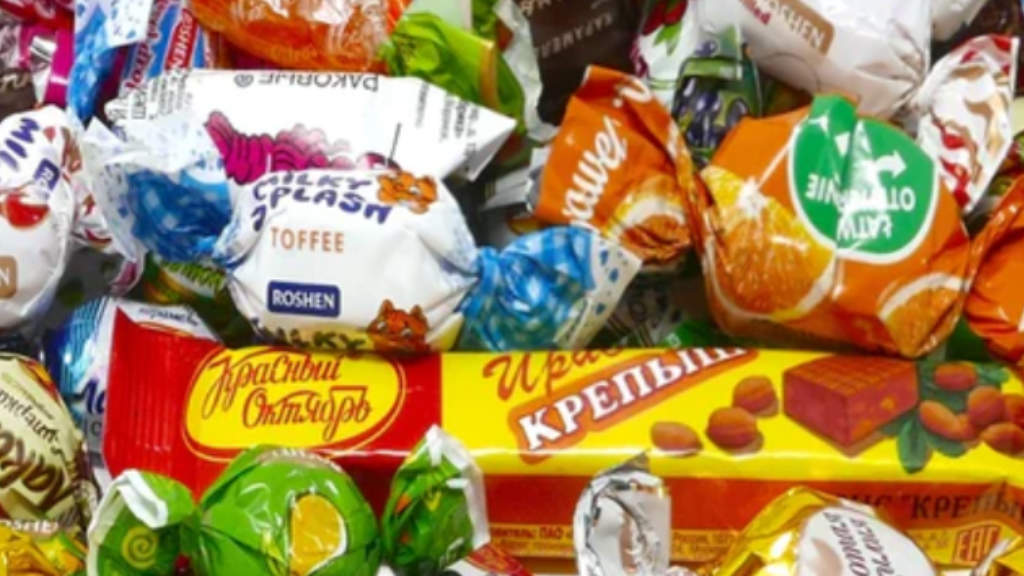
A Sweet Tooth For Russian Sweets: Russian Confectionary Exports Up 8% In 2024

Published on February 9, 2025

Russia exported 700,000 tonnes of confectionery products in 2024, up 8% year-on-year, while the value of these exports grew 10.3% to reach US$1.81 billion, according to the Russian Association of Confectionery Industry Enterprises. They were presenting at the “Confectionery Products of the 21st Century” conference in Moscow last week.

The 2025 export forecast for Russian confectionary exports is 781,600 tonnes, valued at US$2.07 billion.

Ilya Ilyushin, the head of the federal Agroexport center aid that the domestic confectionery industry holds a significant share of Russia’s overall agricultural exports, stating that “It is the fourth or fifth largest export sector among the key industries. However, its potential surpasses that of others. We can clearly see that global demand is growing, imports are increasing, and Russian companies have great opportunities.”

According to Ilyushin, chocolate products accounted for the largest share of Russia’s confectionery exports in value terms in 2024, at 48%. Flour-based products made up 39%, while sugar-based confectionery accounted for 13%.

Russia exported 253,000 tonnes of chocolate products in 2024, up 6% from 238,000 tonnes in 2023. The value of exports increased 9% to US$811 million from US$746 million the previous year. Exports of flour-based confectionery grew 14% from 292,000 tonnes to 332,000 tonnes, while sugar-based confectionery exports rose 6% from 82,000 tonnes to 87,000 tonnes. In value terms, flour-based exports increased 12% from US$597 million to US$672 million, while sugar-based exports remained at the 2023 level of US$218 million.

The main buyers of Russian confectionary products are China and members of the Eurasian Economic Union and Commonwealth of Independent States, some of which are iconic, well known brands.  

Further Reading

Russia – Peru 2024 Bilateral Relations: Update

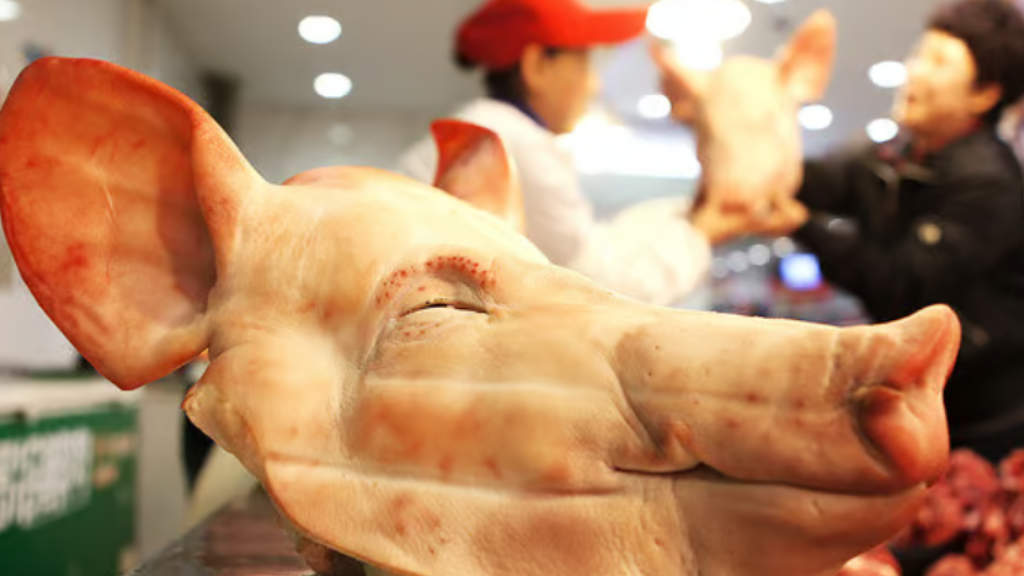
Russia Targeting 15-20% Increases In 2025 Pork Exports

Published on February 9, 2025

Russian pig farmers had a significant boost in 2024, when China, the world’s largest importer of pork, began accepting Russian pork from April. That has resulted in expectations that 2025 will be a record-breaking year in Russian pork meat exports.   

Yury Kovalev, the CEO of the National Union of Pig Breeders stated that Russia exported 300,000 tonnes of pork in 2024, amounting to about 6% of the country’s total production, stating that “This year (2025) we plan to increase exports by about another 15%-20%. It will be about 350,000 tonnes. The target by 2030 is 500,000-550,000 tonnes. In the second half of last year, we shipped 40,000 tonnes to the Chinese market. I think it would be a great success if we increase by another 50% this year and can ship about 60,000-70,000 tonnes.”

Asked about the prospects of increasing the number of Russian pork suppliers to the China, as only three companies are currently certified, he said Russian plant and animal health watchdog Rosselkhoznadzor is working towards expanding this with their Chinese counterparts.

Kovalev said “There are a number of companies that are now preparing for accreditation for the Chinese market. Our product is competitive in both quality and price. The first results of deliveries last year have demonstrated this.”

Kovalev recalled that Russia achieved virtually 100% self-sufficiency for pork by the start of the 2020s. “Today our domestic pork prices, particularly in foreign currency terms, are among the lowest in the world, primarily because we created our own industry. And in 2020 we began to implement an export-oriented strategy.”

Further Reading

Russian Pork Exports Rooting For A 2025 Increase, With China A Key Market

Russian Disposable Income Levels Grew By 8.6% In 2024: Economic Analysis

Published on February 8, 2025

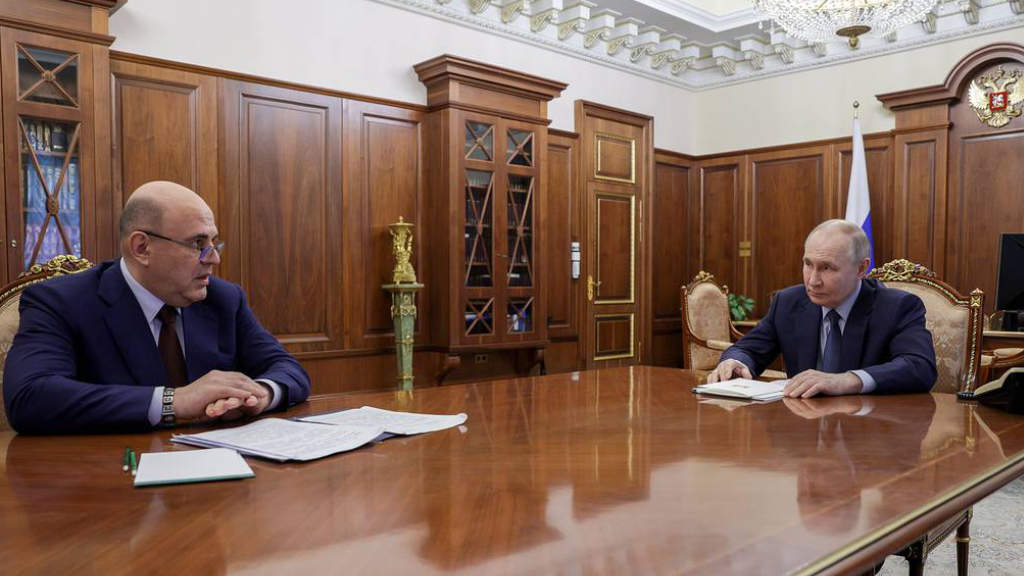
Russian President Vladimir Putin has been discussing and analysing Russia’s economic position during 2024 with Prime Minister Mikhail Mishustin to see areas that worked and where attention to change needs to be directed. Mishustin was presenting the results of Russia’s economic performance for last year. The results are generally positive but there are some critical issues to address.

It should be noted that Putin studied law at Leningrad University, defending a dissertation entitled “The Principle of Most Favorable Treatment in International Law”, and also defended his PhD thesis entitled “Strategic Planning of Reproduction of the Mineral Resource Base of the Region in the Conditions of Formation of Market Relations” at the Mining Institute of St. Petersburg. At the same time, Mishustin earned a PhD in economics from Plekhanov University, and during his years of study he added a PhD in economics from the Presidential Academy of National Economy and Public Administration.

One positive aspect has been that according to Rosstat, the growth of real disposable incomes in Russia climbed to 9.4% year-on-year in Q3 2024, following a 9.8% increase in Q2 and 6.4% in Q1. Overall, Rosstat estimated the growth in real disposable incomes at 8.6% between January and September 2024. Simply put, the average Russian now has an extra 8.6 rubles for every 100 rubles they earned in 2024 to spend on luxury items – so-called ‘disposable income’ after all living expenses have been catered for.

Another important figure for discussion is Russia’s unemployment levels as this is creating problems. On average, it did not exceed 2.5% throughout the year and currently stands at 2.3%. That has lead to competition to hire in-demand workers, meaning salary increases (hence the rise in disposable income levels) however this also feeds inflation, which if allowed to continue could wipe out the disposable income benefits.  To illustrate this, real wages grew 8.7% over the 11 months January-November 2024.

A lack of available workforce supply is also hindering Russia’s potential economic growth, with this expected to drop this year to about 1.7%, down from 4.1% in 2024 as a result. Addressing this will require new employment policies, with some of them radical – Russia is looking to attract skilled labour from India for example to address the deficit. This scheme is also being looked at on a broader basis, with some discussions underway about imported workers from Africa, in addition to huge adult retraining programmes being adopted. Certain highly-labour intensive, but low-value industry sectors may also be forced out of the Russian market as a result as Moscow looks to upgrade its available labour pool.

Mishustin said that 2025 GDP growth might not be as high as the 4.1% seen in 2024. “But it is essential to stop inflation and do all we can, on no uncertain terms, to ensure long-term economic growth based on a stable macroeconomic situation.” Putin said this year’s task was to lower inflation and enter a balanced growth trajectory, adding that “Russia needs to change the structure of its economic growth and develop the supply chain economy. We need to change the structure of such growth. I have already said it is important everywhere, in all regions of our country, to create new plants, new jobs. And the work at such plants should be based on modern principles of governance and on a new technological base.”

This implies that Russian industrial manufacturing output will be directed at more added value and higher up the value chain developments. Old, labour-intensive industries will be phased out, and new, more technologically advanced industries will be incentivised.

Another answer for Russia here will be the development of Russian robotics, which is already growing thanks to the country’s focus on automation and modernization. According to the President’s instruction, Russia should be among the top 25 countries in robotization by 2030. To fulfill the order, more than 85,000 robots will need to be put into operation. The government supports the robotics industry with R&D subsidies, compensation to the manufacturer for the discount it has given to customers, tax incentives, favorable guarantees and reimbursement of part of the low-interest loans received to replenish working capital or finance current operations.

The trick Putin and Mishustin need to pull off is to direct Russia’s economy in such a manner while continuing to keep inflation down and simultaneously increasing disposable income levels.

Further Reading

President Putin’s Annual Q&A: The Economy and BRICS: Analysis

BRICS Agrarian Alliance Expected In June

Published on February 7, 2025

The upcoming BRICS Congress will take place in June, where it is planned to approve the creation of a BRICS Agrarian Alliance, according to Lyudmila Orlova, the President of the Russian National Movement of Conservation Agriculture.

Orlova stated that “We held a round table in December and have now agreed on holding a congress and creating such an alliance. More than ten countries have responded. Now we are finalizing documents, mechanisms, and forming a program. We see Brazil as a co-organizer, since it chairs the association. We are now waiting for an answer. All documents have been approved and agreed our side.”

She clarified that the new alliance is designed to unite the efforts of BRICS members and partner states in agriculture and agricultural technology, and ecology, offering an alternative to Western models of cooperation. Orlova noted that various programs are being developed that will have their own separate leadership, and it can be assumed that the BRICS Agrarian Alliance will function on the basis of a rotational chairmanship.

One of the alliance’s tasks may be to develop programs to reduce the carbon footprint in the agro-industry. This usually involves the introduction of precision farming technologies, the use of renewable energy sources and emission monitoring systems. Particular attention has recently been paid to carbon credits —, a mechanism in which countries or companies receive financial compensation for reducing CO₂ emissions. Theoretically, BRICS can create its own platform for trading such loans, competing with Western analogues, such as the European Emissions Trading System (EU ETS).

It is worth noting that the alliance expects not only BRICS members and partners to become involved. Member countries and observers of the Eurasian Economic Union (EAEU), including Kazakhstan and Uzbekistan, are already showing interest in the project, according to Orlova. These states, which have significant agricultural resources, can multiply the potential of the future alliance.

Last June, more than 200 Russian and 100 foreign delegates, including business leaders and major specialized organizations from Egypt, Brazil, India and China, participated in the BRICS conference on the agro-industrial complex. Initiatives to create a unified agricultural grain exchange for the BRICS member countries were discussed.

The potential creation of the BRICS Agrarian Alliance in 2025 is due not only to economic, but also to strategic reasons. Against the backdrop of growing competition between differing global centres in the West and the emerging Global South, BRICS members and their allies are seeking to strengthen food security and reduce dependence on Western institutions. An important factor has been the sanctions pressure of Washington and Brussels on Russia, which has additionally affected global food supply chains in general. Developing countries in Africa and Asia have suffered.

This is happening against the backdrop of an worsening global food crisis, coupled with weak regulation of trade in agricultural products for the main agricultural supplying countries. A BRICS agricultural alliance will make it possible to organize controlled trading, conclude trade contracts and formulate rules for settlements in national currencies in order to control prices on the global agricultural market. The fact that this idea is being promoted by the leaders of the developing world can be seen as an attempt to influence global regulation in the industry without the participation of Western countries.

However, Western countries, realizing the potential of BRICS, can begin to promote their own initiatives. In particular, analogues of the BRICS Agrarian Alliance could be developed by Germany, which can also involve countries in the Global South in cooperation on agriculture, ecology and sustainable development.

Another urgent issue to factor in are the apparent growing risks of economic pressure from the United States. The US President Donald Trump recently announced his readiness to introduce 100% duties on goods from the BRICS countries if the dollar is abandoned. The threat came in connection with the merger’s plans to develop alternative payment mechanisms, including settlements in national and digital currencies. An agricultural alliance integrated into the BRICS financial system can become a tool for protecting against such sanctions, ensuring stability of food supplies outside the dollar zone.

BRICS covers about 42% of the world’s population and more than 30% of the land area, making it an ideal platform for agricultural cooperation. The association has a unique combination of resources: Russian and Kazakh high-quality soils, Brazilian tropical lands, Indian labour and Chinese technologies. In addition, the participation of partner countries will expand the geography of the alliance and strengthen its influence in world markets.

Further Reading

What To Expect From BRICS 2025?

Russia’s Auto Manufacturing Sector Grew By 16.5% In 2024 

Published on February 7, 2025

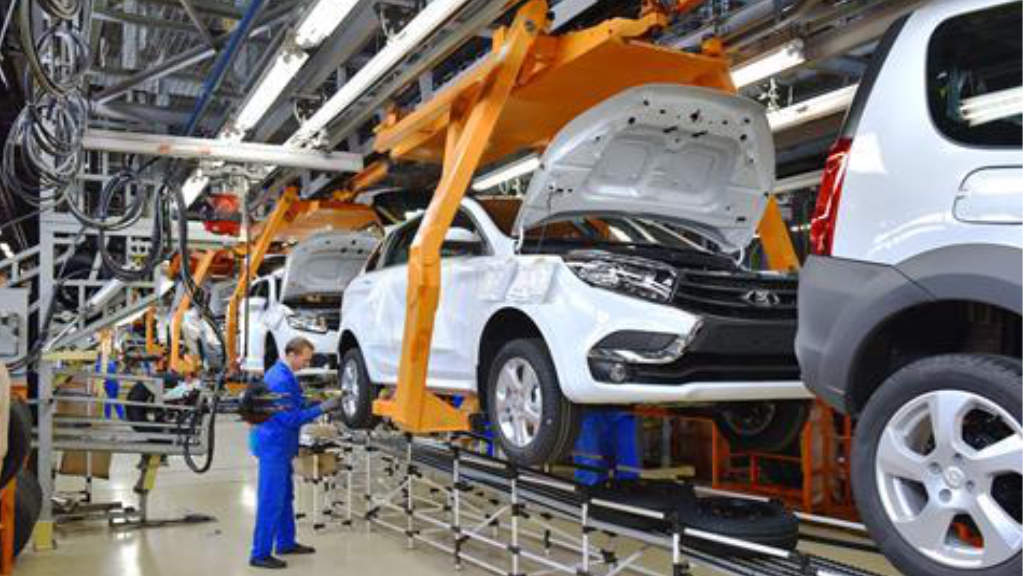
Russian auto factories increased production of all types of vehicles by 16.5% during 2024, with the production of some types of cars increasing while others, began to be assembled less. The domestic automobile industry has great potential for further growth, but increasing production volumes will largely depend on the general situation on the market.

Last year, Russian auto manufacturers produced a total of 985,400 vehicles, according to the Federal State Statistics Service (Rosstat) on industrial production in 2024. This figure is 16.5% higher than the results of the previous year.

In particular, domestic car factories produced 756,000 passenger cars, being 39.2% more than in 2023. Truck production increased by 8.2%, to 194,000 units, while in the bus segment, the situation is ambiguous: the assembly of models with a gross weight of more than 5 tons increased by 12.5%, to 15,500 units. But the production of small buses with a full weight of up to 5 tons on the contrary, has decreased to 19,900, which is 13.9% less than the year before.

The leader in the production of passenger cars was AvtoVAZ, from whose assembly lines 525,500 cars rolled off last year. Among truck manufacturers, KamAZ took first place, with 54,600 units, while in the bus segment, PAZ was dominant. PAZ traditionally does not disclose production volumes, however, according to the analytical agency ‘Autostat’ sold over 8,000 units.

Analysis of Rosstat data showed that the auto industry, along with other sectors – the production of metal products, as well as the production of computers, electronic and optical products – is a key driver of the Russian manufacturing industry.

Russia’s Ministry of Industry and Trade has stated that an important role both for the development of industry in general and for the production of vehicles in particular is the inbuilt system of cooperation between market participants. Thanks to this, they can predict the range of products and their volumes that will be in demand in the long term.

Last year, several previously shuttered car factories were reopened in Russia as the industry recovers and has moved on from sanctions and the exit of Western manufacturers. For example, at the former Nissan plant near St. Petersburg, production of crossovers of the Xcite brand began. In the Leningrad region, the AGR company began producing Solaris cars at the end of last winter. Also, in autumn last year, Sollers launched the production of trucks in Ulyanovsk and production of buses in Vladivostok.

In addition to the restart of car factories over the past year, new models have appeared on the conveyors of existing enterprises. For example, AvtoVAZ has started assembly of the Lada Largus station wagons and vans in Izhevsk, while production of the Lada Aura started in Tolyatti last September. At the same time, production of the H3 compact crossover began at the Haval plant in Tula. In 2024, Evolute began producing i-Sky and i-Jet electric vehicles in the Lipetsk region, as well as i-Space hybrids, while Citroen cars began to be assembled in Kaluga.

New models and production will also appear during 2025. In Lipetsk, Voyah hybrid cars are now being manufactured, while in early summer, assembly of Haval M6 crossovers will begin in Kaluga. A serial release is planned for BAZ trucks near St. Petersburg. In addition, during H1 2025, the AvtoVAZ assembly line will begin to produce the Lada Iskra. Also within the year, production of the much anticipated Atom EV and another crossover at the Moskvich automobile plant are expected to be launched.

What is now occurring is that auto manufacturing efforts are now aimed at ensuring that production ratios shift more towards localized business models. Should this balance in the market move to cars assembled at Russian enterprises, even if current sales volumes of new cars remain the same, car production in Russia may increase as demand is currently regionally uneven, but continues to show growth in certain regions. 

Further Reading

Russia’s Development Readiness For National Autonomous Transport Networks

Russian Diesel Exports To Brazil Show Sharp Increases As US Re-Directs Supplies To Europe

Published on February 6, 2025

Russia has significantly increased its exports of petroleum products to Brazil, primarily diesel fuel, over the past two and a half years, and there is potential for further cooperation in this area, according to Alexei Labetsky, the Russian Ambassador to Brazil.

Labetsky said that “Over the past two and a half years, the volume of trade in petroleum products has grown significantly, particularly in the diesel market. This was driven by the redistribution of product flows in the global petroleum market. Brazil, which previously purchased much of its diesel fuel from the United States, was forced to seek new suppliers because American diesel fuel was redirected to Europe. Brazil does not yet produce enough diesel, and that is why our cooperation in this area is developing.”

Brazil’s average daily oil production last year was around 3.44 million barrels per day, according to International Energy Agency (IEA) estimates. The country is the largest producer in Latin America, but despite this status it cannot meet its domestic demand for petroleum products due to insufficient refining capacity.

According to data from the IEA, Brazil’s demand for petroleum products in 2023 was estimated at 2.57 million bpd, with demand for gasoline and diesel fuel alone exceeding 1 million bpd. At the same time, the country’s oil refining capacity is estimated at approximately 2.3 million bpd. Brazil imported an average of 246,000 bpd in 2024, according to data from the country’s National Agency of Petroleum, Natural Gas, and Biofuels.

Brazil’s demand for petroleum products exceeding domestic production is primarily driven by fuel needs in the agricultural sector. The country is the largest producer and exporter of commodities such as soybeans, corn, sugarcane, coffee, cocoa and others.

Further Reading

Rosatom Anticipating Brazilian Nuclear Cooperation Agreement