The global market for commercial drone delivery systems will grow by more than 40% annually in the near future, according to analysts, who consider air delivery systems to be part of a new low-altitude economy that includes air taxi, sightseeing and cargo transportation. By 2030, the volume of the low-altitude economy in China alone should exceed US$280 billion. Russia though is not lagging behind the development of drones, however, distracted by the military applications still has to turn its attention to the civilian economic development.
In June 2024, Russian President Vladimir Putin signed a law covering ‘Unmanned Aircraft Systems’ that allows Russian developers and manufacturers of unmanned aircraft systems and their components to receive government support. In addition, a unified register of manufacturers of autonomous systems will be created. The procedure for forming and maintaining the unified register will be approved by the government, which will be maintained by the Russian Ministry of Industry and Trade.
In December 2024, Putin stated that he “was surprised” by a decline in the development of the Unmanned Aircraft Systems project, stating that “We are looking at the plans that the government has outlined to reduce some indicators of the total volume of the Russian market for unmanned aircraft systems, and the number of Russian companies equipped with universal infrastructure to ensure the flight of these systems” when speaking at the Council for Strategic Development and National Projects. Putin pointed out that the number of Russian operators equipped with universal infrastructure to ensure flights by 2030 instead reduced from 89 to 9 units.
In addition to the lack of Russian infrastructure, the situation has not been helped by direct bans on the operation of cargo drones, which were introduced for security reasons related to the Ukraine conflict. However, during 2024, in some Russian regions, drone flights are allowed within the operator’s line of sight and no higher than 150 metres. Should the Ukraine conflict be resolved, then Russia’s domestic low-altitude economy may begin to show significant signs of lift-off, and especially so since Russian drones have been operating in conflict zones with operators that now have plenty of experience of working amongst difficult conditions. It is really a matter of when, not if.
Pointing the potential ahead are the Chinese. They believe that safety standards can be observed without completely destroying the low-altitude economy. The same opinion is shared by other countries that issue licenses for the organisation of commercial delivery systems using drones, such as the UAE.
China’s Xinhua, the government mouthpiece, has said that “The low-altitude economy, which includes delivery via drones and flying cars, has been actively developing in China in recent years amid efforts by local governments to support the development of new opportunities to increase consumption.”
There has been significant progress. The value of China’s low altitude economy at the end of 2023 was estimated at almost US$70 billion. By 2030, this is expected to rise to US$280 billion as consumer supply chains radically adapt to include Unmanned Aircraft Systems.
As an example, China’s Meituan began exploring the possibilities of drone delivery to accelerate the creation of a local express delivery network based on ground-to-air-to-ground interaction. In 2021, it launched its first commercial delivery service in Shenzhen, a technology hub in southern China. At the end of 2024, Meituan announced that its subsidiary Keeta Drone, which provides drone deliveries, has received a commercial license to operate drones beyond line of sight from the Dubai Civil Aviation Authority. Now Meituan provides fast delivery of food, medicines and other basic necessities to the areas specially designated for piloting, and as of December 2024, has opened 53 routes in major cities of China, and completed more than 400,000 deliveries. The service offers customers a wide range of products in a wide variety of locations, from offices, residential neighbourhoods, libraries and to tourist sites such as the Great Wall of China.
Chinese agricultural delivery drones are also known to Russian military personnel as the Ukrainian Baba Yaga attack drones, which are capable of dropping mines and other explosive devices. In peacetime, agro-drones are widely used in conjunction with unmanned vehicles. In China, Harvesting drones are now delivering oranges directly from mountain gardens to farmers’ homes. Previously, this crop transportation required three hours, but now it takes only ten minutes. In addition, self-driving cars are used to deliver oranges to customers. The Chinese logistics company ZTO Express tested the “drone + unmanned vehicle” model to improve service efficiency. To date, the number of applications of drones in the their express delivery service has exceeded one million deliveries. Clearly, Russia is learning, albeit with predominantly military applications, but the future of civilian drones is coming to Russia as well.
In addition to drones, small airships are also part of the global low-altitude economy. In early August 2024, the civilian manned airship AS 700 made its first demonstration flight, flying at a speed of 60 km/h at an altitude of 500 m. The AS 700 model is a type of single capsule manned airship with a maximum capacity of 10 people, including the pilot. These new craft can reach speeds of up to 100 km/h. The airship is designed for a maximum flight range of 700 km, it is able to stay in the air for up to 10 hours. It has been designed for tourist trips. In April of this year, China announced the launch of mass production of airships for air tourism.
New helicopter taxi routes are also being created in China’s low-altitude economy segment. These are used for flights to airports or between neighbouring cities. The travel time is reduced from a few hours to a few minutes. Connectivity problems between Moscow’s Domodedovo and Sheremetyevo airports for example could be easily solved using this new type of service, as could connectivity and supply chain development in Russia’s more remote communities. 50% of Russia’s population continues to live in relatively small villages. Bringing them into the mainstream Russian economy would be a massive boost to the national economy.
What Russia needs is the private sector to start getting serious about these potentials. The Ukraine situation is likely to be resolved soon – with the opportunity steps ahead in developing Russia’s low-altitude economy appearing increasingly attractive.
Brazil has just become the new Chair of the BRICS group, taking over from Russia. The 2025 BRICS summit can be expected to be held in Rio de Janeiro, where the G20 also met just a few months ago, ensuring Brazil retains a global focus of key economic participants. Many in Brazil already regard the BRICS as an alternative G20, with Rio continuing to promote its sovereign global agenda — the fight against poverty, reform of the global tax system and international organizations. In addition, Brazil will work to develop a unified BRICS payment system, continuing the Russian initiative. We discuss the likely agendas for 2025.
Brazil’s Priorities
Brasilia requested a change in the order of the BRICS chairmanship in order to highlight Brazil’s moment in the global spotlight as it chaired the G20 last year. Doing so keeps Rio in the spotlight and highlights its potential as a global power broker. The Brazilian President, Lula da Silva has already said that the theme for BRICS 2025 will be “Strengthening Cooperation with the Global South for more Inclusive and Sustainable Management” which promises much in the development of infrastructure systems for the bloc.
Putin In Rio?
A major issue for Brasilia to determine is whether Russian President, Vladimir Putin shall attend. Brazil is a party to the Rome Statute of the International Criminal Court (ICC), which has issued a contentious arrest warrant for Putin, although Brazil argues that immunity for leaders is necessary to maintain peaceful relations between countries. Last year, during the G20 summit, Brazil offered to provide the Russian leader with guarantees of safe entry into the country, and this is likely to remain the case. In the event, the Russian delegation was led by Sergey Lavrov, the Russian Foreign Minister with Putin keen not to make the G20 all about him. But that might change for the BRICS. There is also precedent now for ignoring the ICC request, as Mongolia did in September last year, viewing it as a ‘European’ issue. With no EU countries members of BRICS, the clamour for Putin to be arrested in Rio will be diminished.
2025 Global South Development Issues
Brazil will be making a larger issue of the concept of the ‘Global South’ than has currently been the case, as unlike fellow BRICS founding members Russia, India and China, most of Brazil lies south of the equator. That means a greater emphasis on Latin America and Africa for 2025.
Brazil is therefore likely to focus its efforts on issues of economic development and the fight against poverty and inequality, which are significant issues for the global south but less so for Brazil’s northern partners.
Southern perspectives concerning emerging global trends will also develop, as the global south has different stress levels – an increasing population, poverty, lack of infrastructure, and the impact of global warming than the northern hemisphere does, which has also tended to accumulate more wealth. This then will illustrate (or not) the unity of BRICS – are its northern hemisphere members prepared to invest in the south?
Part of the key here will be finance, but also the unique opportunity issues the global south can offer, which coupled with new tech can create the new global dynamism that the so-called ‘West’ (mainly northern hemisphere) will be unable to match.
With the global south possessing significant human capital, putting that asset to work and raising communities in Latin America and Africa will be an important issue. If managed correctly, these regions can become global economic drivers for the second half of this century and power it into the next.
But getting there is another matter. For this reason, Brazil has proposed specific BRICS group discussions on the perennial issues such as education, health and climate change programmes, but to be accelerated by the active use of digital governance and artificial intelligence.
Hand in hand with that goes reform of the current global institutions to bring them up to date with this emerging new world. This includes reform of the international financial system, and international tax reform.
We can also expect a climate focus, as Brazil will also hold the COP-30 presidency in November. Brasilia will want to use the BRICS platform to reach consensus on climate issues, and use this as a springboard for a successful holding of COP-30 in the later part of the year.
BRICS Partner States
Another issue on the agenda will be discussions concerning the status of the BRICS Partner countries introduced during 2024 and that some have taken effect from January 1. Thirteen countries were granted this status: Algeria, Belarus, Bolivia, Cuba, Indonesia, Kazakhstan, Malaysia, Nigeria, Thailand, Turkiye, Uganda, Uzbekistan, and Vietnam.
Brazil will have to determine exactly what rights this category of states will have, although Sergei Ryabkov, Russia’s Deputy Foreign Minister did recently outline their status, clarifications are still required.
In addition to this, several outstanding issues need to be addressed – the BRICS status of Saudi Arabia, and in Latin America itself, whether there has been any shift in Argentina’s position. The country was invited to join BRICS in 2023, accepted, and then with a new President and government in power, withdrew the acceptance. Having a powerful BRICS event right next door will prove interesting for Buenos Aires, another country in the global south. Brazil also has some regional political issues to address as concerns BRICS – both Nicaragua and Venezuela were 2025 BRICS Partner candidates, but this was vetoed by Brasilia. How far Brazil, as Latin America’s largest economy, is also prepared to accept other LatAm competitors into its global south orbit remains an as yet unresolved issue.
Other Potential New BRICS Members
The 2025 Brazilian Chairmanship of BRICS will be geared towards the integration of the recently acceded countries, rather than for further expansion of the association. Brazil seems to be satisfied with the accession of Cuba and Bolivia to the ranks of BRICS partners and will work to consolidate their presence in the group. However, given Brazil’s physical position, Brasilia may wish to be seen providing some assistance to other regional partners within the BRICS framework. If so, this can be expected to include Colombia, which is seen as one of the potential candidates for accession. Bogota and Brasilia have already discussed this issue. In addition, Colombian Foreign Minister Luis Gilberto Murillo, has previously confirmed his country’s interest in cooperation with the BRICS.
BRICS is especially attractive to countries in the Global South due to a number of interrelated factors that go beyond economic considerations, extending into the political and strategic spheres. BRICS allows the countries of the Global South to gain access to strong partners, as well as gain greater representation in the international arena.
UN Security Council Reform
Brazil will likely also call on the BRICS to unite in requesting reform at the United Nations. The UN Secretary-General, António Guterres, attended the BRICS 2024 summit in Kazan, for which he was lambasted by the West and Ukraine in particular. However, there is a growing awareness that the UN has become dysfunctional and unrepresentative.
Brazil will draw the attention of the BRICS countries to the need for global reform of the UN Security Council. That position is also endorsed by China and Russia. How this can be achieved is an interesting point given the current, entirely undemocratic manner in which UN Security Council voting takes place. Attempts to introduce change are simply vetoed. But at some point this will come to a head.
BRICS Trade Infrastructure
There are intra-BRICS issues to resolve as well, and especially as concerns financial mechanisms and trade. During 2024, Russia developed a detailed proposal for a new independent infrastructure. A proposed cross-border payment initiative is based on national currencies and interaction between the Central Banks of the participating countries. Brazilian companies for example, would pay for Russian oil and gas through national currencies instead of the US dollar (which is not allowed to be transferred to Russia). Brazil can be expected to deepen these initiatives and determine further steps. US President Trump has threatened the BRICS countries with 100% US import tariffs on their exports to the United States if they carry this out. However, on the other hand it is impossible to prevent sovereign nations from using their own sovereign currencies. This dilemma between what Trump says and what he will do will rear its head in multiple and vociferous ways during the year.
The suspension of Russian banks from SWIFT, and sanctions resulting in Amex, Visa and Mastercard withdrawal from providing services in Russia have made it difficult for foreign visitors to access their own money while in Russia. It has also made it difficult to remit money to Russia for payment of goods or services, or for family support. In this article we discuss the options.
Bringing Cash Into Russia
Foreign nationals may now bring foreign currency into the Russian Federation without declaration in an amount equivalent to US$10,000. With this amount you can pass through the green corridor at customs. More than US$10,000 dollars must be declared. In this case, choose the red corridor to pass the border. If you are carrying more than US$10,000 dollars, you will also need to fill out a declaration, and to present documents on the origin of the funds. Funds on a debit or credit card do not need to be declared, restrictions from the Russian Federal Customs Service apply only to cash.
MIR Cards
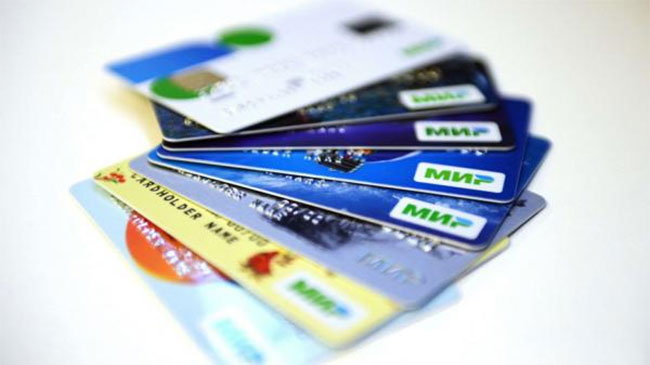
MIR is Russia’s version of Visa and is in common use throughout Russia. MIR cards are issued by banks in Armenia, Azerbaijan, Belarus, Kazakhstan and Tajikistan, as well as from banks in Laos and Vietnam. Other countries may also soon begin to make MIR cards available, including Egypt, Iran and Turkiye.
Troy Cards
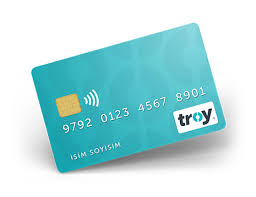
Turkiye issues ‘Troy’ cards, their version of MIR, while virtual cards can be used by scanning QR codes for payment. This service is only available from Turkish banks however they can mail cards overseas once an account with a pertinent Turkish bank is established.
UnionPay Cards
UnionPay are the world’s largest issuer of credit and debit cards, and are based from China. UnionPay ATMs are becoming increasingly common in Russia. However, issuing Chinese banks are wary of incurring secondary sanctions and there may be restrictions.
QR Codes
Some Russian banks, such as MTS and VTB have card systems that will allow for payment through QR codes. This will become increasingly popular during 2025, however the initial problem remains getting the money into Russia in the first place. Assuming that can be done (such as bringing in cash) then foreigners may apply with pertinent Russian banks to open such accounts, deposit the cash and then be free to use their money in a more secure way as needed with the worry of always carrying cash about. However, this method also requires users to possess a Russian smartphone and user account, which can involve a laborious registration procedure. However, for regular visitors this would be a useful option.
Swapping Money
If you have friends or relatives in Russia who have business overseas, it might be a good idea to ask if they have any bills they need settling externally from Russia. If they do, and are trustworthy, then arrange to make their overseas payment on their behalf in return for receiving Rubles when you arrive in Russia.
Cryptocurrency
For this, the user needs to set up their own cryptocurrency wallet, which can be done in their resident country. Money then needs to be transferred into that. The most convenient option to then access this money in Russia is to use stablecoins such as USDT – its rate is pegged to the US dollar. Ethereum (ETH) is also popular, however you must use the cryptocurrency your wallet is set up for. It is then possible to exchange the crypto into Rubles when in Russia. Some crypto-exchanges in the West may request an invoice, in which case users can make to themselves and designate as ‘travelling expenses’ or so on. Digital assets can be exchanged for local currency through crypto machines or P2P platforms. However, be aware of high conversion fees (there is no need for a conversion to cost more than US$50) and the risks of cryptocurrency volatility if not using stablecoins.
Making payments in this way is also a good way to send money to recipients in Russia for goods, services, or family expenses – although the recipient will need to set up a crypto wallet in Russia. However, this is easily done. (If in doubt how to proceed, contact us)
Some vendors issue cryptocurrency cards. However, be aware that the value on these if bought into Russia carries the same limit as cash – US$10,000.
Under sanctions, the situation with different payment methods can change fast, with banks overseas not always being fast to react – but holding onto your money instead of sending it on to Russia where you need it. Before travelling, it is best to be certain that you will have funds available to you – before you arrive.
Decision is almost certainly due to Euroclear diverting profits from frozen Russian capital to Ukraine
Belgian brewer Anheuser-Busch InBev and Turkey’s Anadolu Efes have lost, in the case of the latter, perhaps temporarily, in their attempts to strike a deal for the assets of Russian joint venture Anheuser-Busch Inbev Efes. On Monday, January 1, Russian President Vladimir Putin issued a decree placing Russia’s AB InBev Efes under the temporary management of JSC Vmeste group of companies. Anadolu Efes had hoped to acquire all of AB Ibev’s equity in the JV, allowing the Belgian company to exit the Russian market.
AB InBev Efes, the Russian JV, was formed in 2018 through a merger of the assets of Belgium-based AB InBev and Anadolu Efes of Türkiye. The JV runs 11 breweries across Russia and includes brands as Bud, Hoegaarden, Stella Artois, Lowenbrau, Klinskoe, and Sibirskaya Korona. The JV is Russia’s beer market leader, achieving sales of 22.3 million hl of beer in 2023.
According to 2024 data by Kirin Beer, Russia is the world’s fifth largest beer market after China, the United States, Brazil and Mexico.
According to the Presidential decree, all of the shares of AB InBev Efes Russia are now under the temporary control of the Vmeste group of companies. Putting the joint venture under control of Vmeste sent shares in Anadolu Efes plummeting by 10% on Borsa Istanbul, while AB InBev shares dropped 1.5%.
Earlier this year, Anadolu Efes and AB InBev, the world’s number one beer producer by output, agreed to swap stakes in their businesses in Russia and Ukraine. If approved by the Russian authorities, the deal would have made the Turkish brewer the sole owner of the Russian business, while AB InBev would acquire the Ukrainian unit. The Belgium-based corporation had previously intended to dispose of both units through a sale to Anadolu Efes, but Moscow opposed the plan.
In April 2023, President Putin signed a decree introducing temporary asset management of persons from unfriendly countries in response to the seizure or restriction of rights to Russian property abroad. In addition, in October 2024, Russian authorities made it more difficult for foreign businesses to leave Russia by changing the size of the mandatory discount to the market value of the asset when foreigners sell Russian businesses. Previously they had to be sold for 50% of their real price, now the discount must be at least 60% (the asset itself can thus be sold for only 40% of the valuation). At the same time, if the value of transactions is more than 50 billion rubles, they must be made only with the consent of President Vladimir Putin
It is unclear what prompted the decision to award Vmeste the initial control of the AB InBev Efes Joint Venture. It could be that the financial structuring of the proposed takeover by Anadolu Efes was thought to undervalue the JV, or it could be politically related with Moscow potentially unhappy with Turkish involvement in Syria, a reaction to Belgium’s Euroclear sending Russian frozen funds to Ukraine, or a combination of all these factors.
What does appear clear is that Vmeste are now in control of the JV assets and can retain the operating capital in Russia. Their options are now to manage the breweries themselves, sell the business to Russian management, sell equity at a higher price than may have been tabled by Anadolu Efes, or structure a deal involving all three.
Russia’s President Vladimir Putin has instructed the government and Sberbank, the country’s largest bank and a tech innovator, to create an alliance with China to develop artificial intelligence. Putin’s directive was issued after the Artificial Intelligence JourneyConferenceheld in Moscow last month.
Speaking at the conference, the President of the Russian Federation said: “Artificial intelligence technologies are called upon to become the most important resource for achieving national development goals, strengthening the country’s defense capability, qualitative development of the economy and social sectors, public administration, and growth of innovations. In order to successfully solve these tasks, Russia must become a world leader not only in the creation, but also in the scale of application and penetration of artificial intelligence into all spheres of our life without exception”.
The list of the Russian president’s instructions has been published on the Kremlin website. Russian Prime Minister Mikhail Mishustin and Sberbank CEO Herman Gref have been appointed responsible for the fulfillment. A progress report is expected by April 2025.
The partnership with China is aimed at using China’s experience in artificial intelligence, which is recognized as one of the most advanced in the world. Alexander Vedyakhin, First Deputy Chairman of the Bank’s Management Board, earlier noted that Sberbank is largely guided by China’s experience in AI development. “We are, of course, watching how China is developing AI and are inspired in many ways by the models and examples it shows. We regularly attend major exhibitions in China, visit Chinese companies and major universities. We are certainly impressed by the progress China has made in AI development and implementation,” Vedyakhin said.
Beijing has rapidly implemented AI across various sectors, including manufacturing, healthcare, and transportation, and is a global leader in AI patents, particularly in generative AI technologies. Between 2014 and 2023, Chinese entities filed over 38,000 generative AI patents, accounting for approximately 70% of such filings worldwide.
Chinese researchers have significantly increased their contributions to AI literature. China surpassed the US in terms of total number of AI-related journal citations in 2020.
During the AIJ conference, Putin emphasized the need to increase efforts to develop Russian AI systems. He has called for expanded AI use in schools to improve student counselling and learning, as well as support for local governments to integrate AI into public administration.
In December, the first textbooks on artificial intelligence for students in grades 5-9 were presented in Russia. The textbooks explain what artificial intelligence is, when the technology appeared and how it helps humans in the modern world. Together with the Prosveshchenie publishing house, they were developed by neural network specialists from Gazprom Neft and 30 expert practitioners from the country’s leading technology companies. The textbooks are currently undergoing expert review by the Ministry of Education of the Russian Federation and are planned to be introduced in schools across the country starting in the 2025-2026 academic year.
Russia’s Pivot to Asia have just published our ‘2025 Guide to the Middle East’ which discusses Russia’s trade, investment, and geopolitical dynamics with the entire Middle Eastern region. It includes country-specific data on Bahrain, Iran, Iraq, Israel, Jordan, Kuwait, Lebanon, Oman, Qatar, Palestine, Saudi Arabia, Syria, Turkiye, the UAE, and Yemen. It is essential reading for anyone interested or involved in Russia’s strategic development in the Middle East.
This is a complimentary download and may be accessed in English here and in Russian here.
Sergei Ryabkov, Russia’s Deputy Minister of Foreign Affairs, and the primary “BRICS Sherpa” has been interviewed by Tass concerning the development of the BRICS group during 2024. This is especially pertinent as Russia held the Presidency of BRICS during the year, hosting the annual BRICS summit in Kazan. The interview covered Russia’s Presidency of BRICS, clarification of BRICS Partner Status, Syria, Intra-BRICS payment systems, currency, space, A.I., human rights, the US dollar, the incoming Trump Presidency, and BRICS vs. NATO. We provide the questions asked, and Ryabkov’s responses.
Russia’s BRICS Presidency
Q: You opened Russia’s BRICS 2024 presidency, and now this year is coming to an end. What worked out and what didn’t work so well? To what extent has our program been implemented? Were there any surprises, and if so, what was the most unexpected?
SR: “Almost everything worked out. I would like to note the surprisingly positive, energetic response of the newcomers to all initiatives and proposals. The creative contribution of many participants to solving the most intricate problems, such as the creation of a financial and banking infrastructure alternative to Western payment systems and adjacent elements.
As for the disappointments, progress is slower than we would like on the tracks of practical cooperation between the BRICS, aimed, for example, at the creation of commodity exchanges. Although the idea has been implemented. The need to thoroughly explain the logic of the investment platform. It would seem to be an obvious thing: we do not have it, and it needs to be implemented, but we have to spend a lot of effort and time to chew up what’s what.
As for the lack of institutional strengthening of the BRICS, this is not a disappointment. Because BRICS is going through a phase of opening up to partner states and now is not the time for that. Some encumbrances in the form of international secretariats or other superstructures would only overload the boat.”
BRICS Member & Partner Status
Q: What is BRICS now: “Ten”? “Nine”? Do we count the Saudis or not?
SR: “Saudi Arabia continues in the same manner as it began the year. The Saudi’s participate in events that are of interest to them, but there is some distance from the development of documents and joint decision-making.”
Q: How have the “new recruits” of the BRICS shown themselves?
SR: “As mature, well-trained, energetic partners. No slippage, no artificial inflation of anything and a good response to new ideas.”
Q: Is the status of a “Partner Country” clear, is it quite formed? And if so, what is its peculiarity compared to full membership?
SR: “The status is quite developed. All States that have been invited to become partners have received detailed and specific explanations of what this status implies. By and large, it involves participation in the BRICS mechanisms, in some automatically, and in others by a separate consensus decision of the participating countries. And submitting their own ideas, if the partners have any, to the judgment of the “old-timers” – but without participating in the approval of documents and, of course, voting. In this sense, they are not allowed to make decisions.”
Q: What is the state of Syria’s application? If the new authorities of the country confirm the application, will this be considered?
SR: “Without a doubt. We are seriously considering the applications of all countries, and Syria is no exception. But we do not rush anyone, do not stimulate them to anything, and respect any choice. In the end, this is too serious an issue to chase formal indicators in terms of the composition of the participants.”
Q: You previously mentioned that one of the most important areas within BRICS is the system of payments and settlements. Do we understand now how far the partners are ready to go? If, say, in the new year, Brazil and Iran, as was discussed at the BRICS financial forum of the association in Moscow, are ready to move from words to action?
SR: “Of course. The scheme that is now on the table and which will be implemented is not a dollar substitution scheme in all calculations. This is a scheme for creating an additional contour for working in conditions where the main and familiar dollar channel fails for reasons beyond the control of the BRICS.
I will add that the financial scheme in itself, important as it is, is not sufficient for the system to function properly. We also need clearing mechanisms, and we are also dealing with this. And transaction insurance systems, including insurance for the movement of goods and cargo, which would also not be affected by sanctions. Taken together, this is the minimum that could allow the BRICS to say that things have moved forward, and a real alternative has appeared.”
Sergey Rayabkov, Russia’s BRICS Sherpa
BRICS In Space
Q: There was also a lot of talk about space. Is there any common project emerging?
SR: “If we talk about practical projects, this is a constellation of remote sensing satellites, to which the countries that are members of the BRICS have made their national contributions in various forms. And it works: these products are in demand, they are used. Now the question is that new participants should join this scheme, this agreement. Here, too, there is a certain movement; I hope that in the year of the Brazilian presidency it will be more intensive.”
BRICS and A.I.
Q: The subject of Artificial Intelligence is on everyone’s lips. Is it also in the foreground in BRICS?
SR: “Artificial intelligence is already among the main topics. This will set the tone for the Brazilian presidency. The specifics will be worked out in the mode of public-private partnership. The difficulties lie in the convergence of efforts: different countries have made different progress on this platform. There are obvious, objective leaders, and China is in the foreground. There are niche areas that are successfully moving forward in this area in each of the countries. There are also laggards; We will pull them up.”
BRICS and Human Rights
Q: The idea of the BRICS Human Rights Centre – is it something real, discussed and planned?
SR: “A sign of the popularity and recognition of BRICS is that many are now beginning to stick this label, this “trademark” on their own projects. I am not sure that this adds dynamics, but it is in this area that such a structure – informal, networked, uniting those who are engaged in this professionally and sustainably – would be useful. Because in this area, too, an objective view of human rights is needed, not distorted by Western ideology.”
BRICS and the US Dollar
Q: The threat of incoming US President Trump regarding the dominance of the dollar is in the foreground. (Trump threatened 100% tariffs be imposed on imported products of any BRICS country that replaced the US dollar in trade with a BRICS currency – ed) How serious and dangerous is it?
SR: “We are ready to explain to Trump and anyone else that we are not encroaching on the dollar. We draw conclusions from the irresponsible and fundamentally flawed policies that Washington has pursued in this area under successive administrations, including Mr. Trump’s first administration.
A classic assessment was given by President Putin: The United States are sawing off the branch on which they are sitting. This is true. In the absence of a way out of the impasses that the United States creates for itself and others, these mechanisms to find a way out have to be created by ourselves.
As for threats, we are used to the fact that the United States, regardless of the party coloration of the figures in the White House, uses nothing but threats. By and large, they have forgotten how to negotiate—no matter how much the future owner of the White House declares his commitment to the “policy of deals”. By the way, let’s check how ready he is for transactions.”
BRICS Global Influence
Q: Can we expect any reactions, maybe even a collective one, from the BRICS over global issues? Does the BRICS possess “soft power”?
SR: “I have not read stronger joint statements on the situation in the Middle East than the two pages of a very dense and super-energetic text that are devoted to this block of topics in the BRICS Kazan Declaration. (to read that, click here – ed)
I agree that BRICS is underperforming in terms of a quick and dynamic response to the changing situation. This is partly due to the fact that there are nuances in the approaches of countries to various kinds of subjects. In part, it is due to the lack of a culture of rapid response. We will form it.
In the past, there have been situations where thematic specialized statements have been issued. We will build up opportunities for their widespread promotion, including so that they are recognized by a wider audience as a “BRICS” product.”
Syria
Q: About Syria. Do the militants and those who stand behind them disrupt plans for BRICS and the transition to a multipolar world in general? And on geostrategic projects like the North-South corridor?
SR: “It doesn’t make it easier, of course. But it does not reset it either. Instead, it mobilizes and consolidates the will. As for transport corridors, there were no plans to create such in Syria.
There are other, no less significant geopolitical consequences of what is happening, which Iran, a BRICS member formulates better than we do, calling the groups most affected by what is happening the “axis of resistance”. But this is all from the category of a different geopolitics.”
Q: Who is behind the scenes in Syria?” Who is trying to give us a ‘counter check’? Is Kiev visible?
SR: “The United States is definitely visible. Of course, Israel is the beneficiary of what happened. And I would like to warn certain hotheads in West Jerusalem against the intoxication of opportunities. And to remind them that the annexation of the Golan Heights is categorically unacceptable. Israel needs to return to the full implementation of the 1974 agreement with Syria.”
Q: Does Russia discuss such topics with our partners in BRICS? Can BRICS help resolve the situation in any way?
SR: “In BRICS, we discuss everything related to the Middle East. Of course, this situation will also be the subject of consideration. Moreover, BRICS has long established a format of specialized consultations on the Middle East at the level of relevant deputy foreign ministers.
As the topic of an inclusive political process is becoming more and more relevant, the framework of the future political structure in terms of the organization and functioning of the Syrian government should be determined, and since what we see today is quite fragmented and literally transitional in nature. Of course, BRICS will naturally make this a subject of discussion. I hope that not just a discussion, but in-depth coordination and, ideally, the development of common approaches.”
Q: I heard media opinion that Moscow did not resist too much in Syria, so that the West would not be too reluctant on Ukraine. Is such a thing even imaginable?
SR: “I am against such artificial and detached from reality schemes. In Michurin’s (Russian genetic biologist – ed) time, attempts were made to graft pears on apple trees. In the first generation of trees, something worked out somewhere. But genetically, these experiments were not successful. The same is true here: attempts to either cross a grass snake with a hedgehog or exchange a kilogram of oranges for half a day’s holiday in Turkiye. I can’t imagine this.”
The 2025 Brazilian BRICS Presidency
Q: We are now handing over BRICS to Brazil. For Russia, what does this mean: do we take a breath and close the topic until the next Presidency?
SR: “It is the end of the year. Now we must bring the current situation with our partners to mind, and publish a list of issues that we have agreed upon. And to hand over the reins to the Brazilians. They will start without hesitation as soon as the seasonal holidays are over.”
Q: Russia has worked our year in BRICS. Do we now have a respite?
SR: “First of all, the burden of the BRICS Presidency, including the organizational side of holding events, coordinating calendars, aligning schedules with other international events–-of course, this burden will leave us. This will be done by the Brazilians. They are already doing this.
Then there are our initiatives put forward in our year of our BRICS Presidency. And there are many questions there. We have ideas about harmonizing tax services. We have a lot of procurement for customs affairs. We are capable of holding a whole series of events in support of the Brazilian Presidency in Russia, if the other participants agree. Any decisions both on sensitive and less sensitive issues in BRICS are made by consensus.”
BRICS 2025: NATO, BRICS Military and Dealing With Trump
Q: In your opinion, what conditions are needed for 2025 to be more calm and peaceful than 2024? And is the world majority, including in the BRICS format, ready to contribute to the formation of such conditions?
SR: “The world majority is already doing this, and in the most active way. All those countries that have recently put forward initiatives aimed at resolving the crisis in Ukraine and around it, are in one way or another connected with BRICS. Either they are part of the association, or, as we hope, they will become partners in the very near future.
But it is not only within this framework that the influence of the world majority on what is happening can be seen. It is also manifested that when voting on many issues at the UN General Assembly and at other platforms, we do not see the same timidity in defending national views, including as a counter to what is imposed by the collective West in this group.
The existence of BRICS is, in a sense, a “ray of hope” for those who, in the absence of BRICS, would probably find it more difficult to form a nationally oriented sovereign foreign policy.”
Note this article has been translated and edited from the original Russian for English language transliteration purposes. The original can be viewed here.
The Supreme Eurasian Economic Council, which oversees legislation on behalf of the Eurasian Economic Union, (EAEU) has signed an agreement on a Unified Customs Transit System between the EAEU and third countries. The agreement is important as it reduces transport costs from the EAEU to its major trading partners.
The agreement defines the legal framework for the organisation of rapid logistics with other countries. It is expected that in practice it will start working from April, when a new form of the unified transit declaration will be introduced. This will speed up the delivery of goods, reduce business costs and minimize risks along transportation routes.
The EAEU includes Armenia, Belarus, Kazakhstan, Kyrgyzstan and Russia. It has Free Trade Agreements with Iran, Serbia and Vietnam, and a flexible, non-preferential FTA with China. Several other counties, including Egypt, India and Indonesia, are currently negotiating FTA with the EAEU. These new standards will help with their eventual customs implementation with EAEU imports and exports.
The EAEU press service said that Uzbekistan is interested in the mechanism, while it is expected that other CIS and Asian countries will join the system, including China.
The Unified Customs Transit System provides a single form of transit declaration, and applies standardized rules to pay customs duties and taxes, harmonizes customs control, and digitizes the translation of required documents.
For example, the system involves the use of electronic navigation seals, which, allows online tracking of cargo, and contains all the required information about its transport, simplifying border crossings.
Bakytzhan Sagintayev, the Chairman of the EEC, said that “An agreement has been signed on a Unified Customs Transit System of the Eurasian Economic Union and third parties. It provides an opportunity for other states to join the EAEU transit system. The beneficiaries of the project will be Central Asia, China and our other trading partners. The key objective of the agreement is to ensure seamless transportation by increasing connectivity between territories and reducing business overhead costs for cargo delivery. The adoption of the system contributes to the development of the transit potential of the Union, improves the security of cross-border supplies and increases trade turnover among the EAEU countries.”
Russia ranks third in its readiness to implement Autonomous Transport (AT) systems among the BRICS, CIS and partner countries, second only to China and the United Arab Emirates and ahead of countries such as Saudi Arabia, Brazil and Turkiye, according to the latest Kept (ex-KPMG) ratings.
For the assessment, Kept’s analysts compared countries with each other in terms of government policy in transport digitalisation, production and technology, infrastructure and consumers. A feature of the development of unmanned vehicles in Russia is the testing of technologies and solutions within the framework of experimental legal regimes. This makes it possible to start mass operation of drones without waiting for the development and adoption of a large number of regulations and at the same time verifying business models.
The rating – which was also reviewed by Forbes – included 16 countries amongst the BRICS, CIS members and its trading partners: Turkiye, Saudi Arabia, and the United Arab Emirates. The comparison choice was made due to the growing volume of cooperation between Russia, the CIS and the BRICS, as well as the economic interaction and trade of the BRICS countries among themselves and with the countries of Central Asia.
Kept stated “It was interesting to assess how the emergence of advanced technologies in some countries affects the willingness of partners to create conditions for the use of these technologies at home.”
The evaluation criteria also included the availability of a national development program, legislation governing the development and use of autonomous transport, household incomes, the size of the passenger transport market, government financing, the availability of testing areas and permits for access to roads, and so on. Russia’s overall score was 58.2 points, third after China (62.7) and the UAE (58.5).
Assessing the macro environment (legal regulation, infrastructure and technology development, and household incomes), Kept puts Russia in 3rd place, which it shares with the UAE. China is ahead, where not only the AP development program is being implemented, which has been tested for several years, but also one of the highest levels of digital infrastructure readiness in the world, and Saudi Arabia, where the Vision2030 strategic program is being implemented. In the CIS, the development of national policies in the field of unmanned vehicles is still at an early stage, and some countries are taking the first steps towards the development of AT. This includes India and Turkiye, both of whom have some catch-up to do.
AT Regulatory Development
Russia is now a leader in the readiness of the macro environment for the implementation of AT, according to Kept. Russia’s legal environment is aimed at regulating vehicle testing in especially created zones, as well as allocating test lanes on public roads. In addition, the government is developing laws that will introduce rules for the use of AT as part of its gradual implementation.
Kept stated that “Russia’s leading position is supported by the high level of development of information and telecommunication technologies (ICT) and road infrastructure, which allows the use of AT on the main transport corridors and in megacities. The assessment of the sufficiency of household incomes allows us to expect that AT will be in demand as a competitive offer becomes available.”
AT In Russia’s National Development Infrastructure Plans
Russia’s national transport strategy to 2030 includes the development of unmanned cargo transport infrastructure, (including the digital-only lanes of the M11 Moscow-St.Petersburg highway), digital transformation of all modes of transport (introduction of integrated transport services, electronic platforms for ordering cargo, logistics and e-commerce services), increased investments in the road industry in the period 2025-2030, as well as in urban transport until 2035.
Unmanned trucks between Moscow and St. Petersburg along the M11 highway using Kamaz vehicles are already being tested and should be a regular feature along the route from 2025. In time, most of Russia’s major highways will possess digital-only lanes. The Russian Ministry of Transport has estimated the additional costs of equipping roads so that unmanned vehicles can use them at ₽4-6 million (US$38,000 – 57,000) per kilometre. This is less than 0.5% higher than the standard cost of building a kilometre of Russia’s standard federal highway.
AT Cost Comparisons
The cost of building a kilometre of highway in the European Union averages between €6-12 million per kilometre, and in the United States, between US$2-10 million per kilometre – a major issue with the costs of upgrading EU and US logistics.
AT Network Readiness
Another key indicator is the readiness of technology and society. For this purpose, the Network Readiness Index (NRI) was used. It is calculated by the independent research institute Portulans Institute together with the World Alliance of Information Technologies and Services. The index is calculated based on an assessment of 62 indicators divided into four groups: technology, public administration, people, and influence. The value of this index – the average value of ratings by group – for Russia is 57, this is again the 3rd position, second only to China and the UAE (67 and 62, respectively).
The results of comparing the average per capita residual income with the monthly lease payment for AT indicate that in the vast majority of countries, unmanned vehicles are not yet available for purchase by the average buyer. This is primarily due to the high cost of the technology and its focus on a narrow premium segment of consumers at the current stage of development.
Kept also assessed the development of the industry environment in different countries in order to form an idea of the readiness of the production base for mass production of AT. In turn, mass production can become possible when the level of development of autonomous driving technologies makes it possible to make AT competitive compared to traditional cars, the study says. This includes conditions for manufacturers, market potential, and industry relationships. According to Kept’s estimates, according to the criteria for the development of the industry environment, Russia is second only to China, and ahead of the UAE, India, and Brazil.
China has the world’s largest automotive industry with an active production of AT and a passenger car market exceeding US$800 billion, with steady sales growth. In Russia, support for technological advances covers structural difficulties, with the Russian passenger vehicle market amounted to US$101 billion in value in 2023. Russia’s auto sales growth during 2024 has been estimated as being as high as 25%.
Russian Government Subsidies
The Russian government is also actively subsidising the testing of highly automated vehicles to ₽500,000 per project, and has also initiated a project to launch unmanned cargo transportation, under the “Unmanned Logistics Corridors” project, the implementation of which requires State funding of about ₽5.2 billion (US$50 million).
Eight companies are engaged in the pilot production of self-driving cars and buses in Russia. The most technologically advanced have already gained access to certain public roads. Supporting industries within the country provide self-driving cars with electrical wiring and develop their own lidars, and the charging infrastructure is also at a fairly high level.
However, there are bottlenecks. Kept stated that “The full-fledged development of the industry is hampered by a shortage of some components and a shortage of qualified specialists. A rather outdated fleet with an average age of 15 years of a passenger car also indicates a slow pace of fleet renewal, which hinders the introduction of new technologies into mass use.”
While studying the level of technology development for AT, Kept’s analysts took into account how far Russia has progressed in the transformation of theoretical developments into tangible products. The production of critical components in the country (sensors, processors, and control systems) indicates the availability of infrastructure, skilled labour, and government and private sector support for innovation, according to the report.
Product Development
At the current stage of AT production development, China is once again way out in front of the competition, with 57 businesses operating in this sector. China has the highest level of development of automation technologies among the countries studied: mass production of cars with a high level of automation is underway, and the testing of commercial operation is underway on real road networks. In India, there are 37 of these companies, including startups, but these have only reached the prototype stage at this present time.
Russia has eight participants in this market, who develop software, create hardware and software complexes and, unlike India, test AT on roads in special zones. Among the leaders are Yandex SDG, Avtotech (Navio), Sber and Cognitive Technologies, and KAMAZ. The Starline NGO, the Technical Vision Alliance, the Moscow Automobile and Road Construction State Technical University (MADI), and the GAZ Group, who together with the Nizhny Novgorod Technical University are also engaged in industry developments.
AT Security & Safety
It is assumed that autonomous control will eliminate the human factor, which is the root cause of the vast majority of road traffic accidents. However, to achieve such a result, it is necessary to ensure a high level of AT security. The optimal testing distance has been measured at being 18 billion km. When this value is reached, the safety assessment of AT will be as statistically significant in comparison with the safety assessment of conventional cars.
Russia is among the leaders in autonomous transport testing among the countries featured in the study. The total mileage of Yandex SDG, KAMAZ and Avtotech (Navio) vehicles can be estimated at about 40 million km. In Russia, they are testing the use of AT technologies on cars and trucks, as well as on public transport.
In 2018, a special legal regime was established for the experimental operation of unmanned vehicles in Moscow and Tatarstan. Currently, an experimental legal regime (EPR) for the operation of unmanned passenger cars and trucks has been launched in 38 regions, including the Kalibr Technopark in Moscow, while Yandex SDG is also testing robotaxis for daily trips in the residential areas of Moscow and Innopolis in Tatarstan. The trucks are being tested on the M-4, M-7 and M-11 highways in different climatic zones: in the Krasnodar Territory, Crimea, Khanty-Mansiysk and Yamalo-Nenets Autonomous Districts. The results of AT testing in EPR will be used for further general regulation of the autonomous transport industry in Russia.
AT Development In Russia: Industry Predictions
According to Ksenia Konikova, Director of Business Development at Navio, the most realistic scenario for the coming years is the complete launch of autonomous vehicles for transporting passengers and cargo on established routes, where the infrastructure is already ready for this. To implement automated control systems, roads must also become smart, meeting certain standards and be equipped with additional equipment (cameras, sensors and other systems) so that the vehicle continuously exchanges information with the surrounding infrastructure.
Konikova said “Work in this area is also actively underway in Russia. Digital road doubles are appearing and there is a roadmap for scaling them.”
The mass introduction of self-driving cars on public roads will occur in the next few years, according to Arslan Urtashev, the technical director of autonomous transport at Yandex, who says “The key factors are increased road safety, an acute shortage of drivers, and significant commercial benefits for all market participants, both for developers of autonomous technologies and for their customers who provide the ultimate passenger or cargo transportation service. As for public transport, it has already been implemented in some places. For example, there are countries where the subway runs without a driver. However, the massive transition of all types of public transport to autonomous technologies will happen later than in commercial transport.”
Konikova agrees, saying that “Autonomous driving technology will not replace a person at the moment and does not pretend to completely eliminate a human driver. But it is already necessary to meet the growing demand for transportation from large cities and companies from retail, e-commerce and FMCG.”
Ukraine has refused to continue acting as a European gas supply chain transit agent from Russia and is to terminate gas supplies to the EU from Russia from January 1st. Kiev’s contract with Gazprom finishes on December 31. Affected by this decision are the EU member states Austria, Hungary, and Slovakia which have long relied on Russian gas transit through Ukraine and are especially vulnerable as they are all landlocked countries.
As an alternative, Ukraine’s largest private energy company DTEK, has instead contracted to receive deliveries of liquefied natural gas (LNG) from the United States. This first consignment arrived by ship to the Greek Port of Revithoussa on December 27. From there, it will be processed back into gas and distributed through EU and Ukrainian gas networks. One network, the Vertical Corridor, will transmit US sourced LNG deliveries between Greece, Bulgaria, Romania, Hungary, Slovakia, Moldova, and Ukraine.
This new American LNG delivery amounts to 100 million cubic meters of gas (1 TWh of energy, or 3,530,000 MMBtu), and was purchased by D.Trading, DTEK’s pan-European trading subsidiary. However, LNG sourced from the United States is currently 30-40% more expensive than pipeline gas from Russia.
In addition, Ukraine is likely to pay more for LNG coming through the Greek Revithoussa LNG terminal than for Russian pipeline gas, as the Greeks will also require processing and transit fees. The move also makes part of the EU longer-term dependent on Ukrainian-controlled LNG routes.
Previously, longer-term contracts with Gazprom had allowed these three countries to buy Russian LNG at lower costs than EU gas spot prices. For example, Austria had been receiving Russian gas at a price almost three times cheaper than EU spot prices. While these developments may unify European LNG prices across the EU, it is likely to do so at the cost of significantly increasing productivity and cost of living expenses in these countries, while supressing their economies to be more dependent and under the influence of Ukraine. We can compare their economies as of 2024 as follows (IMF data):
This effectively means that these three EU economies in particular will be indirectly, and partially subsidizing the Ukrainian economy from 2025. While Ukraine’s economic performance may increase, the three Eurozone economies can be expected to decrease at a similar rate until an overall fiscal parity with Kiev is reached. At that time, Ukraine would have a better economic chance of joining the European Union.
Meanwhile, after selling gas at €11.32/MMBtu in October, European gas prices rose to almost €14.4/MMBtu on November 22. On December 27, benchmark futures rose further by 5% on the news of halted Russian gas transit through Ukraine. According to the Slovakian Prime Minister Robert Fico, the country is reliant on Russia for around 85% of its gas demand, primarily through pipelines transiting Ukraine, while substituting the supply of Russian gas through Ukraine for United States gas supplies in this manner increases European Union LNG prices by about €120 billion per annum.
Russia’s Pivot To Asia 2025 Guide To Russia’s Perceptions of Europe
In this complimentary PDF, we detail Russian trade, investment and interests with the European Union, Hungary, Slovakia, Moldova, Transnistria, Serbia, Republika Srpska, Belarus, Kaliningrad and Ukraine. It is essential reading for anyone interested in the immediate Russian-European dynamics.
The new Syrian authorities, led by the country’s de facto leader Ahmed Hussein al-Sharaa, of the Islamists Hayat Tahrir-al-Sham (HTS) would like to remain on good terms with Russia, al-Sharaa has said, stating in an interview with local broadcaster Al Arabiya on Sunday (December 29) that his government would not necessarily be seeking the withdrawal of Moscow’s military installations from the country.
Moscow operates the Khmeimim Air Base and a logistics support center in Tartus, both situated on Syria’s Mediterranean coast. In 2017, Russia and Syria agreed to station Russian troops there until 2066. Russian Foreign Minister Sergey Lavrov also stated on Sunday that the agreements permitting a Russian military presence in Syria were “valid” and had been “concluded under the norms of international law.”
Lavrov clarified that Russia was prepared to discuss the future of its military installations with the new authorities in Damascus once the declared transition period, which runs until March 1, has expired. Meanwhile, Kremlin spokesman Dmitry Peskov said that Moscow is maintaining “contact with the representatives of the forces in charge of the situation in Syria, and everything will be decided through dialogue.”
Other sources have suggested that Moscow has “secured temporary security guarantees, so the military bases are operating as usual.”
Al-Sharaa meanwhile has clarified Damacus’s position, saying that “Syria has strategic interests in maintaining good relations with the ‘second most powerful country in the world’. He stated that “We don’t want Russia to exit Syria in a way that would not be befitting for our long-standing relations.” According to al-Sharaa, the new authorities in Damascus want to avoid conflicts.
Earlier this month, he similarly stated that the “Syrian leadership was keen to avoid provoking Russia,” and was willing to give Moscow the “opportunity to re-evaluate the relationship with Syria in a way that serves our common interests”.

 Русский